
Last updated September 20, 2026
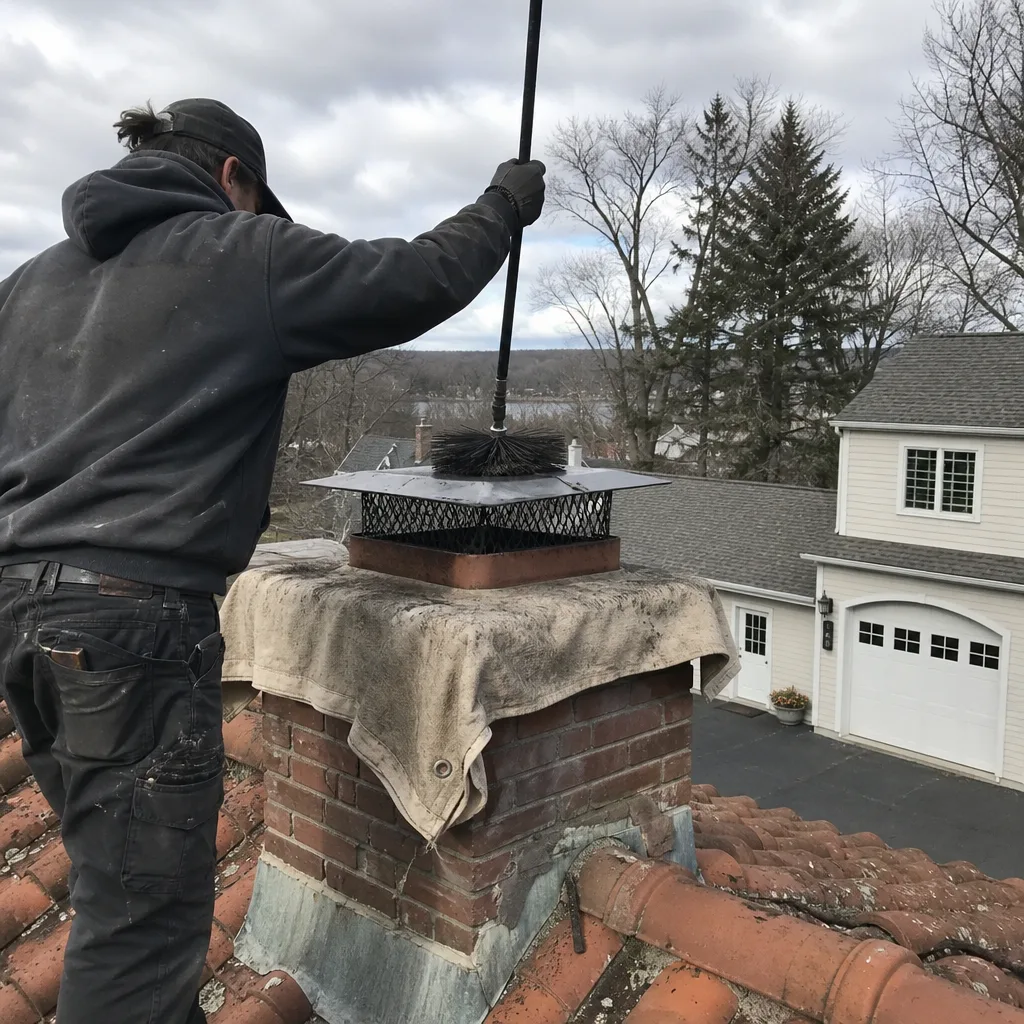
Level 1 sweep and inspection to the NFPA 211 annual standard - flue, crown, cap, and flashing checked and photographed
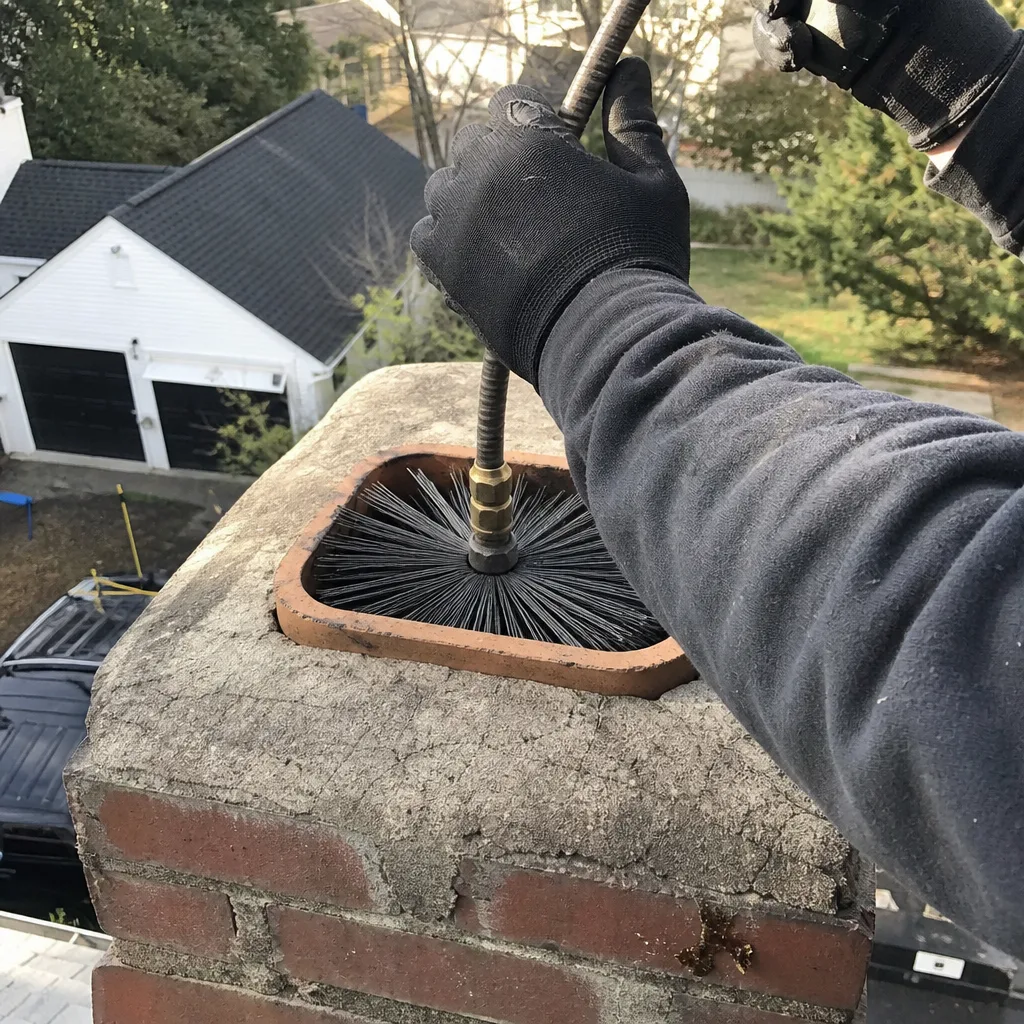
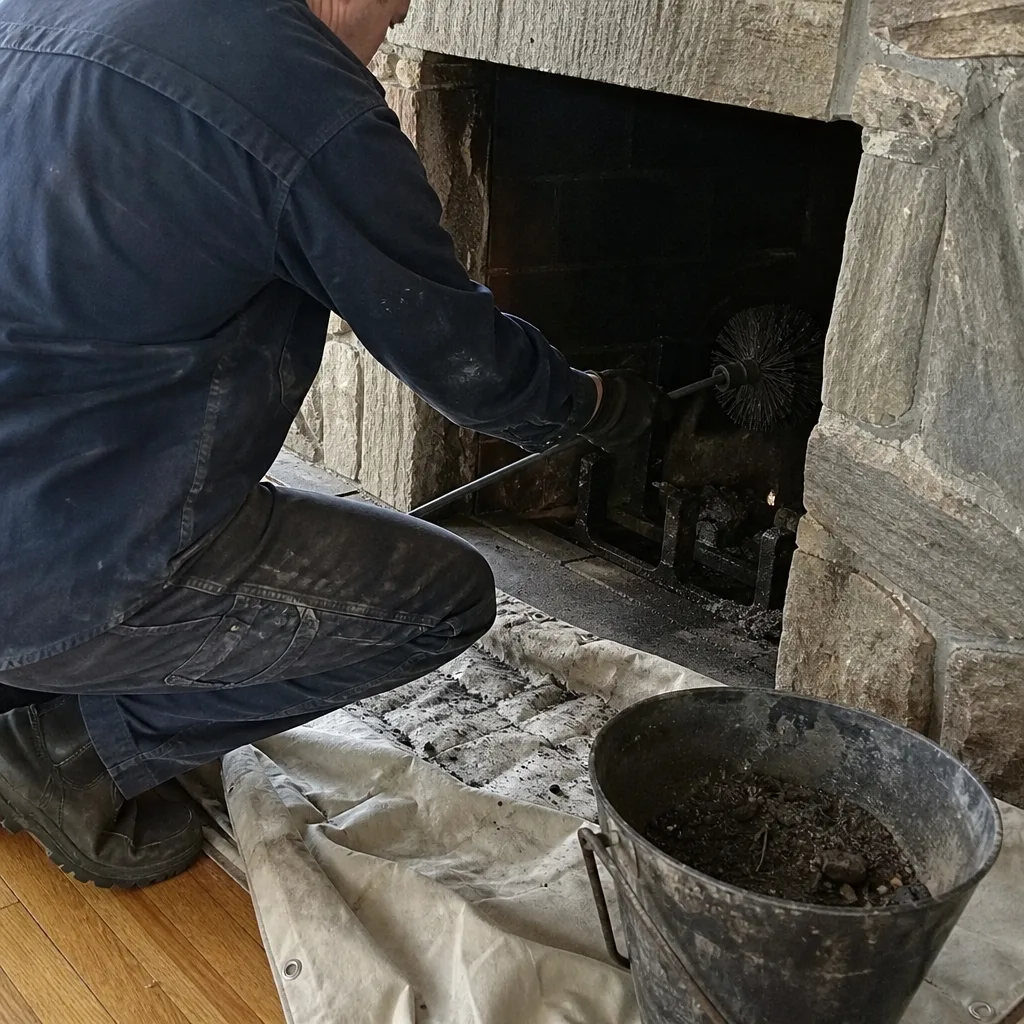
Chimney sweep logs do not sweep chimneys. They loosen some creosote - which then falls where a brush and vacuum still have to collect it.
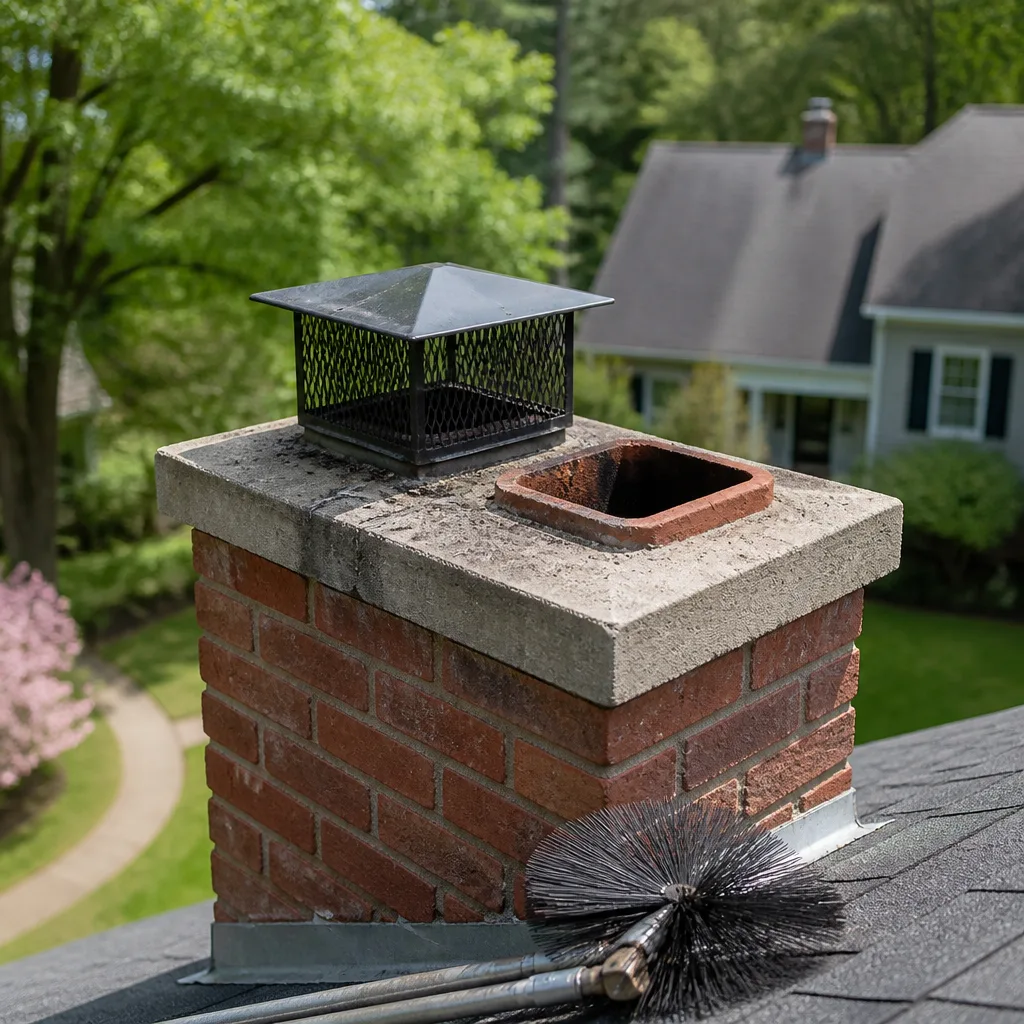
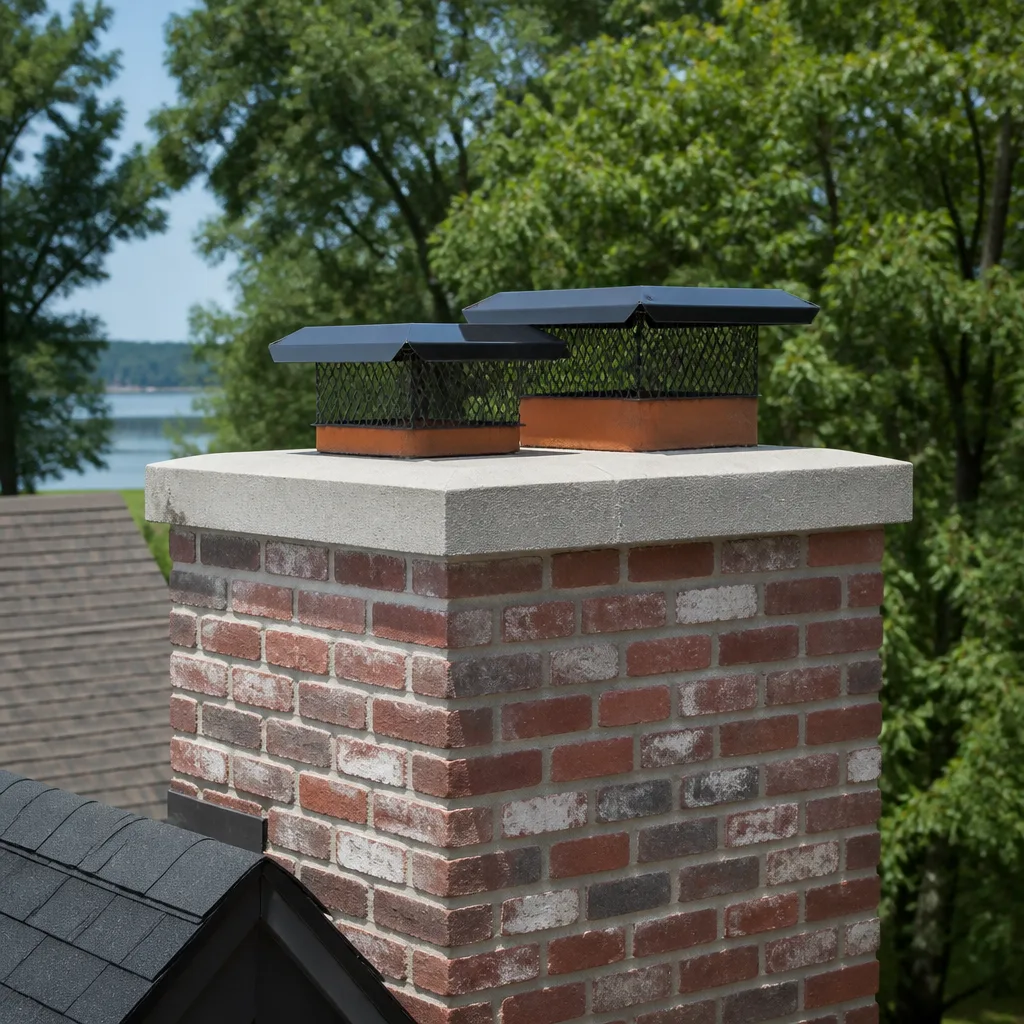
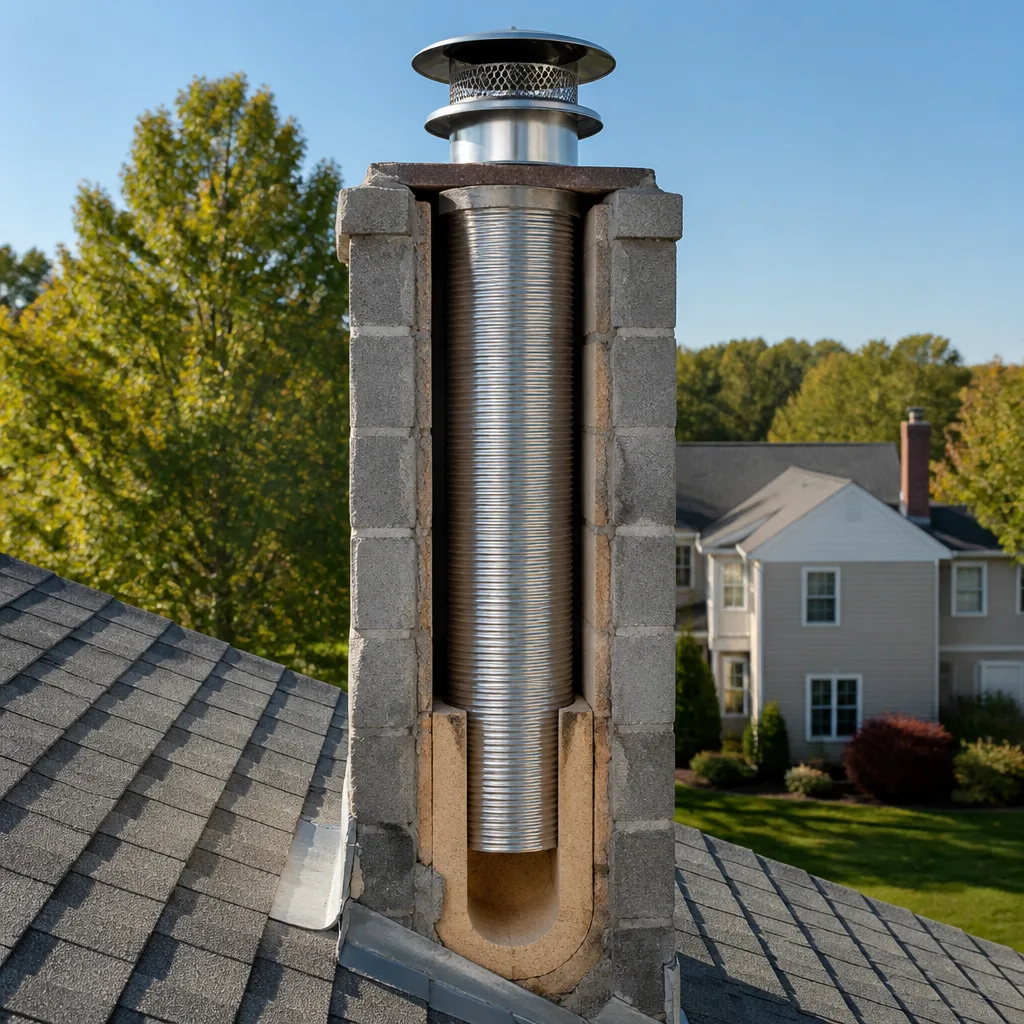
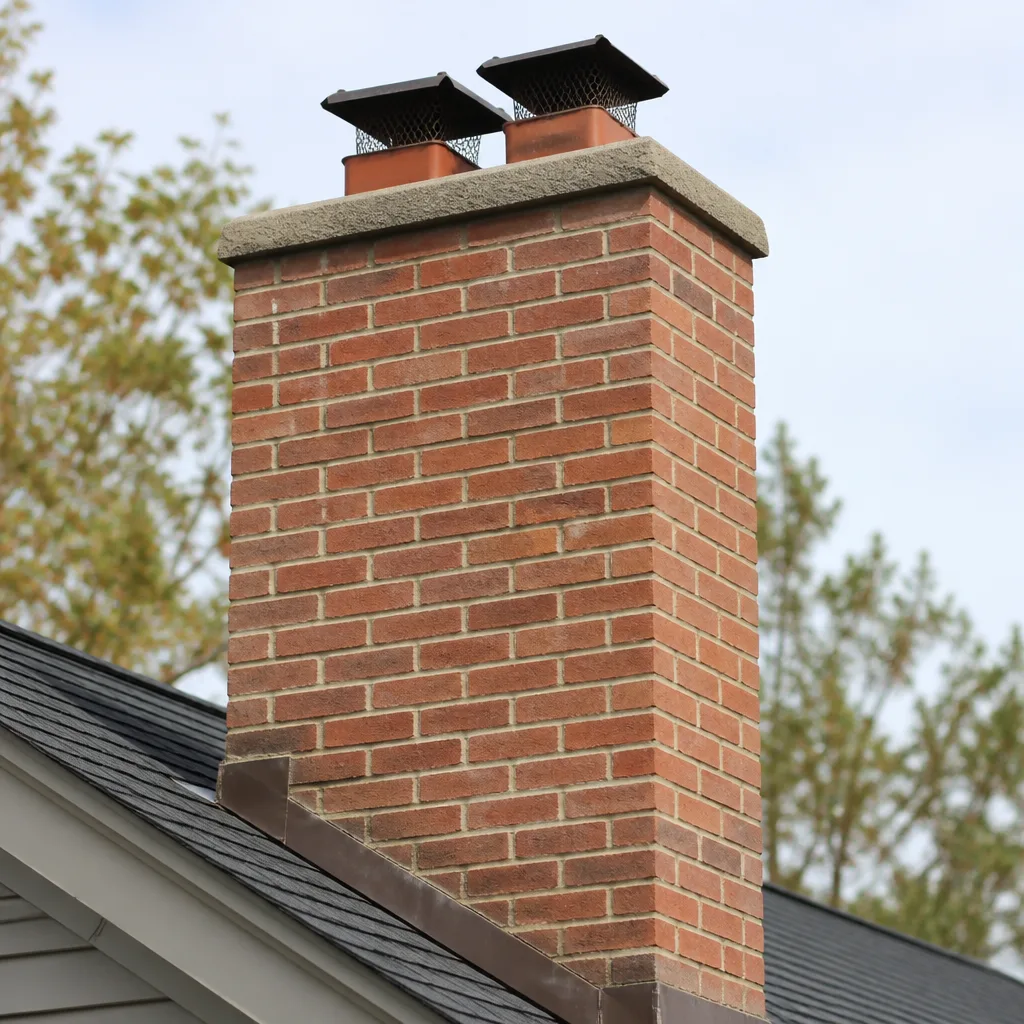
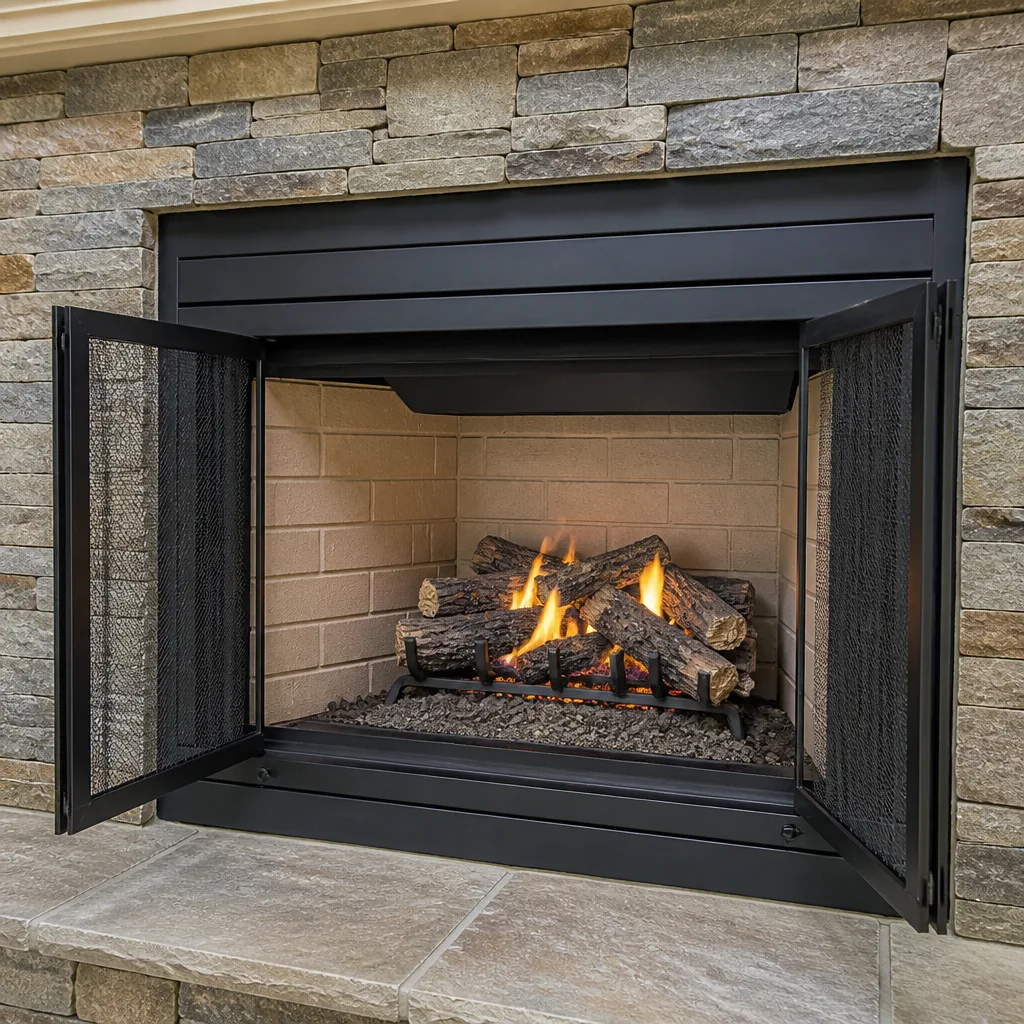
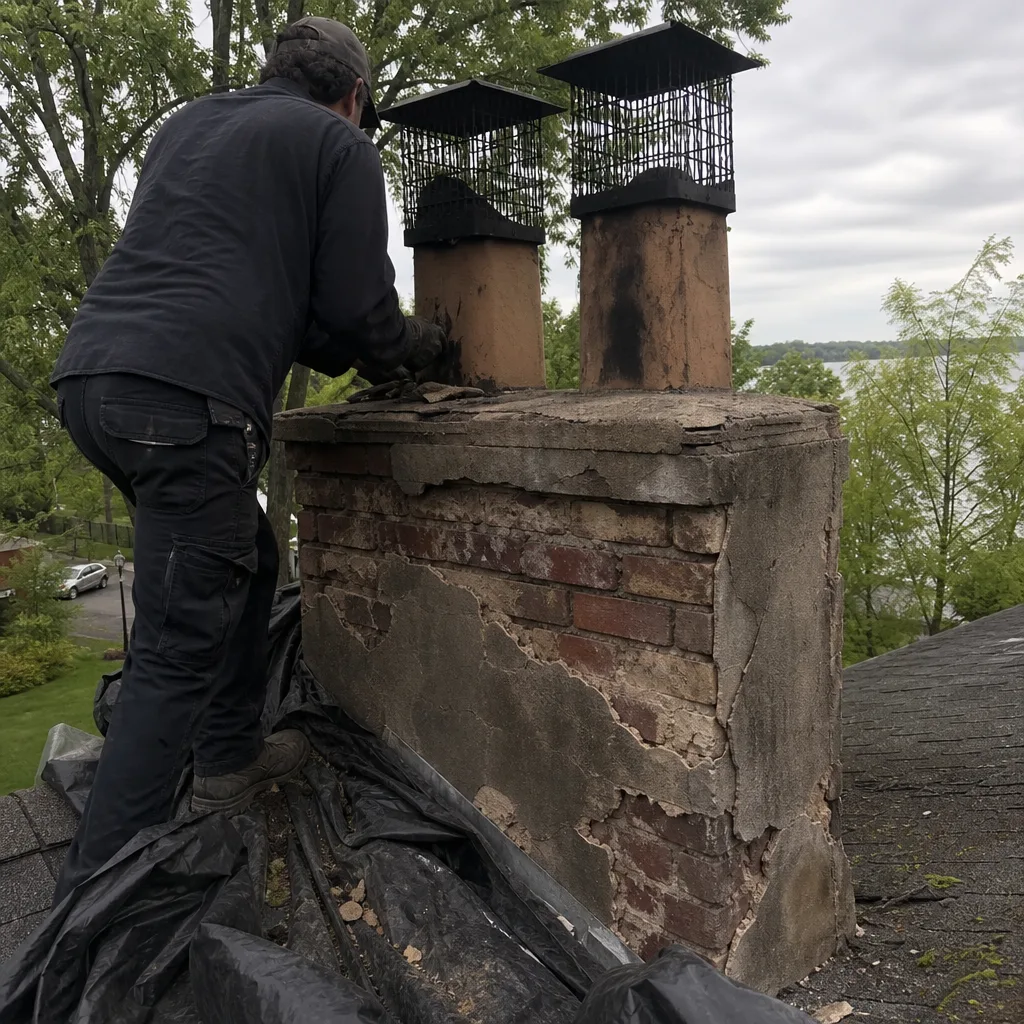 Before
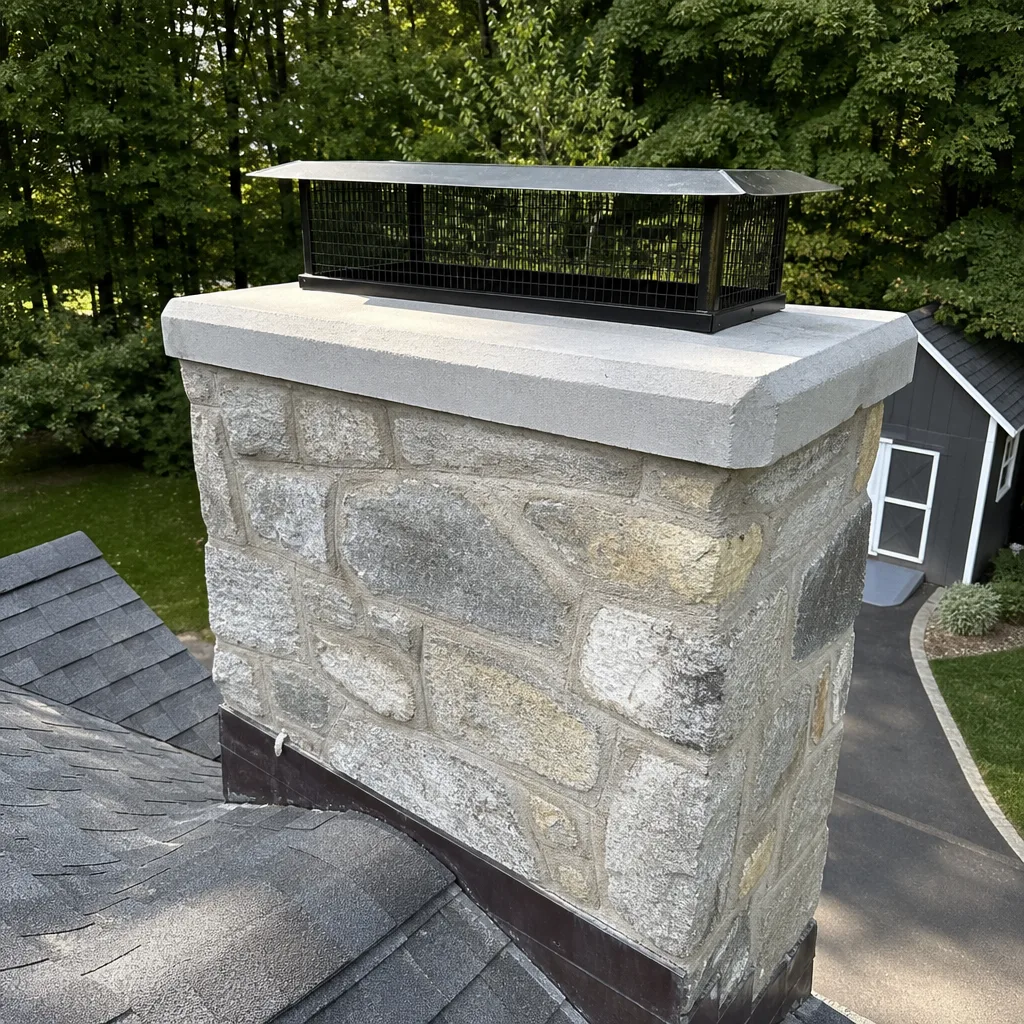 After
After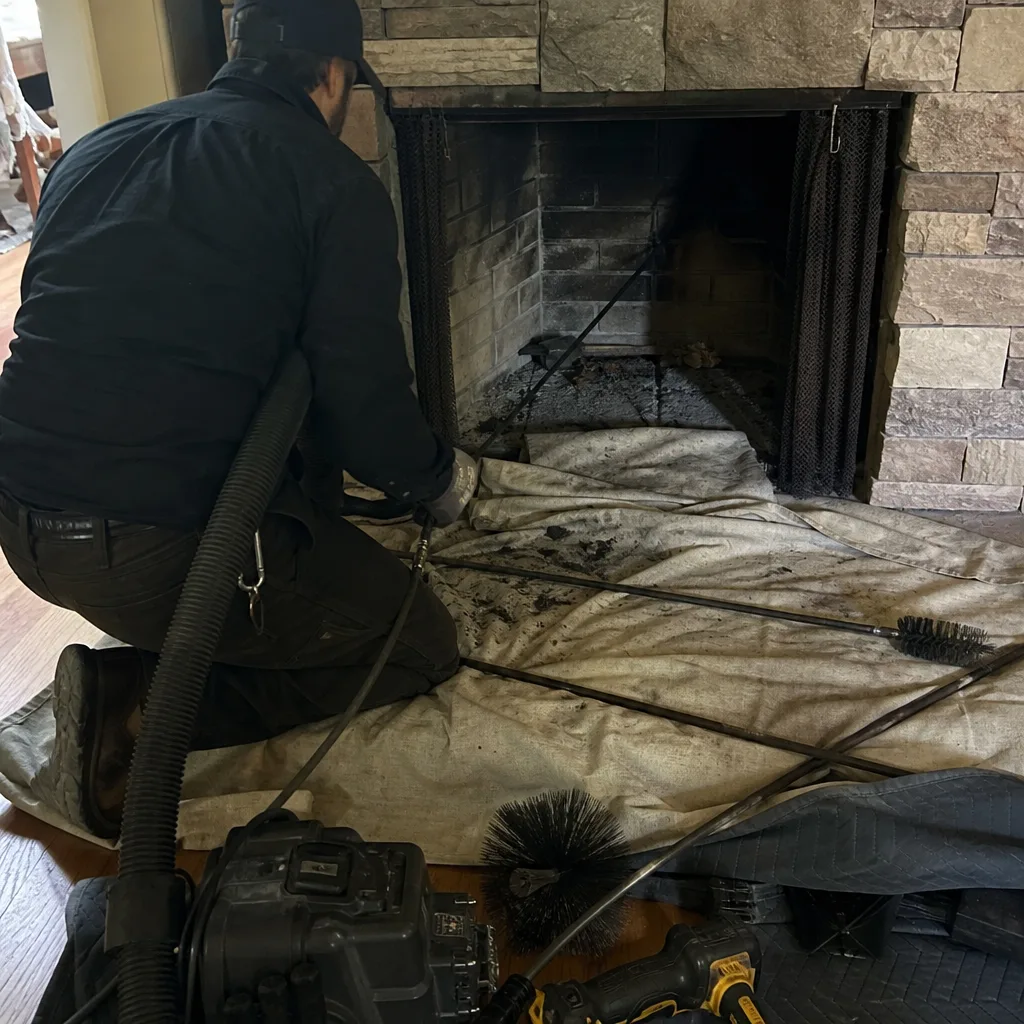 Before
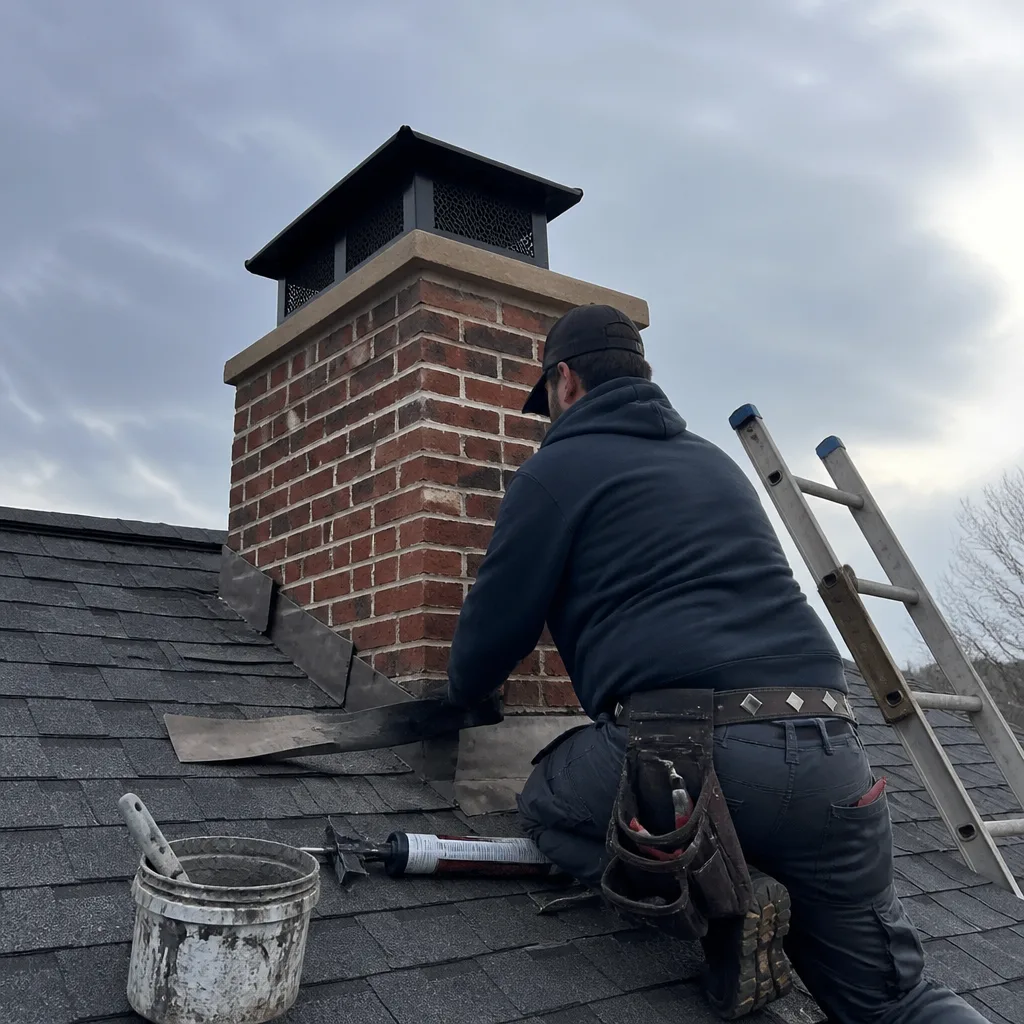 After
After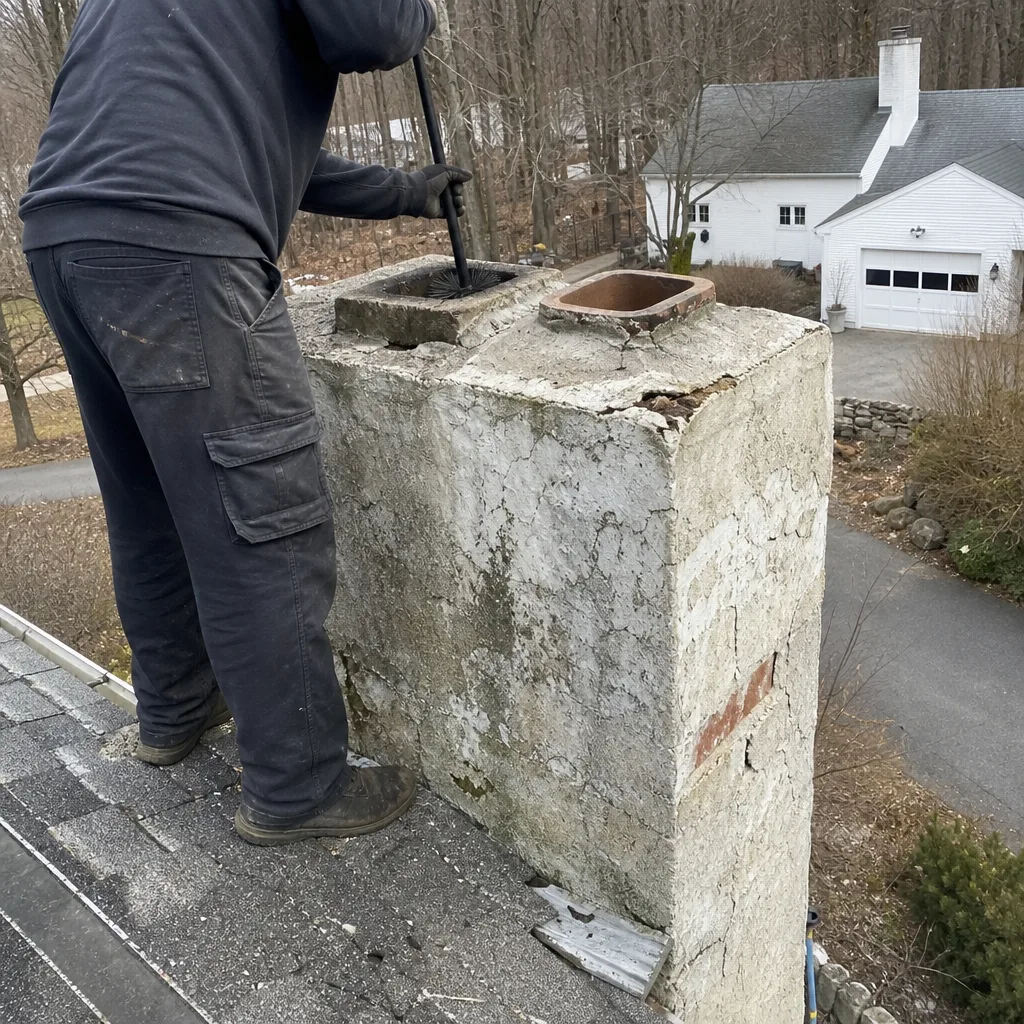 Before
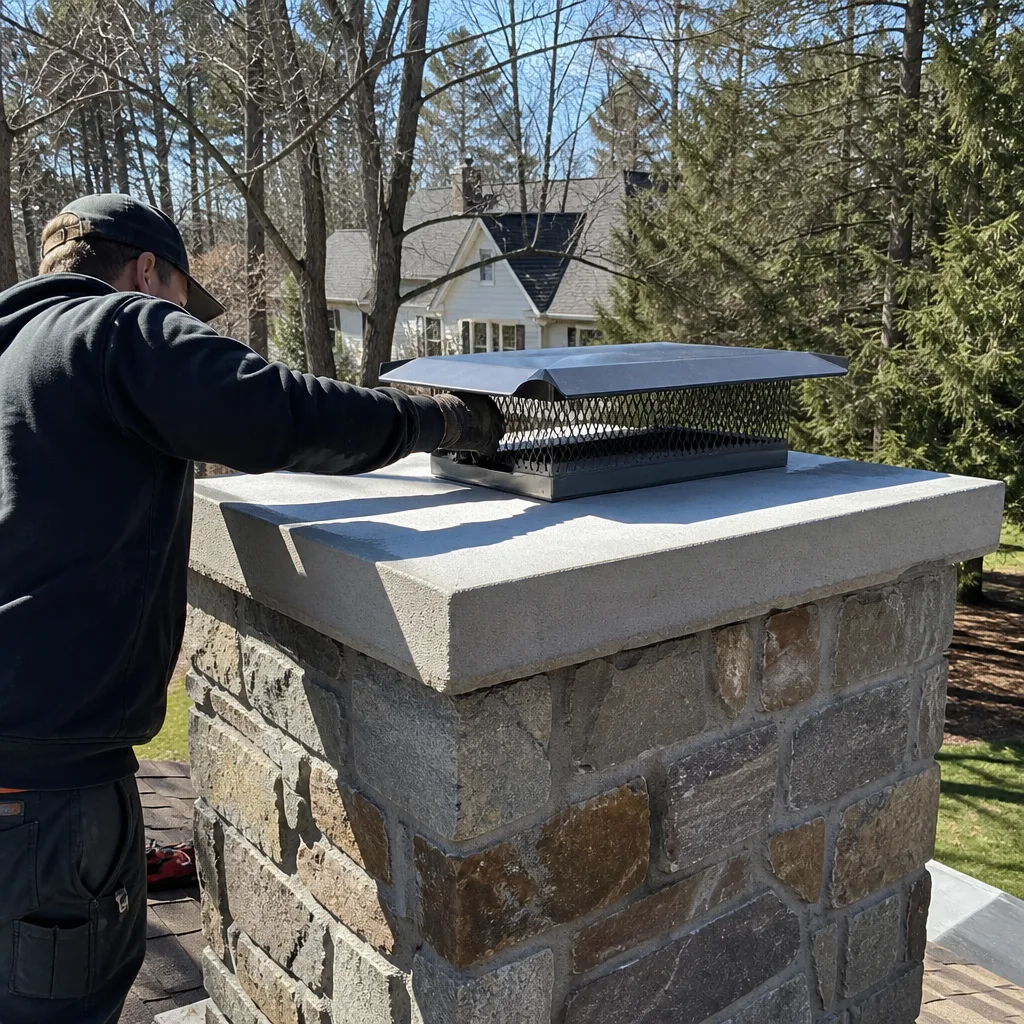 After
AfterChimney Cleaning Warning Signs: A Greenwich Homeowner’s Reference Guide
The white staining on a Greenwich brick chimney most homeowners assume is weathering is often efflorescence. That word is not decorative. It means water is moving through the masonry under pressure, and moisture is already inside the liner system, not just sitting on the surface. By the time a chimney tells you something is wrong in a way you can see from the lawn, the question is rarely whether work needs to be done. It is how much evidence you can get that tells you what work, and how soon. This guide walks through seven warning signs common in Greenwich chimneys, what each one actually indicates structurally, and the exact documentation a contractor should produce before you write a check. For The Complete Guide to Chimney Cleaning in Greenwich with more detail on maintenance schedules, see our dedicated resource. Our team has inspected and cleaned more than 38,000 chimneys in and around Fairfield County, and the patterns here repeat with enough consistency that we can rank them by urgency, not guesswork.
Quick Answer
The most common chimney warning signs in Greenwich are white staining on the exterior brick (efflorescence), flaking or popping brick faces (spalling), rust stains around the crown or cap, smoke entering the room during fires, a low rumbling sound while burning, white residue on the firebox floor, and a shiny tar-like glaze inside the flue. Each one points to a specific failure mode, from water infiltration to creosote buildup to liner cracking. A visual inspection alone cannot rule out the serious ones. You need a camera scan down the flue to see what is actually happening inside the liner.
Table of Contents
- 1. Efflorescence: The White Staining That Is Not Just Weathering
- 2. Spalling Brick: When Faces Pop Off, the Structure Is Already Compromised
- 3. Rust Stains at the Crown or Cap: Steel Reacting to Constant Moisture
- 4. Smoke Backdrafting Into the House: Negative Pressure or a Blocked Flue
- 5. Audible Rumbling During Fires: The Sound of Turbulent Draft
- 6. White Residue on the Firebox Floor: Flue Gas Condensation at Work
- 7. Visible Creosote Glaze: The Difference Between Soot and a Fire Hazard
- What Camera Evidence Should Look Like and Why a Visual Check Is Not Enough
- Greenwich-Specific Patterns: Old Masonry, Coastal Moisture, and What We See Most
- What to Do Between Calling and the Appointment: Shut It Down or Keep Burning
- Common Mistakes to Avoid
- When to Call a Professional
- Frequently Asked Questions
- The Bottom Line
BeforeAfter1. Efflorescence: The White Staining That Is Not Just Weathering
Efflorescence looks like chalky white streaks or a powdery film spreading across brick faces, usually most visible after rain or heavy humidity. It happens because water has entered the masonry, dissolved salts naturally present in brick, mortar, and concrete, and then moved back to the surface. When the water evaporates, the salts crystallize and leave the white deposit behind. The key word is entered. Efflorescence is not water sitting on the outside of the chimney. It is proof water has already been inside the masonry system.
In Greenwich, the freeze-thaw cycle makes this more than a cosmetic issue. Water inside brick that freezes expands by roughly 9 percent in volume. Repeated cycles push mortar joints apart and crack brick faces from the inside. If you see efflorescence on a Greenwich chimney, especially on a home built before 1980 along the Post Road corridor or in Cos Cob, Old Greenwich, and Byram where older masonry stock dominates, the likely entry points are a cracked crown, missing or failed cap, damaged flashing at the roofline, or absorbent brick that was never sealed. The white powder itself brushes off. The water movement behind it does not.
What to require as evidence: a contractor should be able to point to the specific water entry point, not just note that staining exists. That means photos of the crown surface from above, flashing inspection at the roofline, and a camera scan of the flue interior to check whether the water has reached the liner. Clause 4 of the Haven Standard requires a documented photo record on every job we perform, and that record is what lets you see the entry point with your own eyes before anyone quotes a repair.
2. Spalling Brick: When Faces Pop Off, the Structure Is Already Compromised
Spalling is the term for brick faces that crack, flake, or pop off entirely, leaving the softer inner core of the brick exposed. In Greenwich, we see it most on chimneys from the 1920s through the 1960s, especially in Riverside, Glenville, and the older sections of downtown where chimneys have been absorbing coastal moisture for fifty to a hundred years. Spalling is not a surface issue. It means the brick has absorbed water, the water has frozen and expanded, and the pressure has physically fractured the material. Once spalling begins, it accelerates, because the exposed inner brick absorbs water faster than the original fired face ever did.
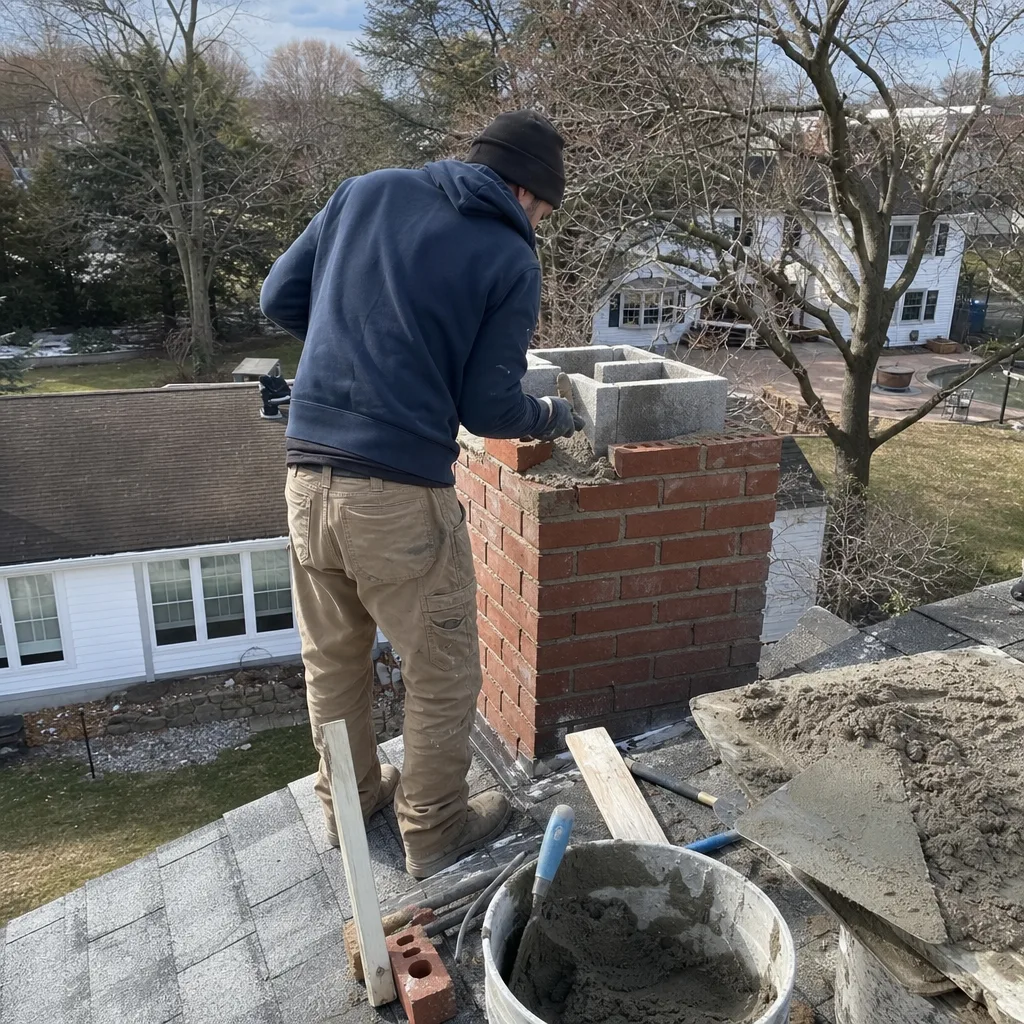
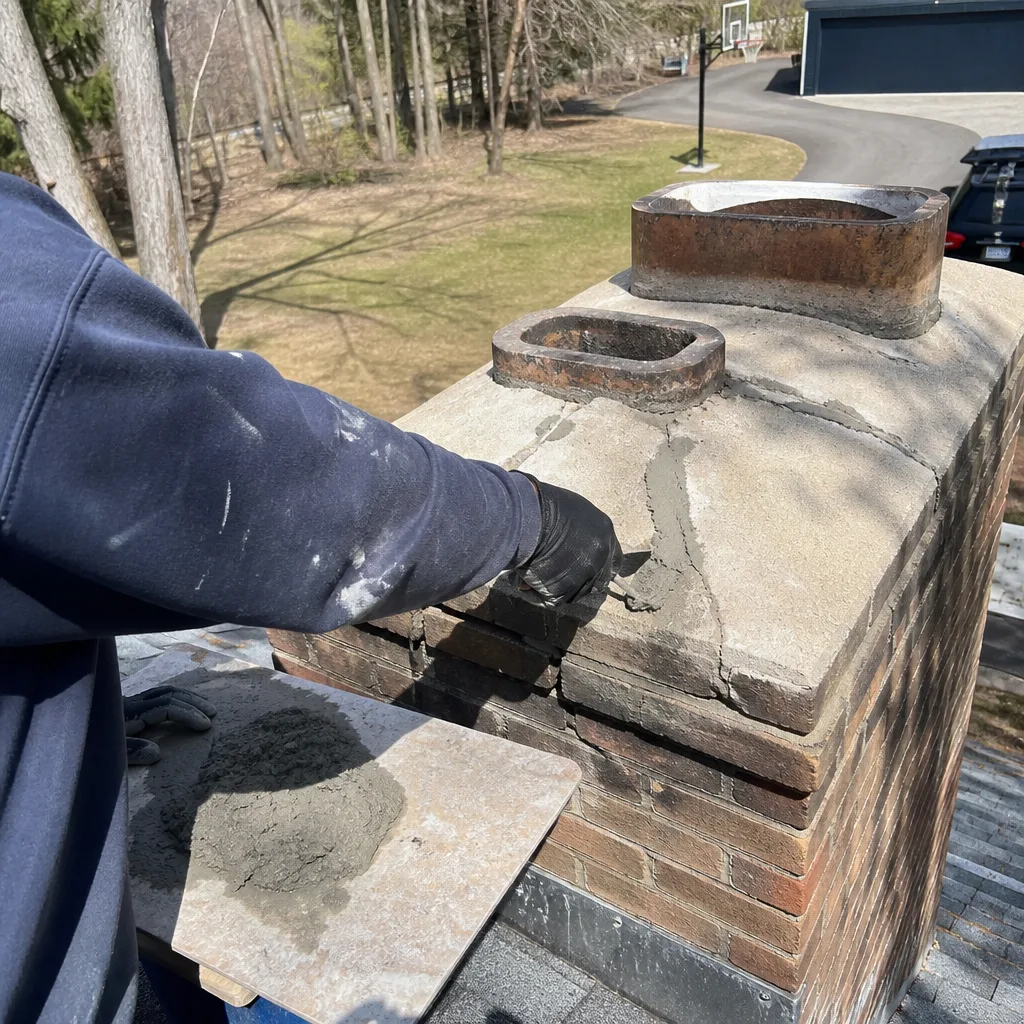
A spalling chimney is a structural problem before it is anything else. Weakened brick units cannot carry the same load. Sections of the chimney can become unstable, particularly near the crown where wind exposure is highest and where spalling tends to start. If it advances far enough, pieces of brick and mortar begin falling. The repair route depends on severity: isolated spalled brick can be cut out and replaced, patching the flashing and sealing the crown to prevent recurrence. Widespread spalling across multiple courses means the chimney likely needs partial or full rebuilding above the roofline.
What to require as evidence: photos at close range showing the depth of the loss, plus confirmation of whether the inner chimney structure behind the brick has been exposed, plus a measurement or count of how many courses are affected. A contractor who says water was the issue but cannot identify the entry point is selling a patch, not a fix. Our Chimney Repair in Greenwich work always starts with locating the water source before we touch a single brick. A rebuilt section that still lets water in fails the same way within a few seasons.
3. Rust Stains at the Crown or Cap: Steel Reacting to Constant Moisture
Rust streaks running down from the chimney cap or crown mean ferrous metal is corroding and the runoff is staining the masonry. The source is almost always one of three things: a steel or cast-iron cap that has lost its protective coating, exposed rebar inside a cracked concrete crown, or a steel liner top plate that is rusting through. In Greenwich, homes near the Sound get salt-laden air through much of the year, and that salt accelerates corrosion on metal components faster than inland Fairfield County. A chimney cap that would last twenty years in Danbury might fail in twelve in Old Greenwich or Belle Haven.
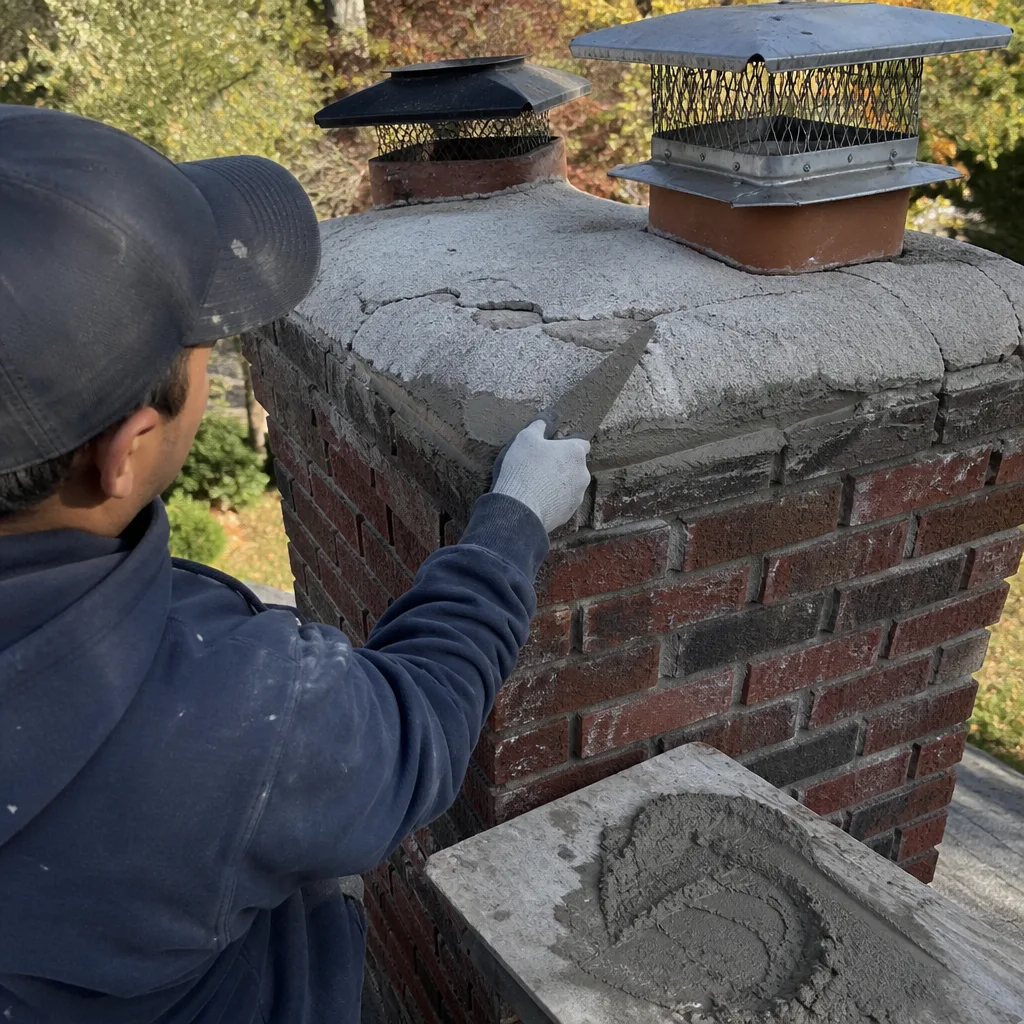
This one hides a bigger risk than the cosmetic stain suggests. If a liner top plate is rusting, moisture is running down the inside of the flue. If the rust is from crown rebar, the crown concrete is cracking from internal expansion as the steel corrodes, and water is finding its way through. Either way, rust at the top means water below. The fix starts with identifying which metal is failing. A stainless steel replacement cap installed correctly ends the cap issue permanently. Crown repair means removing loose concrete, sealing the cracks, and often applying a breathable crown coat. If the liner top plate is the source, that is a liner system question.
What to require as evidence: photos from above showing the cap condition, the crown surface, and the liner top plate, plus a close-up of the rust pattern so you can trace it back to its source. Materials matter here. We use caps and termination systems from Olympia Chimney and Copperfield because both make stainless steel units sized properly for the flue, not universal-fit caps that leave gaps where rain still finds its way in. A properly sized cap is a specific part, not a part number someone guessed at.
4. Smoke Backdrafting Into the House: Negative Pressure or a Blocked Flue
When smoke comes back into the room instead of up the flue, the chimney has lost its ability to establish draft. In Greenwich homes, two causes account for the overwhelming majority of cases. The first is a flue blocked by creosote buildup, nesting material, fallen brick, or a damaged liner whose walls have collapsed inward. The second is negative house pressure: exhaust fans, kitchen hoods, and in newer tightly-sealed construction, modern HVAC systems that pull hard enough to overcome the chimney’s natural draft. Homes built or renovated between 2015 and 2025 in Greenwich often have this issue because the envelope is tight, and the chimney was left out of the airflow equation.
This warning sign is one of the few where you should stop using the fireplace immediately. Backdrafting smoke means combustion gases that should be leaving the house are re-entering it, and that includes carbon monoxide. Even a mild, occasional wisp of smoke means the path is wrong. Intermittent smoke might be a pressure issue that appears only when the clothes dryer is running and the kitchen fan is on. Constant smoke means a physical obstruction or a serious liner failure.
What to require as evidence: a camera scan of the flue interior to check for blockage and liner condition, plus draft measurements taken at the firebox opening. A contractor who opens the damper and waves a flashlight up cannot see a block fifteen feet up, and cannot tell you whether the liner has an offset crack at the smoke chamber level. That is precisely the situation where camera documentation earns its cost. We introduced camera-scan documentation as our default inspection standard in 2009, years before most companies in Greenwich would even offer it, and the practice became Clause 4 of the Haven Standard because of what the footage reveals that eyes alone miss. Our Chimney Cleaning & Sweep in Greenwich visits include that camera scan and photo record every time, not as an upgrade.
5. Audible Rumbling During Fires: The Sound of Turbulent Draft
A low rumbling noise while the fire burns, sometimes described as a roar or a drumming sound, usually points to aerodynamic turbulence inside the flue. The flue is not moving air smoothly. The causes in Greenwich break down into a short list: the flue is oversized relative to the fireplace opening, the chimney terminates too close to a ridge line or rooftop obstruction that disturbs the air pattern, or a partial obstruction inside the flue, often a cracked liner tile or a large creosote accumulation, is creating an uneven surface that churns the gas flow. In older Greenwich homes where original fireplaces were built for coal, the flue sizing almost never matches the way the fireplace is used now.
The rumbling itself is more than a noise complaint. Turbulent draft means reduced efficiency, cooler flue gas that condenses more readily, and in some cases, back-puffing of smoke into the room on gusty days. It is also sometimes the first sign of a failing liner because the turbulent flow accelerates creosote deposition on rough or damaged liner walls. The first step is always a camera inspection to rule out the obstruction causes. If the liner is clear and the turbulence remains, the answer often lies in flue sizing or a termination cap that calms the airflow, not a chimney rebuild.
In our experience across 38,000 inspections, rumbling is the warning sign most often dismissed by homeowners because it does not look like anything. It is just sound. But sound is a measurable symptom of a physical condition, and the camera footage will show whether the condition is buildup, damage, or geometry. Whichever it turns out to be, you get a photo record, a written scope, and a written warranty before any work begins. That is standard, not an exception.
6. White Residue on the Firebox Floor: Flue Gas Condensation at Work
White or gray powdery residue settling on the firebox floor between fires is often mistaken for ash. It is not ash. Ash is soft, gray, and fluffy. This residue is usually crystalline and slightly crusty, and it comes from flue gas condensation. When the chimney does not heat up fast enough, or when the liner runs too cool because it is oversized or damp, the flue gases condense on the inner walls and run back down, carrying dissolved minerals and combustion byproducts with them. The residue is the dried evidence of what those gases left behind.
In Greenwich, this shows up most often in fireplaces that burn wet or unseasoned wood, in chimneys with uninsulated liners running up exterior walls, and in homes close enough to the Sound that flue moisture runs high year-round. The residue itself is not the danger, but the condensation process is, because whatever condenses also deposits creosote in a concentrated, acidic form that attacks liner surfaces faster than dry deposits. If the white residue appears consistently after every fire, the flue has a moisture or draft problem that needs diagnosis, not just a cleaning.
What to require as evidence: camera photos of the flue walls showing where condensation tracking is occurring, plus a moisture reading where relevant. The fix might be as simple as different burning practices and a properly sized liner, or as involved as relining an interior masonry chimney with a stainless steel system from DuraFlex. The photo record tells you which one you are actually looking at. Our team quotes every option in writing before work begins, with the price, scope, and warranty all delivered upfront, because a written price before any work starts is the entire point of how we operate.
7. Visible Creosote Glaze: The Difference Between Soot and a Fire Hazard
Creosote forms in three classes. Class I is a fine, dusty soot that brushes off easily. Class II is a flaky, granular deposit that accumulates in ridges and requires mechanical removal. Class III is the dangerous one: a dense, shiny, tar-like glaze that coats the flue interior and resists brushing. If you look up your flue with a flashlight, which you can do safely from the firebox with the damper open, Class III looks like hardened black glass. In Greenwich, we find Class III glaze most often in chimneys that have burned a lot of pine and other soft woods, or where fires are burned low and slow, which keeps flue temperatures down and deposits concentrated. Older homes in Cos Cob and backcountry Greenwich with original chimneys see it more frequently because their flues were sized for coal and run too cool for wood.
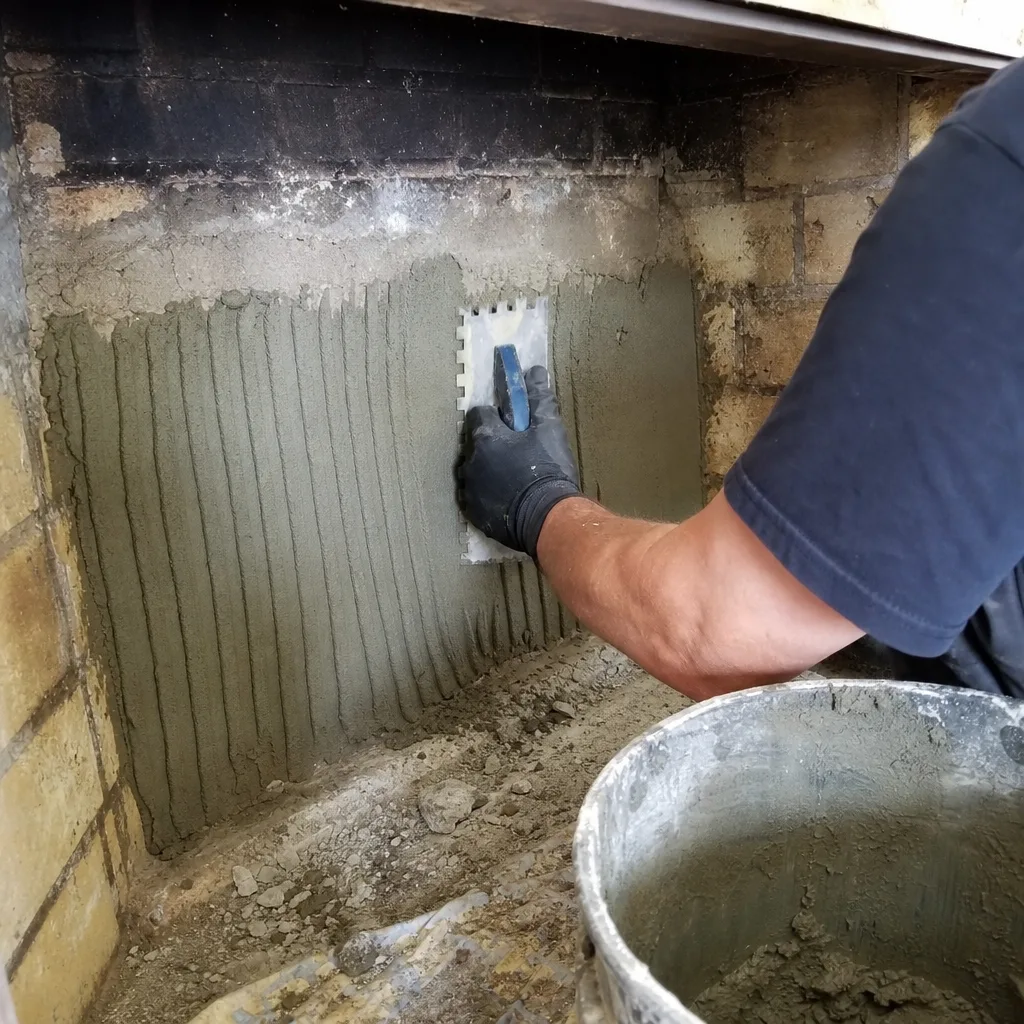
Class III creosote is a fuel load. It ignites at high temperature, and when it does, it burns inside the flue as a chimney fire. Chimney fires can crack clay tile liners, warp steel liners, and transfer heat through the masonry into the home’s framing. The glaze cannot be removed with standard brushing alone. It requires chemical treatment, rotary cleaning with a chain system, or in severe cases, liner replacement depending on the damage found. This is also the warning sign most commonly discovered only after someone has burned for years without an inspection, which is exactly the situation where a chimney fire is no longer a hypothetical.
What to require as evidence: a camera scan showing the glazed sections before removal, plus a second scan after cleaning to show the flue is clear. If the glaze has cracked a liner tile, that crack should be visible in the footage and documented in the photo report. We use the same standard every time: the camera goes down, the photos come back, and you see what we saw. That practice has been continuous since 2009 and is written into Clause 4 of the Haven Standard. You cannot make an informed decision about liner work from a verbal description. The footage either shows the crack or it does not.
What Camera Evidence Should Look Like and Why a Visual Check Is Not Enough
A visual chimney inspection from the hearth or the roof can tell you the flue looks dark, the cap is rusty, or the crown has a crack. It cannot tell you whether the clay liner tiles are offset at the third joint, whether there is a cracked flue tile behind the smoke chamber, or whether the liner has separated entirely behind a section of masonry that looks fine from outside. Those findings sit inside the flue, out of sight, and they are the findings that determine whether you are looking at a $300 cleaning or a $7,000 liner replacement. In Greenwich, where a significant portion of the housing stock predates 1960, internal liner damage is common enough that our default position is always to scan, not to assume.
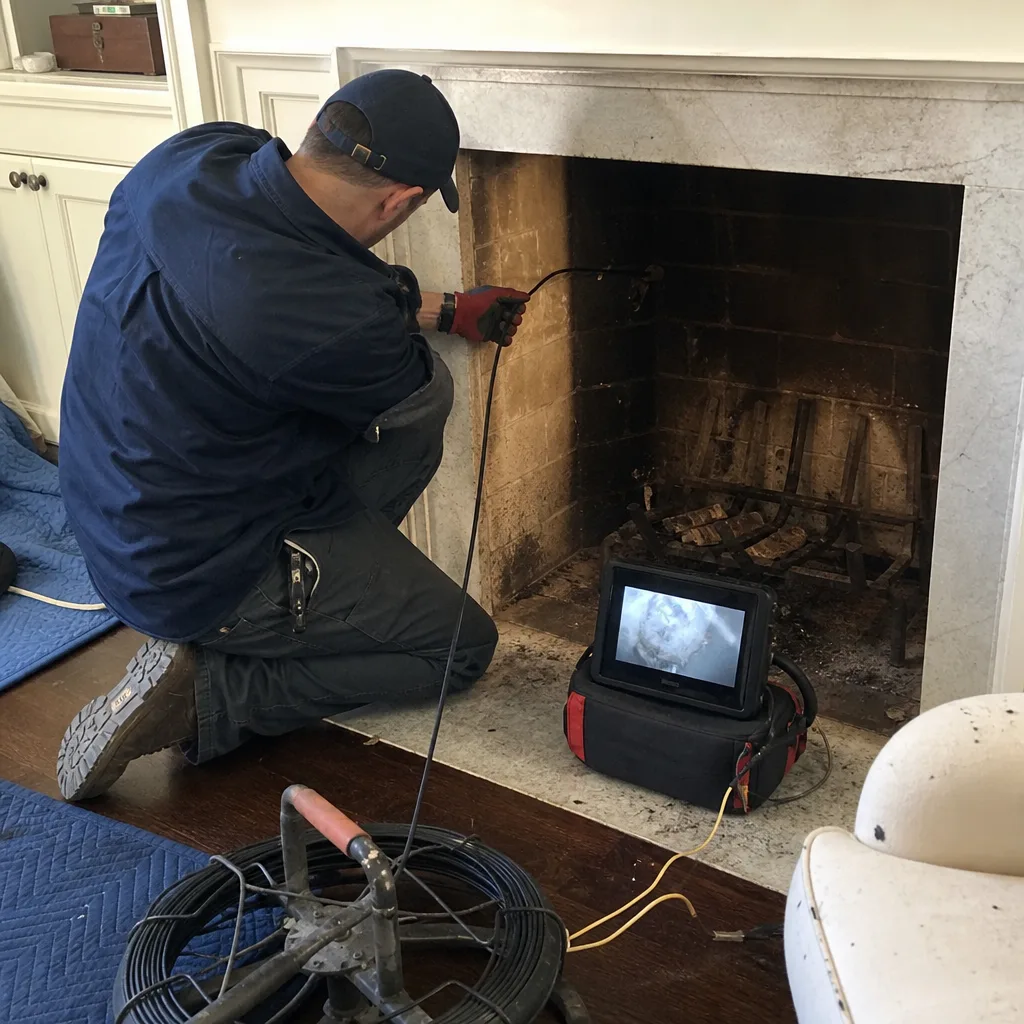
A proper camera inspection produces a set of dated photos that show the flue from termination to firebox, including the smoke chamber and the area just above the firebox where mortar damage concentrates. The photos should let you see the liner surface quality, any cracks, gaps, or offsets, creosote classification if present, and the condition of the smoke chamber walls. That photo record is what separates a defensible diagnosis from a guess. We made camera-scan documentation our default in 2009, years before insurers or regulators in Connecticut started asking for it as evidence of due diligence, and the practice became Clause 4 of the Haven Standard because the footage changed outcomes for our customers.
The value of that evidence is simple. If you are told the liner needs replacement, the photo shows the crack or gap. If you are told the chimney just needs sweeping, the before-and-after scans confirm the flue is clear. If you are told nothing is wrong, the record proves it. There is no version of that transaction where you should be asked to take the statement on faith. Our Level Two Chimney Greenwich home service includes that camera scan and photo record as standard on every visit, not as an optional inspection tier.
Greenwich-Specific Patterns: Old Masonry, Coastal Moisture, and What We See Most
Greenwich is not one building stock. It is at least three, and each one fails differently. The oldest homes, concentrated in Cos Cob, Old Greenwich, and the historic sections of downtown, were built between 1890 and 1940 and almost always have masonry chimneys with original clay tile liners, many of which are now cracked, spalled, or missing mortar at the joints. Moisture exposure in these coastal zones has been working on the brick and mortar for decades. Efflorescence, spalling, and internal liner deterioration are the dominant failure patterns, and liner replacement is common because the original tile has simply reached its end of service life.
Mid-century homes, particularly the ranches and split-levels built through the 1950s and 1960s in Glenville, Byram, and parts of Pemberwick, have a different signature. Construction standards around flashing and crowns were variable, and we see rust staining, crown cracks, and water intrusion at the roofline more often than liner failure. These chimneys often have shallow caps and uninsulated liners that run cool and condense moisture, which is where the white firebox residue appears. The fix is frequently a new crown, a properly sized stainless cap, and correct flashing, not a rebuild.
Newer homes, especially those built or renovated since 2015, present the third pattern. The masonry is often in good condition. The problems are functional: tight building envelopes that create negative pressure and backdrafting, chimney caps that were builder-grade and undersized, and prefabricated fireplaces whose venting was never integrated properly with the home’s airflow. In these houses, rumbling, smoke backdrafting, and white residue during fires are the warning signs that show up first. Each Greenwich neighborhood has its own most-likely failure mode, which is why a reference guide written for a homeowner in Stamford or Rye does not fully translate. The moisture load is different, the housing stock is different, and the way the chimneys fail is different.
What to Do Between Calling and the Appointment: Shut It Down or Keep Burning
Not every warning sign means you need to stop using the fireplace the moment you notice it. But some do. Here is the practical breakdown we give Greenwich homeowners who call and ask what they should do while they wait for the visit.
- Stop using the fireplace immediately if you see smoke backdrafting into the room, hear a rumbling sound that changes or intensifies with the fire, smell burning that is not just the wood you loaded, or notice any visible cracks in the firebox brick or liner pieces falling into the firebox. These signs all point to possible flue blockage, liner failure, or combustion gas entering the living space. Call (516) 399-5497 and get on the schedule. The risk here is not just a dirty chimney. It is carbon monoxide and structural fire.
- Continue using the fireplace with monitoring if you see efflorescence on the exterior brick, rust stains on the cap, white residue on the firebox floor, or a creosote glaze that you noticed only by looking up with a flashlight. These are all problems that need professional attention, but they are not emergencies that require immediate shutdown. Burn well-seasoned hardwood only, keep a window cracked to help draft, and do not leave the fire unattended.
- Do not attempt to clean the flue yourself, even if the creosote glaze is clearly visible. Creosote removal in a flue requires trained work, and accessing the termination means working at height with tools and a ladder. The chimney is also the path for combustion gases that can overcome a person working inside it. We handle this with trained, uniformed, background-checked technicians who arrive with the license information displayed and a name you can call to confirm. Chimney cleaning is not a hobby task.
- Document what you are seeing before the visit if you can safely do so. Take photos of the exterior staining, the rust streaks, the residue in the firebox. Write down when the smoke backdrafted and what else was running in the house at the time. That record becomes useful context for the technician and helps you evaluate whether the diagnosis they give matches the conditions you captured.
Common Mistakes to Avoid
- Brushing efflorescence off and assuming the problem is resolved. The white powder comes back because the water source remains. If you clean the surface and do not fix the crown, flashing, or cap that let the water in, the efflorescence returns and the masonry continues degrading behind it.
- Accepting a visual-only inspection as sufficient. A flashlight look up the flue cannot see a cracked liner tile at the third joint or an offset behind the smoke chamber. In Greenwich’s older masonry stock, those findings are precisely what the camera scan exists to catch. Ask for the footage, not the summary.
- Burning unseasoned wood after a cleaning. Green wood lowers flue temperatures, increases creosote formation, and undoes the work done by the sweep. In coastal Greenwich, the moisture content of the air already makes flue conditions wetter than inland. Wet wood makes it worse and accelerates the re-deposit cycle.
- Treating the chimney as a separate system from the house. In newer tight-envelope Greenwich homes, the chimney draft and the house’s exhaust fans are competing for the same air. A backdrafting problem is sometimes solved by adjusting the house pressure, not the chimney. A contractor who never asks about your dryer, kitchen fan, or HVAC is missing half the equation.
- Choosing a liner or cap based on the lowest price without checking the specification. A universal-fit cap leaves gaps that let rain through, and a liner that is not properly sized for the appliance creates the same condensing, low-draft conditions that caused the original failure. The materials we source from DuraFlex, Olympia Chimney, and Copperfield are specified per chimney, not one-size-fits-all.
- Waiting until the fire burns poorly before calling. Most of the warning signs in this guide are visible or audible long before the fire itself starts to struggle. If you act when the efflorescence or the rumbling first appears, the repair is smaller, the cost is lower, and the chimney is never out of service when you actually want a fire. We also offer a Free Second Opinion on any written estimate, so if another company has quoted you something that does not match what you are seeing, bring us the quote and we will review it.
- Skipping the post-repair documentation. When the work is done, you should have a written warranty, a written scope of what was performed, and a photo record of the finished condition. That is the standard we set under the Haven Standard, specifically Clause 1 which requires a written price, written scope, and written warranty delivered before anyone starts. If a contractor finishes and leaves no paper trail, you have no way to hold anyone accountable.
When to Call a Professional
Call when any of the warning signs in this guide is persistent rather than a one-time event you can attribute to weather or fuel. Call before the burning season starts if your chimney has not been inspected in more than a year, particularly if your home sits in one of Greenwich’s older coastal neighborhoods where moisture exposure is constant. Call immediately if you see smoke backdrafting, hear a rumbling you cannot explain, or find pieces of liner material in the firebox. And call if another contractor has quoted you work but you have not seen the photos that justify it. Fireplace Services in Greenwich from Level Two Chimney Greenwich include a camera scan, a documented photo record, and a written price delivered before any work begins. We work under the Haven Standard and back every job with our 365-Day Done Right Promise, which means if it is not done right, we make it right. Call (516) 399-5497 for a free estimate in Greenwich.
Frequently Asked Questions
A standard chimney cleaning and camera-scan inspection in Greenwich typically runs between $189 and $350, depending on the height of the flue, the accessibility of the roof, and the condition found. Level Two Chimney Greenwich provides a written price before any work begins, so the price you are quoted is the price you pay, with no upcharges after the fact. Call (516) 399-5497 for an exact quote for your chimney. Estimates are free and there is no obligation.
You need a new liner if the existing one is cracked, offset, spalling, or missing sections, and those conditions should be visible in the camera scan photos. A liner in good condition does not need replacement just because it is old, and no reputable contractor should recommend liner work without showing you the footage that proves it. If you have been quoted a liner replacement, get the photos, and if you want a second look, we offer a Free Second Opinion on any written estimate.
The National Fire Protection Association recommends an annual inspection and cleaning as needed, and that guidance is sound for Greenwich because our coastal moisture promotes creosote formation even in chimneys that see moderate use. If you burn more than three cords of wood in a season, schedule an additional mid-season check. If the chimney sits unused for a full year, have it inspected before the first fire of the next season. The annual cadence is less about how dirty the flue is and more about catching the water and liner damage before it becomes structural.
If the chimney has no water intrusion, a clean flue, and an intact liner, skipping a year of maintenance often has no consequences. The problem is that you cannot know those conditions exist without an inspection, and most of the expensive repairs we see in Greenwich are the result of water or creosote problems that went unaddressed for several seasons. The $200 sweep you skipped becomes the $6,000 liner replacement or the $2,500 crown rebuild. The camera scan is the difference between reasonable deferral and hidden damage.
Yes. A Level 2 inspection, which includes a camera scan of the flue interior, is the minimum standard for a real estate transaction where the chimney has changed hands, or where a new appliance is being connected. Most Greenwich home inspectors are not chimney specialists and will not run a camera, which means significant liner or smoke chamber damage is routinely missed. Our Fireplace Services in Greenwich include a camera-scan inspection that satisfies the Level 2 standard, and we provide the photo record for your files at closing.
A working chimney cap keeps rain out of the flue, blocks animals and nesting material, and has a spark arrestor that meets code. If you see water staining inside the firebox after rain, rust staining down the crown, or nesting debris falling into the fireplace, the cap is failing or missing. The cap should be stainless steel and sized to the flue, not a universal-fit unit with gaps. We source caps from Olympia Chimney and Copperfield to match each flue properly. Call (516) 399-5497 for a chimney cap evaluation. Estimates are free.
The Bottom Line
Every warning sign a chimney gives before failure is visible or measurable. Efflorescence tells you water has entered the masonry, spalling tells you the freeze-thaw cycle has begun breaking brick, and rust tells you a metal component is corroding. Backdrafting and rumbling tell you the airflow is wrong, and white residue and creosote glaze tell you the flue chemistry is off. The disconnect is that most Greenwich homeowners have never been shown what these signs mean, so they read them as cosmetic until the repair becomes structural. A camera scan turns each symptom into evidence, and evidence is what lets you make a defensible decision about your chimney. Get the sweep, get the photos, get the written price before work starts, and keep a record. We have built our entire service in Greenwich around that documentation, and we would not have it any other way.
Written by Corrine Halstead, Owner at Level Two Chimney Greenwich, serving Greenwich since 2009.