
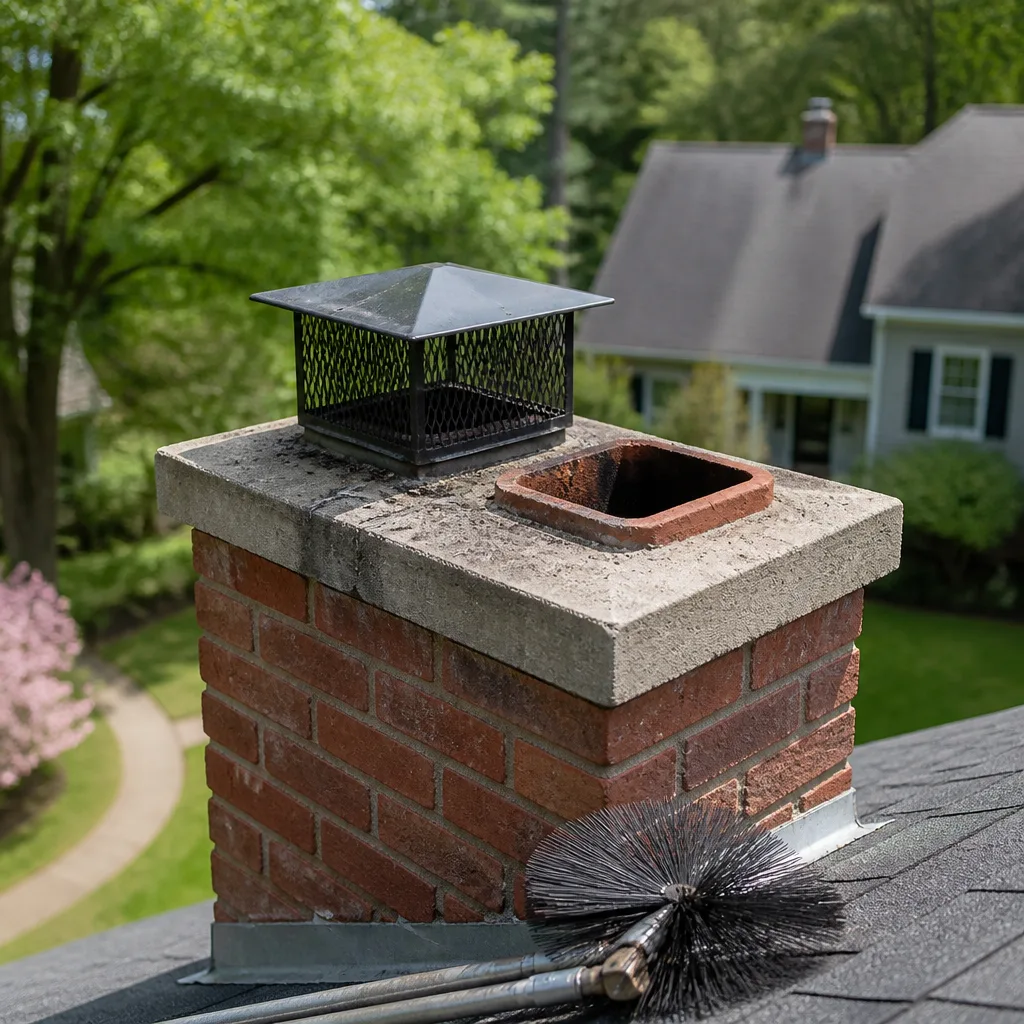
Level 1 sweep and inspection to the NFPA 211 annual standard - flue, crown, cap, and flashing checked and photographed
Chimney sweep logs do not sweep chimneys. They loosen some creosote - which then falls where a brush and vacuum still have to collect it.
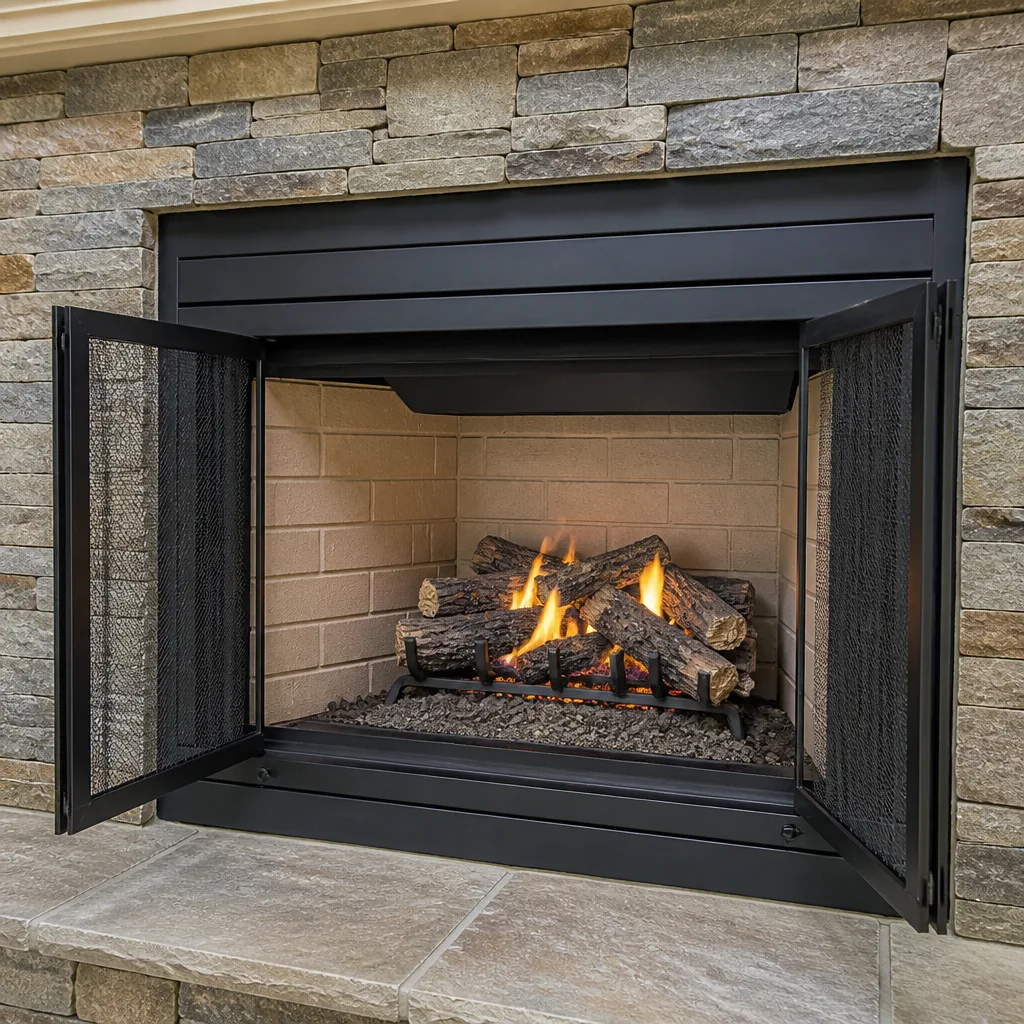
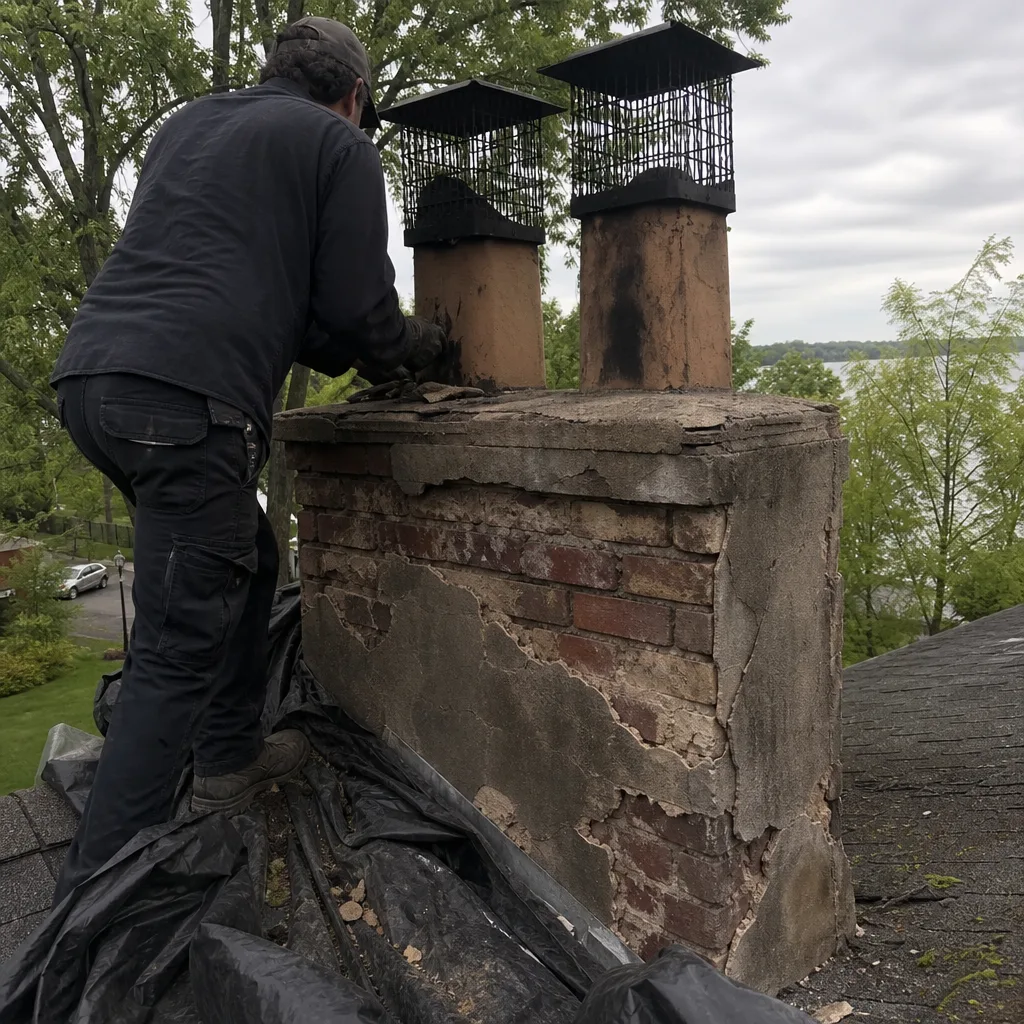 Before
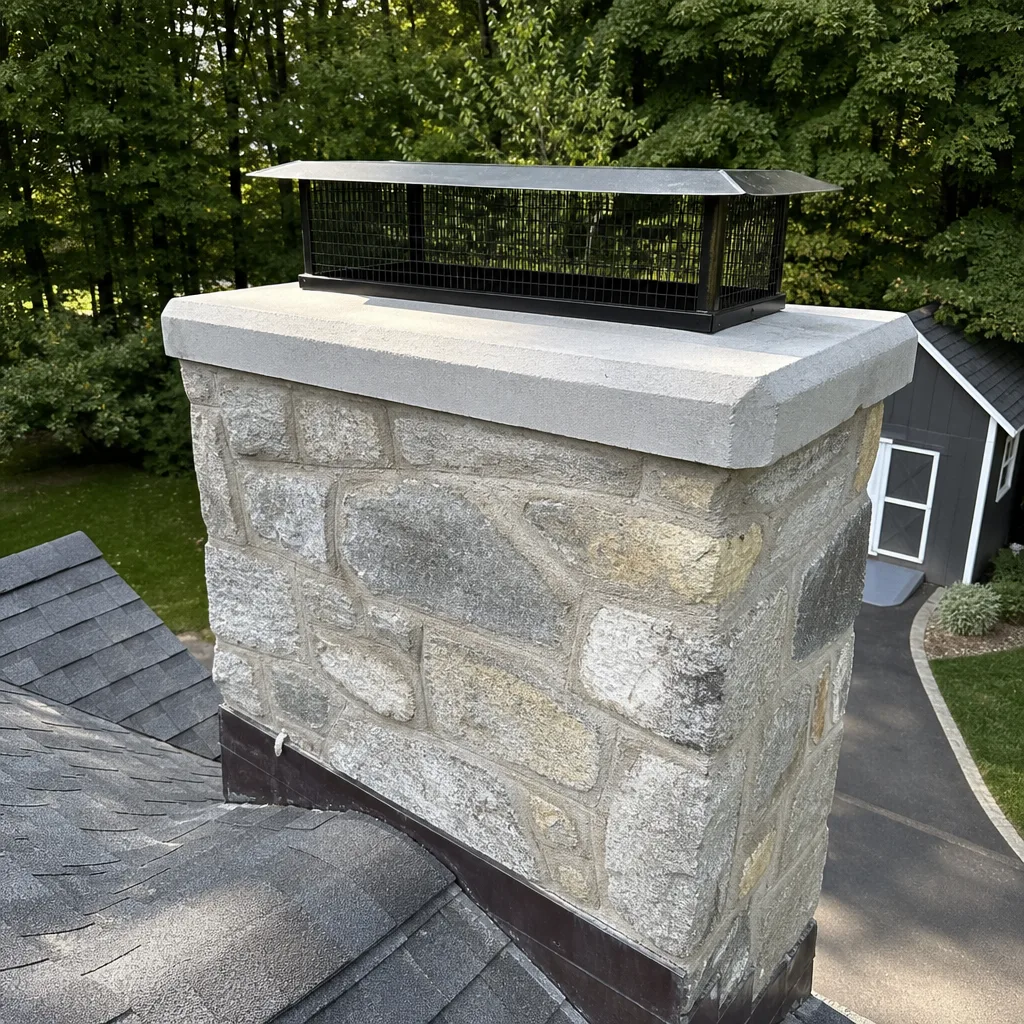 After
After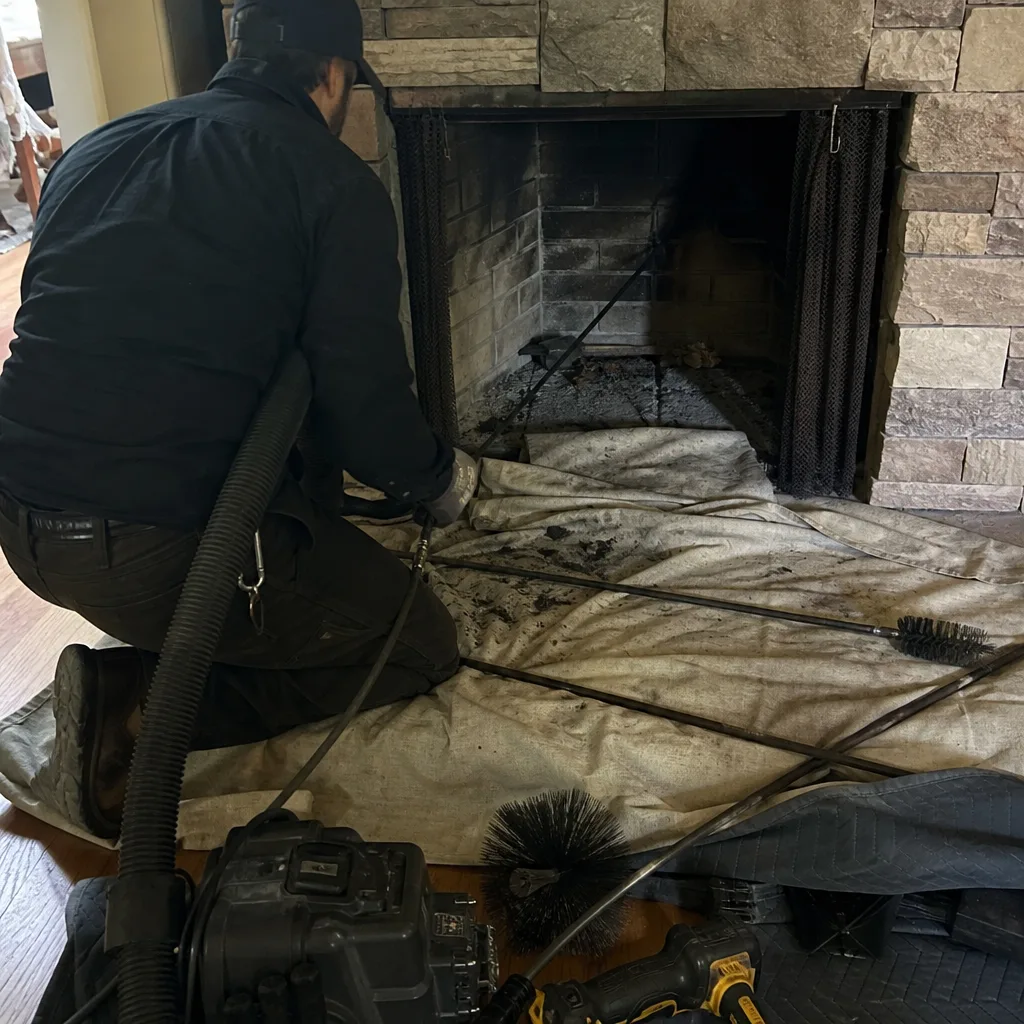 Before
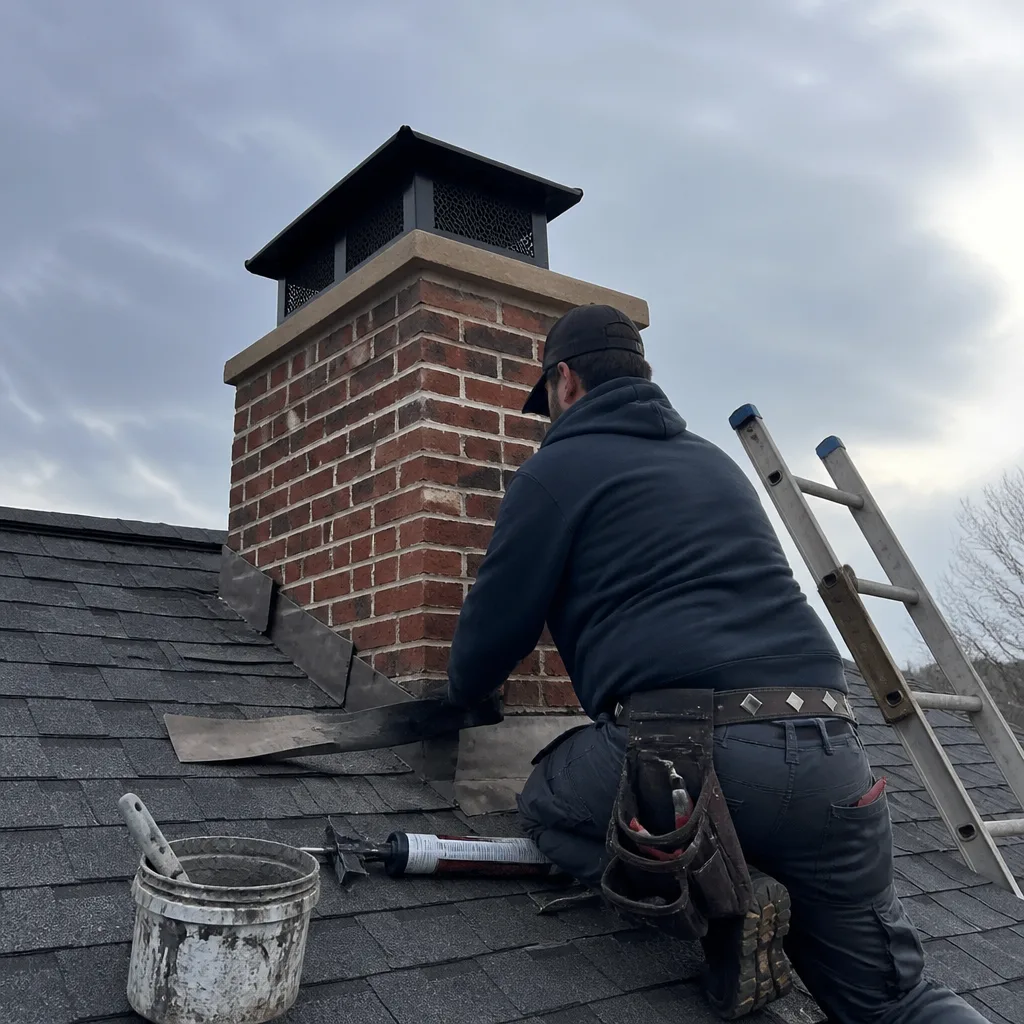 After
After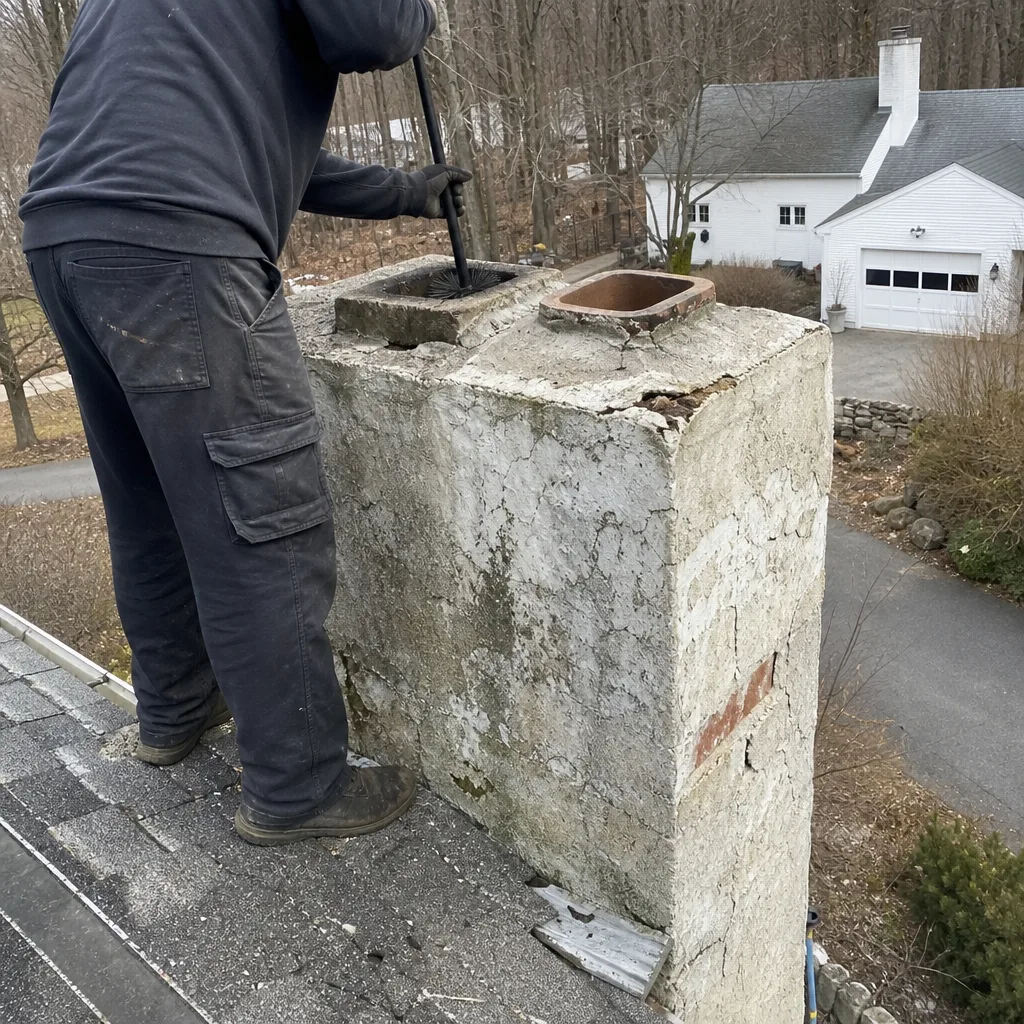 Before
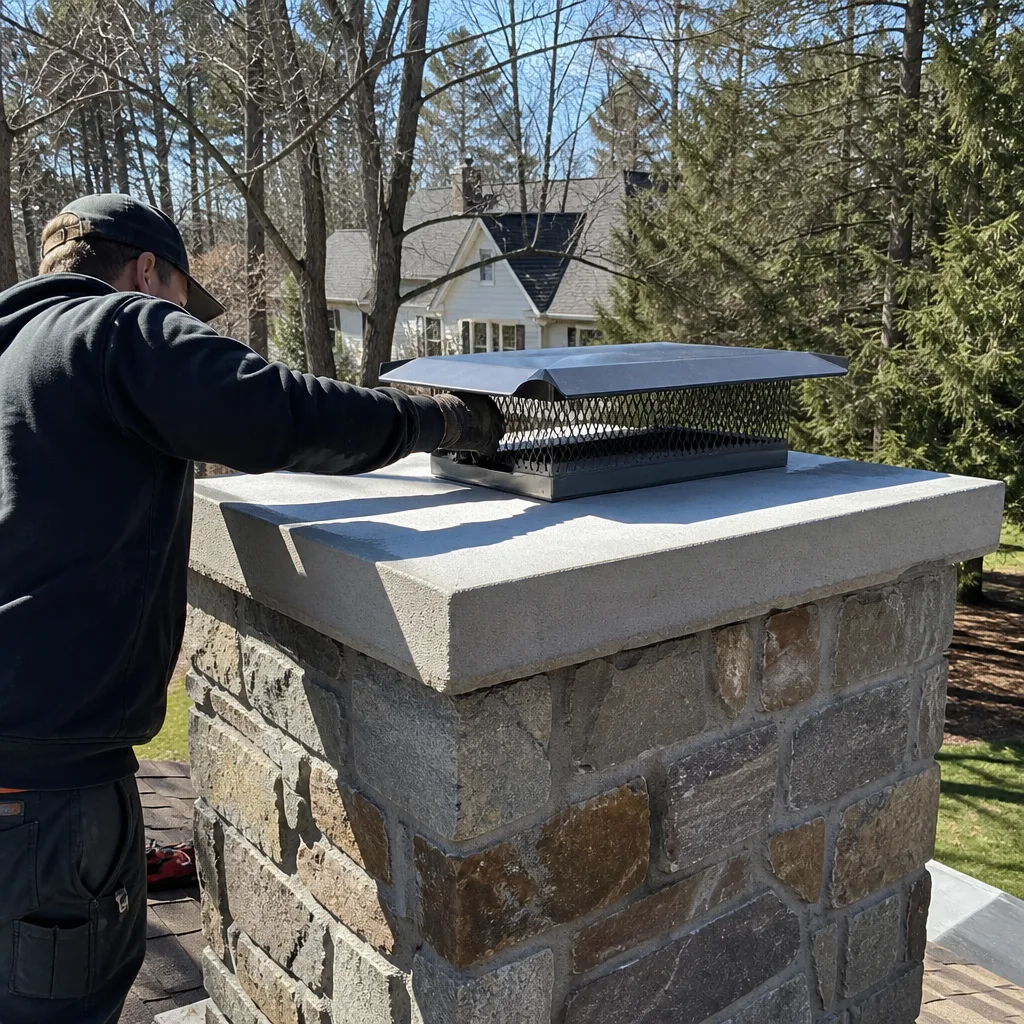 After
AfterHeatShield Chimney Cap Installation: The Greenwich Owner’s Guide
We stock and install HeatShield-compatible chimney caps throughout Greenwich, with most complete cap replacements running $425 to $780 installed. That’s the cap, the mounting hardware, sealing, and a camera-documented record of the finished job. If your cap is rusted through or missing entirely, the typical discovery point is a water stain on the ceiling near the flue after a hard Fairfield County rain.
HeatShield caps fail the same way every other cap does in coastal Connecticut: salt air and freeze-thaw cycles eat the hardware before the cap itself gives out. We see it in Old Greenwich and Riverside more than backcountry, but the failure pattern is predictable enough that Corrine Halstead and our crew can usually identify the issue from a phone photo before we even schedule the truck.
Which HeatShield Models This Applies To
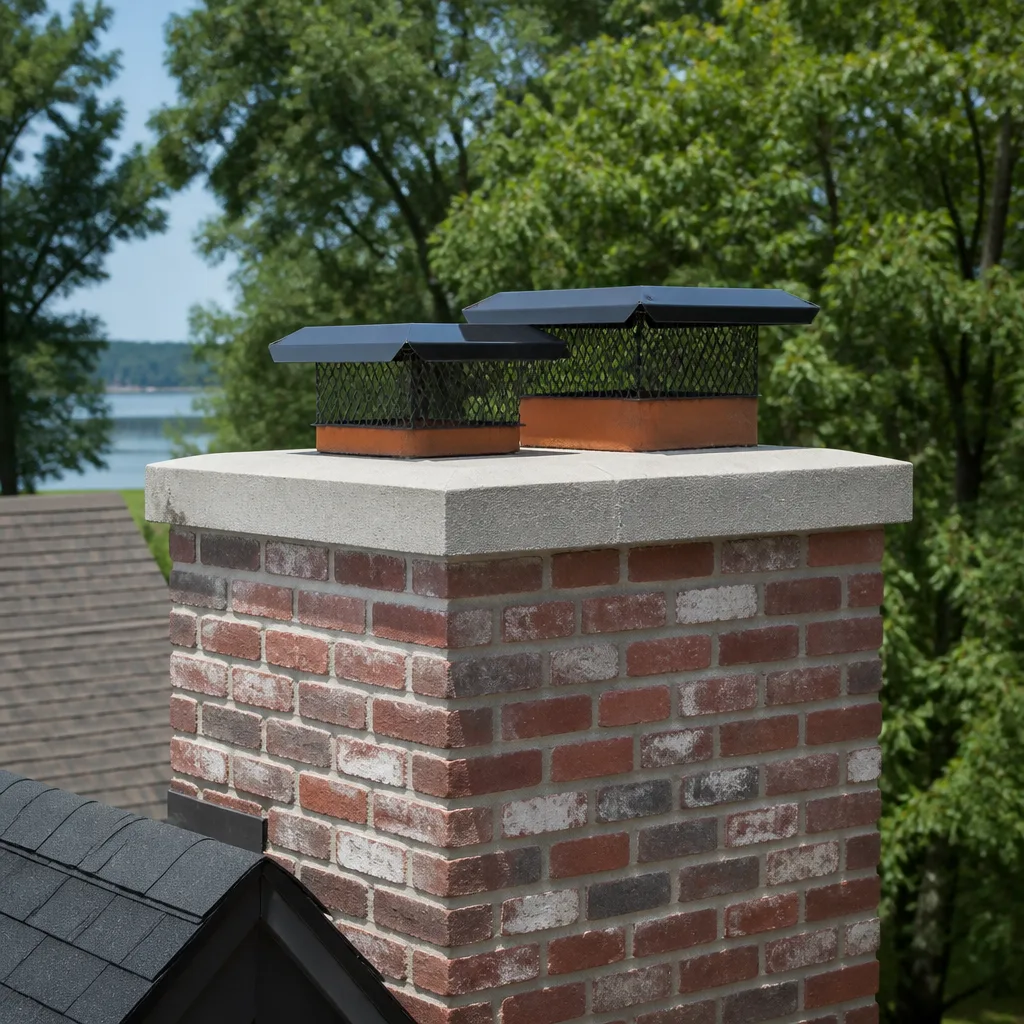
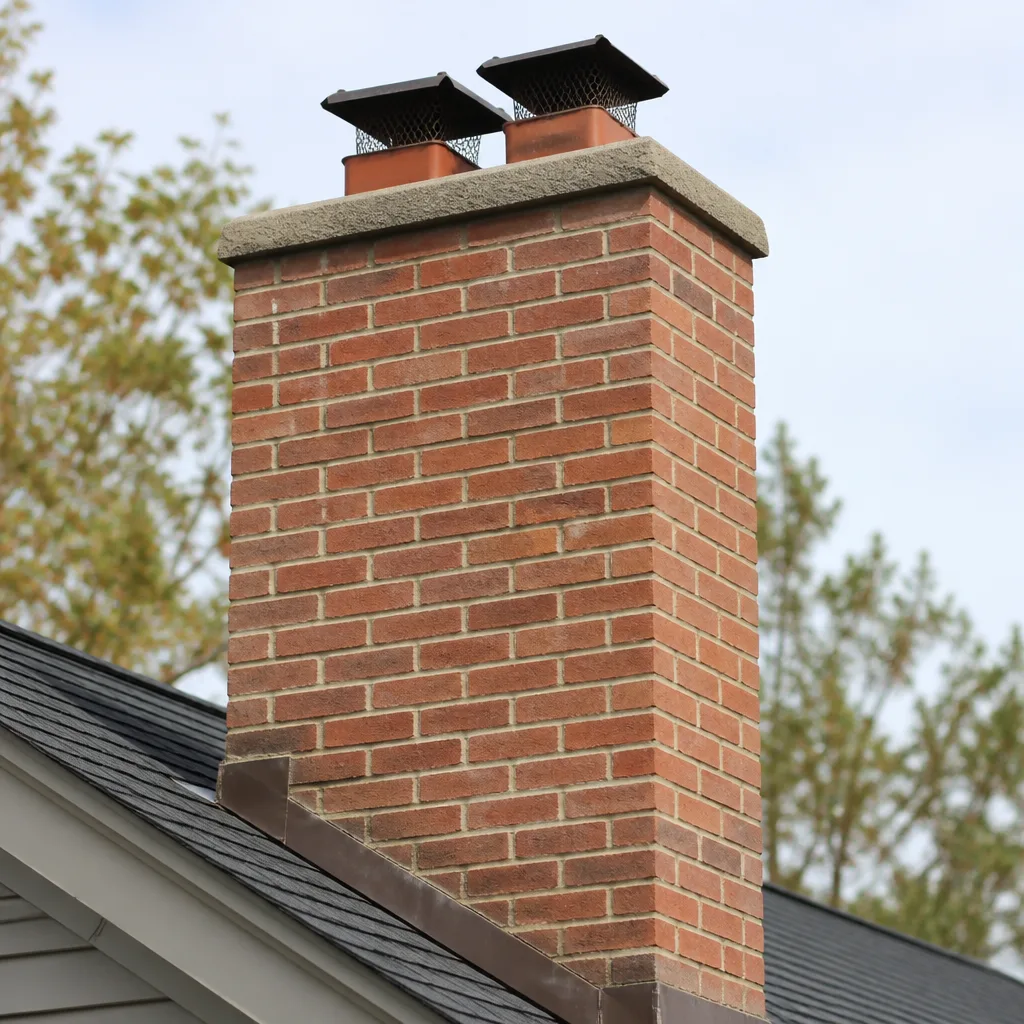
HeatShield produces caps sized for round and square flues, with model lines differentiated primarily by flue dimension and mounting style. The most common units we service in Greenwich are the slip-in round caps (sized for 6″, 7″, and 8″ inner-diameter flues) and the top-mount square or rectangle caps sized to the outside crown footprint. The compatibility gotcha that trips up most homeowners: HeatShield’s multi-flue caps require a minimum crown overhang clearance, and many 1970s and 1980s Greenwich colonials were built with crowns too narrow to seat the stock bracket kit. We check that measurement before recommending a cap.
HeatShield does not publish serial numbers on most residential caps, so identification comes down to two measurements: the flue inner diameter (for slip-in models) and the crown’s length and width at the top plane (for top-mount models). If you’ve got the original cap, bring it to ground level and look for the stamped model prefix on the underside lip. Not there? Send us a photo with a tape measure laid across the flue opening and we’ll match it before the visit.
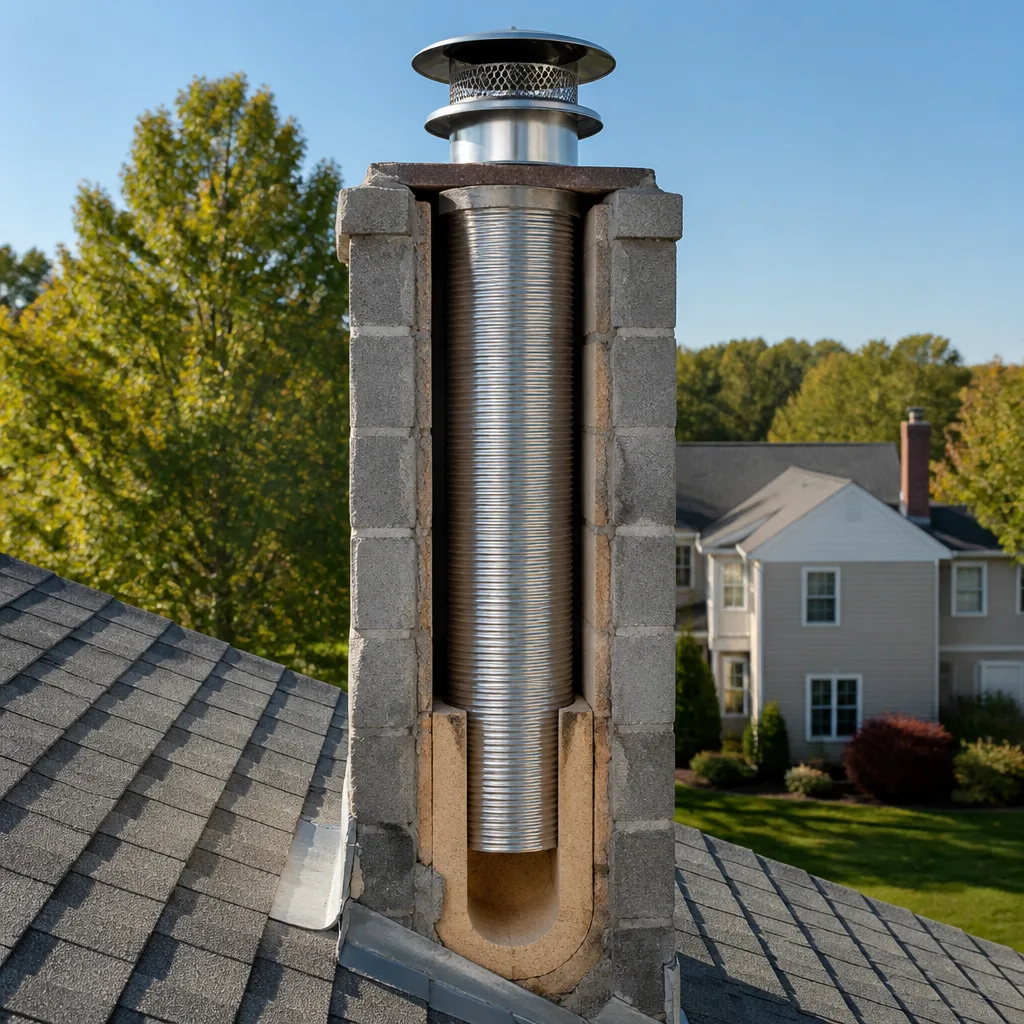
On OEM versus aftermarket: HeatShield caps are well made, but for homes within three miles of Long Island Sound, we often recommend a DuraFlex or Gelco stainless equivalent with heavier-gauge mounting hardware. The salt exposure in Cos Cob, Riverside, and Byram shortens galvanized hardware life by years compared to inland Greenwich. That’s not a knock on HeatShield; it’s just what the corrosion pattern tells us after 38,000-plus inspections since 2009. We stock both HeatShield-branded and equivalent caps on the truck.
Signs Your HeatShield Chimney Cap Installation Is Failing
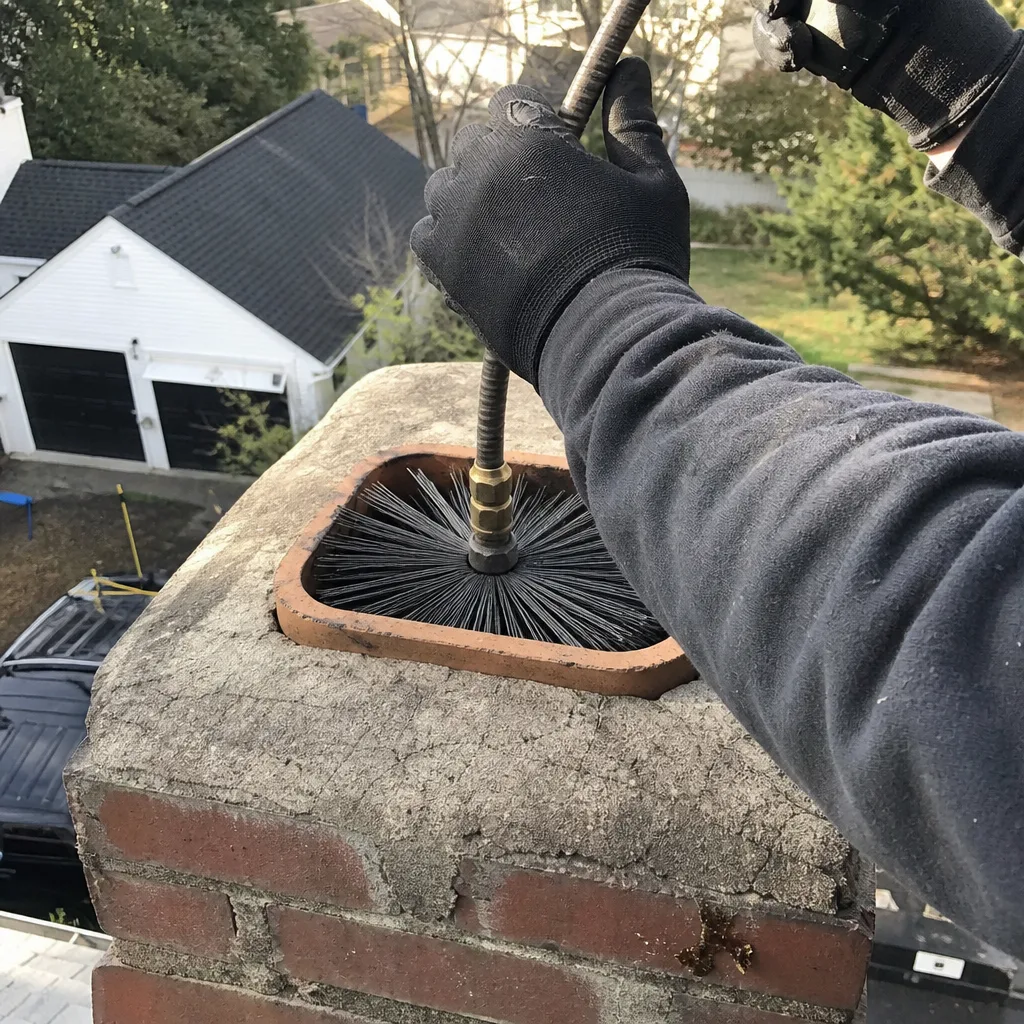
- Water dripping into the firebox during heavy rain. A cap with failed screen mesh or a cracked mounting collar lets water track down the flue wall. In Greenwich, the worst leaks follow northeasterly storms that drive rain sideways into the cap seams.
- Visible rust blooming through the cap’s paint or finish. Hairline rust at weld points means the protective coating has failed. Within two winters of salt-and-freeze cycling, those hairlines become holes.
- The cap is cocked or leaning on the flue. Wind load from fall nor’easters loosens set screws over time. A leaning cap means the seal is compromised even if the cap itself looks fine.
- You hear birds or animal activity in the chimney. The screen mesh around the cap perimeter is the first thing that rusts through. Once there’s a gap, starlings and squirrels find it inside a week. We’ve pulled nests out of chimneys near Greenwich Point where the cap looked perfect from the ground.
- Debris accumulating at the smoke shelf during your annual inspection. Cap screens letting go don’t just let animals in; they let in leaf litter, seed pods, and roof grit. If your last cleaning surfaced more debris than usual, the cap is the likely entry point.
BeforeAfterReplacement Cost & What’s Included
For a standard single-flue HeatShield-style cap installed on an accessible roof in Greenwich, plan on $425 to $580 installed. Two-story homes with steeper pitches fall on the higher end. Multi-flue caps that span the full crown run $580 to $780 depending on crown dimensions. If the crown itself has spalling or washout (cracked, eroding mortar), that work is separate and quoted in writing after we show you the camera footage.
Every cap installation at Level Two Chimney Greenwich includes the written quote before work starts (Haven Standard Clause 1), the cap and all mounting hardware, removal and safe disposal of the old cap, sealing at the flue collar, and a photo record of the finished installation under Clause 4. The 365-Day Done Right Promise covers the work: if the cap shifts, leaks at the seal, or was sized wrong, we fix it. That’s the whole promise, not a pro-rated version.
| Cap Type | Installed Price (Greenwich) | What It Includes |
|---|---|---|
| Single-flue slip-in (6″-8″ round) | $425-$580 | Cap, hardware, seal, photo record, disposal |
| Single-flue top-mount | $475-$620 | Cap, mounting bracket adjustments, seal, photos |
| Multi-flue full-crown | $580-$780 | Cap, bracket work to match crown footprint, seal, photos |
| Crown repair or wash (if needed, added) | $300-$900 typical | Quoted separately after camera inspection |
DIY or Call Us?
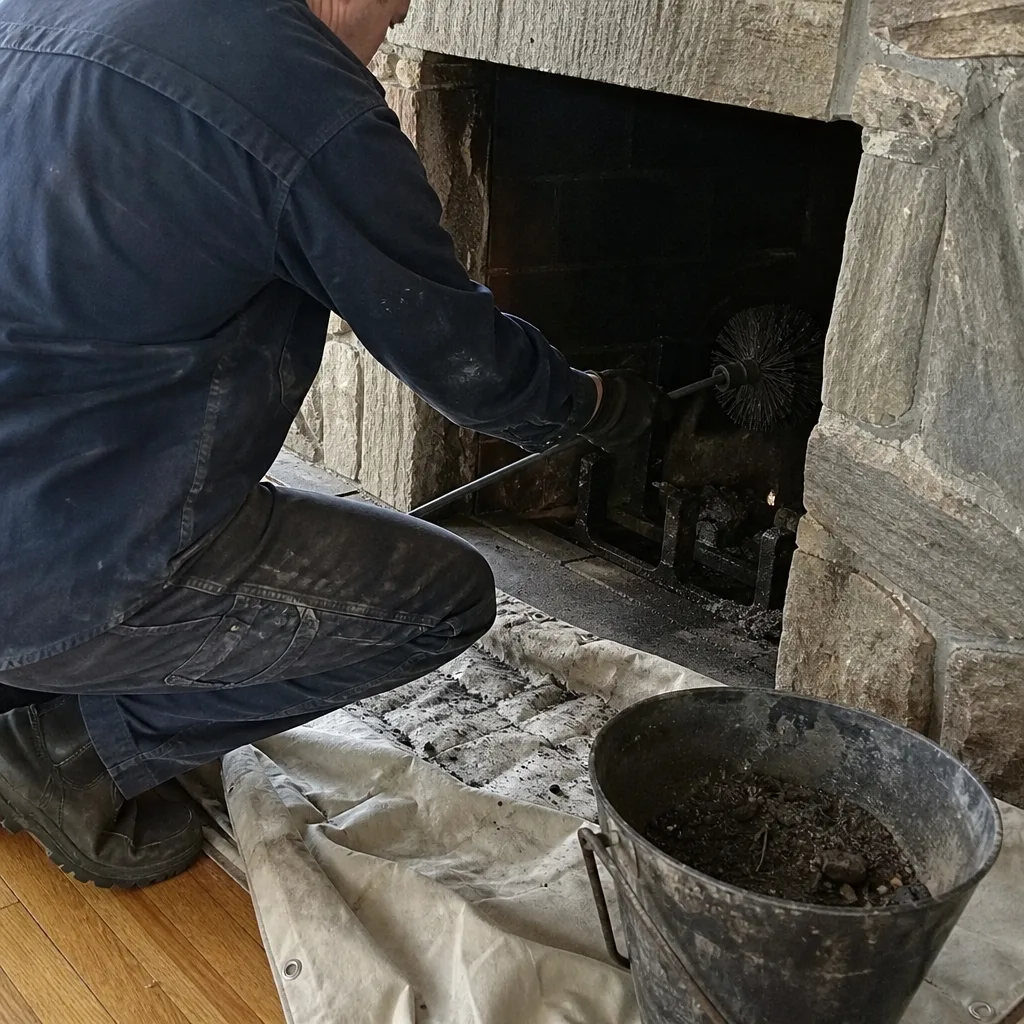
What you can safely do from the ground: confirm the cap is physically there, check for visible rust with binoculars, and send us a photo if you’re not sure what you’re looking at. That’s the extent of safe self-service here.
What we don’t recommend: climbing a roof in Greenwich without a harness and roof brackets, especially on the steep pitches common around Milbrook and the estate hills. Ladder work against a two-story chimney in windy conditions is how we get most of our emergency calls in November. The set screws on HeatShield caps also seize hard after a few winters; the torque needed to break them free is exactly the kind of force that sends a homeowner off balance. If the cap is leaning, cocked, or rusted through, call (516) 399-5497. We’ll put it in writing before anyone picks up a tool.
How We Match Your HeatShield Cap Before We Arrive
When you call, we have set measurements we need from you. Flue type: round or square? Round flues use slip-in caps sized by inner diameter; square flues need top-mount caps sized by outside brick dimensions. Then, the material question: is your existing cap stainless steel or galvanized? If it’s galvanized and you’re within a few miles of the Sound, we’ll tell you honestly that a stainless replacement (HeatShield-branded or an equivalent) will outlast it by a decade or more. And we’ll show you why with photos from homes in Old Greenwich where the galvanized cap lasted nine years and the stainless one beside it is still clean at fifteen.
Every recommendation comes with camera evidence. The camera doesn’t guess. Neither do we.
FAQs
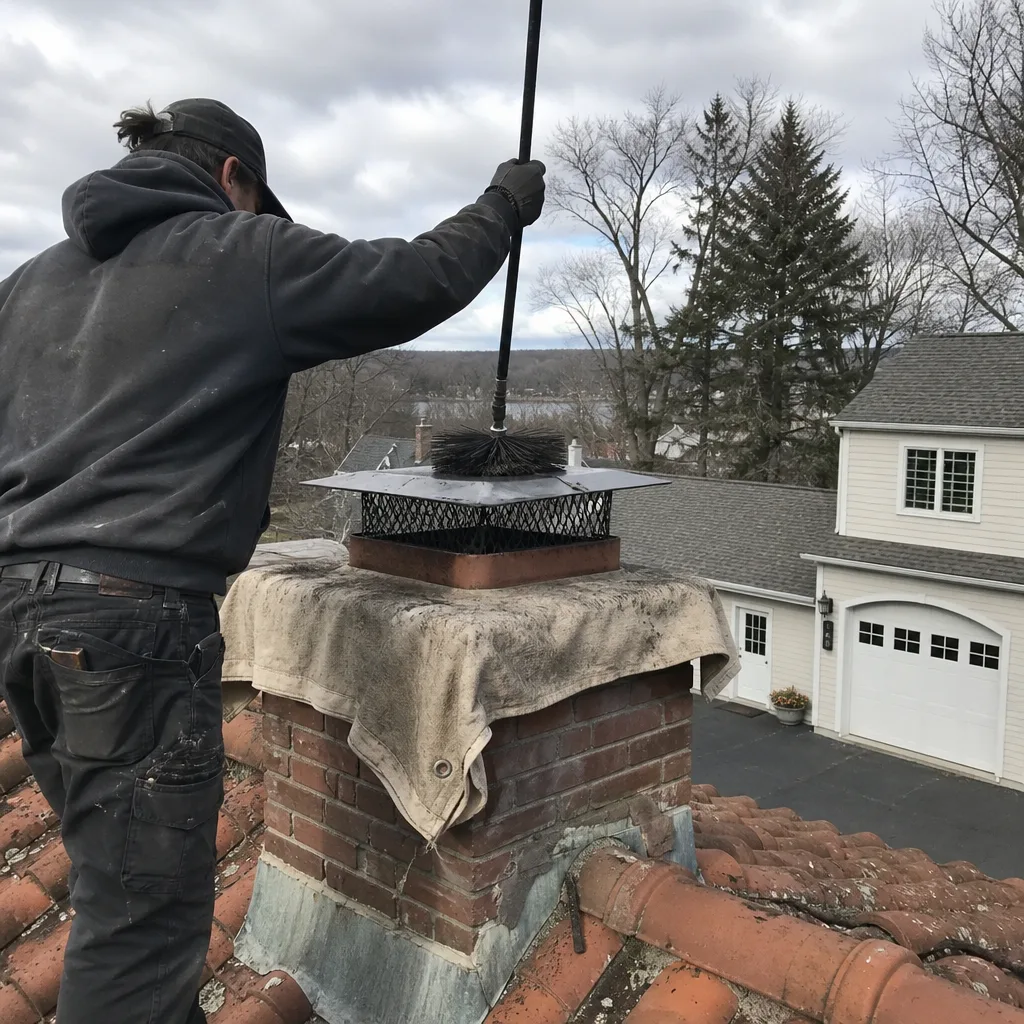
Inland, expect 12 to 18 years. Within three miles of Long Island Sound, plan on 8 to 14 years depending on the cap material and how much salt spray your roofline sees. Stainless holds longest. We include cap condition in every camera-scan inspection, so you’ll know exactly where yours stands. Call (516) 399-5497 to get one scheduled, with the written price included.
Rust through the screen mesh is a replace, not a repair. Small tears in the screen can sometimes be patched as a temporary fix, but holes at the weld points or a cracked mounting collar mean the cap’s structural integrity is gone. Given what a cap like this costs, most Greenwich homeowners replace rather than patch. We’ll show you the camera footage and let you make the call from there.
Most single-flue cap swaps take 45 to 90 minutes on site. That includes removing the old cap, cleaning the flue rim, installing the new cap, sealing, and photographing the finished work. Multi-flue caps with custom crown brackets can run up to two and a half hours. We schedule windows, not all-day waits, and text you when the tech is on the way.
We stock common round slip-in sizes and the most frequently requested top-mount dimensions on the service truck. If your crown requires a nonstandard footprint, we’ll measure, order, and return for a second visit, usually within the week. The written quote always includes the exact cap we’re installing and its cost.
Rain water gets into the flue, accelerates liner deterioration, and the repair bill climbs from a few hundred dollars to a few thousand. Rusted-out caps also let animals in, and a nest jammed against a liner can turn a routine cleaning into a removal job. Water plus creosote creates an acidic slurry that eats mortar joints; if you see water in the firebox, don’t wait another season. Call (516) 399-5497 and we’ll give you a straight answer, in writing, after the camera shows us what’s what.
Written by Corrine Halstead, Owner, Level Two Chimney Greenwich at Level Two Chimney Greenwich, serving Greenwich and nearby areas.