
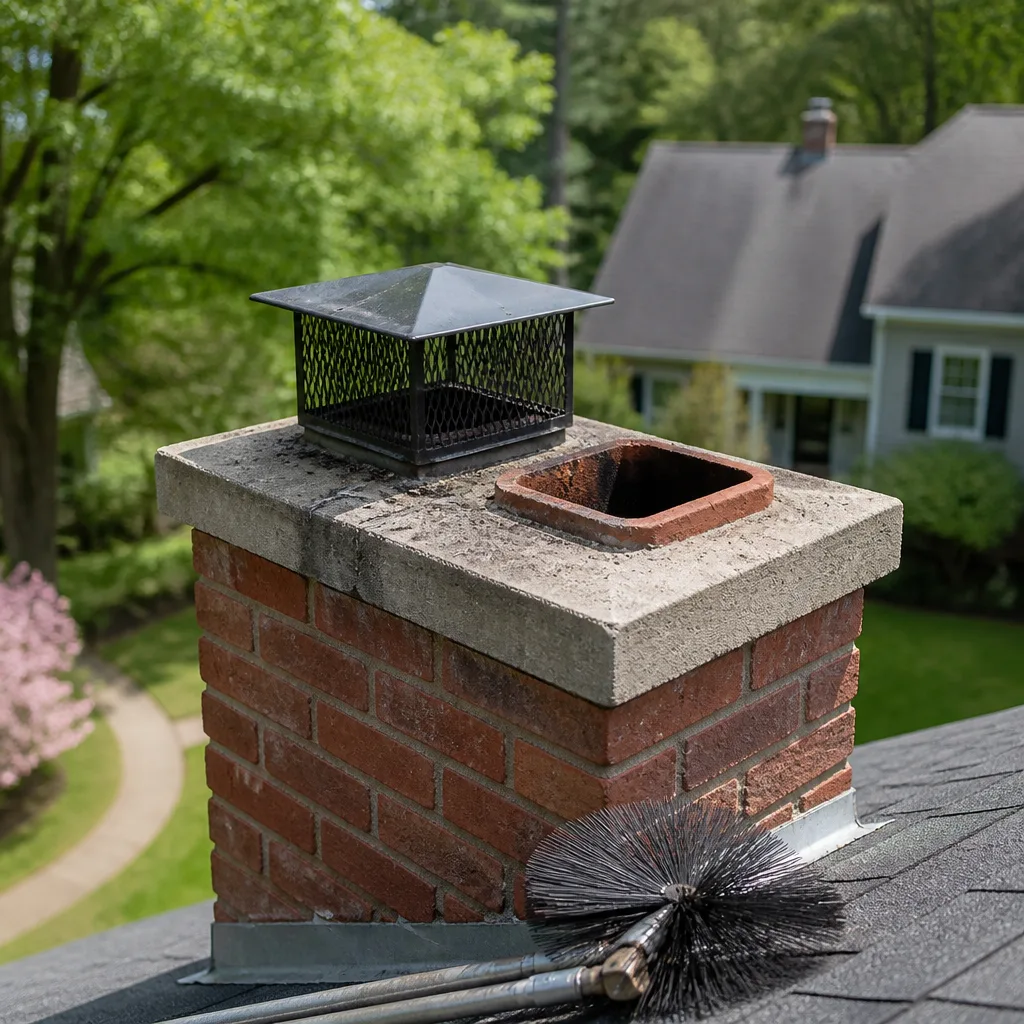
Level 1 sweep and inspection to the NFPA 211 annual standard - flue, crown, cap, and flashing checked and photographed
Chimney sweep logs do not sweep chimneys. They loosen some creosote - which then falls where a brush and vacuum still have to collect it.
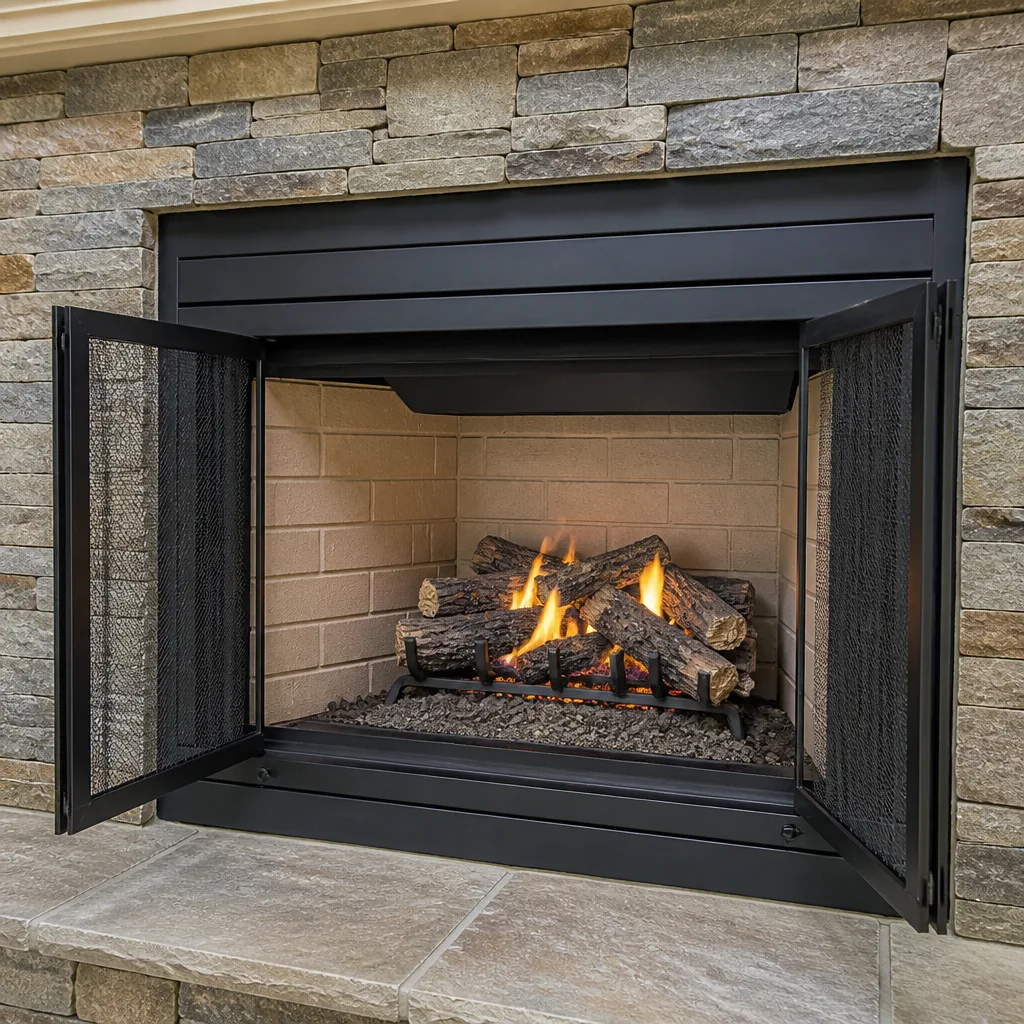
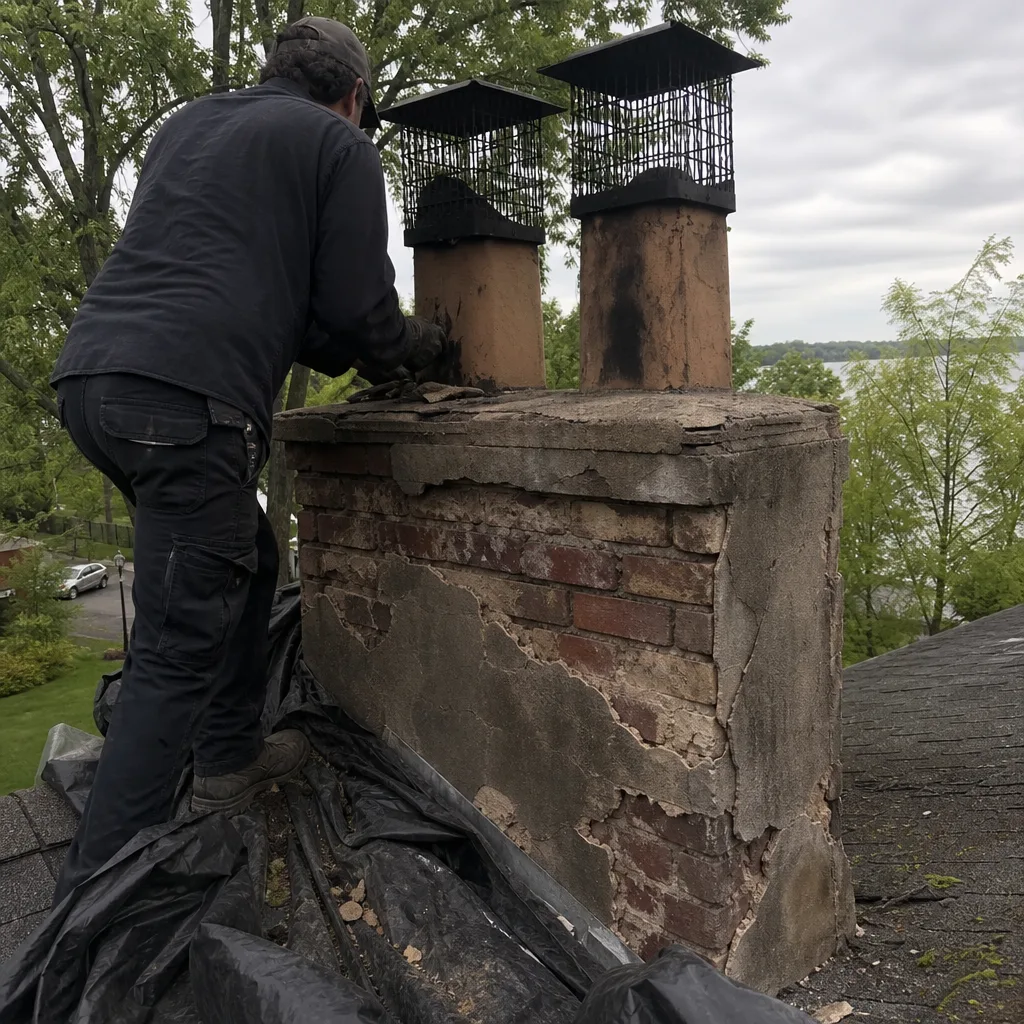 Before
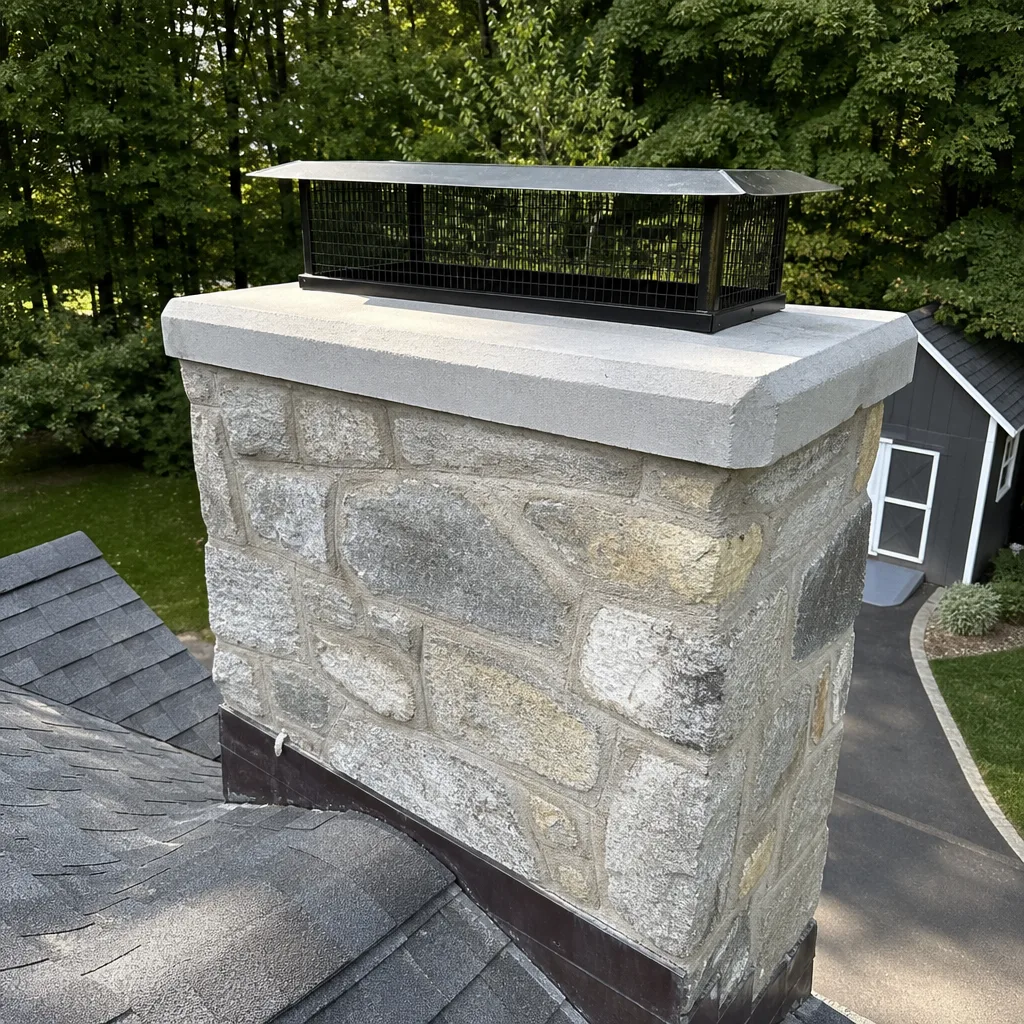 After
After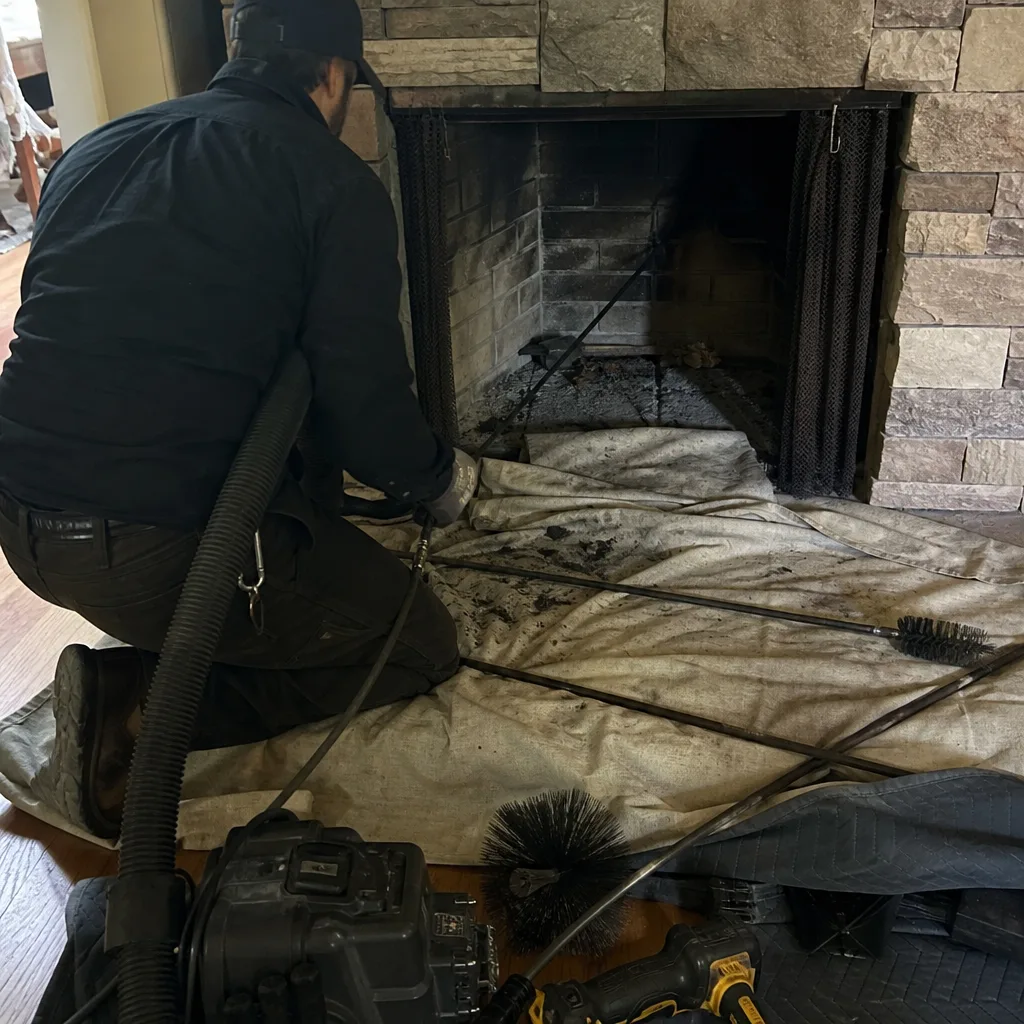 Before
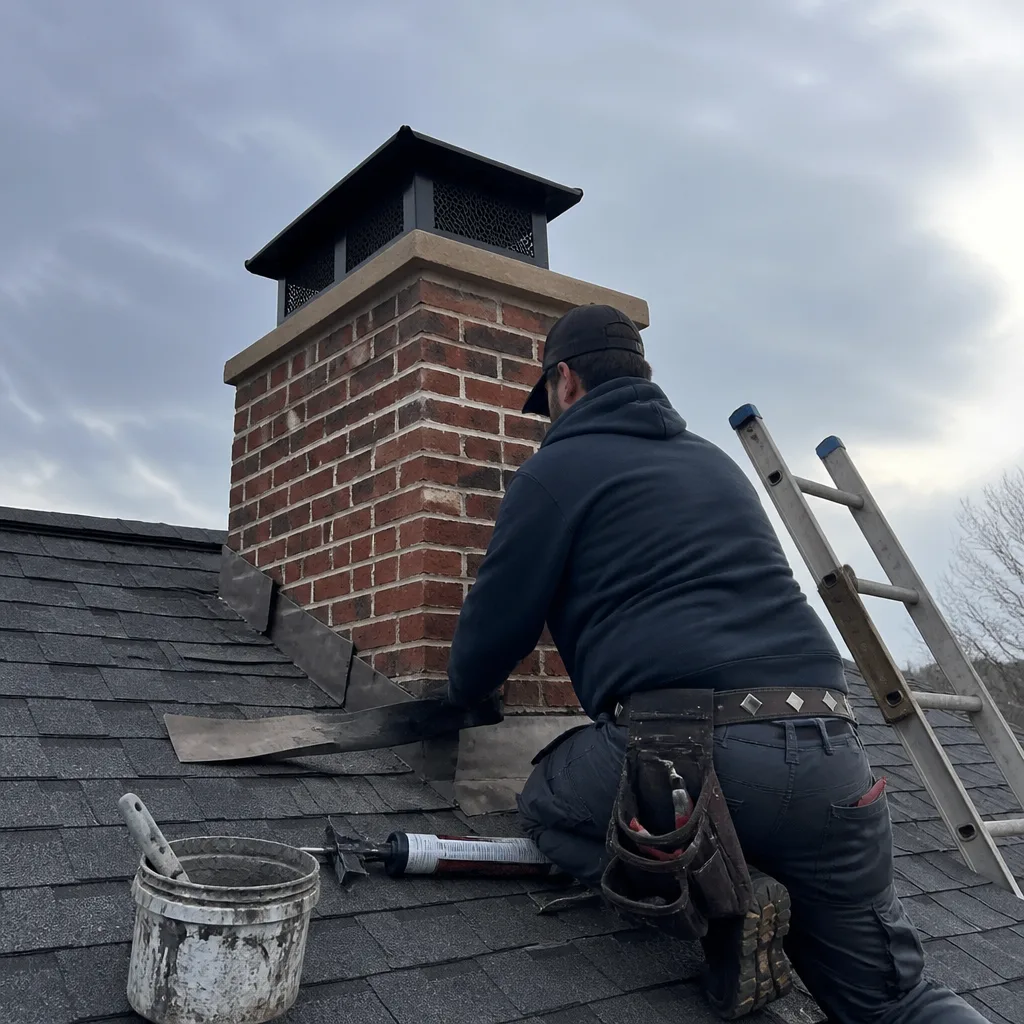 After
After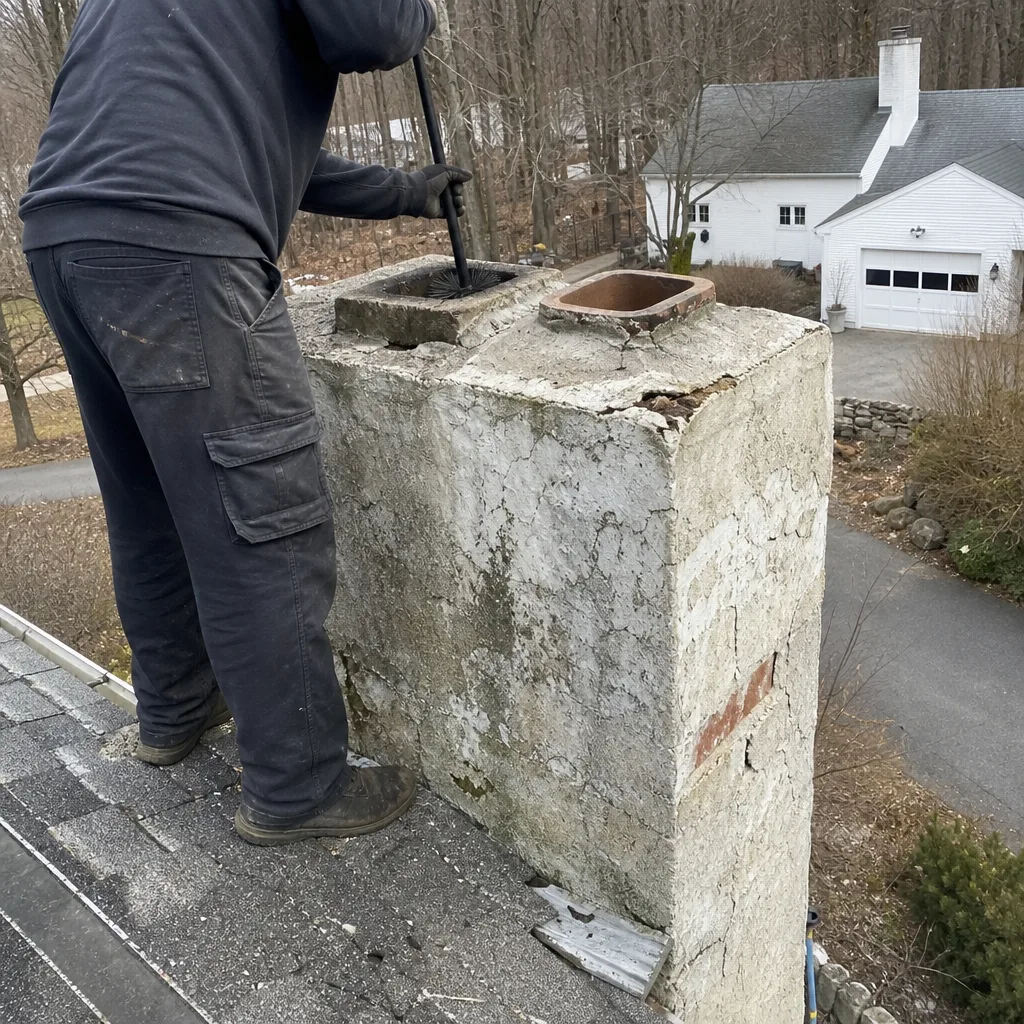 Before
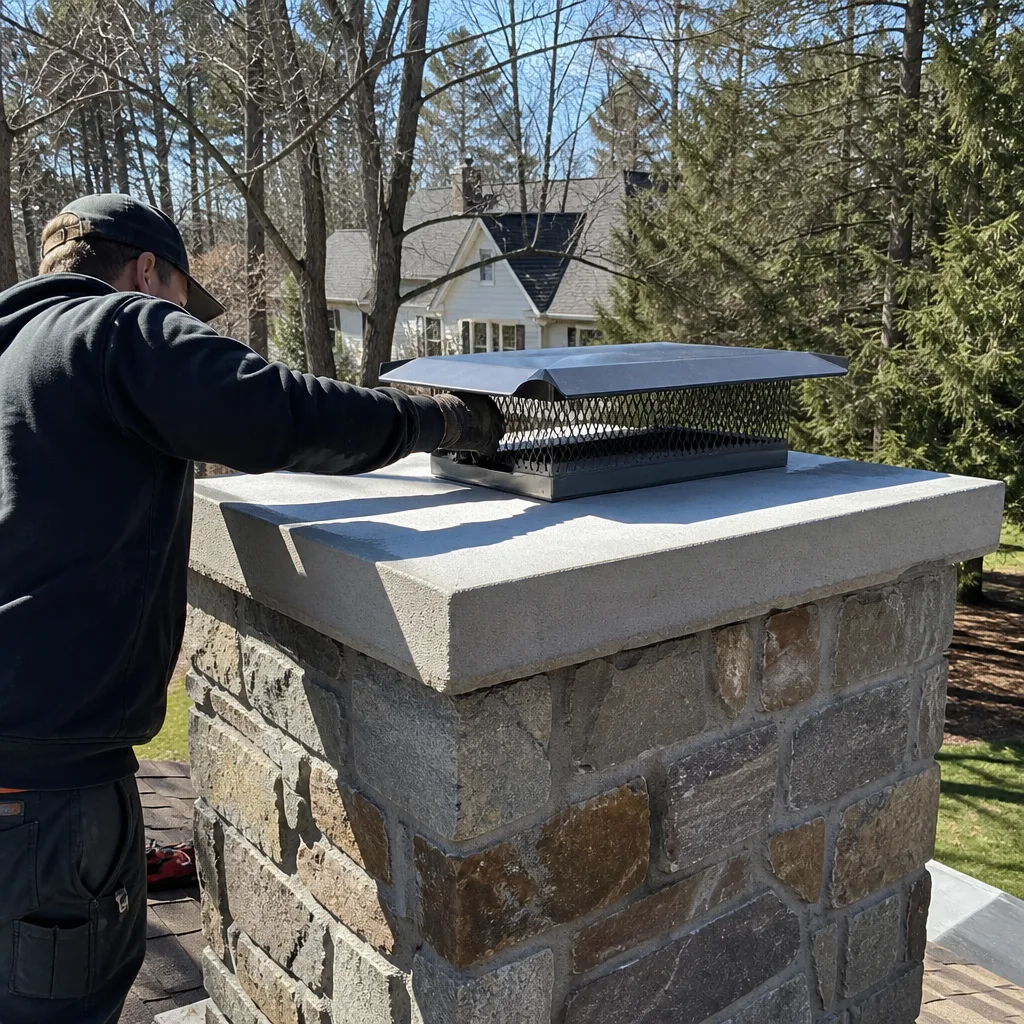 After
AfterHeatShield Flue Liner Replacement: The Greenwich Owner’s Guide
HeatShield flue liner replacement in Greenwich typically runs $2,900 to $5,800 installed, depending on liner diameter, flue height, and whether we’re resurfacing with HeatShield’s Cerfractory material or pulling a full stainless reline. We stock HeatShield-compatible components on our trucks and can usually complete the job in one visit. Most Greenwich homeowners discover the problem during a Level 2 camera inspection after noticing mortar crumbs in the firebox, a persistent downdraft smell, or a chimney sweep’s written report flagging gaps in the flue.
What you’re actually seeing when a HeatShield liner fails is the cerfractory sealant breaking down at the joint seams or the original clay tile behind it spalling under years of thermal stress. In Greenwich, freeze-thaw cycles accelerate this: moisture seeps into hairline cracks, expands when temperatures drop, and widens those cracks into gaps that let heat and gases reach combustible framing. We’ve documented this pattern across backcountry estates and older colonials near Cos Cob for years. Which is why we don’t guess at liner condition. The camera goes down, and we show you what it sees. The camera doesn’t guess. Neither do we.
Which HeatShield Models This Applies To
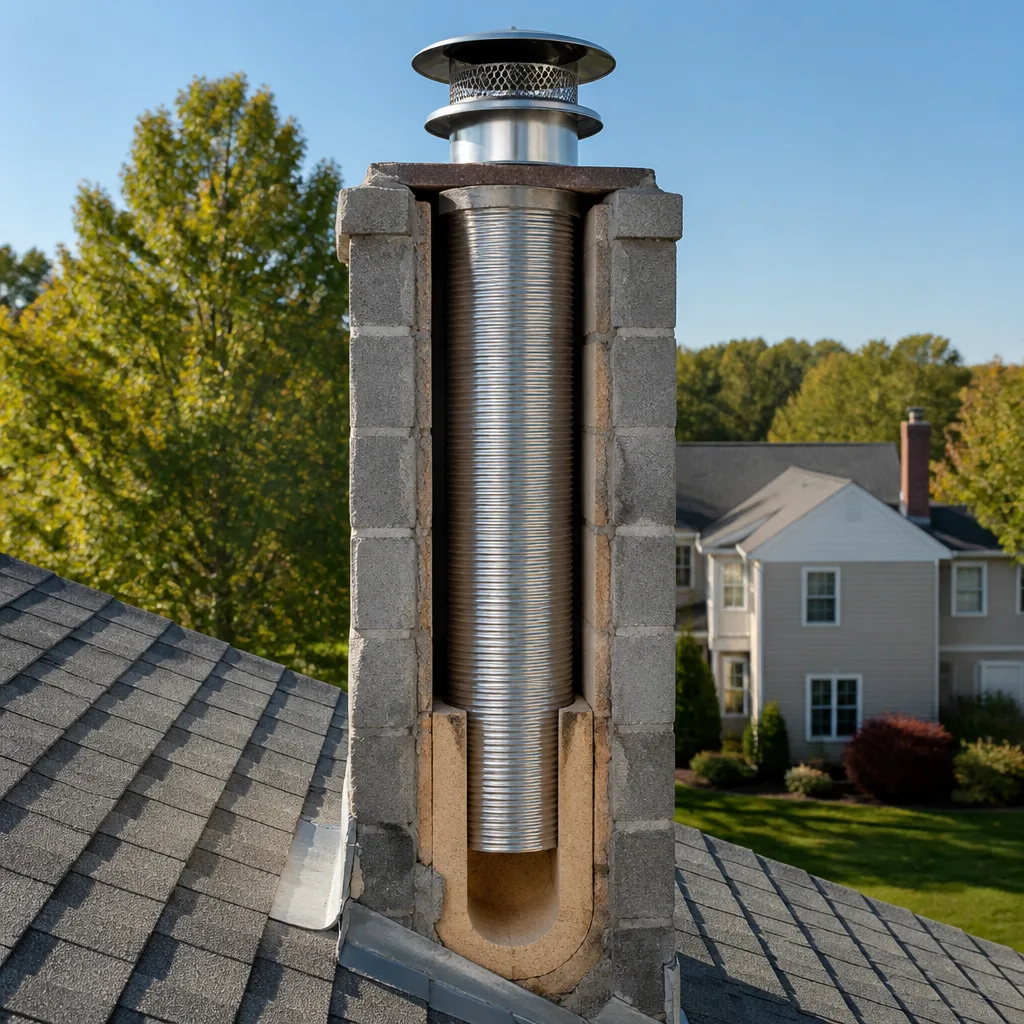
HeatShield’s Cerfractory flue sealant system works differently from a rigid stainless liner, and that difference matters when you’re matching a replacement. The system is applied over existing clay tiles or to resurface a damaged stainless liner, using a foam applicator that’s pulled up the flue. If you’re replacing an older HeatShield application, the key question is whether the substrate behind it is still sound. We can answer that with a camera inspection in about 20 minutes.
The compatibility gotcha most Greenwich homeowners run into: HeatShield is not a standalone liner. It’s a resurfacing system. If the original clay tile or metal liner behind the HeatShield coating has degraded past a certain point, another layer of Cerfractory won’t hold, and the code-compliant fix is a full stainless reline, not another HeatShield application. We carry both options and will show you camera footage of the substrate before we recommend either one. Corrine Halstead’s rule on this is simple: if we can’t see clean material to bond to, we don’t apply.
For identification, look for the HeatShield brand on the invoice from the prior homeowner, or check the chimney cleanout door for a metal tag. If there’s no documentation, we measure the flue diameter and run the camera to determine what’s actually in there. HeatShield-certified applicators exist; we’re an independent service provider, not a HeatShield franchise or affiliate, so we’ll recommend what the flue needs over what a brand program might push.
Signs Your HeatShield Flue Liner Replacement Is Failing
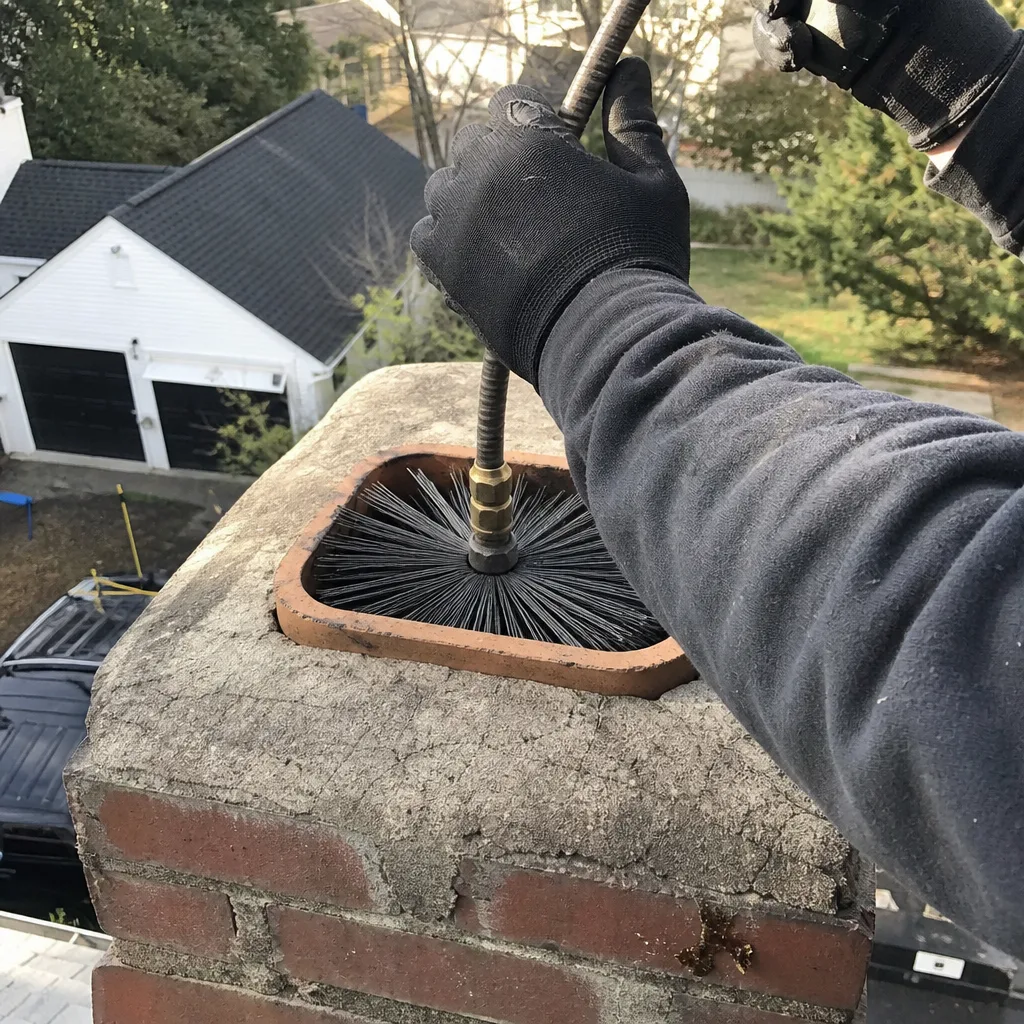
- Pieces of ceramic material in the firebox or cleanout. This is the clearest signal. HeatShield’s cerfractory sealant can crack and separate from the substrate, and the fragments fall into the firebox. If you see gritty, grayish material that isn’t ash, take a photo and set it aside for us.
- A damp, sooty smell in the room, even when the fireplace is cold. Gaps in the liner let flue gases and moisture press back into the chimney chase and sometimes into living space. In Greenwich’s humid summers this gets worse, because the liner absorbs moisture and releases it slowly.
- Visible cracks or gaps in the damper area, especially around the smoke shelf. The liner doesn’t end at the firebox; it transitions through the smoke chamber. That transition is where HeatShield applications commonly fail first, because the angles are difficult to coat evenly.
- Your sweep flagged “Class III creosote” on the last report. Class III creosote is the tar-like, glossy form that builds when flue temperatures run cold and gases condense. It’s also a sign your liner isn’t insulating or drafting the way it should.
- You notice drafting problems: smoke rolls into the room on startup, or the fire is hard to keep lit. A failing liner changes the flue’s internal dimensions and surface friction. The fireplace can’t pull air properly. If this started recently, the liner is the first thing we check.
BeforeAfterReplacement Cost & What’s Included
For Greenwich, here’s the price picture in plain numbers:
- HeatShield Cerfractory resurfacing (existing clay tile substrate in good shape): $2,900 to $4,100 for a standard single-flue chimney, one story
- HeatShield resurfacing over an existing stainless liner: $3,600 to $5,100, depending on liner diameter and flue height
- Full stainless reline (when the substrate is beyond resurfacing): $4,300 to $5,800 for a typical Greenwich home, parts and labor included
What drives the range in Greenwich specifically is flue height. A backcountry stone chimney on a two-and-a-half-story colonial is a longer pull than a ranch near Byram. Larger flue diameters need more material. And if access is tight, we factor in equipment setup time. Our written quote includes parts, labor, camera inspection, the documented photo record after the work is done, and the 365-Day Done Right Promise. We don’t add a line item for the camera pass or the photo file; Clause 4 of the Haven Standard requires a photo record on every job, and we’ve done it that way since 2009.
DIY or Call Us?
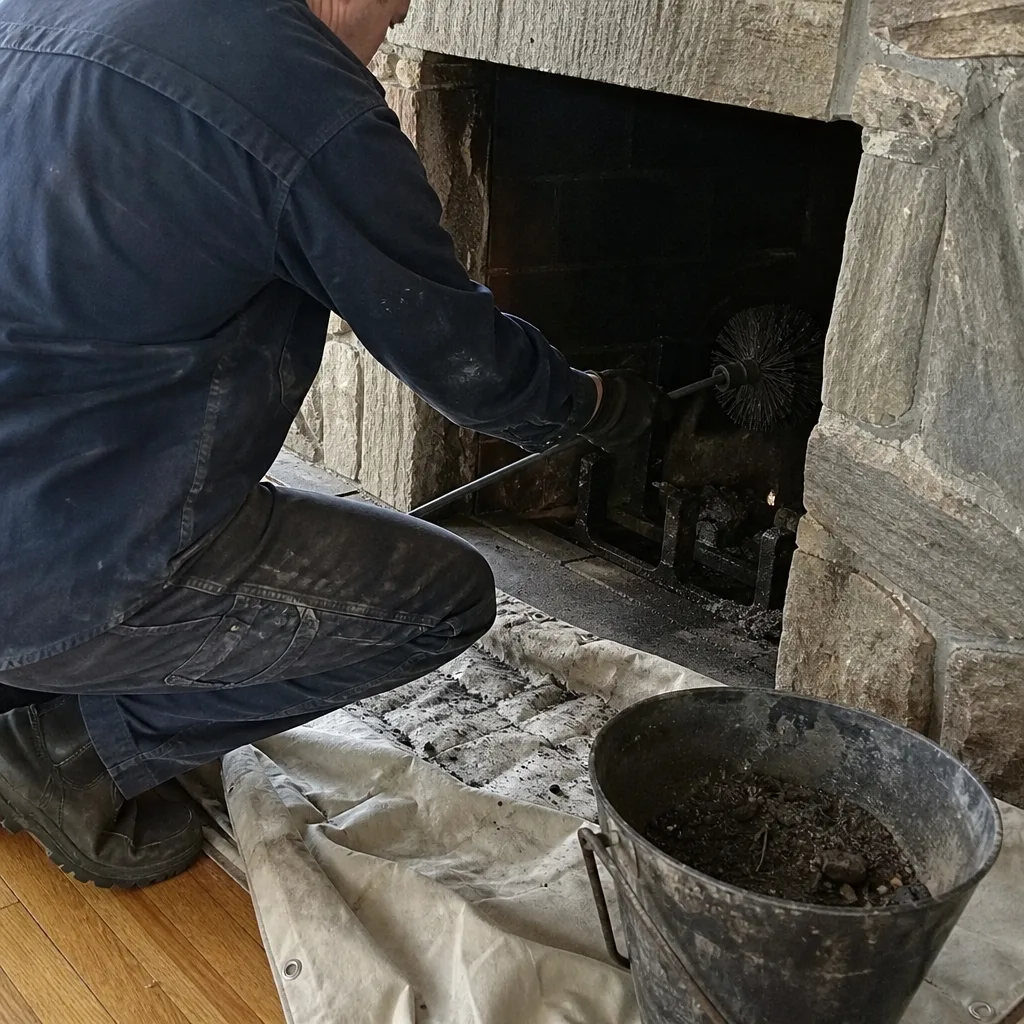
What you can do yourself: note what you see, take photos of any debris in the firebox, and keep the damper closed when the fireplace isn’t in use. Those notes help us. What you should not do: you can’t access or assess a flue liner from inside the house. HeatShield applications fail inside the flue, not where you can see them. Without a camera you’re guessing. And a failed liner isn’t a cosmetic issue. A flue with cracks or missing material is how chimney fires start and how carbon monoxide reaches living space. This is a job for a trained technician with a camera system. If you’re in Greenwich and you’re seeing signs, call us at (516) 399-5497. We’ll schedule the inspection, show you the footage, and give you a written price before anything gets touched.
FAQs
A properly applied HeatShield resurfacing typically lasts 15 to 20 years in Greenwich’s climate, but the substrate underneath is the limiting factor. If the original clay tile or steel liner was already compromised when the HeatShield went on, the system will fail earlier. That’s why we document the substrate condition before recommending any liner work. Call (516) 399-5497 to schedule a camera inspection and we’ll show you exactly what you’re working with.
Sometimes, yes. If the damage is isolated to a small section and the surrounding material is sound, a targeted patch with a compatible sealant can be done. But if the failure is spread across multiple joint seams or the substrate is cracked, a patch is a temporary bandage that’ll fail again. We’ll show you the camera footage before recommending any repair or replacement. Call (516) 399-5497 to talk it through with us.
Most HeatShield resurfacing jobs are completed in one day, including setup, application, and the documented photo record. A full stainless reline can take a day and a half, depending on flue height and access. We’ll give you a written schedule with your written quote before we schedule anything. Call (516) 399-5497 and we’ll get you on the calendar.
We stock HeatShield-compatible cerfractory material and applicator components on our trucks, along with stainless liner inventory from DuraFlex and Gelco for full relines. If your flue has a non-standard diameter or a long run that needs a custom-cut liner, we’ll tell you before we order anything and give you the arrival date in writing. Call (516) 399-5497 for a free estimate and we’ll check stock against your flue’s measurements.
Schedule Your Camera Inspection
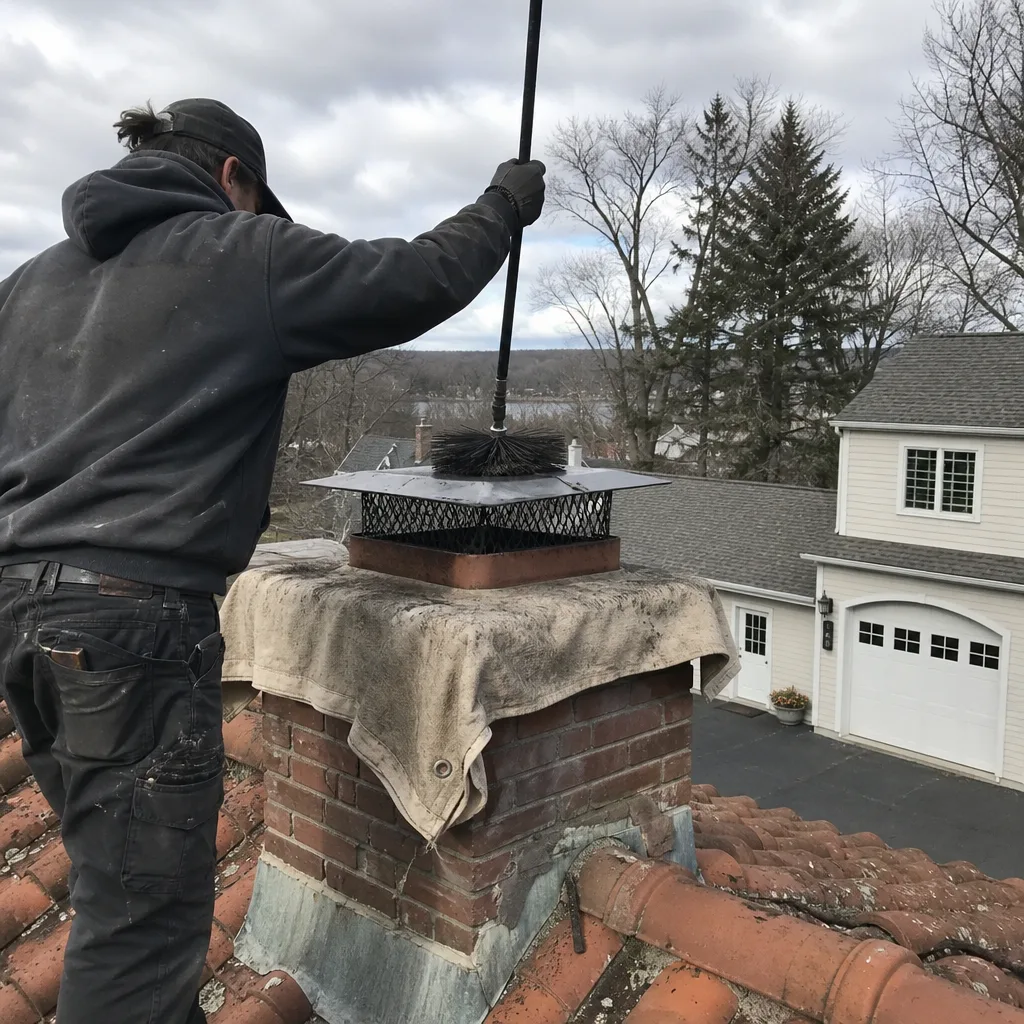
If you’re in Greenwich and you think your HeatShield liner has failed, the next step is a camera pass down the flue. We’ll show you the footage, name what we found in plain terms, and hand you a written price before any work starts. That’s been our practice on every job since 2009, and it’s not optional. Call (516) 399-5497 and a live person will answer. We’ll schedule the inspection, answer any questions you have, and make sure you know exactly what to expect when our crew arrives.
Written by Corrine Halstead, Owner, Level Two Chimney Greenwich at Level Two Chimney Greenwich, serving Greenwich and nearby areas.