
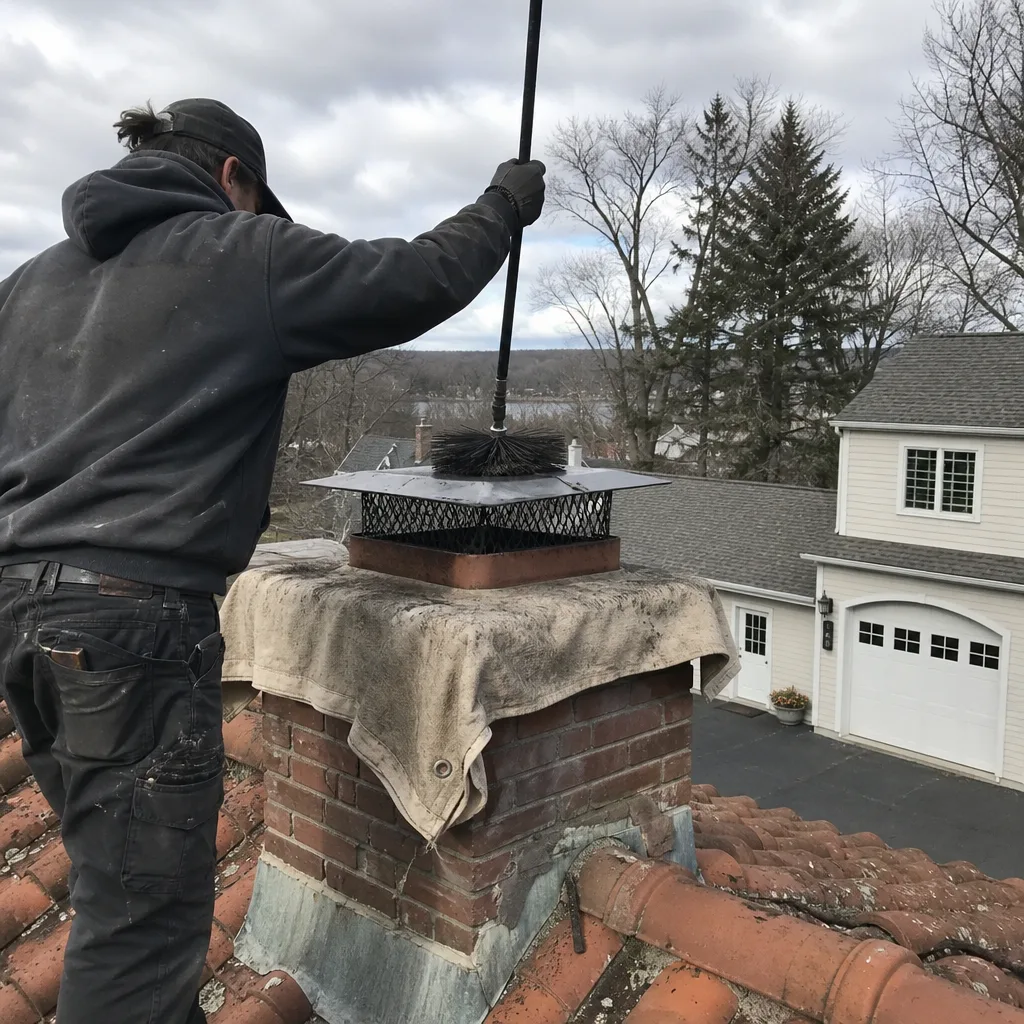
Level 1 sweep and inspection to the NFPA 211 annual standard - flue, crown, cap, and flashing checked and photographed
Chimney sweep logs do not sweep chimneys. They loosen some creosote - which then falls where a brush and vacuum still have to collect it.
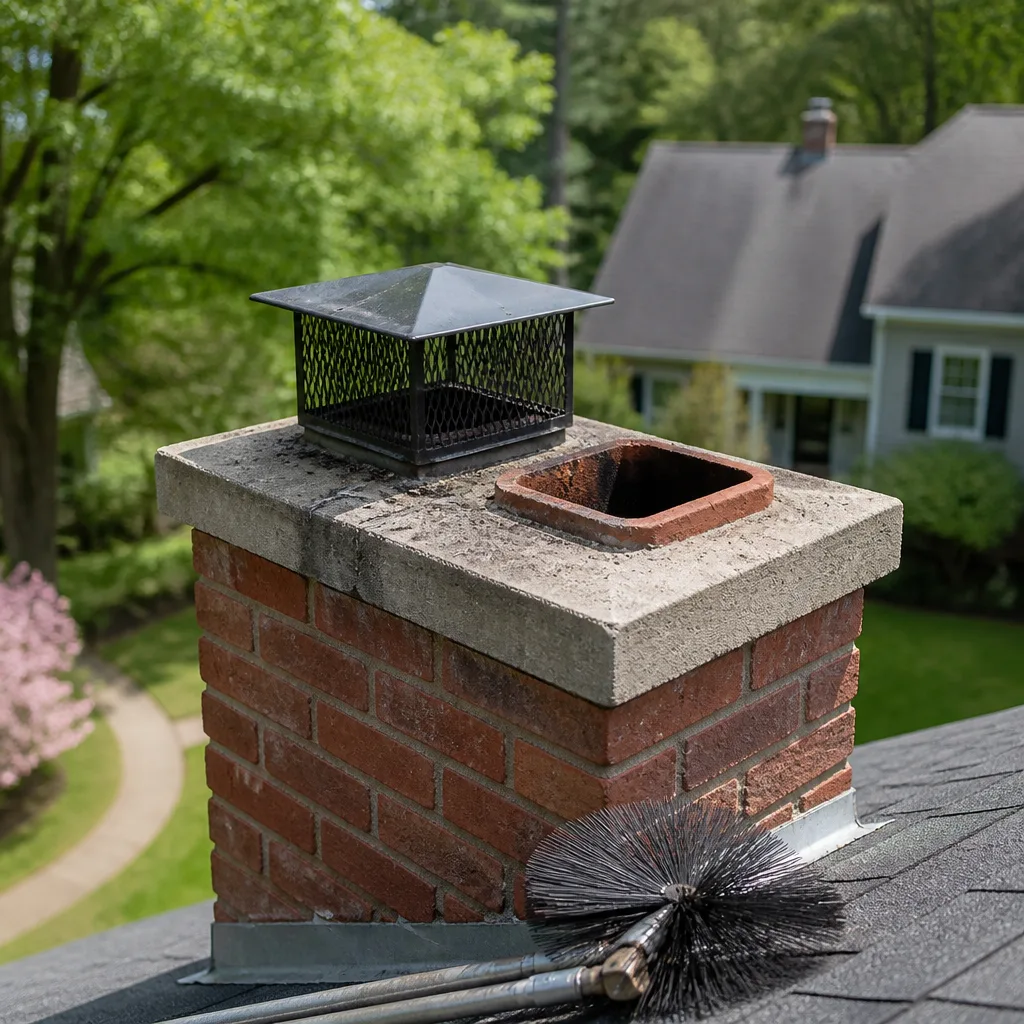
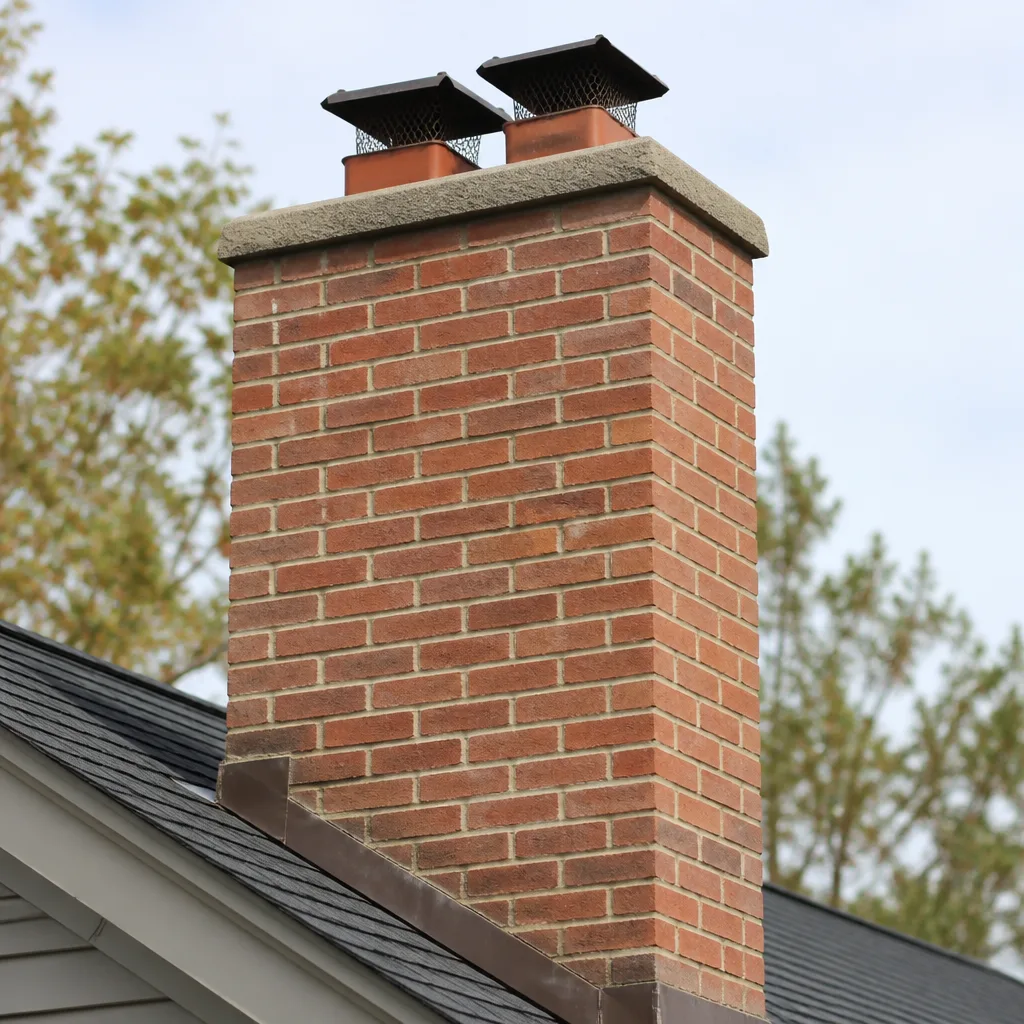
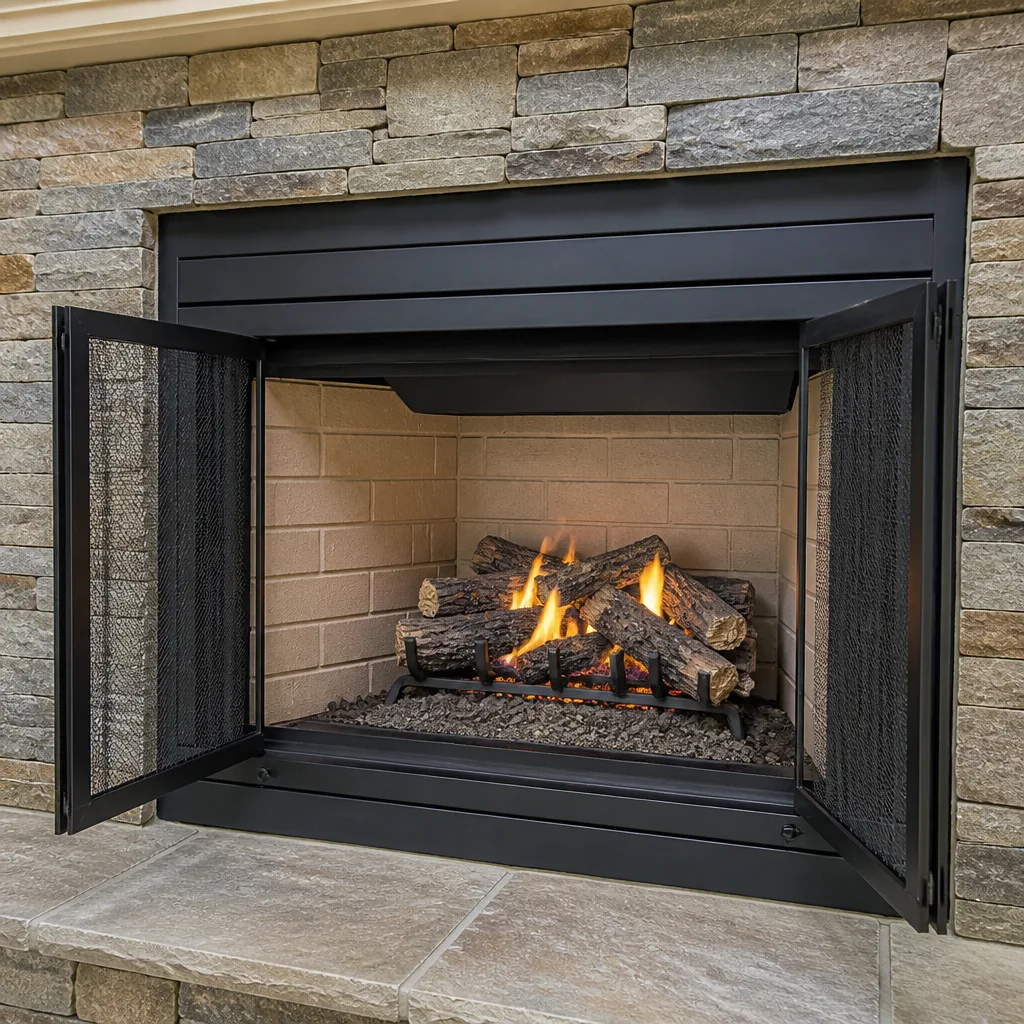
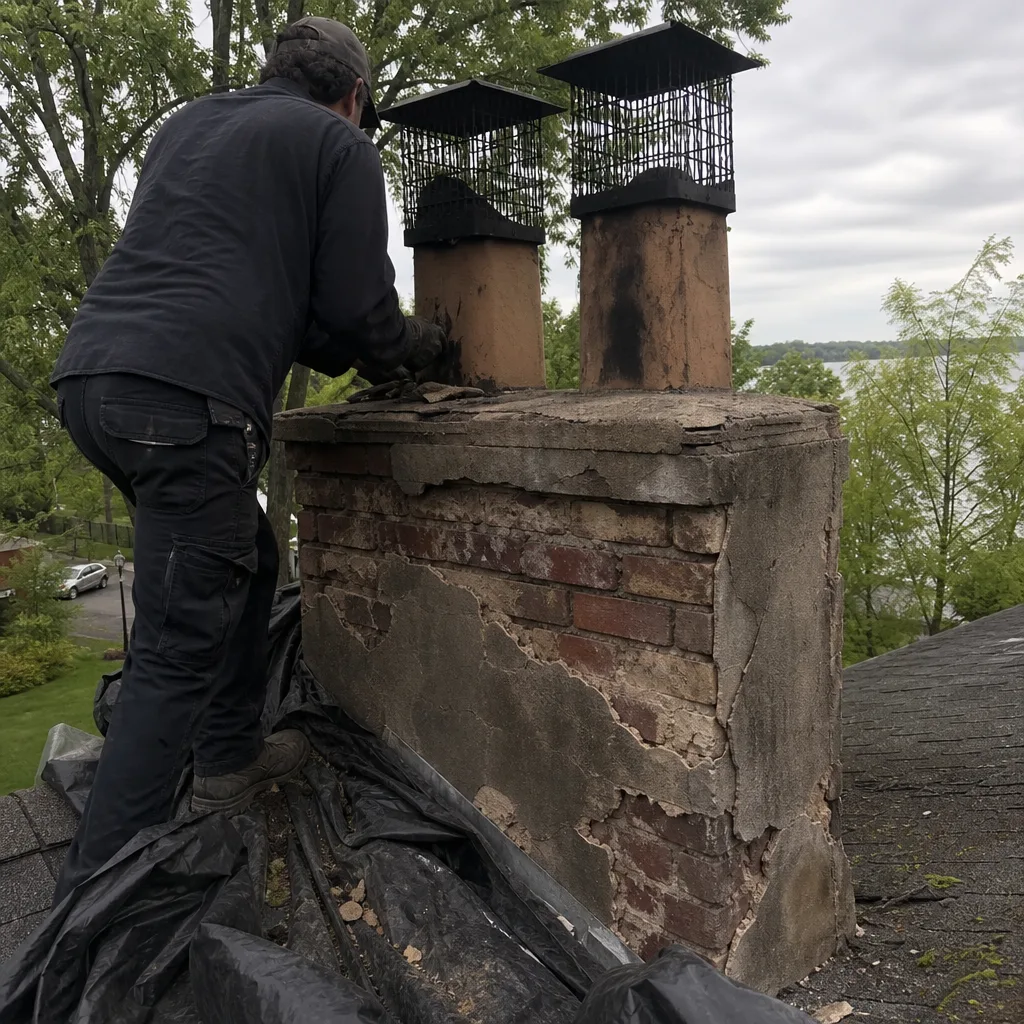 Before
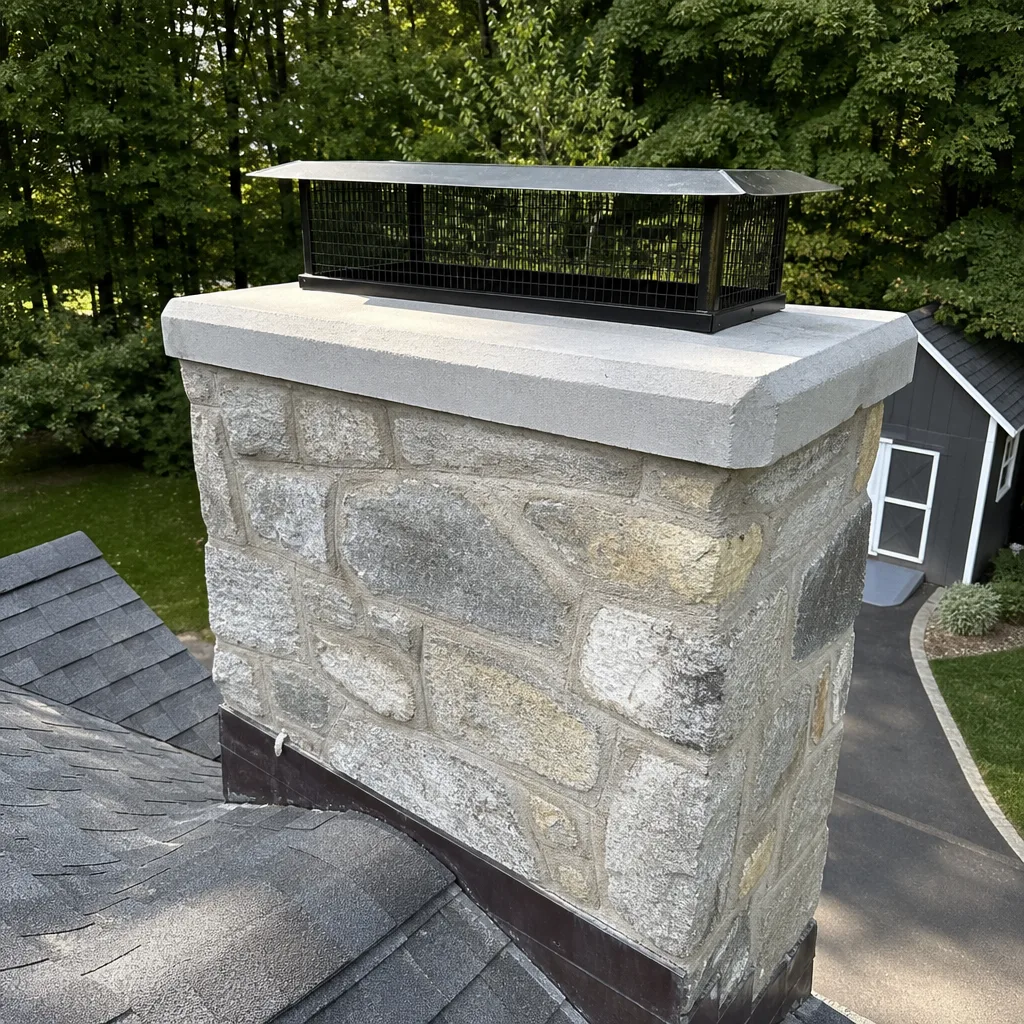 After
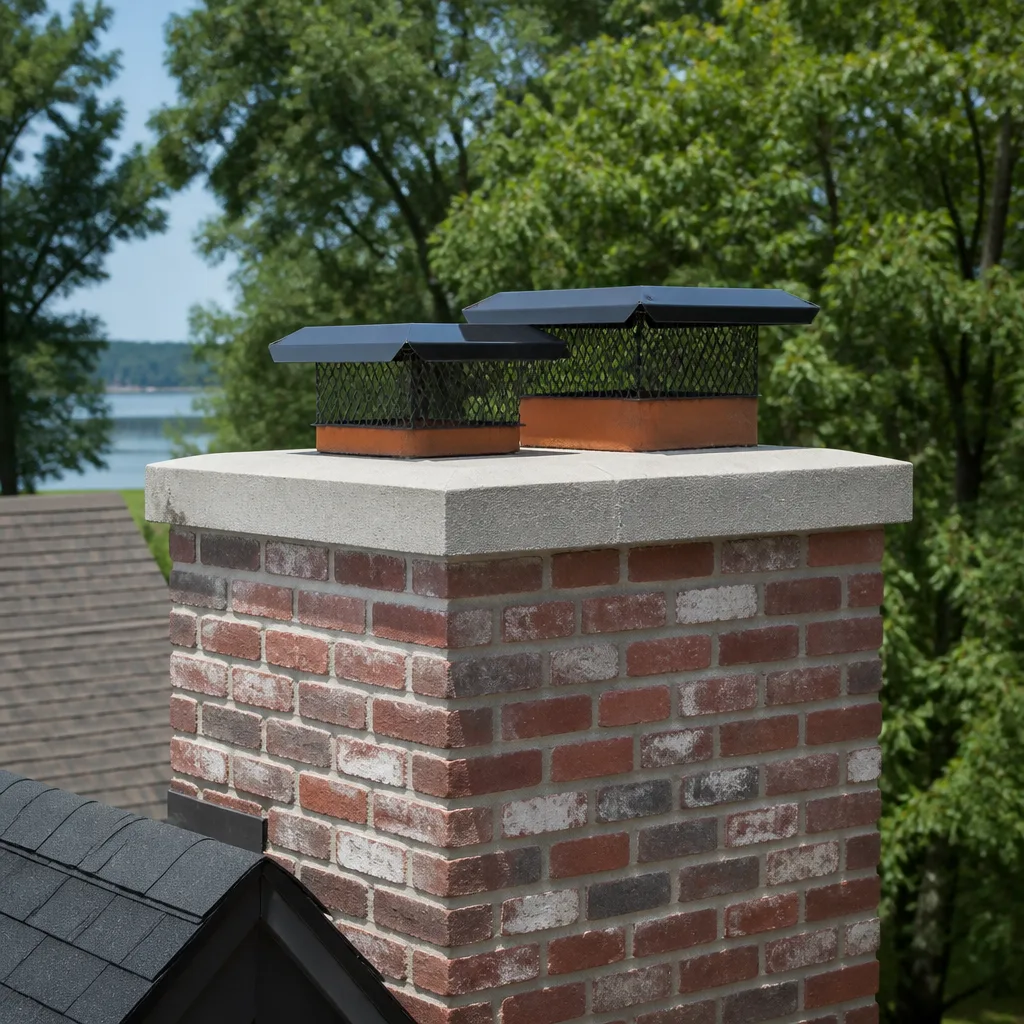
After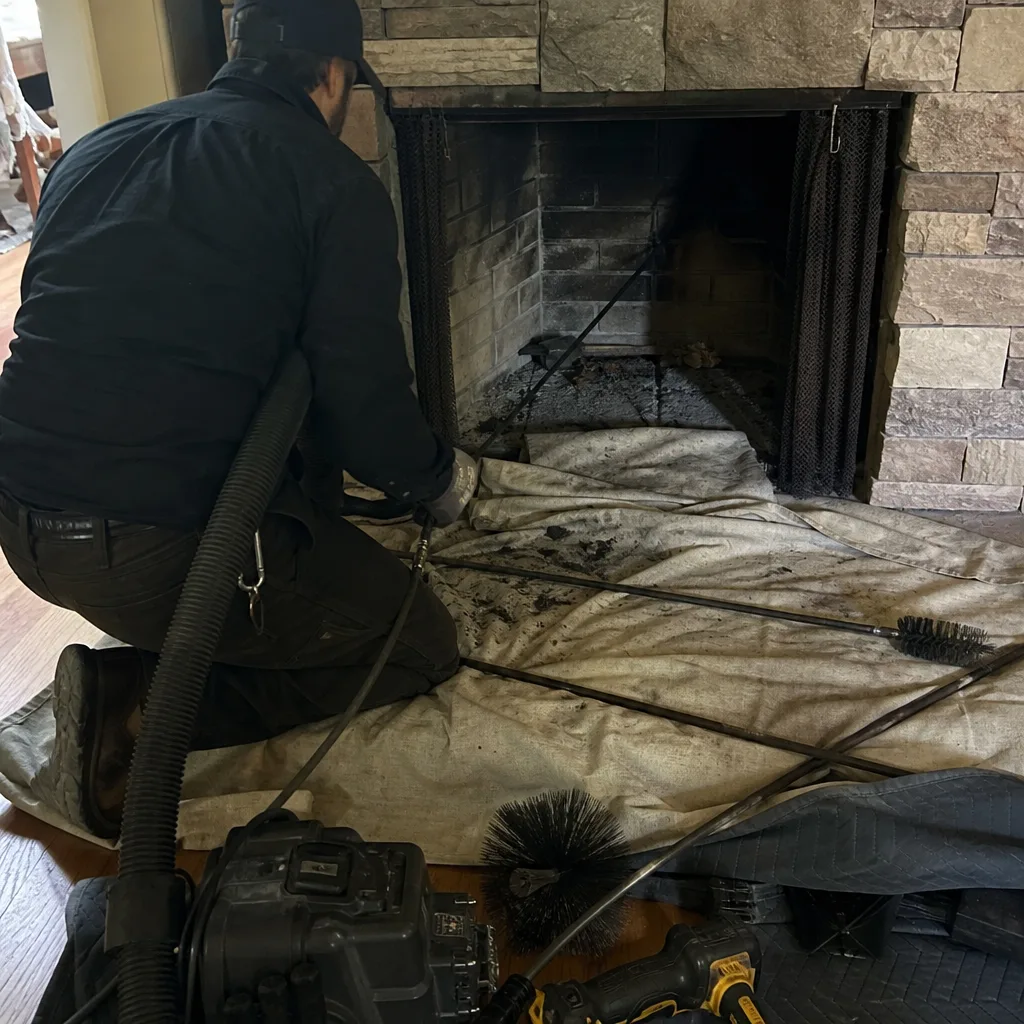 Before
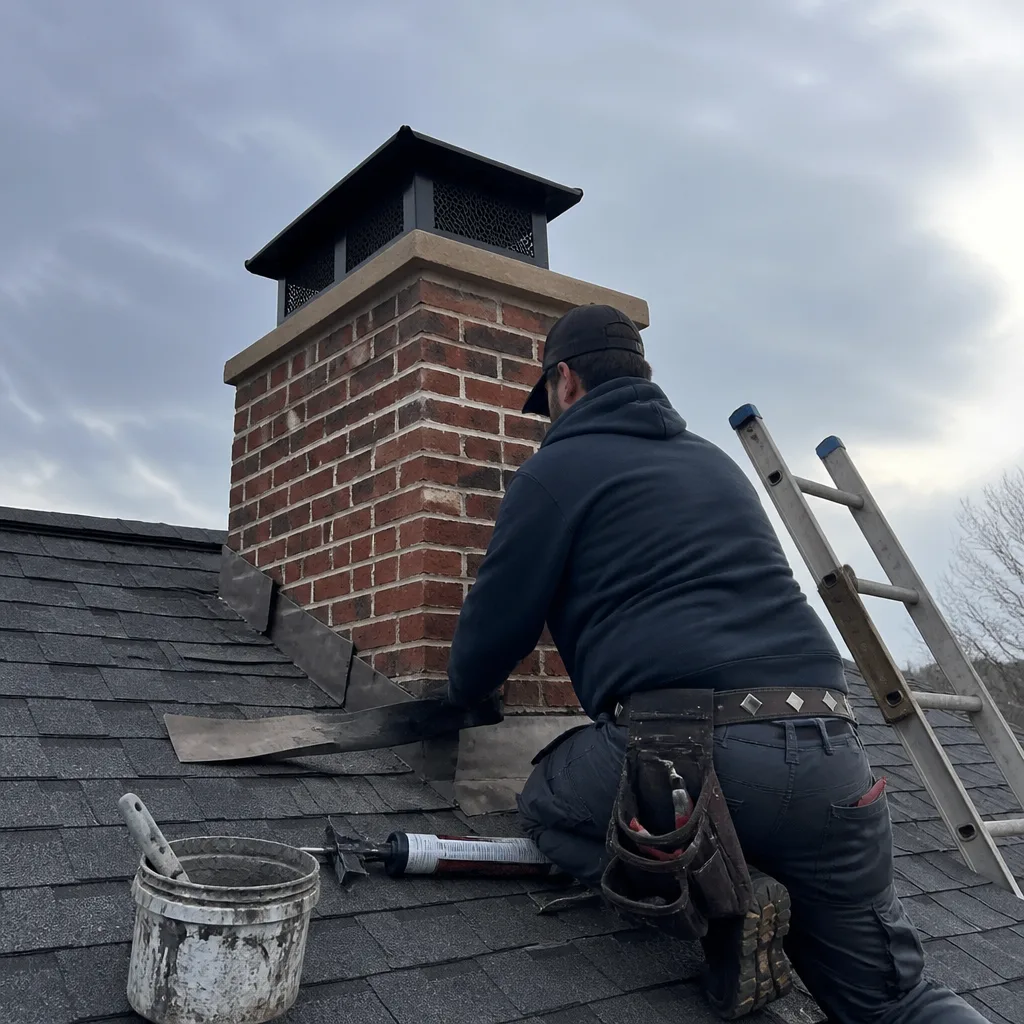 After
After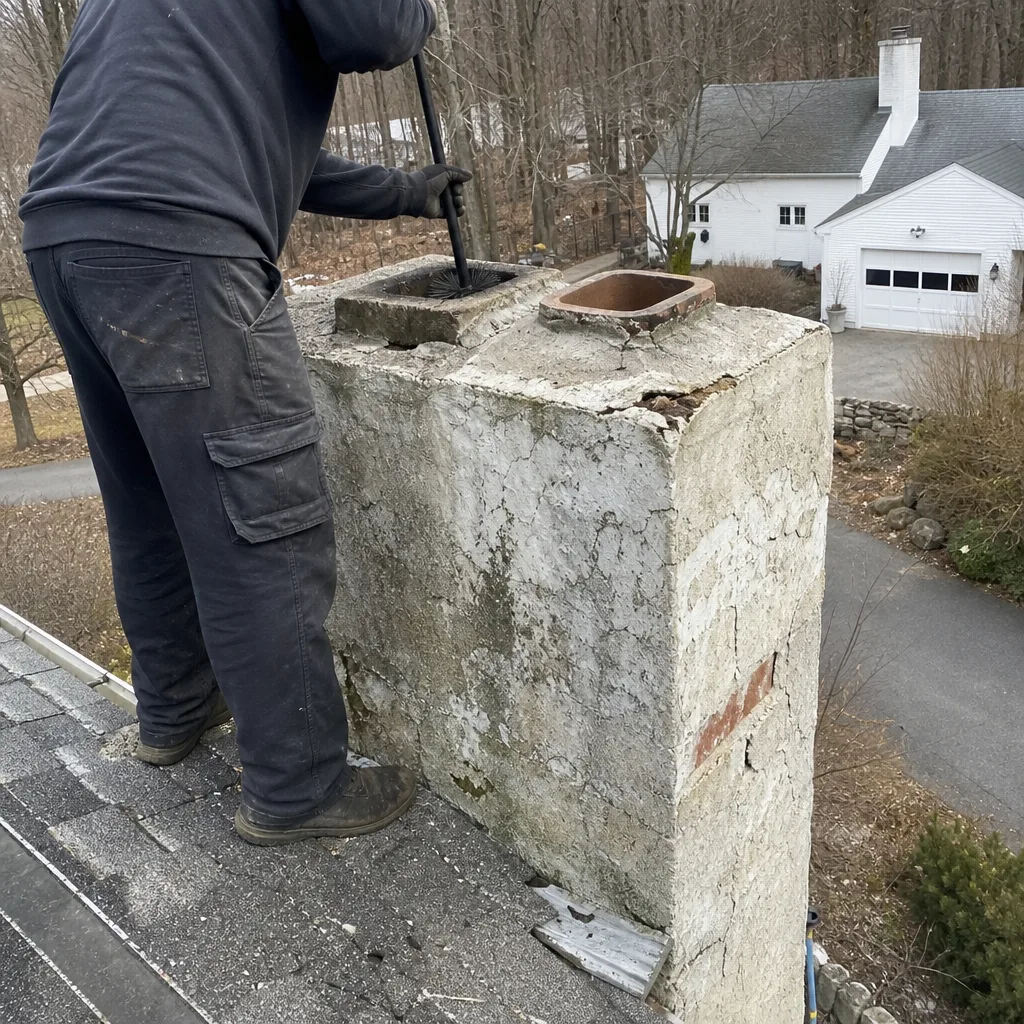 Before
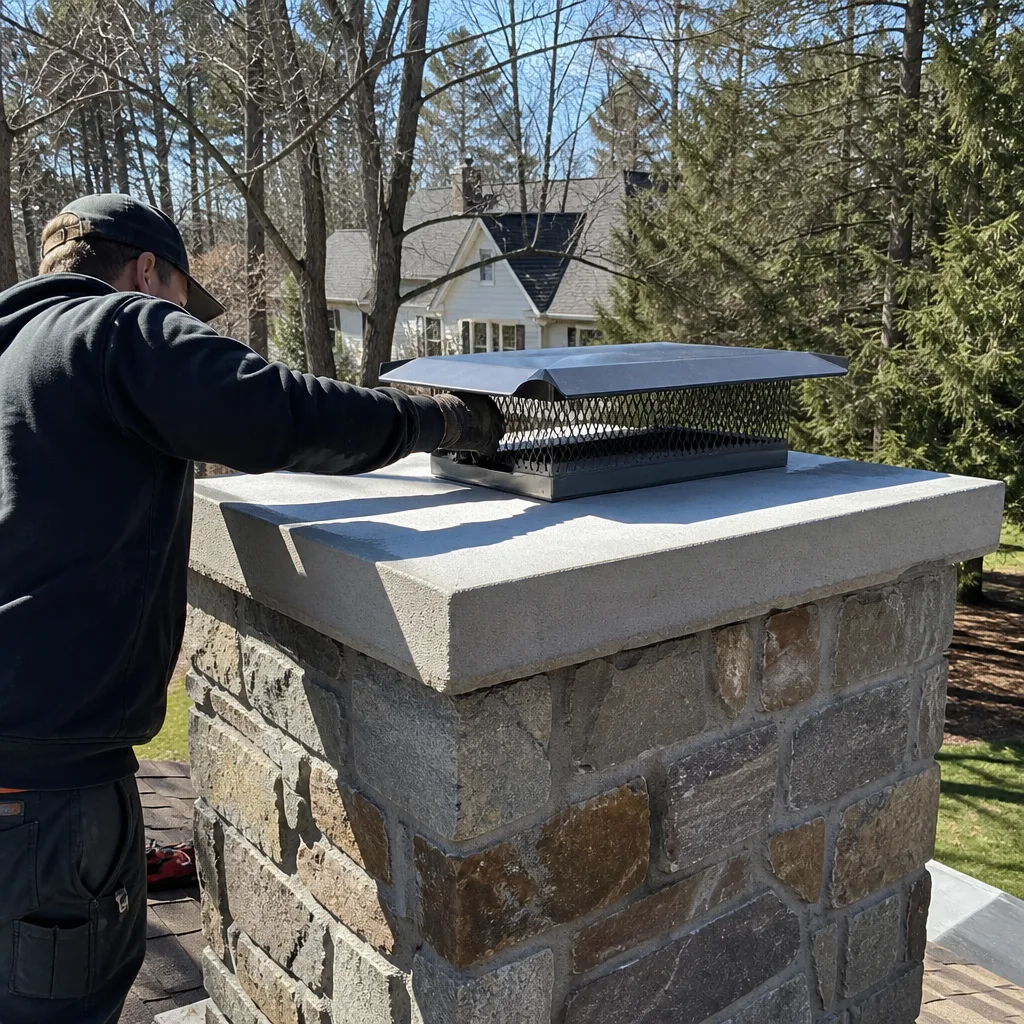 After
AfterFireplace Cleaning in Greenwich, CT
Fireplace cleaning in Greenwich, CT typically runs between $180 and $320 for a standard wood-burning firebox and smoke chamber, completed in a single visit with a camera-scan inspection included. Our Chimney Cleaning & Sweep services cover the firebox, smoke shelf, and smoke chamber, removing creosote and ash buildup, and we hand you a written price before any work starts – not after the technician is already on the job.
If you use your fireplace regularly through Greenwich’s cold season – roughly November through late March – annual cleaning isn’t optional. Creosote accumulates on every fire. At Class I it’s a light, flaky deposit. At Class II it becomes a tar-like coating. At Class III it’s dense, glazed, and the direct cause of chimney fires that burn at over 2,000 degrees. Most Greenwich homeowners we see haven’t had their firebox professionally cleaned in two or three seasons, and the smoke chamber above the damper is usually the worst of it.
Level Two Chimney Co. has completed more than 38,000 chimney inspections and cleanings since 2009, every one with a written price before work started and a documented photo record when it was done. Our Chimney Cleaning & Sweep in Greenwich service covers the full system from cap to cleanout – fireplace cleaning is the interior piece of that work, and it’s where most of the safety-critical buildup actually lives.
Call us at (516) 399-5497 – a live person answers 24 hours a day, 7 days a week.
When You Need Fireplace Cleaning
Some signs are obvious. Others aren’t, and that’s the part that causes problems. Here’s what we consistently see in Greenwich homes that tells us a cleaning is overdue:
- Smoke rolls back into the room on startup. If your firebox is drafting poorly and smoke isn’t pulling up the flue, a restricted smoke chamber or a packed smoke shelf is often the cause – not a damper problem. We see this frequently in older Greenwich colonials where the smoke shelf hasn’t been touched in years.
- A sharp, oily smell in the room – especially on humid days. That’s Class II creosote off-gassing. Greenwich summers are humid enough that a dirty flue will announce itself through the firebox opening from June onward, even with no fire burning.
- Black, greasy staining on the firebox walls or around the damper frame. Light gray ash is normal. Dark, glossy residue is not – it means creosote has migrated down from the smoke chamber onto surfaces it shouldn’t reach.
- You burned green or wet wood last season. Unseasoned wood produces significantly more creosote per cord than dry hardwood. One season of wet wood can push a clean flue to Class II faster than three seasons of properly seasoned oak.
- Visible debris, mortar chunks, or animal nesting material in the firebox. Squirrels and birds work their way into Greenwich chimneys through damaged caps or open flues, and nesting material in the smoke shelf is a fire hazard before you ever light a match.
- It’s been more than 12 months since the last cleaning. The National Fire Protection Association’s NFPA 211 standard recommends annual inspection and cleaning for any fireplace in regular use. If you’ve burned more than a cord of wood since your last cleaning, it’s time – regardless of how the fireplace looks from the outside.
Our Fireplace Cleaning Process
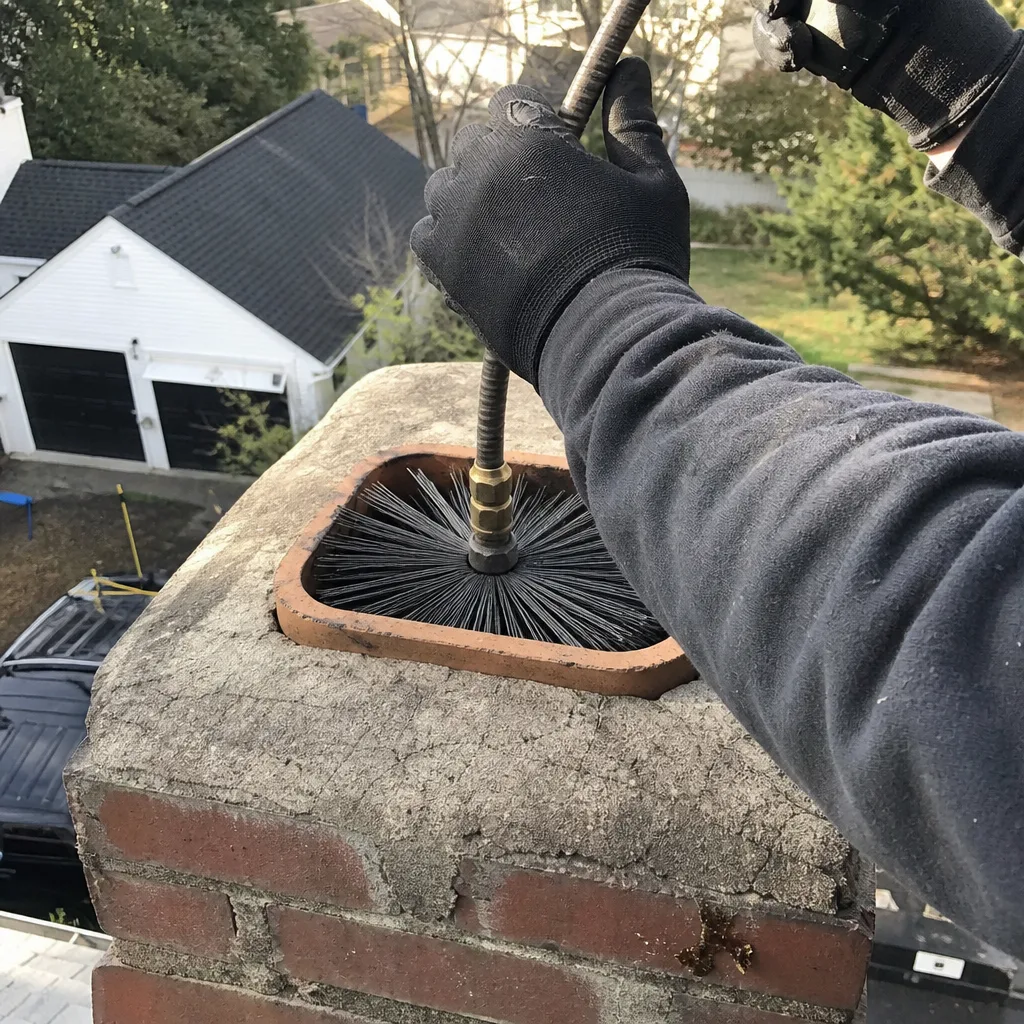
We don’t show up with a flashlight and a brush and call it done. Here’s exactly what happens on a Level 2 Inspection fireplace cleaning visit:
- Written price delivered before work begins. Under Clause 1 of the Haven Standard – the H.A.V.E.N. principle of “Have it in writing” – you receive a written price, written scope, and written warranty before the technician touches anything. No surprises after the drop cloths are down.
- Camera-scan inspection of the flue liner and smoke chamber. We run a camera down the flue per NFPA 211 Level 2 protocol. This documents the liner condition, identifies any cracking or spalling, and establishes a baseline photo record (Haven Standard Clause 4). A flashlight look from below doesn’t find liner damage. A camera does.
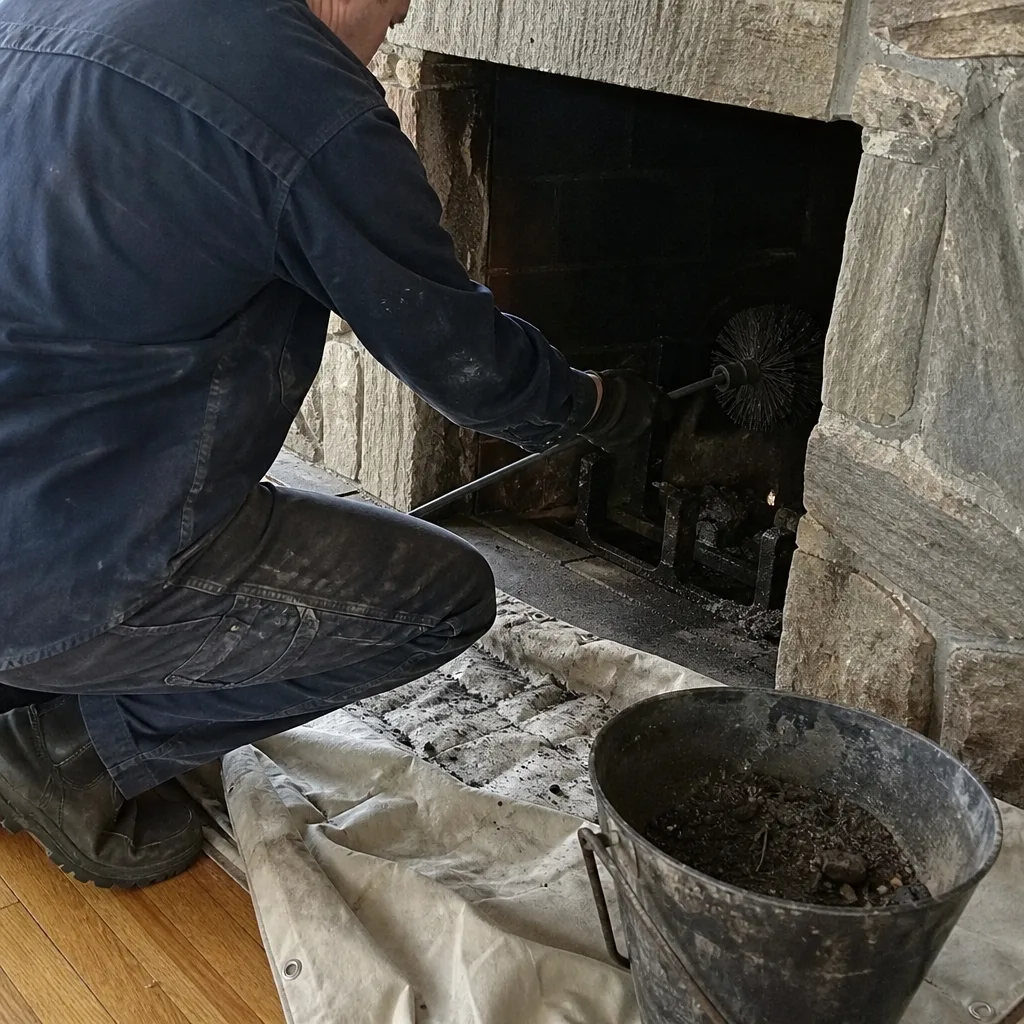
- Firebox and smoke shelf cleaning. The technician clears the firebox of ash and debris, then works the smoke shelf – the ledge just above the damper that catches falling creosote and debris. This is the piece most companies skip, and it’s the piece that causes the most chimney fires when it’s packed full.
- Smoke chamber cleaning and creosote removal. The smoke chamber is the funnel-shaped section above the smoke shelf that directs combustion gases into the flue. It’s the hottest zone and accumulates the densest creosote. We use rotary cleaning equipment and, where Class II or Class III deposits are present, we’ll document the class clearly and discuss treatment options – which may include a HeatShield application for corrugated smoke chamber surfaces – before any additional work starts.
- Damper check and firebox integrity assessment. We check the damper plate for warping, confirm it seats properly, and inspect the firebox refractory panels for cracks. Cracked refractory panels in the firebox are a code concern in Connecticut – they need documentation and, in most cases, replacement before the next fire.
- Documented photo record and written report. When we’re done, you have photos of what we found, what we cleaned, and the current condition of the system. That record travels with the home – useful at sale, useful for your insurer, and required under Clause 4 of the Haven Standard on every single job we do.
BeforeAfterFireplace Cleaning Pricing in Greenwich
Fireplace cleaning in Greenwich runs $180 to $320 for most residential jobs. The range exists because no two fireboxes are the same – here’s what moves the number:
| Service | Typical Price Range |
|---|---|
| Standard firebox and smoke shelf cleaning | $180 – $240 |
| Smoke chamber cleaning included | $240 – $320 |
| Class II creosote treatment (HeatShield application) | $320 – $520 |
| Class III creosote removal (rotary power cleaning) | $480 – $750+ |
| Firebox refractory panel replacement (per panel) | $90 – $180 |
| Camera-scan Level 2 inspection (included on every visit) | No additional charge |
A few things that push cost higher in Greenwich specifically: older brick colonial homes in Cos Cob and Old Greenwich frequently have larger-than-standard smoke chambers that require more time to clean thoroughly. Homes in Byram and the waterfront areas near Greenwich Point sometimes show accelerated mortar erosion from salt-air exposure, which shows up as loose debris in the firebox and smoke shelf. And homes in Backcountry Greenwich with large, open hearths often have more total surface area than a standard unit – more surface means more time.
The camera-scan inspection is included on every visit at no extra charge. It’s not an upsell – it’s how we document what we found so the written scope and price reflect reality, not guesswork.
We offer a Free Second Opinion on any written estimate. If another company gave you a quote, bring it to us. We’ll put our assessment and our price in writing alongside it.
Call (516) 399-5497 for a written estimate. No call-back, no voicemail – a live person answers every call.
What’s Actually Inside Your Fireplace: A Plain-Language Guide
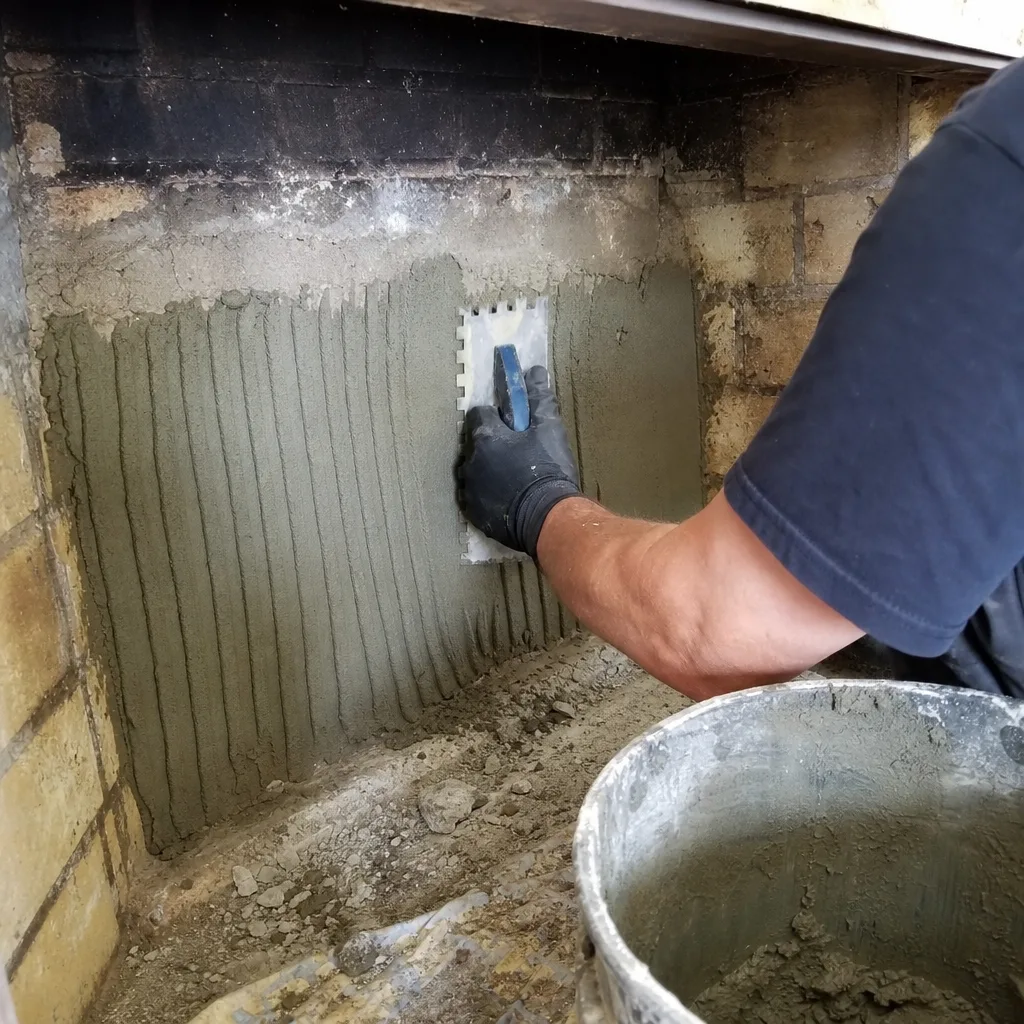
Most homeowners in Greenwich know what a fireplace looks like from the couch. Fewer know what’s above the damper, and that’s where the cleaning work actually matters. A quick orientation:
The Firebox
The firebox is the chamber you see – the refractory brick or panel box where the fire burns. It’s designed to contain heat and direct combustion gases upward. Refractory panels (the side and rear walls) are rated to withstand direct flame, but they crack over time from thermal cycling. A hairline crack is a monitoring note. A crack wider than 1/8 inch in a load-bearing panel is a repair item before the next use.
The Smoke Shelf and Damper
Directly above the firebox opening sits the damper plate – a metal flap that controls airflow and, when closed, seals the flue. Behind the damper frame is the smoke shelf, a flat ledge that catches falling debris, rain, and creosote. A packed smoke shelf disrupts draft and is a common cause of poor draw. It’s also where animals like to nest. Cleaning the smoke shelf is not optional – it’s a core part of what we do on every visit.
The Smoke Chamber
Above the smoke shelf, the firebox narrows into the smoke chamber – a funnel-shaped cavity that accelerates combustion gases into the flue liner above. This is the hottest zone in the system and the zone that accumulates the most concentrated creosote. Parging (the smooth mortar coating inside the smoke chamber) often deteriorates in older Greenwich homes, leaving a corrugated surface that traps creosote even faster. HeatShield can resurface a deteriorated smoke chamber without demolition, which is usually the right call when the underlying structure is still sound.
The Flue Liner
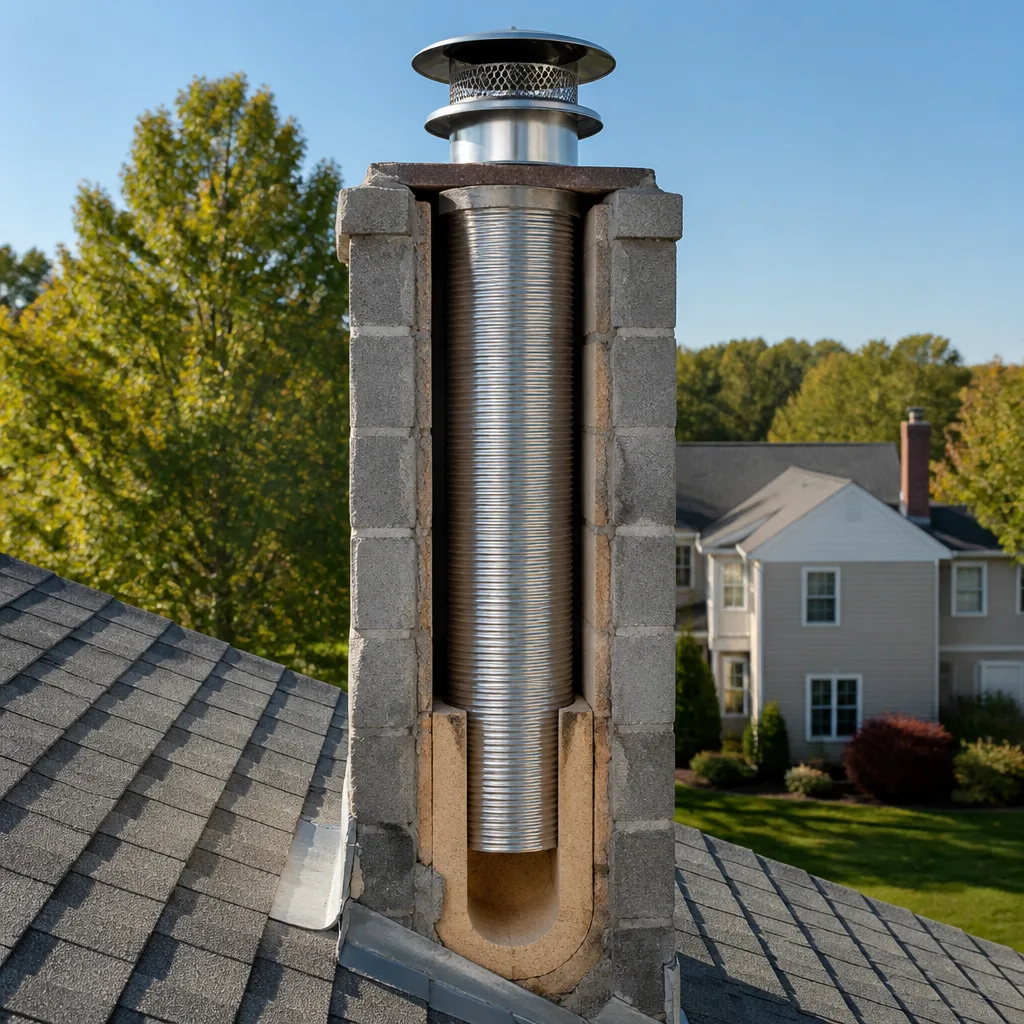
The flue liner is the interior channel that carries combustion gases from the smoke chamber to the outside air. In Greenwich homes built before the 1990s, most liners are terra cotta tile. In newer construction and post-repair installations, stainless steel DuraFlex liner is common. Liner cracks are a code issue in Connecticut and an insurance issue in most policies. Our camera-scan finds them. A flashlight look from the firebox doesn’t.
Greenwich-Specific Notes on Fireplace Cleaning
Greenwich homes vary a lot by neighborhood, and the variation shows up in our cleaning work. A few patterns we see regularly:
In Riverside and Cos Cob, we frequently work in homes built in the 1950s through 1970s with original terra cotta liners and smoke chambers that haven’t been parged since construction. The mortar between tile sections in these liners can deteriorate silently – no visible symptoms from the firebox, but a camera scan shows gaps that allow combustion gases to migrate into adjacent stud cavities.
In the Backcountry neighborhoods along North Street and Round Hill Road, large estate homes often have multiple fireplace systems – sometimes four or five separate flues in one chimney stack. Each one needs its own cleaning and camera scan. Multi-flue stacks in this area also tend to have clay tile liners with more vertical footage than a standard Greenwich colonial, which adds time and affects price.
In Belle Haven and the waterfront areas closer to Greenwich Point, salt air accelerates mortar erosion. We regularly find soft or spalled mortar joints in the smoke chamber of homes within a half mile of the water – a condition that looks fine from below but shows clearly on camera.
Newer construction in Pemberwick and mid-town Greenwich often has factory-built (zero-clearance) fireplaces rather than masonry units. These require a different cleaning approach and have manufacturer-specific clearance requirements. If your fireplace has a metal firebox with a glass-panel door and a factory label on the inside, it’s a factory-built unit – and we clean and inspect those too, with documentation specific to that unit’s make and model.
FAQs – Fireplace Cleaning in Greenwich, CT
How much does fireplace cleaning cost in Greenwich, CT?
Fireplace cleaning in Greenwich typically costs $180 to $320 for a standard masonry firebox and smoke chamber, with the camera-scan inspection included at no additional charge. Jobs requiring Class II or Class III creosote treatment or Soot Removal run higher – $320 to $750 depending on severity. You’ll have the exact written price before any work begins. Call (516) 399-5497 for a written estimate – no voicemail, no web form, a live person every time.
How often should a fireplace be cleaned in Greenwich?
Annual cleaning is the NFPA 211 standard for any fireplace in regular use. In Greenwich, the active burning season runs November through late March – five months of use accumulates enough creosote to warrant cleaning every fall before the season starts. If you burned unseasoned wood or had more than three or four fires per week, don’t wait the full 12 months.
Can Level Two Chimney clean a gas fireplace?
Yes. Gas fireplaces don’t produce creosote, but they do accumulate dust, debris, and occasionally insect or bird material in the firebox and flue. They also require inspection of the burner assembly, the gas log set condition, and the venting system for any deterioration. We inspect and clean gas fireplace systems in Greenwich and document the same written photo record we produce on every wood-burning job.
Is fireplace cleaning dangerous to do yourself?
The firebox itself – clearing out ash and loose debris – is something a homeowner can handle with the right tools and a good mask. But the smoke shelf, smoke chamber, and flue liner above the damper are a different matter. Working in those zones without a camera scan means cleaning blind, with no way to know if you’re pushing debris into a cracked liner section or dislodging material into a compromised smoke chamber. Creosote dust at Class II and above is also acutely hazardous if inhaled. For anything above the damper plate, a trained technician with proper equipment and a camera on the flue is the right call – not because of liability, but because the camera actually shows you what’s there.
Why Level Two Chimney Greenwich
Level Two Chimney Co. takes its name from the inspection standard it defaults to: NFPA 211 Level 2, camera down the flue, on every visit. Most companies in the Greenwich area offer a Level 1 Inspection visual check as their standard service and charge for the camera as an upgrade. We started the camera-scan documentation practice in 2009 – before regulators asked for it and before insurers started requiring it – and it became Clause 4 of the Haven Standard that governs every job we do.
Corrine Halstead leads Level Two Chimney Greenwich. Under her direction, every technician we send into a Greenwich home is background-checked, uniformed, and assigned by name before the visit. You’ll get a text when they’re on the way – not a two-hour window and a phone call from the road.
The 365-Day Done Right Promise is stamped on every job. If the work isn’t right, we make it right – without requiring a second conversation about whether it qualifies.
Materials for any repair work we do come through Haven’s buying network: HeatShield for smoke chamber restoration, DuraFlex for liner work, Copperfield and Famco components where applicable. That procurement process exists specifically to keep material costs – and customer prices – honest.
Visit our home page for a full overview of what Level Two Chimney Co. does and how the Haven Standard applies to every service we offer.
Schedule Fireplace Cleaning in Greenwich
If your fireplace hasn’t been cleaned and camera-documented in the past 12 months, the time to act is before the burning season – not after the first smoky fire of the fall. Call (516) 399-5497 to schedule. A live person answers 24 hours a day, 7 days a week. You’ll get a written price before anyone starts work, a photo record when it’s done, and 365 days of coverage under the Done Right Promise.
Estimates are free. The camera scan is included. The written price comes before the work – always.
Written by Corrine Halstead, Owner at Level Two Chimney Greenwich, serving Greenwich.