
Level 1 sweep and inspection to the NFPA 211 annual standard - flue, crown, cap, and flashing checked and photographed
Chimney sweep logs do not sweep chimneys. They loosen some creosote - which then falls where a brush and vacuum still have to collect it.
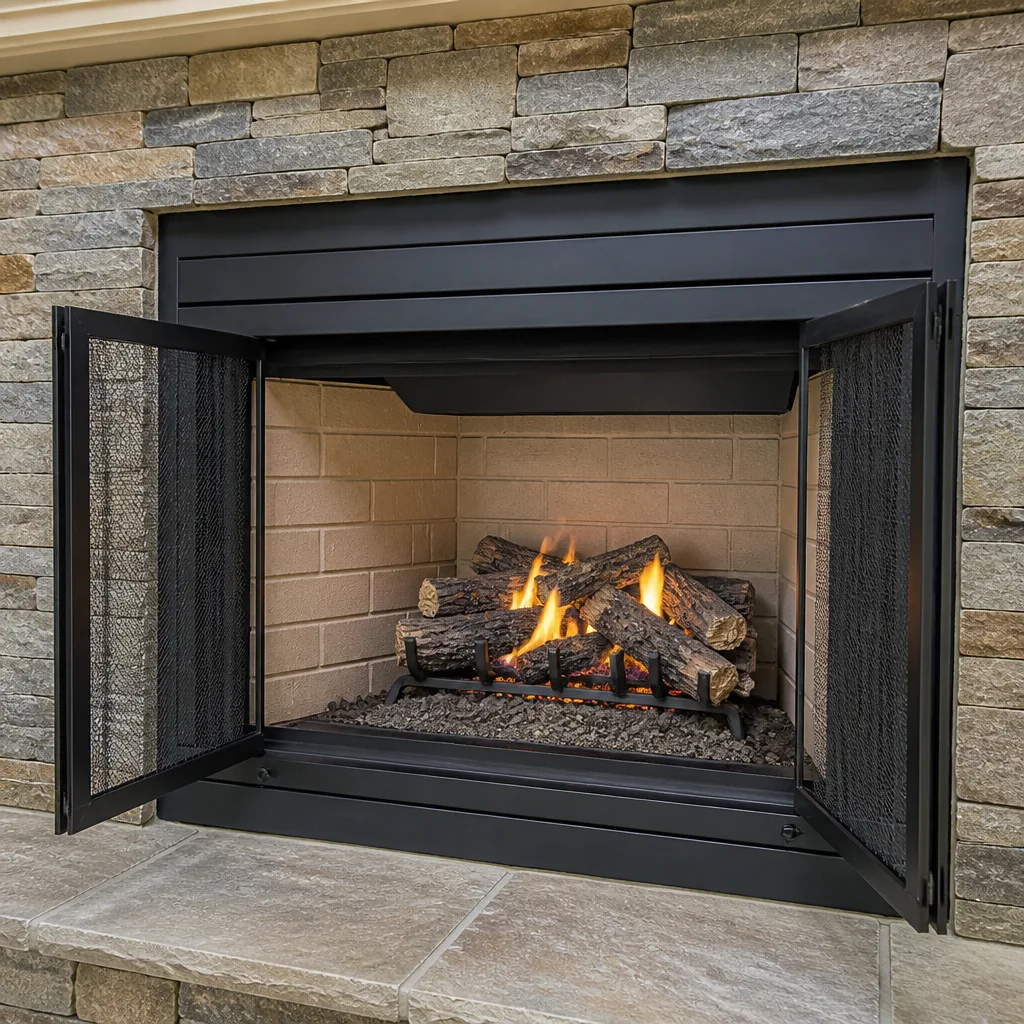
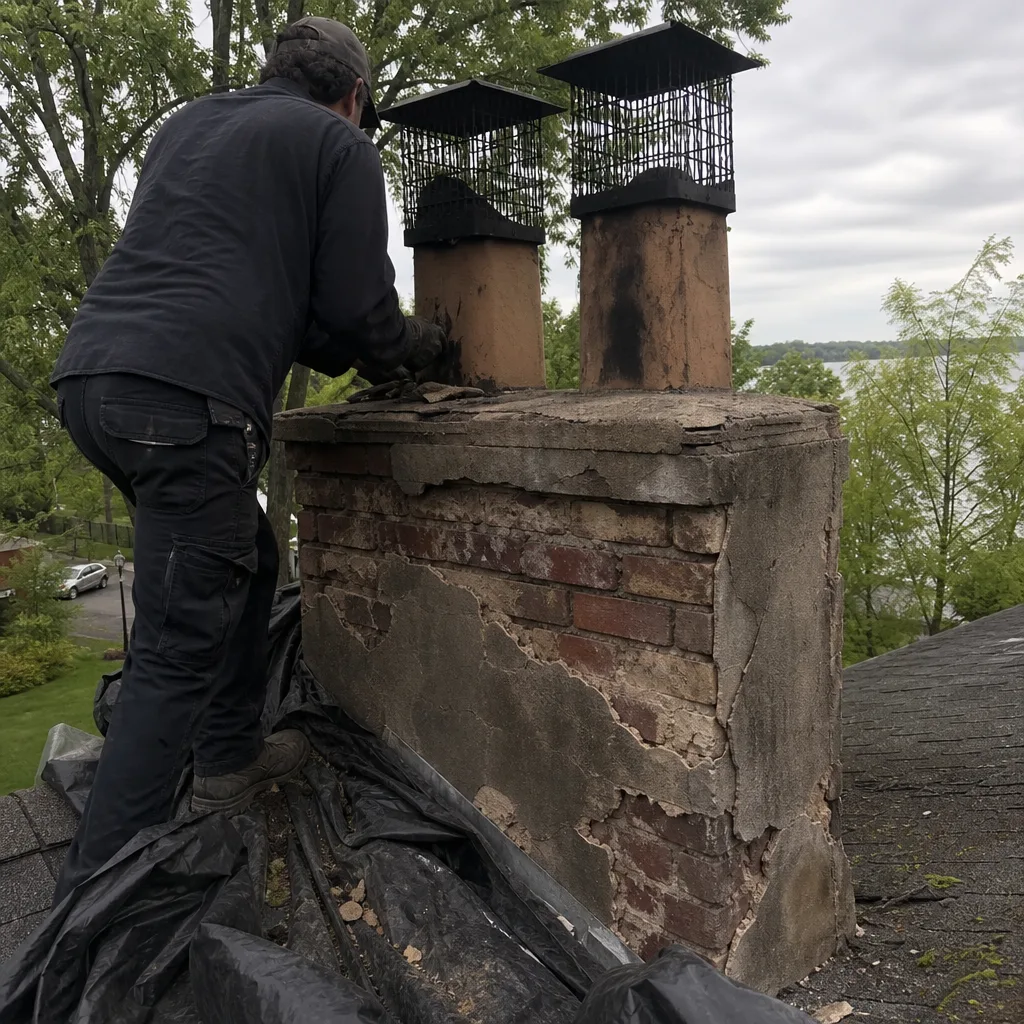 Before
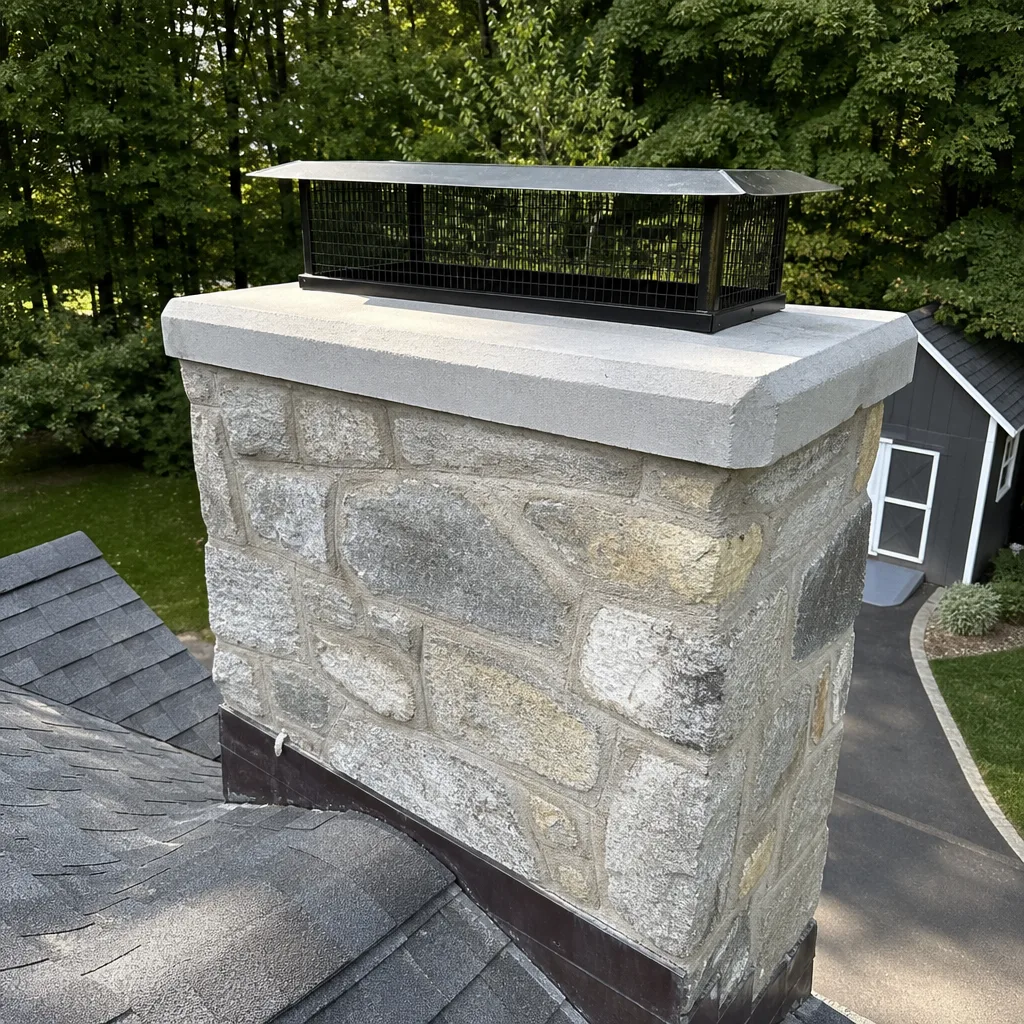 After
After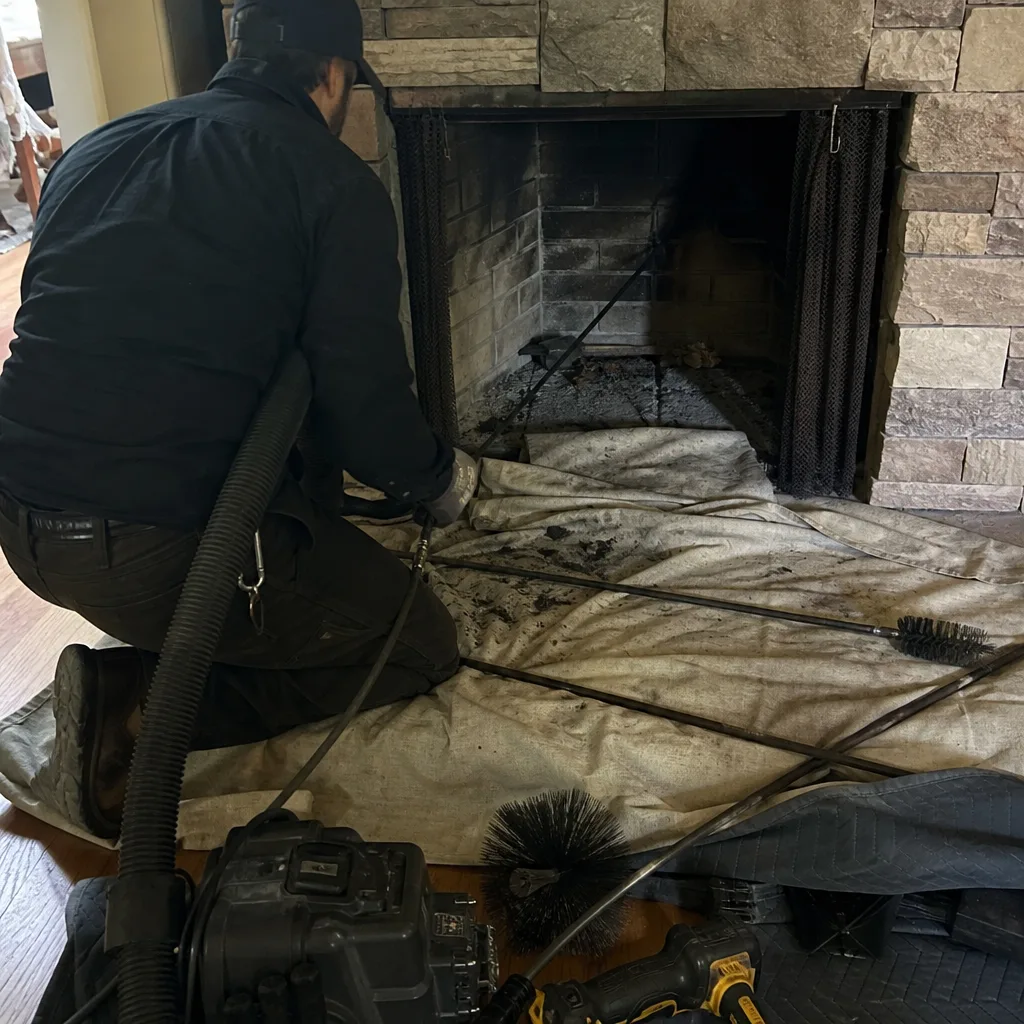 Before
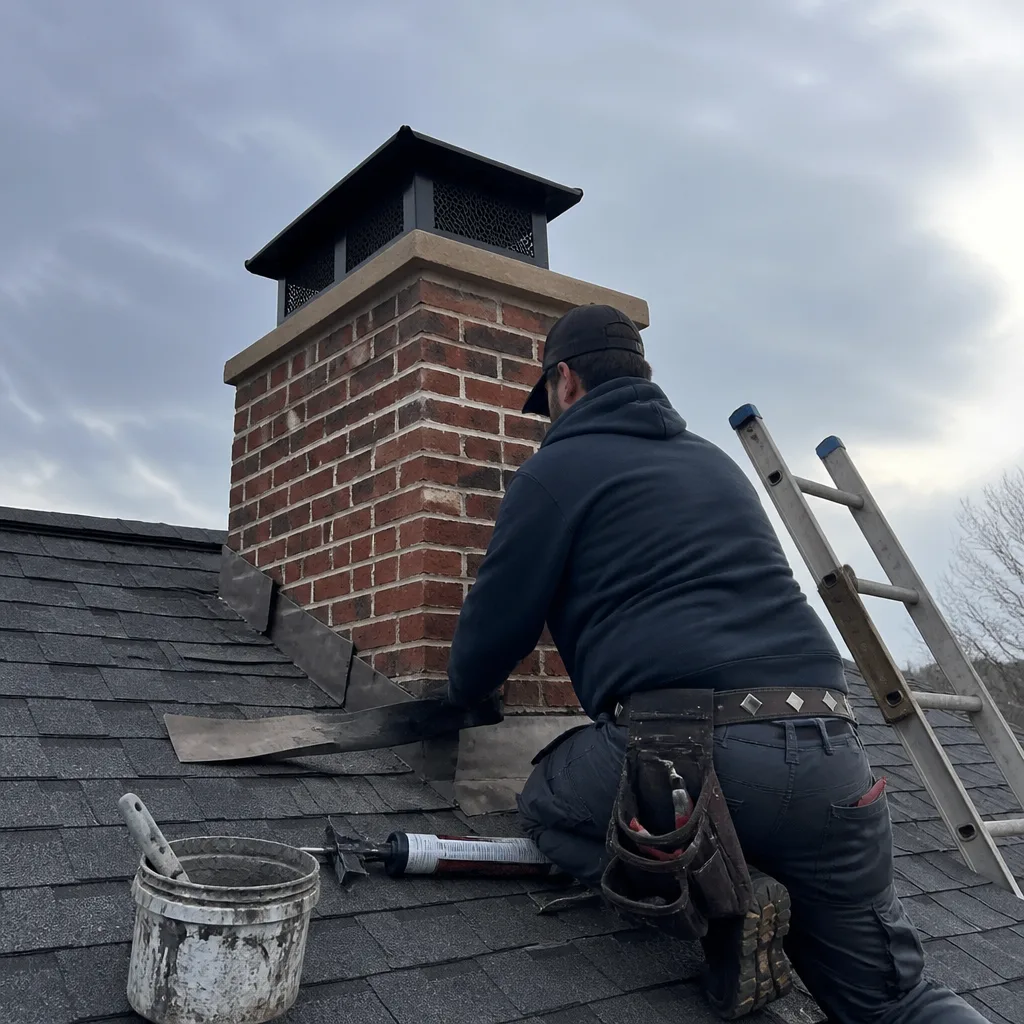 After
After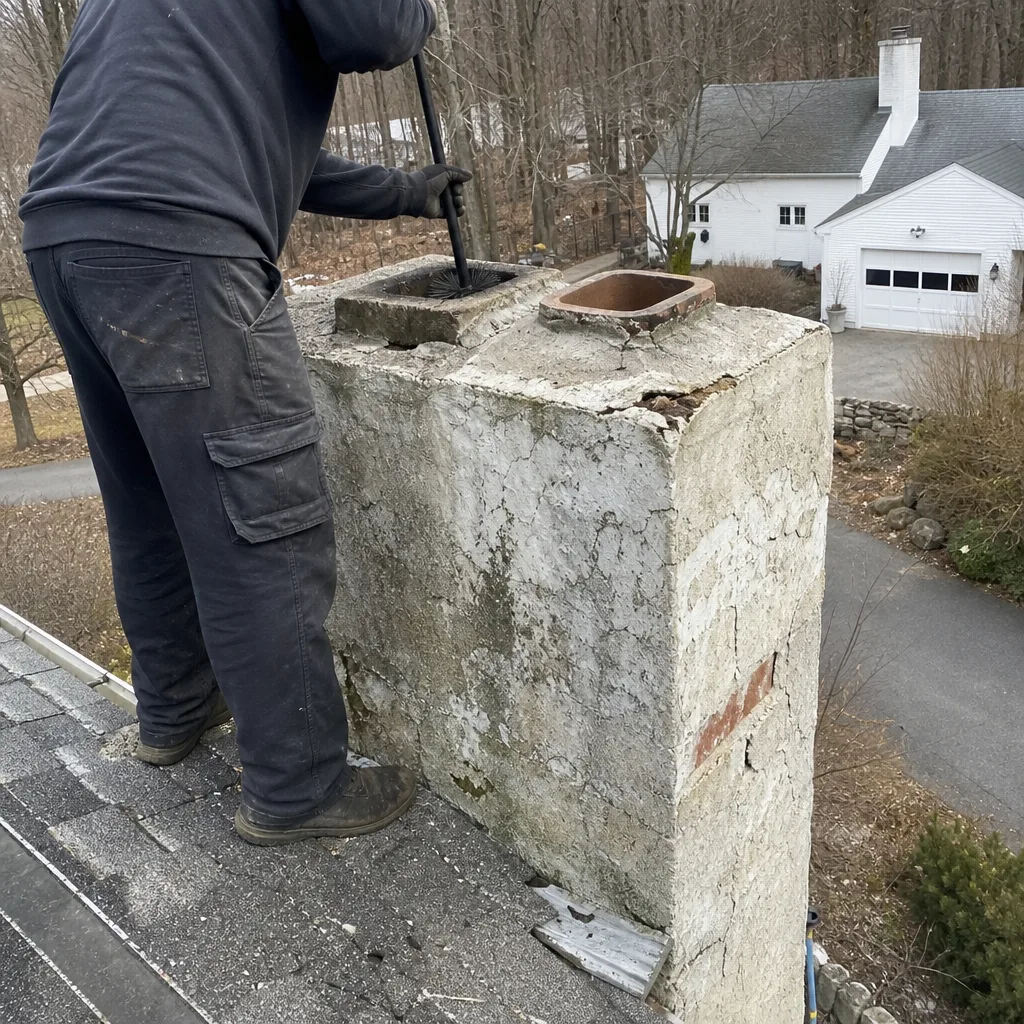 Before
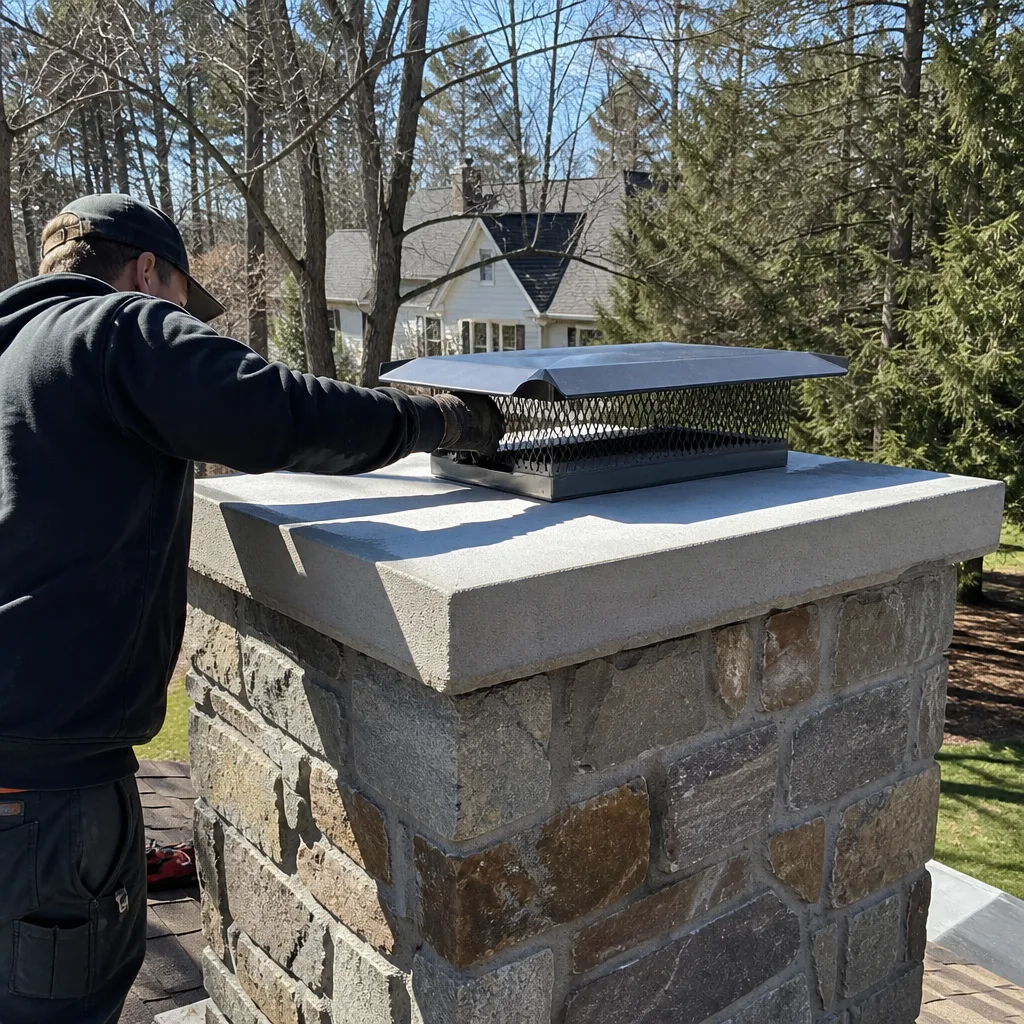 After
AfterCopperfield Chimney Cap Installation: The Greenwich Owner’s Guide
A Copperfield chimney cap installation in Greenwich typically runs $385 to $720 installed, depending on the cap model, flue size, and whether the crown needs minor patching while we’re up there. We stock Copperfield-compatible caps and custom-fabricated options on the truck, so most jobs are done in a single visit. Owners usually discover the cap has failed the ugly way: a rusted flange in the garden after a storm, a new water stain on the ceiling, or birds waking them up at 5 a.m. inside the flue.
We’re Level Two Chimney Greenwich, an independent chimney service company. We’re not affiliated with Copperfield, but we install and repair their products every week across Fairfield County. This page covers everything we know about matching, pricing, and installing Copperfield caps on Greenwich homes.
Which Copperfield Models This Applies To
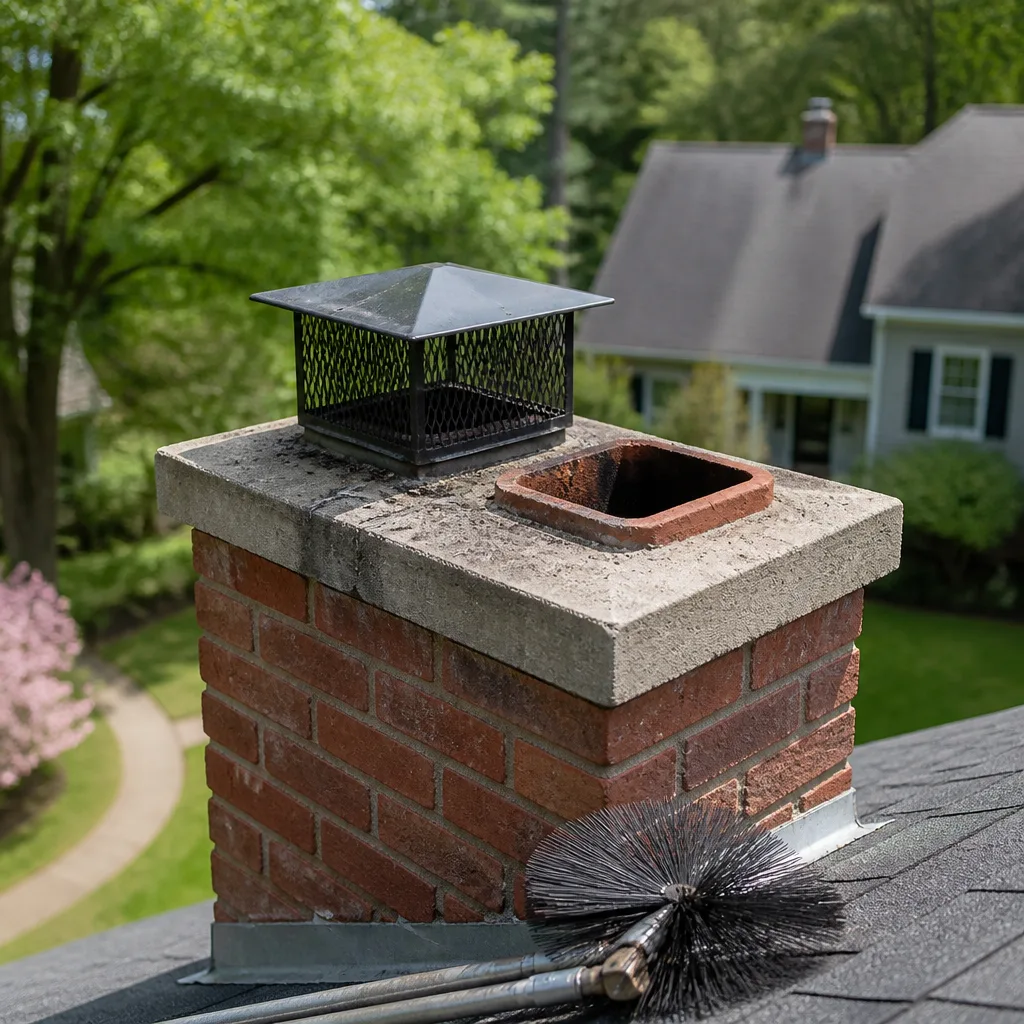
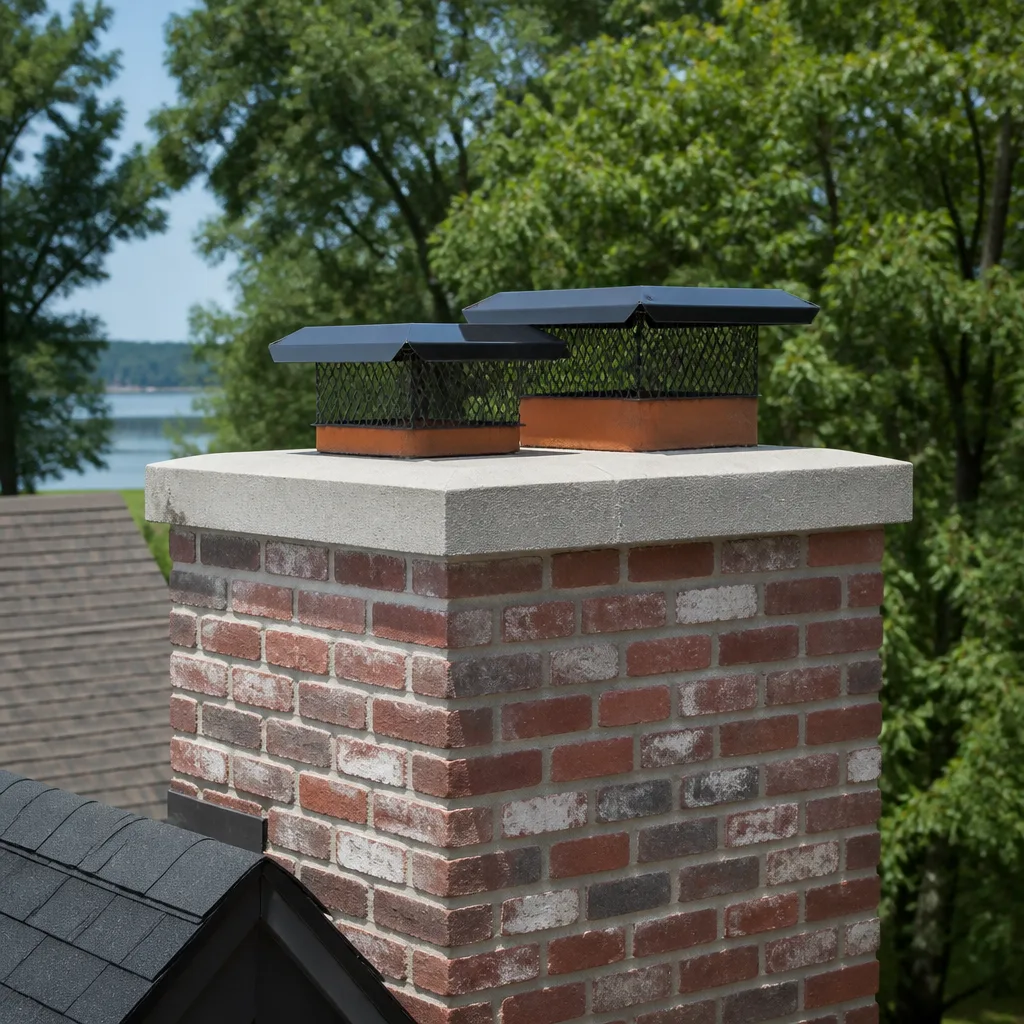
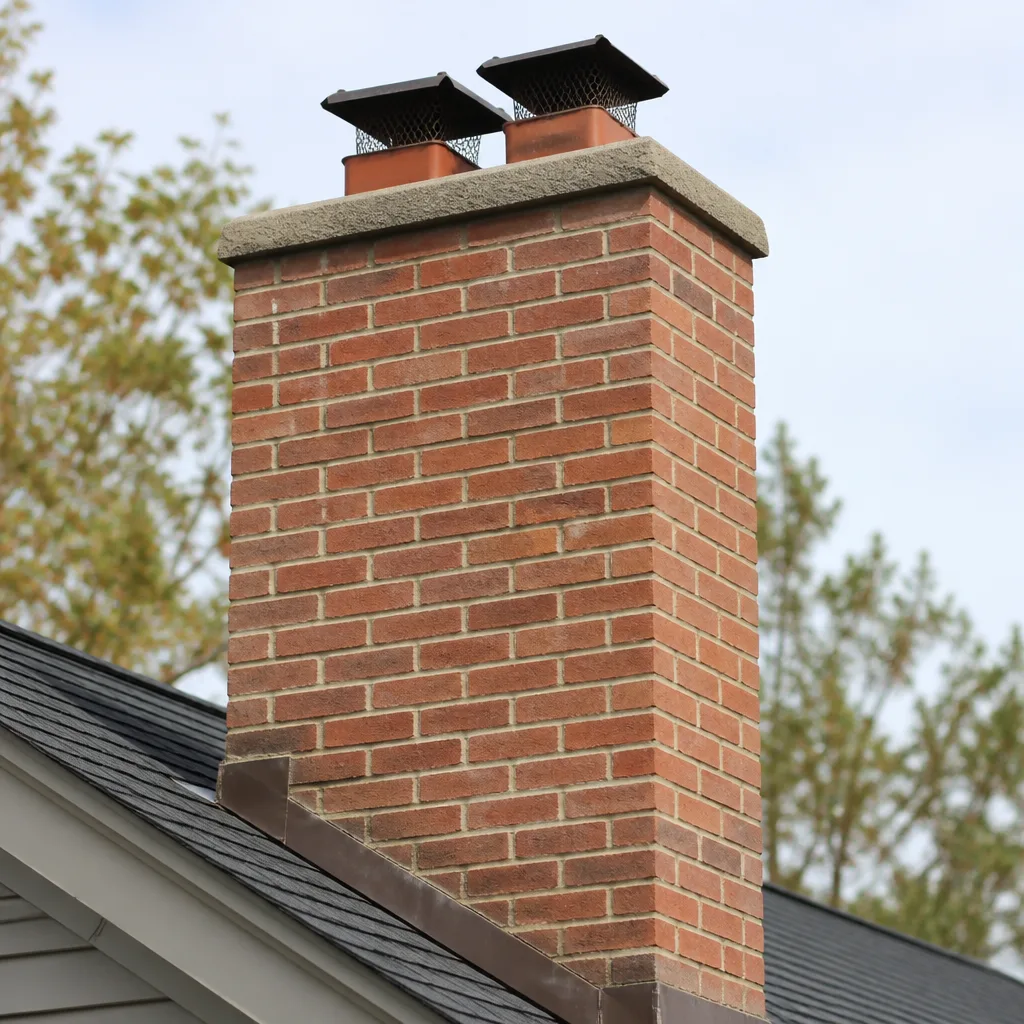
Copperfield makes three cap lines that show up on Greenwich chimneys, and they don’t all age the same way. The single-flue caps (the classic box-style with mesh sides) fit flue tiles from 8×8 through 13×13 and are the most common on older colonials in Cos Cob and Riverside. The leg-style caps with a hinged lid were built for masonry flues without a smooth outside edge, common on pre-1970s homes in central Greenwich. The multi-flue copper and stainless crown caps are custom-cut to cover the full chimney crown, and those get paired with a galvanized or stainless skirt.
The compatibility gotcha we see constantly: Copperfield’s leg kits are adjustable in theory, but the legs bind when the flue tile is even slightly out of square. On a backcountry estate home with a 9×13 oval flue, that means cutting the legs down and anchoring the cap with tap-cons into the crown rather than relying on the pressure fit. We measure the flue top and the tile lip before quoting, because the cap that matches the box you brought from the hardware store doesn’t always match the chimney you have.
As for OEM versus aftermarket: Copperfield caps are well-built, but on coastal Greenwich homes within a mile of Long Island Sound, the standard stainless mesh on their mid-tier models shows rust in 4-6 years. We stock Olympia Chimney and Famco equivalents in 316 marine-grade stainless when the house sits close enough to salt air, and we’ll tell you which one makes sense based on the address, not the margin.
Signs Your Copperfield Chimney Cap Installation Is Failing
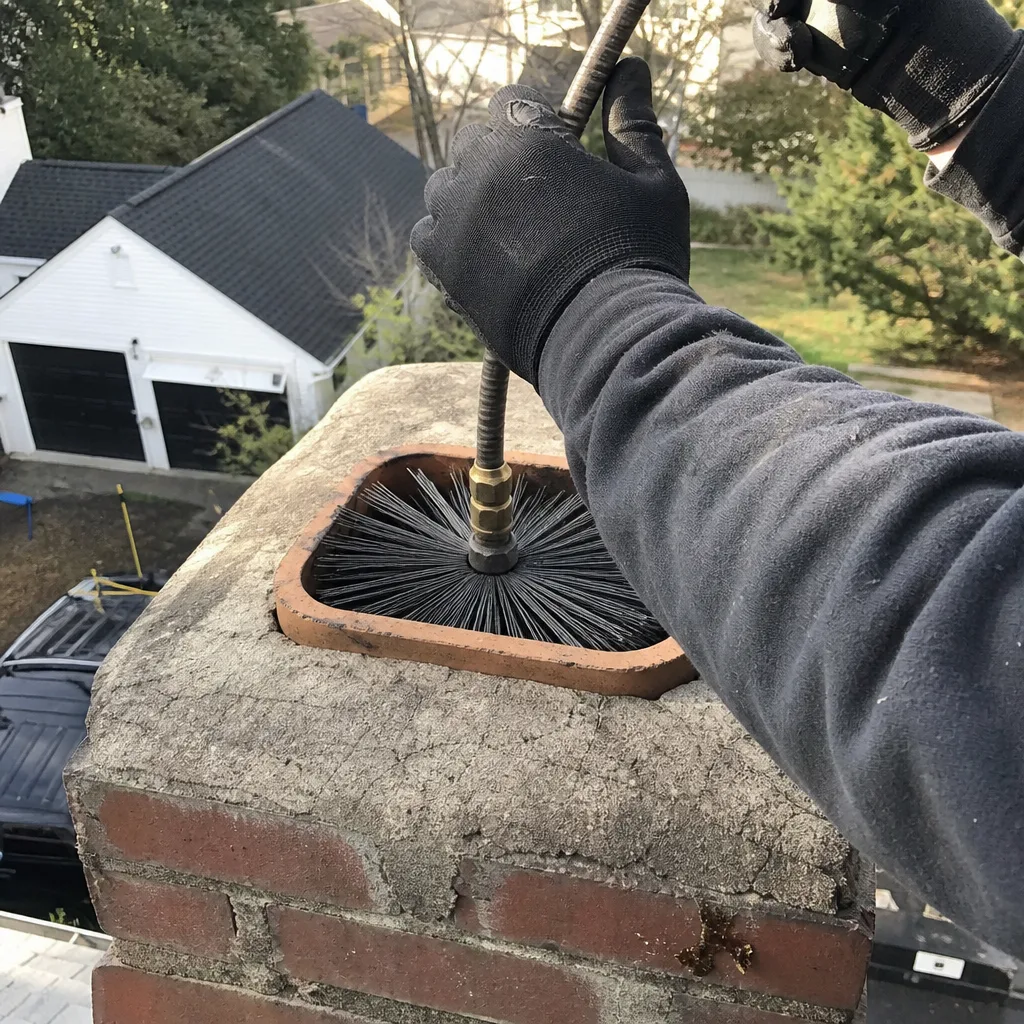
- Water staining on the ceiling or firebox walls. A failed cap seam lets rain run straight down the flue, and by the time you see the stain, water has already been moving for a season or two. Cameras find the damp mortar line before the painter does.
- Rust on the exterior cap flanges or mesh. Copperfield’s standard stainless holds up inland, but homes within the salt-air belt of Greenwich Point and Belle Haven typically show flange rust first. Flange rust spreads to the crown and causes spalling – the concrete starts crumbling in chunks.
- Downdraft on windy days. A cap that’s shifted or lost its screen changes the draft balance. Smoke rolls back into the living room when the wind comes over the ridge the wrong way. A properly seated Copperfield cap breaks that pressure difference.
- Birds, bats, or debris in the firebox. One torn mesh corner is an open door for nesting season. We’ve pulled three feet of twig and dried grass out of a Greenwich flue in April because the cap mesh had a hole the size of a quarter.
- The cap itself is gone – or sitting in the yard. Wind, ice, and ten years of thermal cycling eventually pop the leg attachments or the set screws. A cap in the garden means your flue has been completely exposed since the last storm.
BeforeAfterReplacement Cost & What’s Included
Here’s the honest Greenwich pricing, written down because that’s how Level Two has always done it:
- Single-flue Copperfield cap (basic stainless): $385-$470 installed
- Single-flue Copperfield cap with spark arrestor mesh: $450-$540 installed
- Custom multi-flue copper or stainless crown cap: $580-$720 installed, depending on crown dimensions
- Flange reseal or minor crown patching during install: $60-$140, only if needed – we show you a photo before recommending it
Every quote includes the cap, fasteners, installation labor, a camera scan of the flue interior, and a photo record of the finished work – the documented record that’s been standard for us since 2009 under Clause 4 of the Haven Standard. We hand you a written price and scope before we unload a ladder, not after. The 365-Day Done Right Promise applies to every Copperfield cap installation: if it’s not seated right or the draft doesn’t improve, we come back and make it right.
DIY or Call Us?
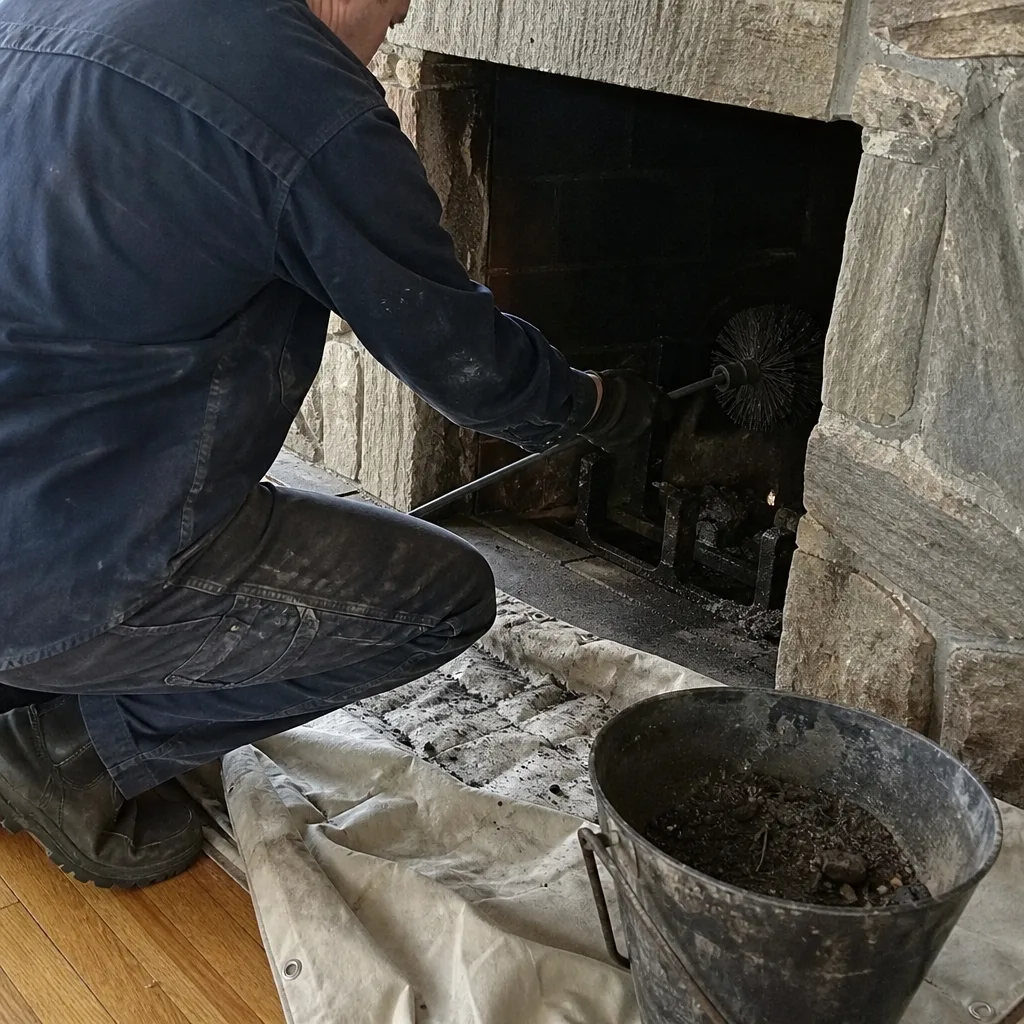
Chimney work is roof work, and in Greenwich that means a 2-story pitch off a tile or shake roof in weather that changes faster than the tide. If your cap is visually damaged and you’re comfortable on a ladder with a two-point harness, you can photograph it and measure the flue tile yourself. Send us the photos, and we’ll match the cap and tell you honestly whether the existing fasteners will hold. What you shouldn’t DIY: drilling into the crown for new anchors without checking the crown’s condition. A cracked crown drilled wrong becomes a $900 repair. The camera doesn’t guess. Neither do we.
If you’re not comfortable on a 24-foot extension ladder or the roof is slate, cedar shake, or steep-pitch (common in central and northern Greenwich), call us at (516) 399-5497. Estimates are free, written, and come with photos of exactly what we found.
FAQs
A Copperfield cap lasts roughly 8-12 years on inland Greenwich homes and 5-8 years on coastal properties within a mile of the Sound, where salt air accelerates mesh and flange corrosion. Homes with heavy wind exposure near open water or ridgelines tend to shorten that, as do chimneys that run wood fires heavily. We document the cap condition in the photo record so you can track the actual aging instead of guessing. Call (516) 399-5497 for a measurement and a written replacement price.
In most cases, no – the failure points are the welded seams and the electrochemical corrosion where the mesh meets the frame, and those aren’t field-repairable in a way that lasts. The exception is a loose clamp or set screw on the leg system, which we’ll tighten and re-seat for a small charge and document with photos. If the cap is rusted through or the mesh is torn, replacement is cheaper than repeated patch attempts.
A standard single-flue Copperfield cap swap takes 45-90 minutes from ladder setup to cleanup. That includes the camera scan, the cap install, the photo report, and the written warranty. Custom multi-flue caps require fabrication time – typically 1-2 weeks – and the install itself runs 2-3 hours because the cap is cut to the exact crown dimensions.
Yes, we stock the most common Copperfield single-flue sizes – 8×8, 9×13, 11×11, and 13×13 – along with our standard mesh and spark arrestor options. For custom crowns, we measure, order through our supplier network (which includes Copperfield, Olympia, and Famco), and schedule the install once the cap arrives. 38,000+ chimneys inspected and cleaned since 2009 means we know which sizes Greenwich homes actually use.
Contact Us for a Free Estimate
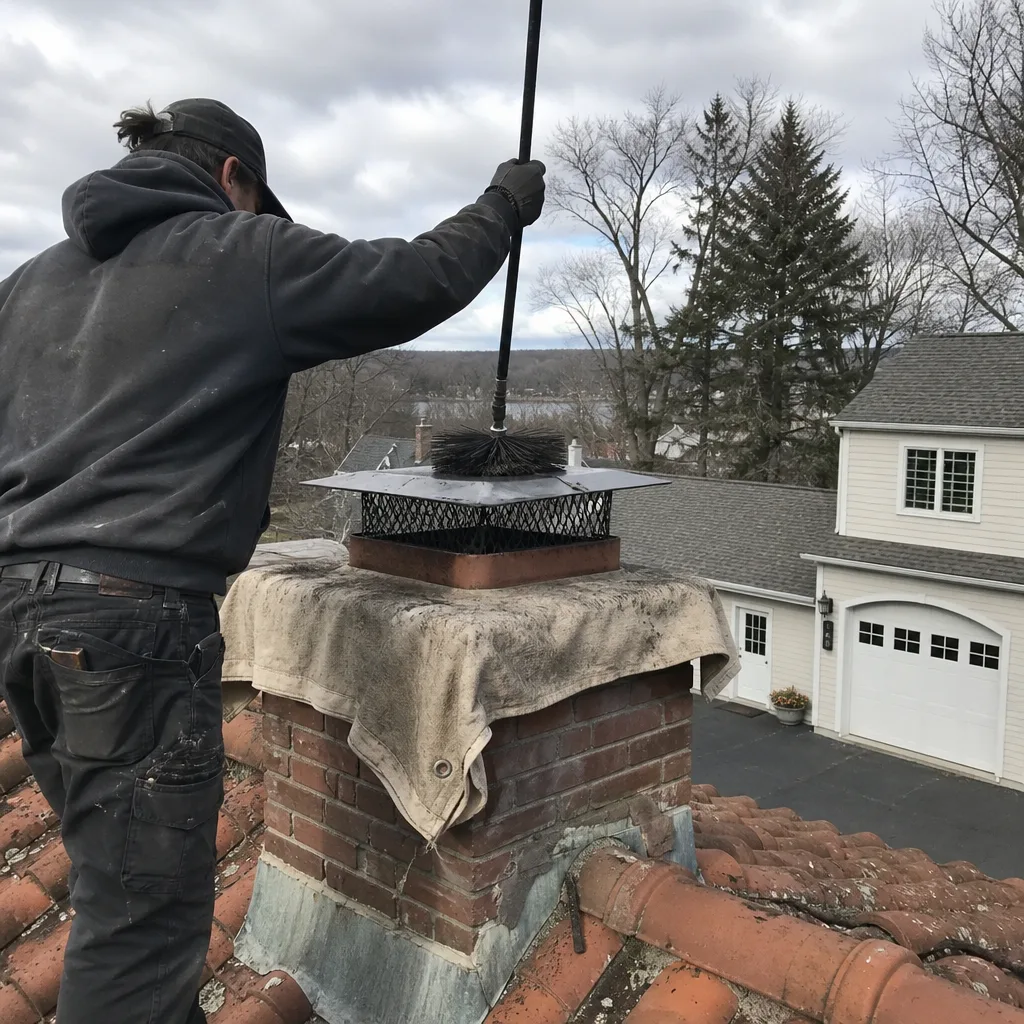
If your Copperfield cap has failed, moved, or rusted through, we can measure, price it in writing, and install the replacement – with a camera scan and photo record on every visit. Call us at (516) 399-5497 or stop by. A live person answers, and the quote is always in writing before any work starts.
Written by Corrine Halstead, Owner, Level Two Chimney Greenwich at Level Two Chimney Greenwich, serving Greenwich and nearby areas.