
Level 1 sweep and inspection to the NFPA 211 annual standard - flue, crown, cap, and flashing checked and photographed
Chimney sweep logs do not sweep chimneys. They loosen some creosote - which then falls where a brush and vacuum still have to collect it.
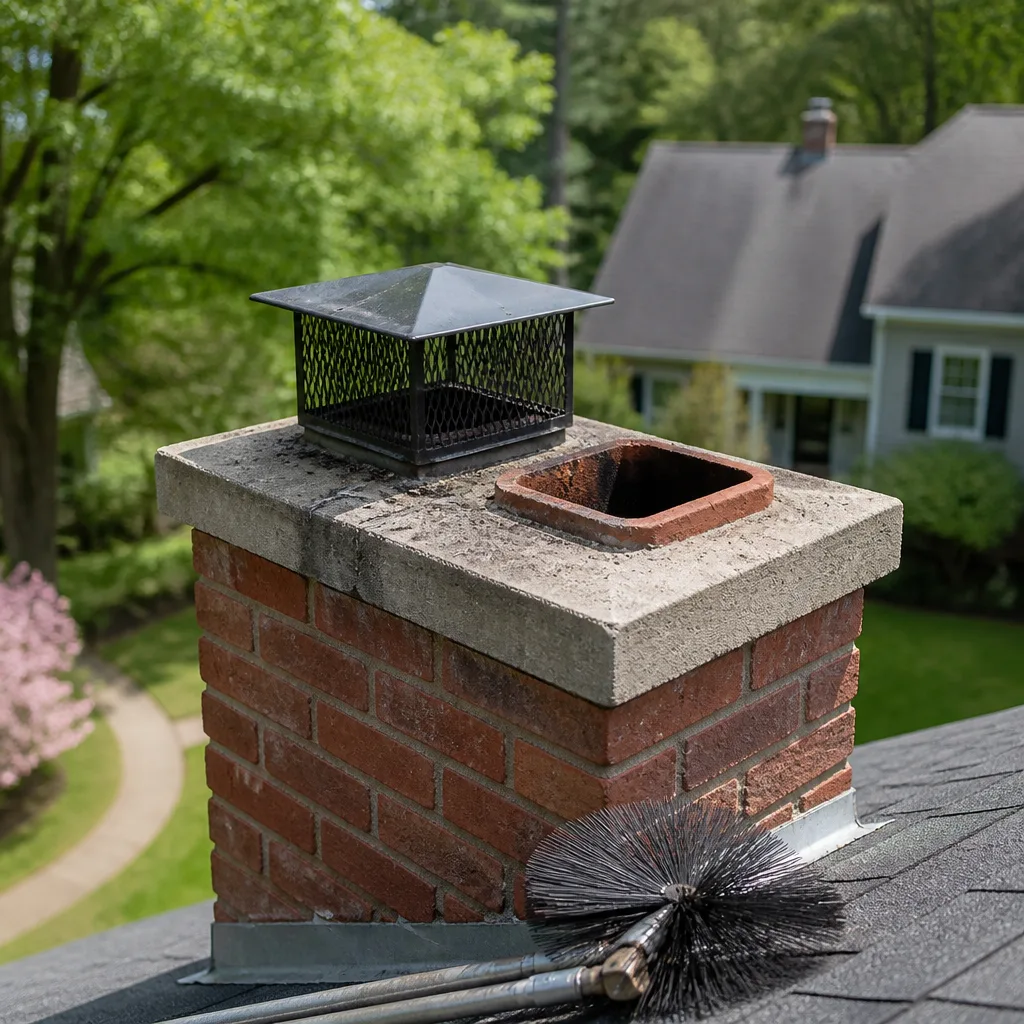
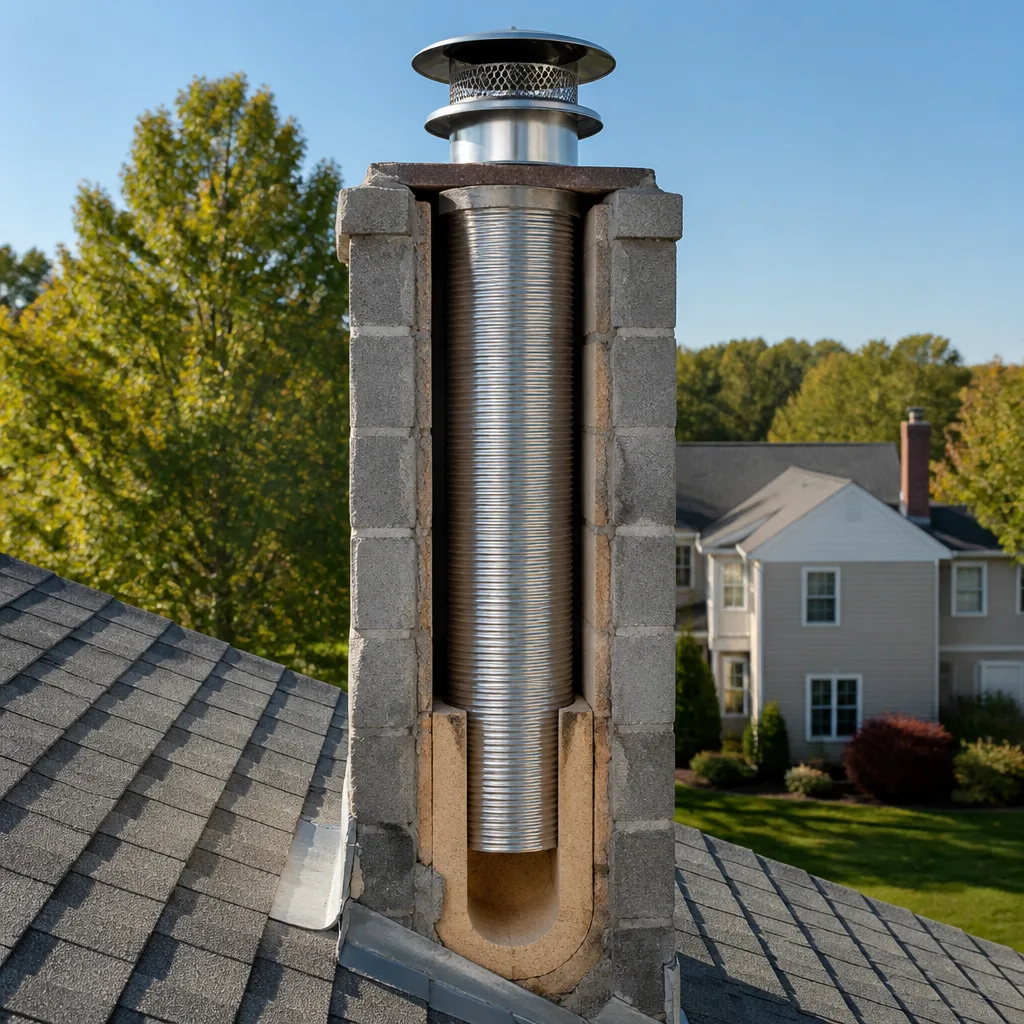
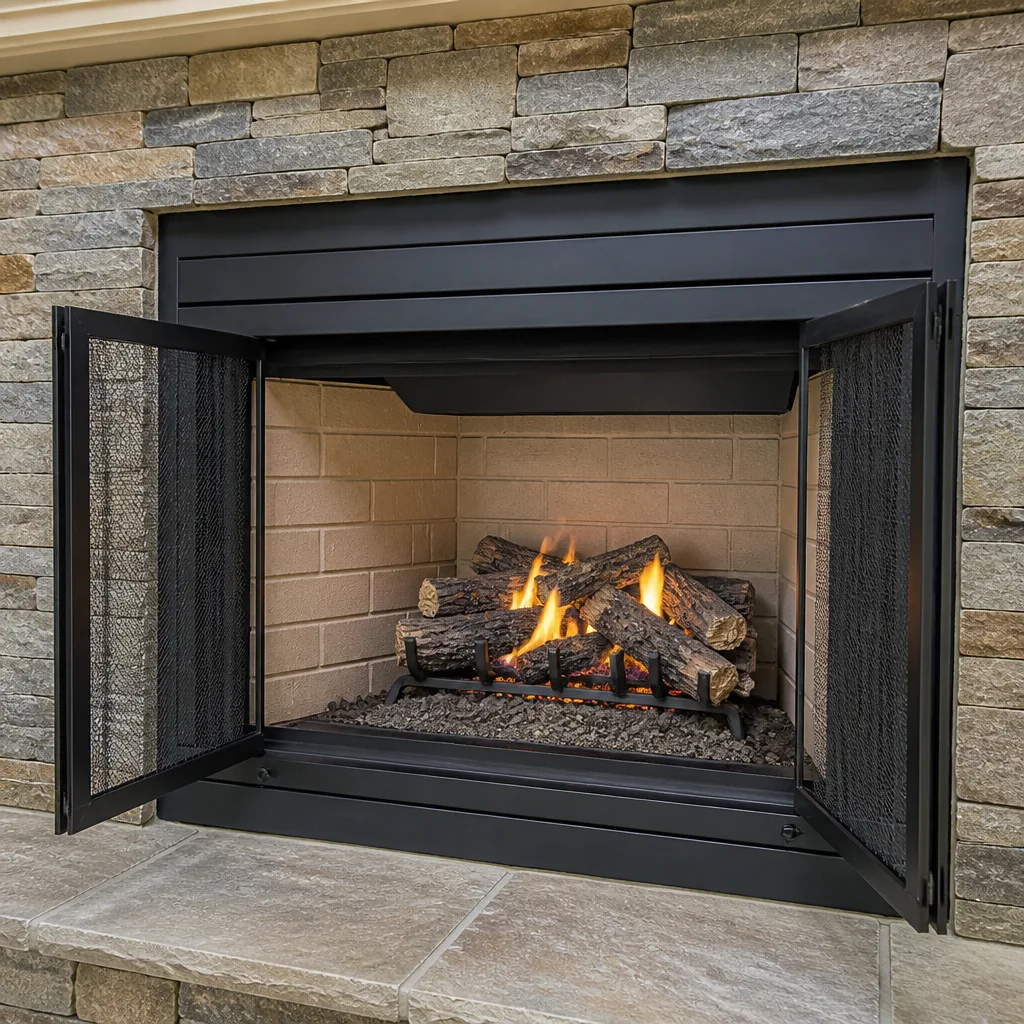
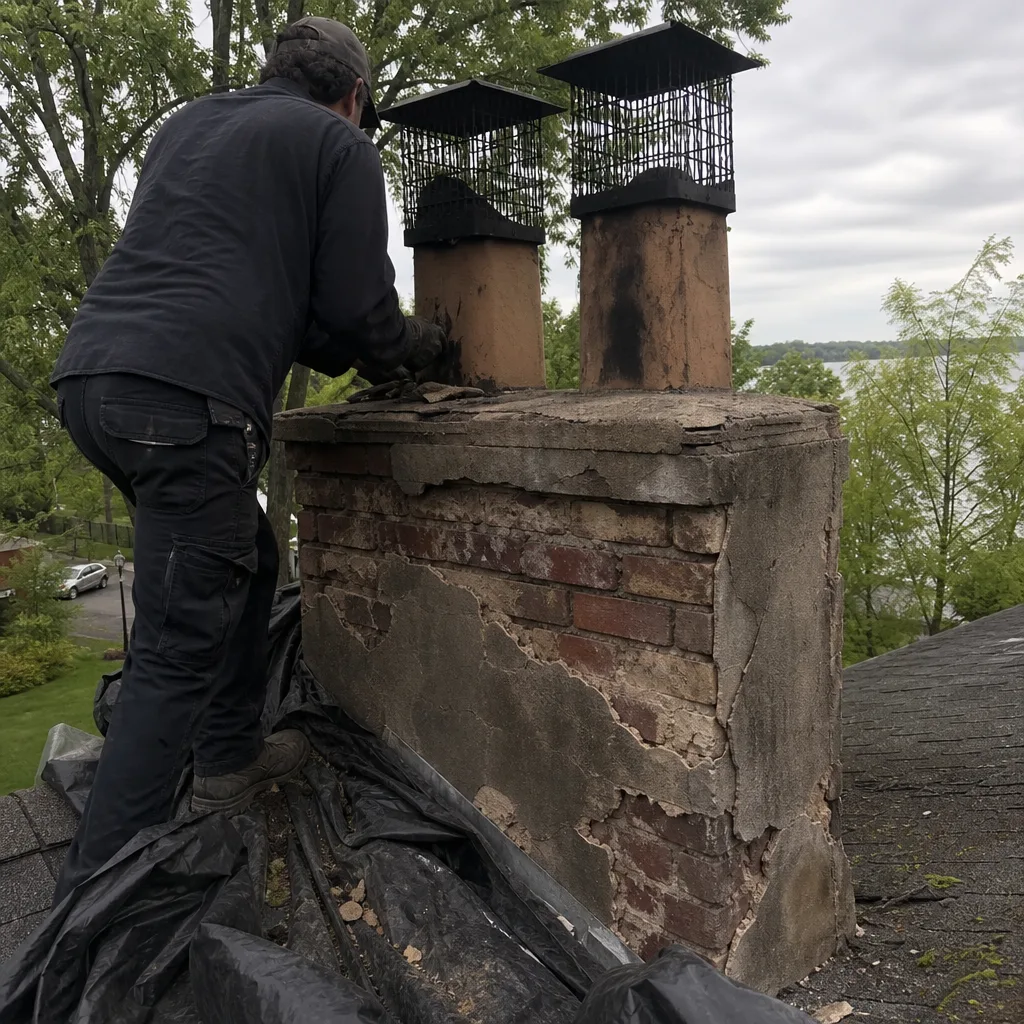 Before
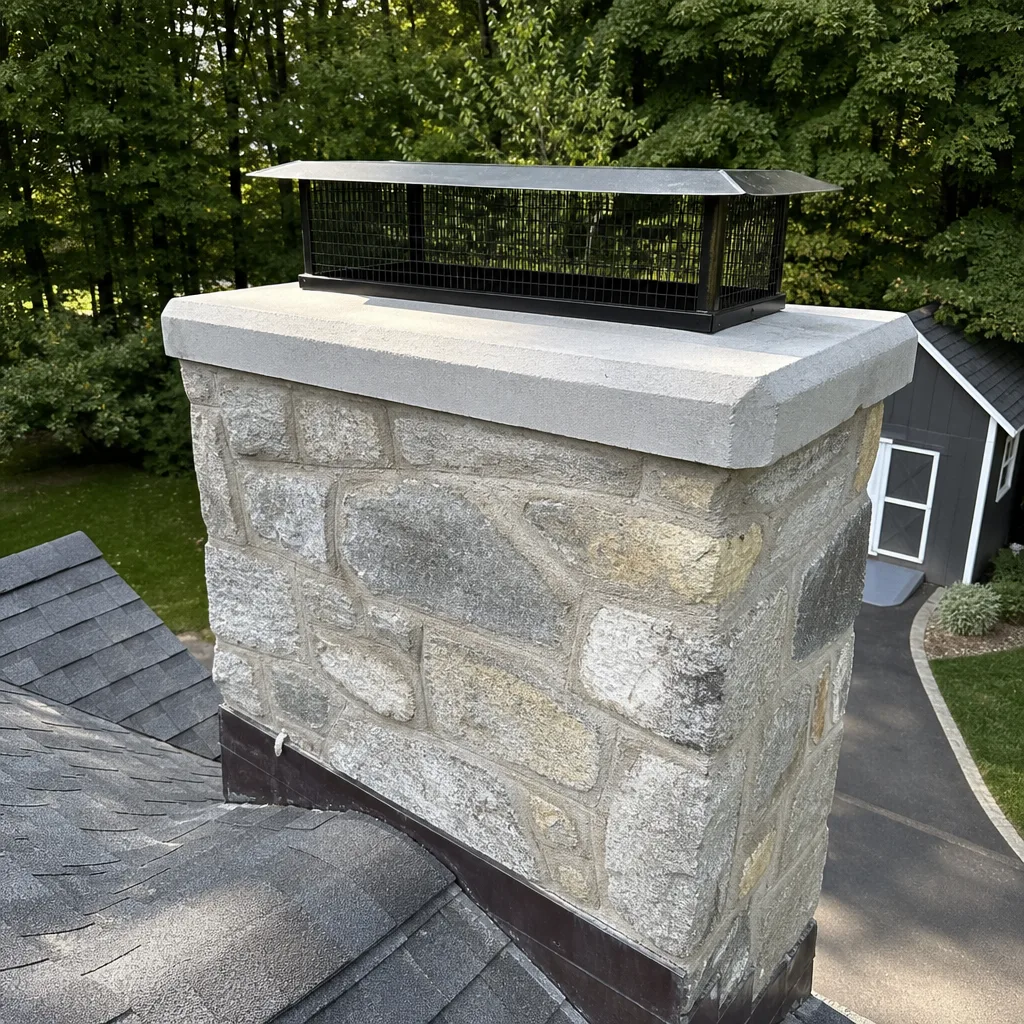 After
After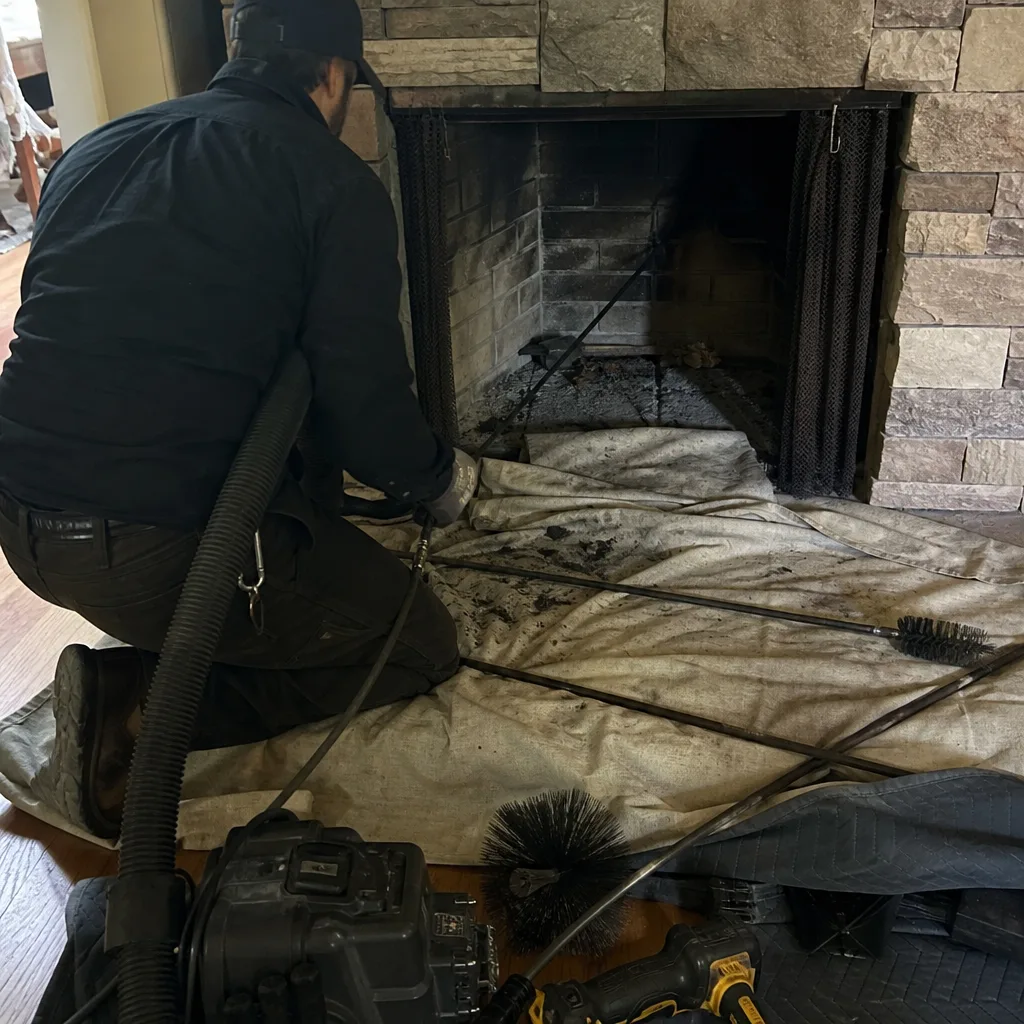 Before
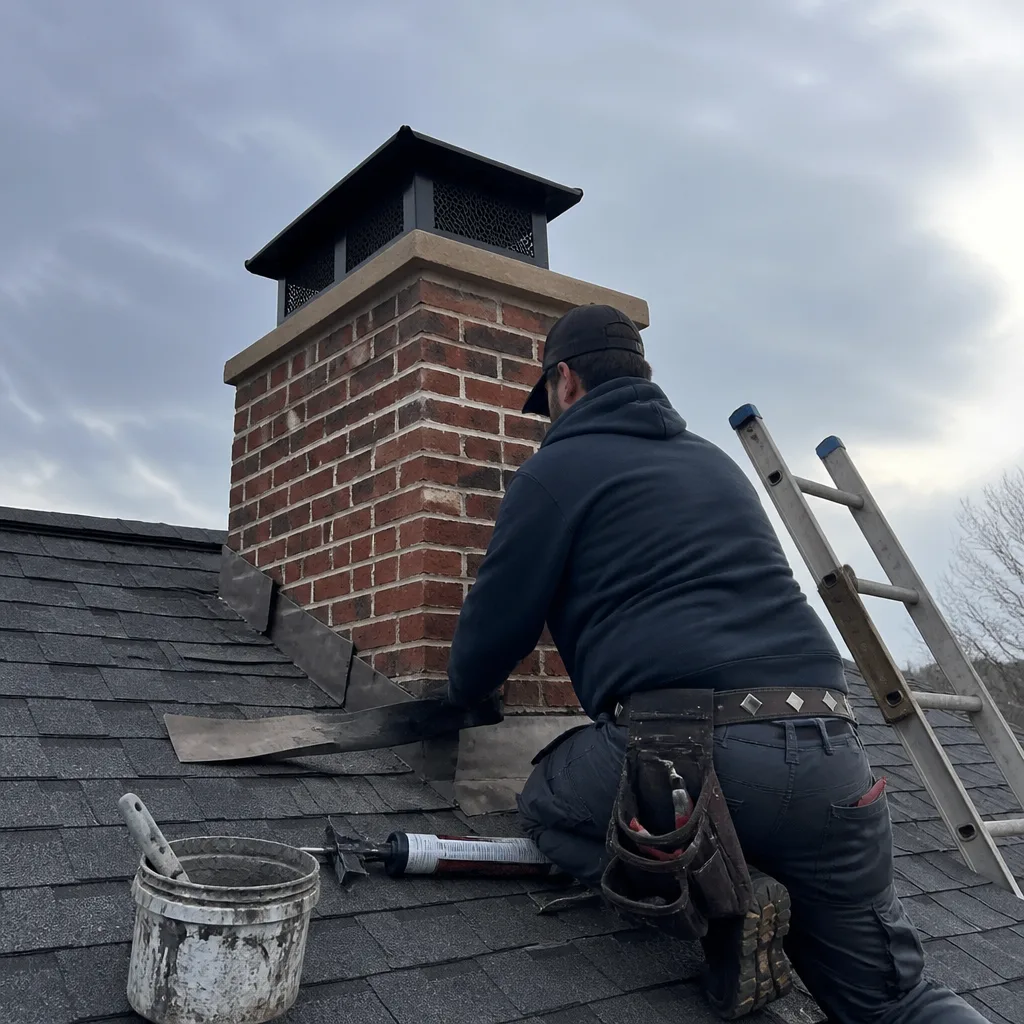 After
After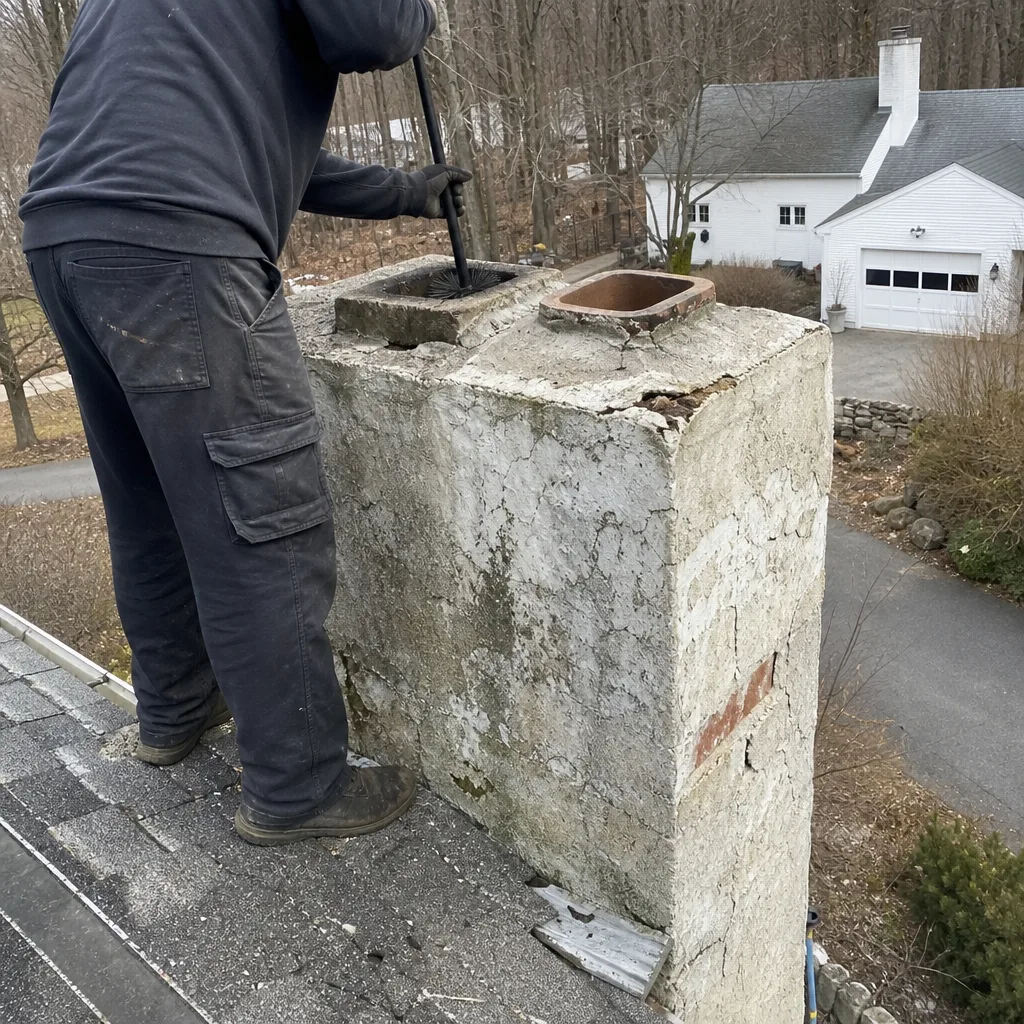 Before
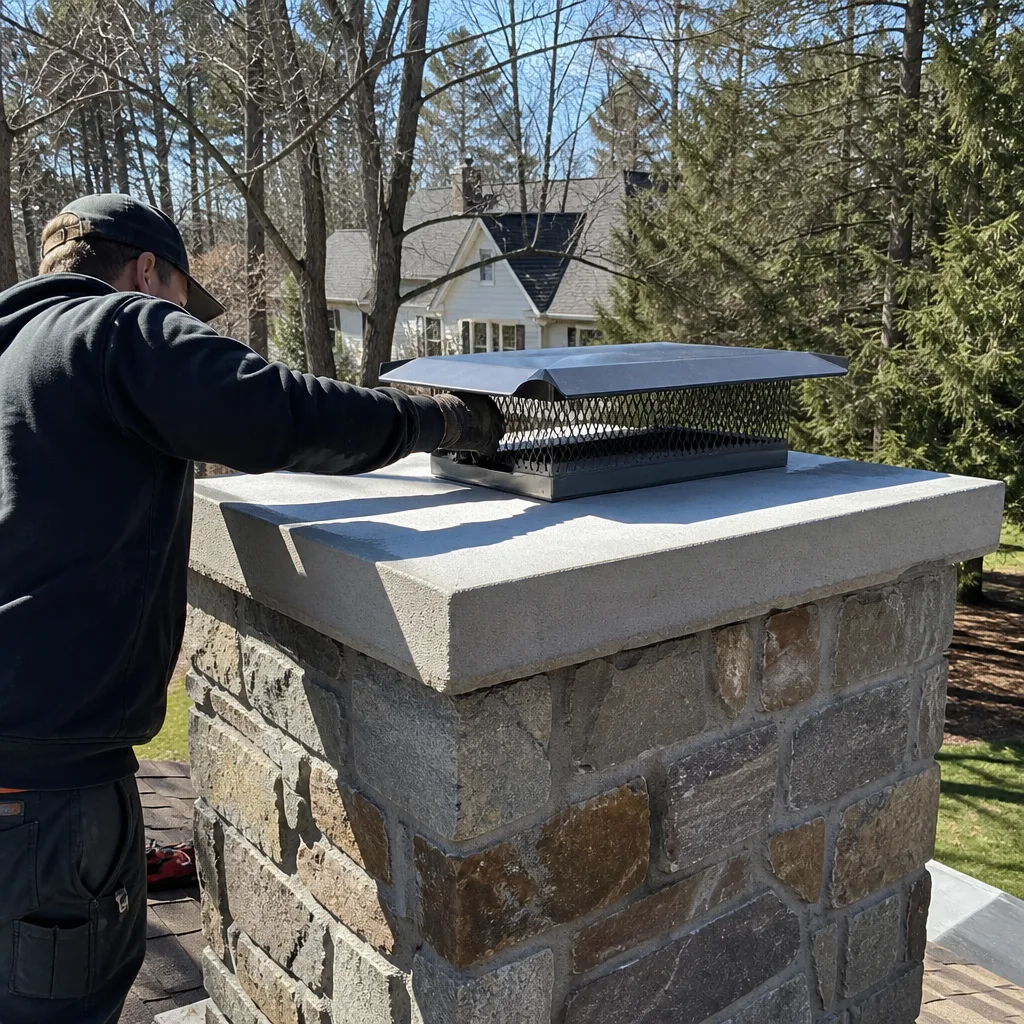 After
AfterWhy Greenwich Homeowners Choose HeatShield Chimney Cleaning
We provide independent HeatShield chimney cleaning, repair, and resurfacing service throughout Greenwich, CT, specializing in the cerfractory flue sealant systems that older homes here depend on. Our techs have applied and repaired HeatShield across hundreds of pre-war Greenwich chimneys, so we understand how this material behaves with salt air, aging clay tile, and masonry that’s been settling for a century. We’re an independent service provider, not a HeatShield authorized dealer, which means we’re free to tell you honestly when HeatShield is the right fix and when a full liner replacement is the only safe option. For a written price before any work starts, call (516) 399-5497.
Why Trust Level Two Chimney Greenwich for Your HeatShield Chimney Cleaning?
HeatShield cerfractory sealant is a specific material with specific application requirements. It’s not refractory cement from a bucket. The mixing ratios, surface prep, and curing windows determine whether the coating bonds correctly or fails within a season. Our crews have spent years learning those requirements on actual Greenwich chimneys, from backcountry estates near Round Hill Road to coastal colonials in Old Greenwich where salt air has eaten into the mortar joints.
Corrine Halstead, Owner at Level Two Chimney Greenwich, grew up in Queens and spent years inspecting and cleaning chimneys across Fairfield and Westchester counties before taking over this operation. Her crews have worked enough Greenwich flues that they can read a firebox before the camera finishes its first pass. That’s useful when you’re deciding whether HeatShield can fix your flue or whether it’s time for a DuraFlex liner. We’re not going to guess. Clause 4 of the Haven Standard requires a photo record on every job, so you’ll see exactly what the camera saw before and after any HeatShield work.
Common HeatShield Chimney Cleaning Problems We Fix in Greenwich
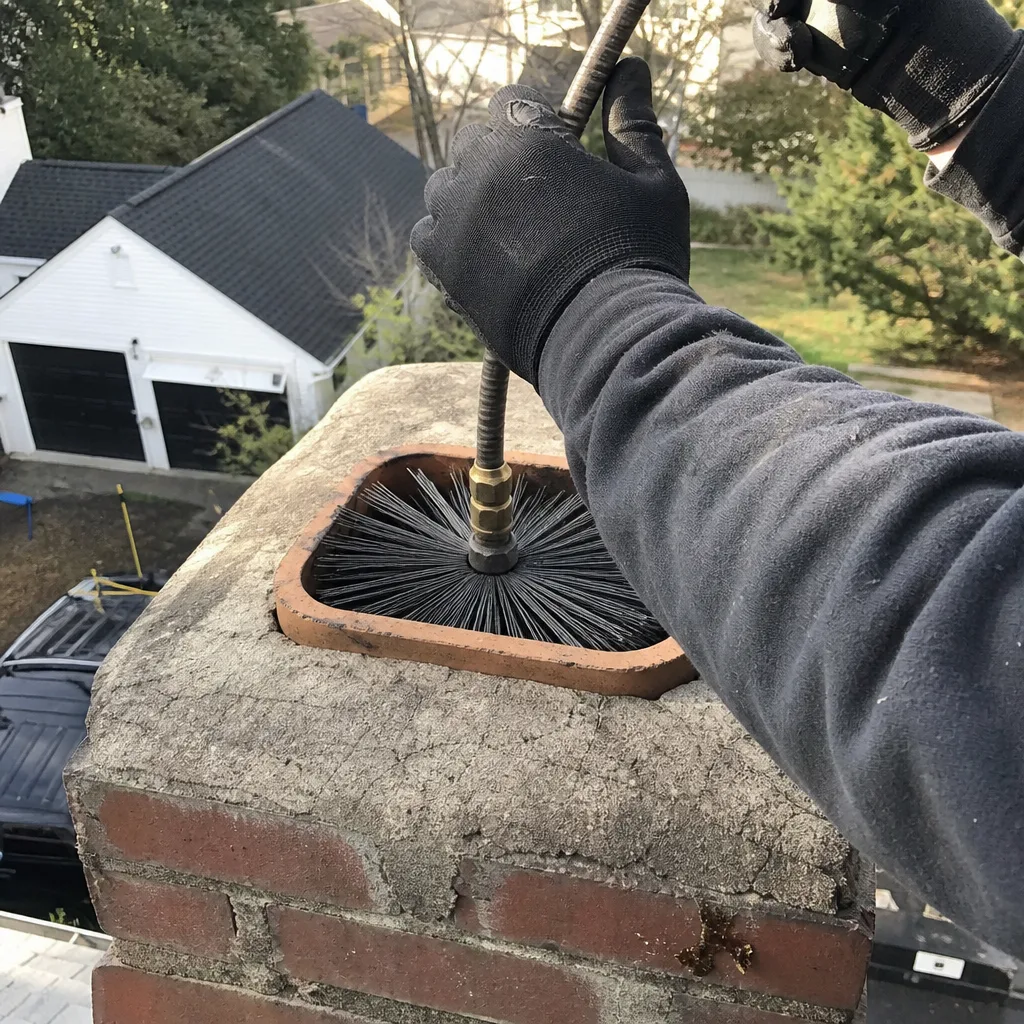
- Spalling and debonding of old cerfractory coating. On chimneys within a mile of Long Island Sound, moisture drives through exterior masonry and gets trapped behind the HeatShield coating, causing it to flake away from the flue tiles. We see this constantly in Old Greenwich and Riverside, where salt-laden air accelerates the cycle. The fix is full loose-material removal, proper surface profiling, and a reapplication done to spec, not a patch job over failing material.
- Cracking at flue tile joints where HeatShield was applied over shifting masonry. Greenwich backcountry homes sit on ledge and glacial till. A century of freeze-thaw movement opens tile joints the same way every year, and the HeatShield coating spanning those joints gets pulled apart. The HeatShield Joint Repair System is designed for this, but only when the underlying movement has stabilized and the joint is properly cleaned out first.
- Improper thickness from previous installers. A thin coat of cerfractory that doesn’t meet the system’s minimum applied thickness can create hot spots at the exact locations it was supposed to protect. In a 1920s Colonial off Round Hill Road, our crew found the existing HeatShield coating flaking away from the upper flue tiles during a Level 2 inspection. We removed the loose material, prepped the surface per HeatShield specs, applied a new cerfractory coat, and the homeowner passed their follow-up scan with no further spalling after a full season of wood burning.
- Delamination in the smoke chamber from acidic creosote. The smoke chamber takes the brunt of condensation and acidic creosote deposits, and a previously applied parge coat can separate from the masonry in sheets. HeatShield Smoke Chamber Repair System addresses this directly, but the old failed material has to come out completely before any new coat goes on. Parging over flaking parge just gives you two layers of failing material.
- Coverage gaps where the flue was never fully coated. On multi-flue estate chimneys, access is the problem. A flue that twists or offsets midway up may have been “good enough” for a previous installer to skip sections. The camera doesn’t guess, and neither do we. Our Level 2 inspection will show you exactly where coverage stopped and where it needs to continue.
BeforeAfterHeatShield Parts & Our Repair-vs-Replace Approach
We use genuine HeatShield cerfractory material and their proprietary mixing and application tools on every job. Never generic refractory cement. The thermal expansion and adhesion properties are specific to the system, and substituting cheap material is how you get a chimney that looks fixed for six months and then fails again. We’d rather tell you the truth than sell you a repeat visit.
On the repair side, we keep core HeatShield materials in local stock for faster turnaround on common jobs. That means we’re not waiting on a distributor when you have a cracked flue tile joint before burning season. When the camera shows flue tiles that have shifted more than a quarter-inch, or the existing liner has collapsed, or the flue has multiple separated joints, HeatShield isn’t the answer. We’ll tell you plainly and quote a DuraFlex or Gelco reline instead. That’s the level of honesty Greenwich homeowners deserve. A written price, a written scope, and a written warranty before anything starts. That’s Haven Standard Clause 1.
Our HeatShield Service Process - Step by Step
- 1
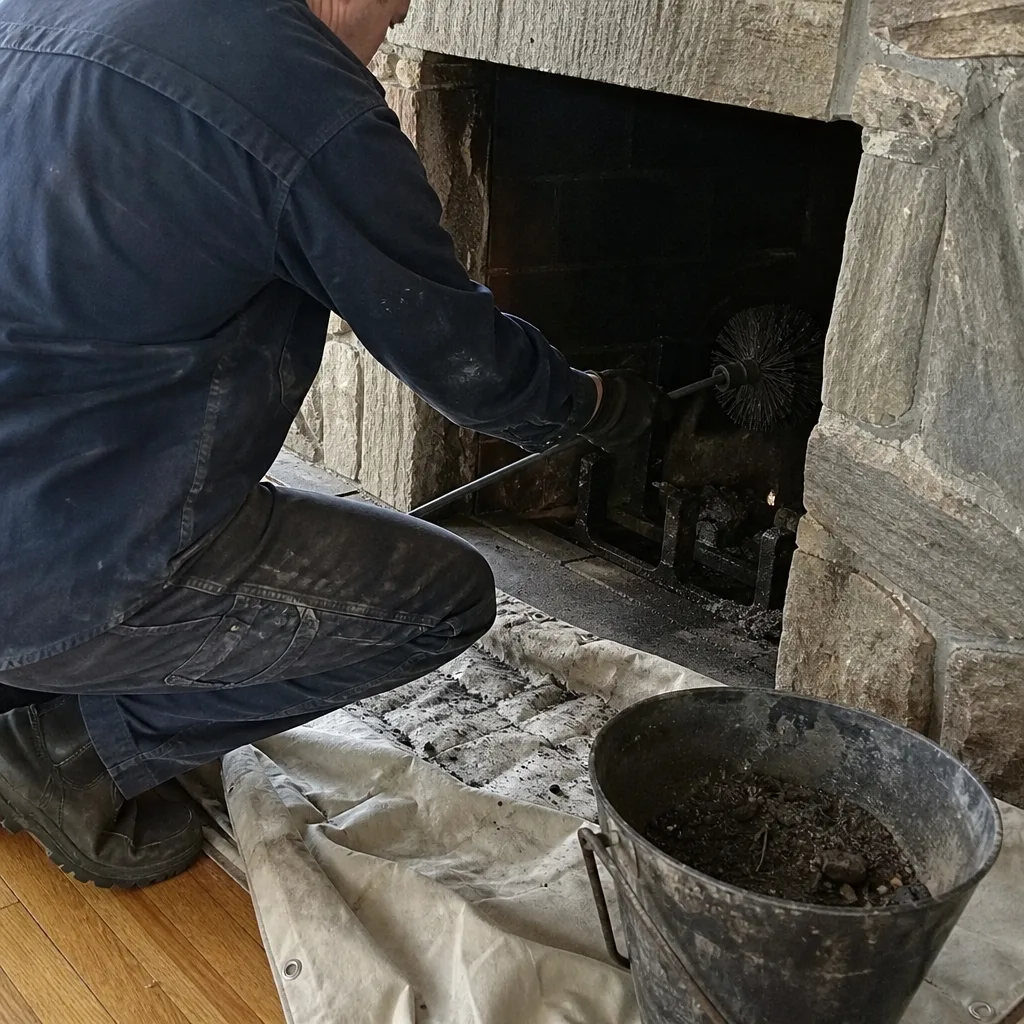
Level 2 camera inspection. Every HeatShield job in Greenwich starts with NFPA 211 Level 2 inspection. Camera down the flue, photos of every tile joint, smoke chamber, and damper area. You’ll see the condition before we quote anything. No guesswork.
- 2
Written diagnosis and price. We tell you whether HeatShield is appropriate, which system applies (Cerfractory Flue Sealant, Joint Repair, Resurfacing, or Smoke Chamber Repair), and what it costs. Written. Before work starts. No exceptions.
- 3
Surface prep and application. We remove loose material, clean the flue to bare substrate where required, and mix HeatShield material to the manufacturer’s spec for temperature and humidity. Greenwich coastal moisture means we monitor cure times differently than an inland job. That matters.
- 4
Post-application camera scan. We re-run the camera after the coating cures. You’ll see the coverage, the joint seals, the smoke chamber surface. A passing scan is documented and included. Clause 4 of the Haven Standard.
- 5
Written warranty and photo record. You walk away with the full photo record, the written scope, and the 365-Day Done Right Promise. If it’s not done right, we make it right.
HeatShield Products We Service & Install in Greenwich
We work with the full HeatShield product line: Cerfractory Flue Sealant for coating and sealing flue tile surfaces, the Joint Repair System for cracked or separated tile joints, the Resurfacing System for restoring deteriorated flue interiors, and the Smoke Chamber Repair System for parging and sealing smoke chambers. We stock core materials locally for the most common Greenwich applications and can order less common system components quickly. If you have an existing HeatShield application that’s failing or needs verification, we’ll tell you what you actually have and what it needs.
We Also Service These Brands
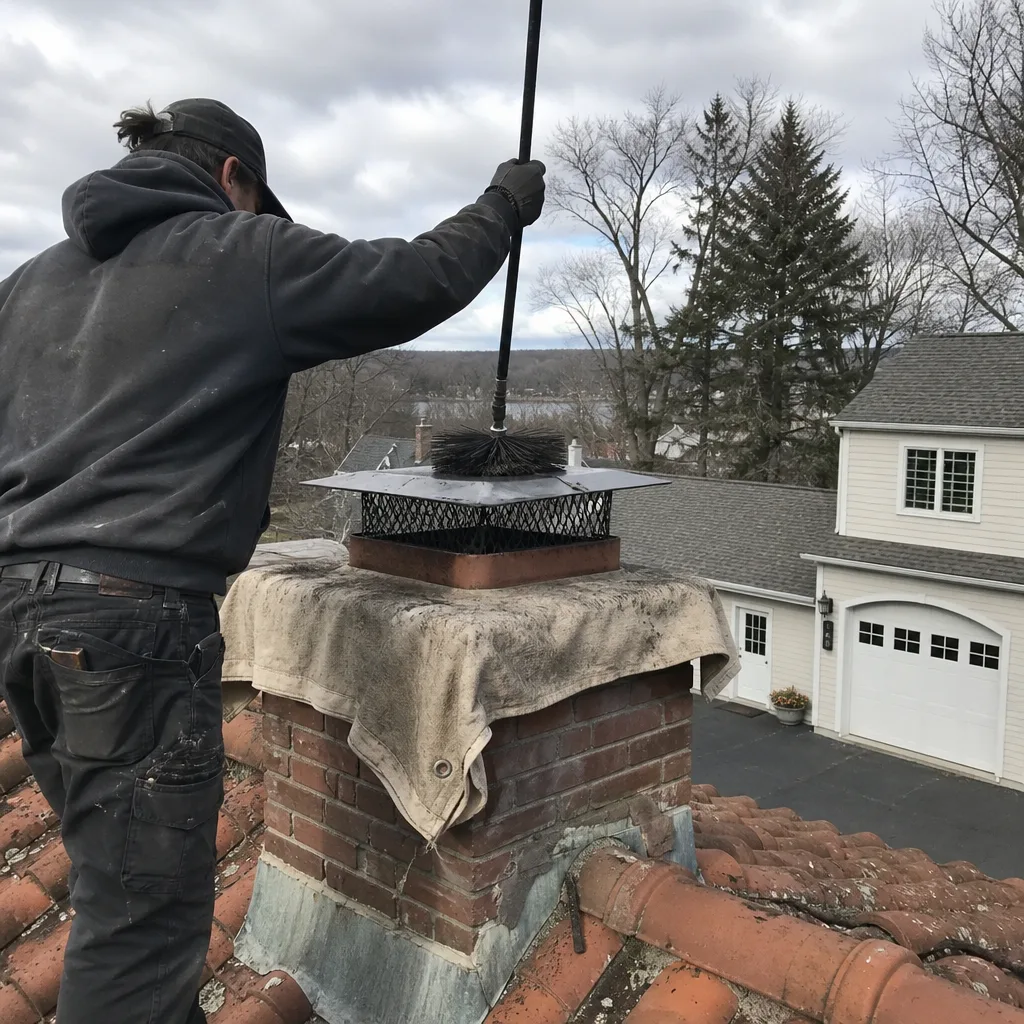
HeatShield is one tool in a deep kit. We also install and service DuraFlex stainless steel liner systems and Gelco chimney products across Greenwich, Stamford, and the surrounding towns, including HeatShield service in Port Chester. When a flue is too far gone for coating, we’ll quote the reline honestly and install it right. Our job isn’t to sell one brand. It’s to fix your chimney.
FAQs - HeatShield Chimney Cleaning Service in Greenwich
Yes, and that’s exactly what the HeatShield Cerfractory Flue Sealant is designed for. Small hairline cracks in clay tile are treatable with cerfractory coating. The tile cracks need to be clean, free of loose debris, and stable, meaning no active shifting at the joint. If the camera shows gaps wider than about a quarter-inch or multiple separated joints, HeatShield typically isn’t the answer and we’ll tell you so before you spend a dollar. Call (516) 399-5497 and we’ll put a camera down your flue and show you what you’re actually dealing with.
With correct surface prep and curing, a HeatShield application on a wood-burning flue in Greenwich typically lasts 10 to 15 years before needing re-coating. Coastal conditions shorten that window compared to inland towns because salt-driven moisture intrusion behind the coating accelerates debonding, especially on chimneys that don’t fully warm up during mild winters. A flue in Old Greenwich that sees intermittent low-temperature fires will age the coating faster than a backcountry estate chimney that burns hot and often. The camera scan at each annual sweep tells us and you exactly what’s happening inside.
No. HeatShield is a professional-grade cerfractory system with specific mixing ratios, application thickness requirements, and curing windows. Getting it wrong doesn’t just waste the material, it leaves you thinking your flue is protected when it isn’t. We make a point of documenting the before and after with a camera because in Greenwich, we’ve seen too many flues that looked “fixed” on paper and weren’t. Call (516) 399-5497 for a written quote and a camera scan before anyone touches a brush.
Yes. The HeatShield Smoke Chamber Repair System is formulated for exactly that condition. Missing or delaminated parging in the smoke chamber lets heat and creosote vapor reach the rough masonry behind it, and that’s how deterioration accelerates. We remove the failed parge material completely, profile the surface, and apply the new coat to spec. Trying to parge over flaking parge is a waste of your money. We won’t do it.
Often, yes. The HeatShield Joint Repair System seals cracked and separated flue tile joints using a cerfractory material that bonds to the tile and spans the gap. It’s not magic, though. If the joint has separated because the chimney is actively moving, coating it won’t stop the movement. In Byram, CT and Greenwich backcountry homes built on ledge, active movement is common, so we verify stability before we apply anything. The camera tells us whether the joint is stable enough for HeatShield or whether you need a different approach entirely.
HeatShield-specific work in Greenwich typically runs $500 to $2,400 depending on what the camera finds, the flue size, and whether it’s a simple joint repair or a full cerfractory resurfacing job with smoke chamber work. A standard Chimney Cleaning & Sweep and inspection runs $250 to $400. Those aren’t bid-starter numbers, they’re the real range for this market. Every quote is written, itemized, and delivered before work starts. Call (516) 399-5497 for an exact price on your chimney, and we’ll show you the photos that justify it.
Book Your HeatShield Service in Greenwich, CT
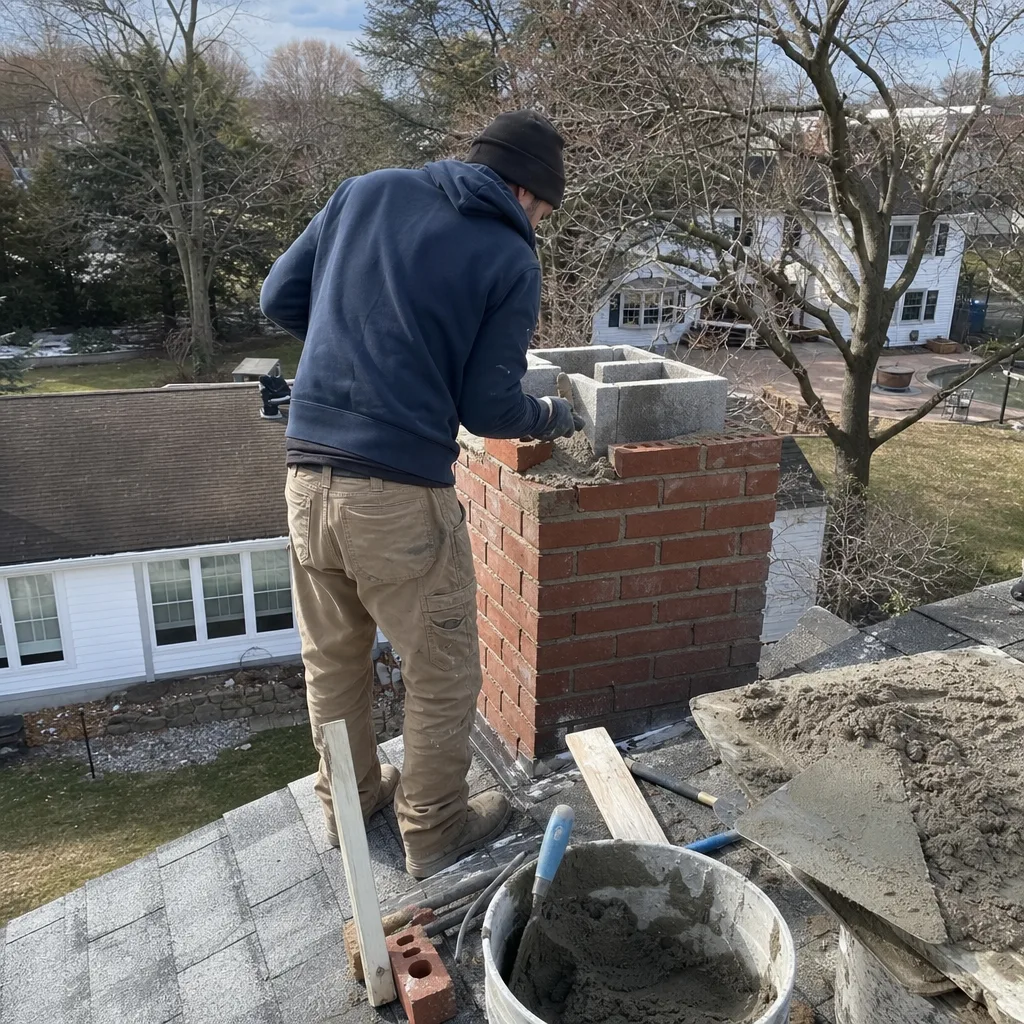
If your HeatShield coating is failing, your flue tile joints are cracked, or you just want a camera down the flue to see what’s actually there, call (516) 399-5497. Real person on the line, 24/7. A written price before any work starts, every time.
Written by Corrine Halstead, Owner at Level Two Chimney Greenwich, serving Greenwich since 2009.