
Level 1 sweep and inspection to the NFPA 211 annual standard - flue, crown, cap, and flashing checked and photographed
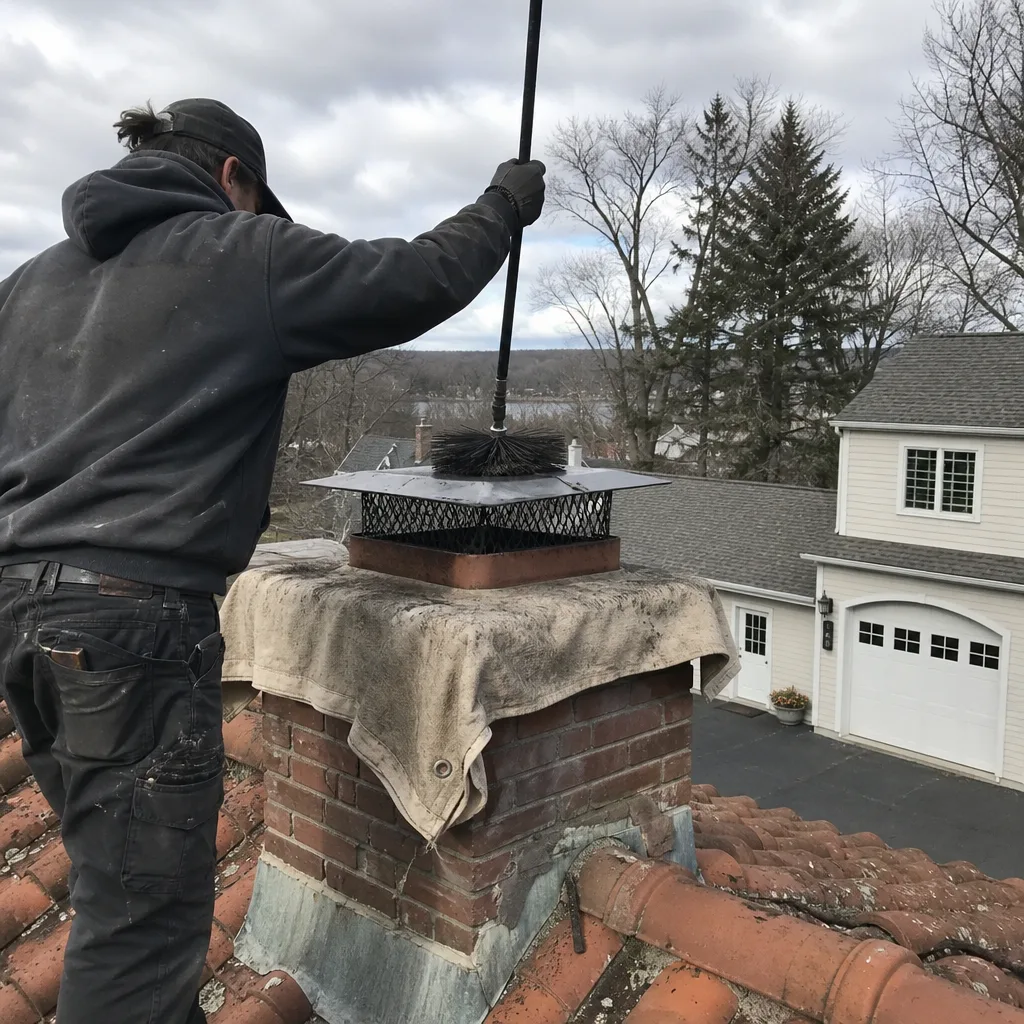
Chimney sweep logs do not sweep chimneys. They loosen some creosote - which then falls where a brush and vacuum still have to collect it.
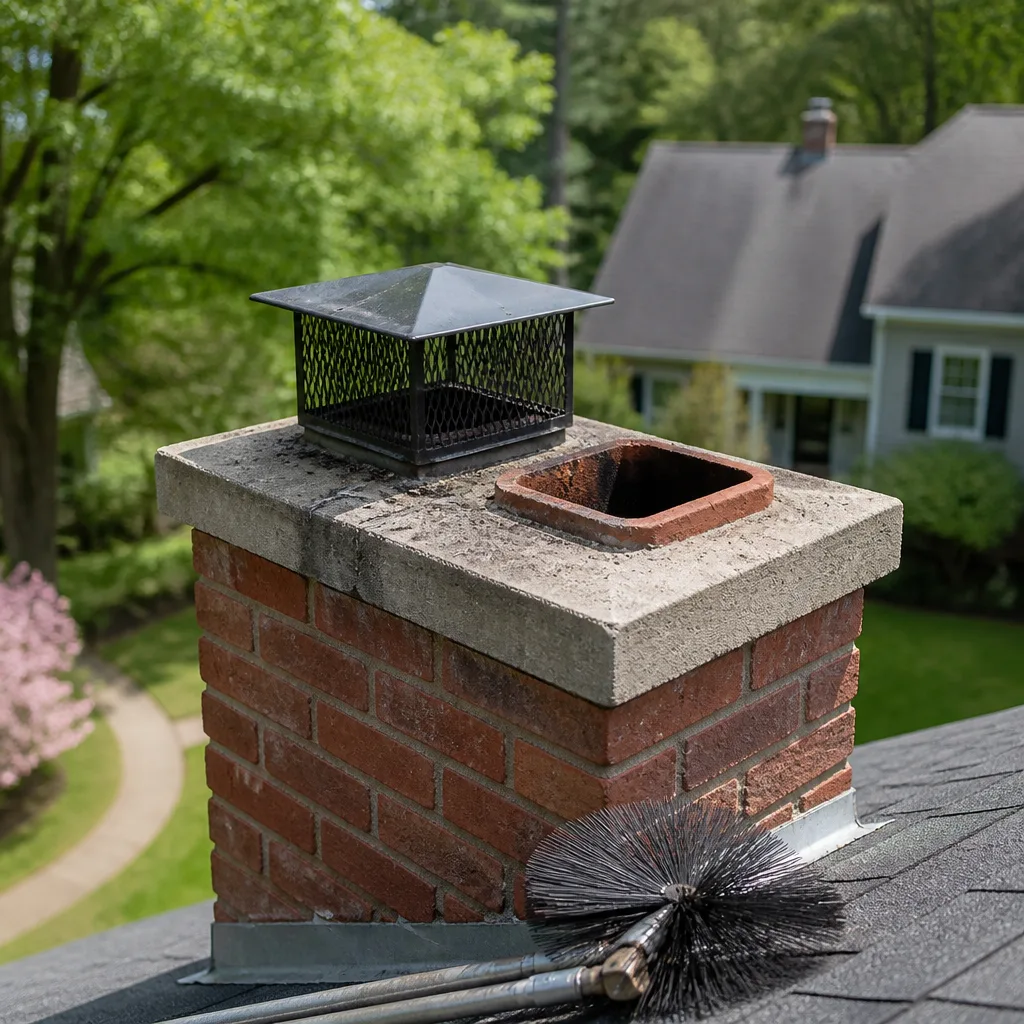
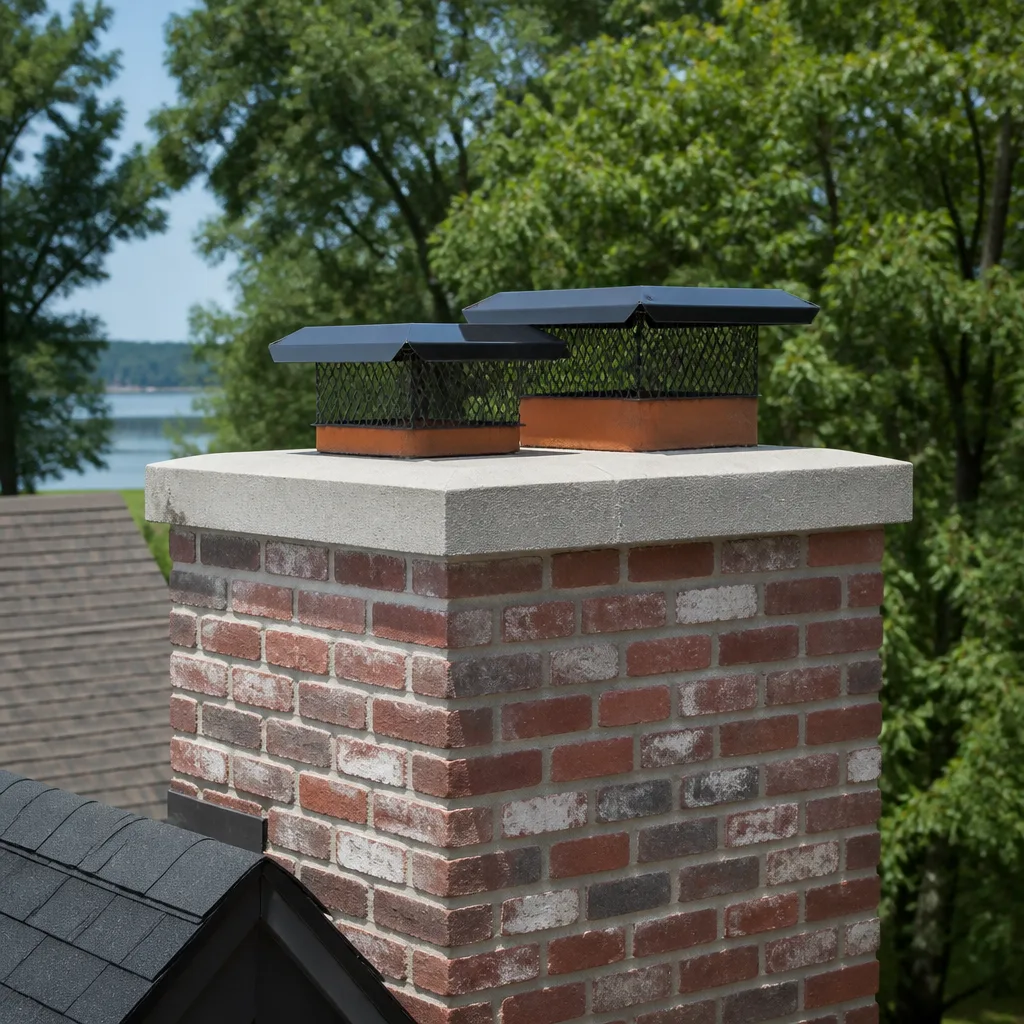
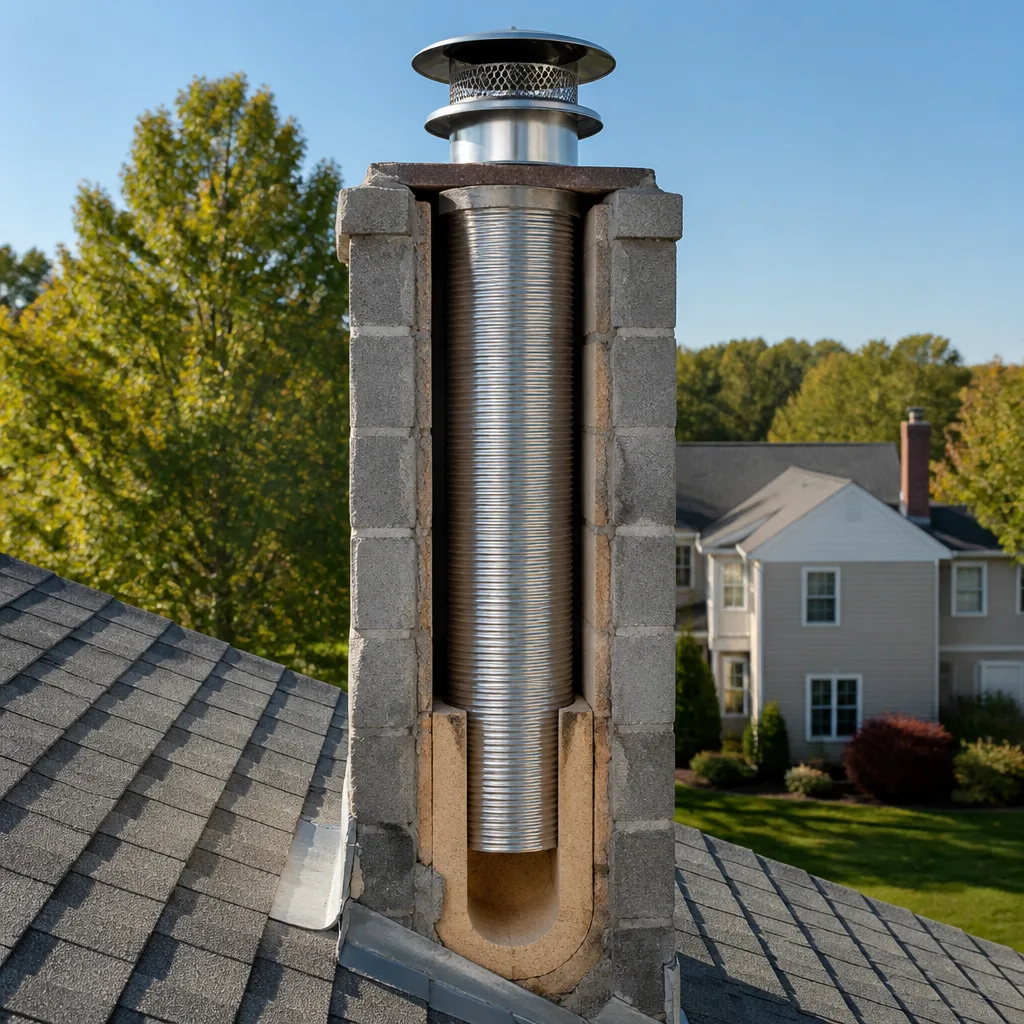
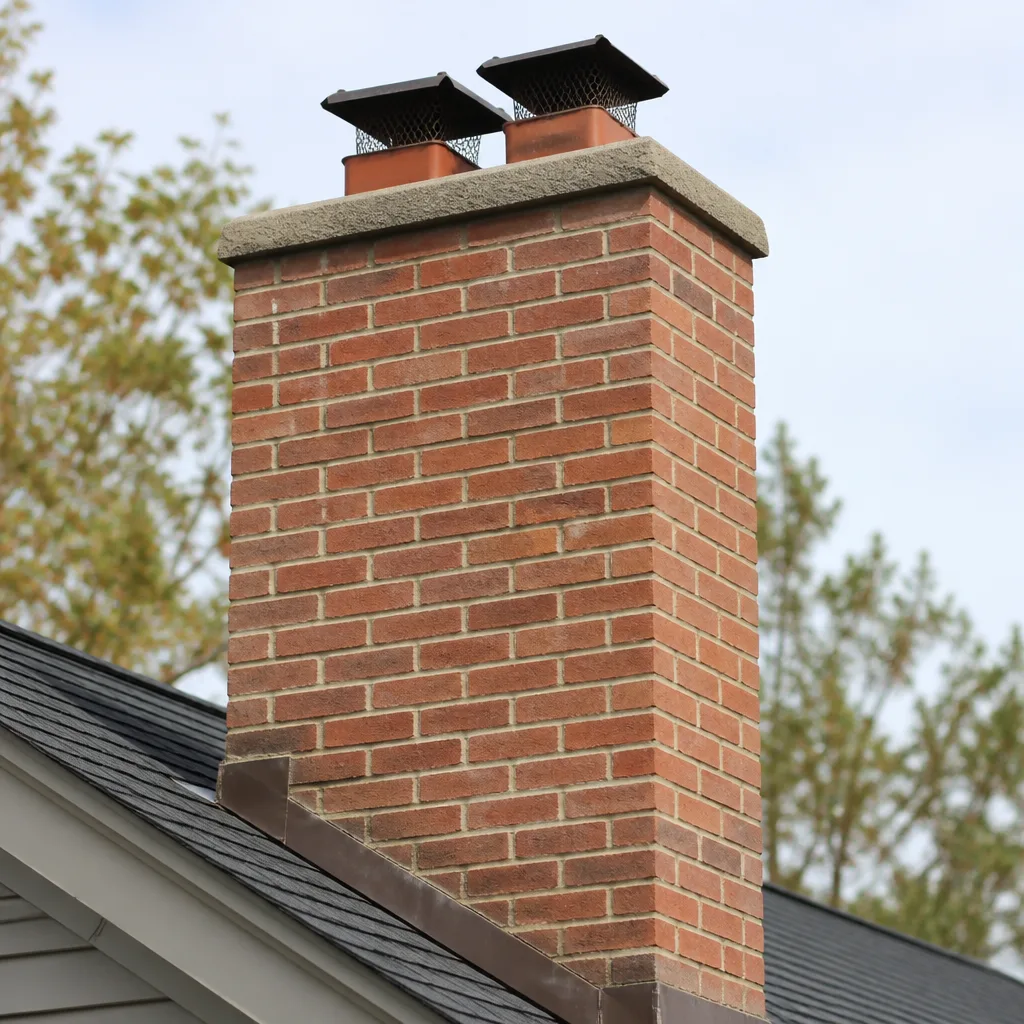
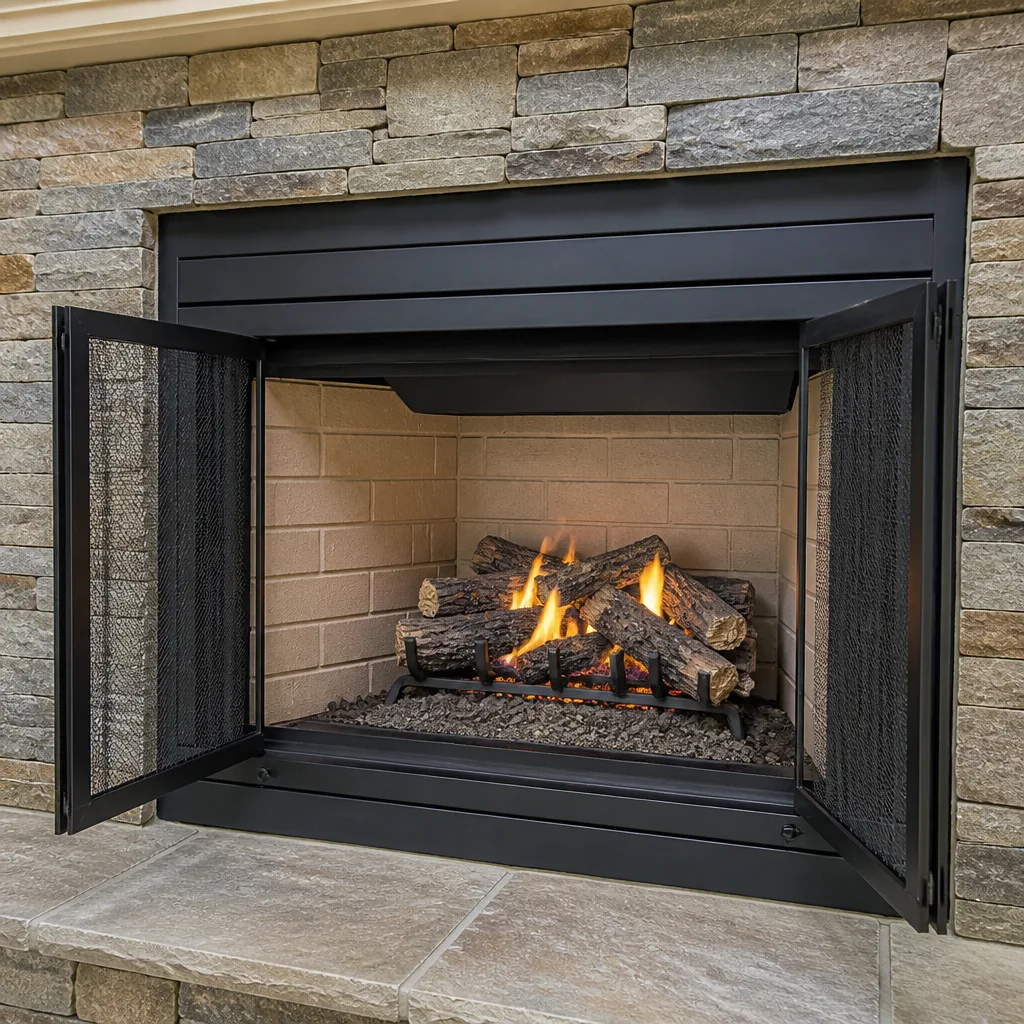
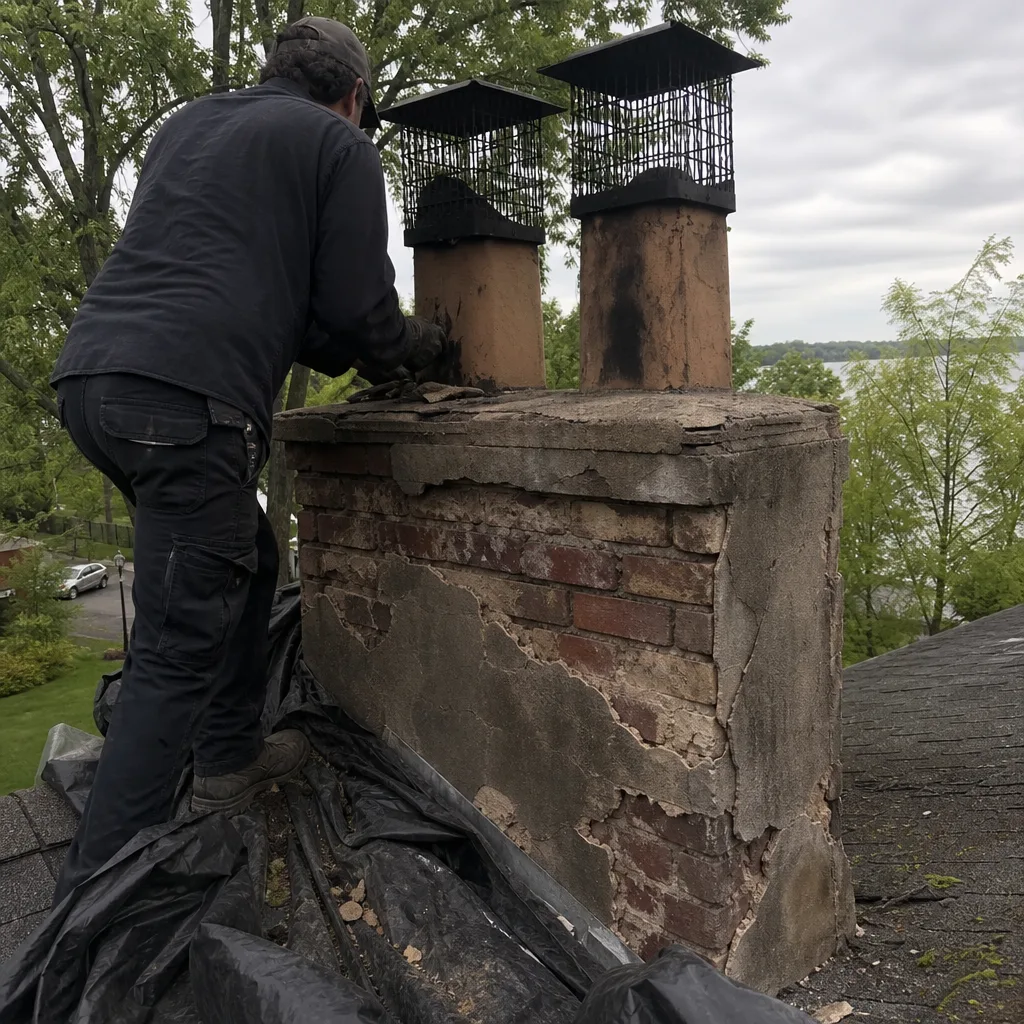 Before
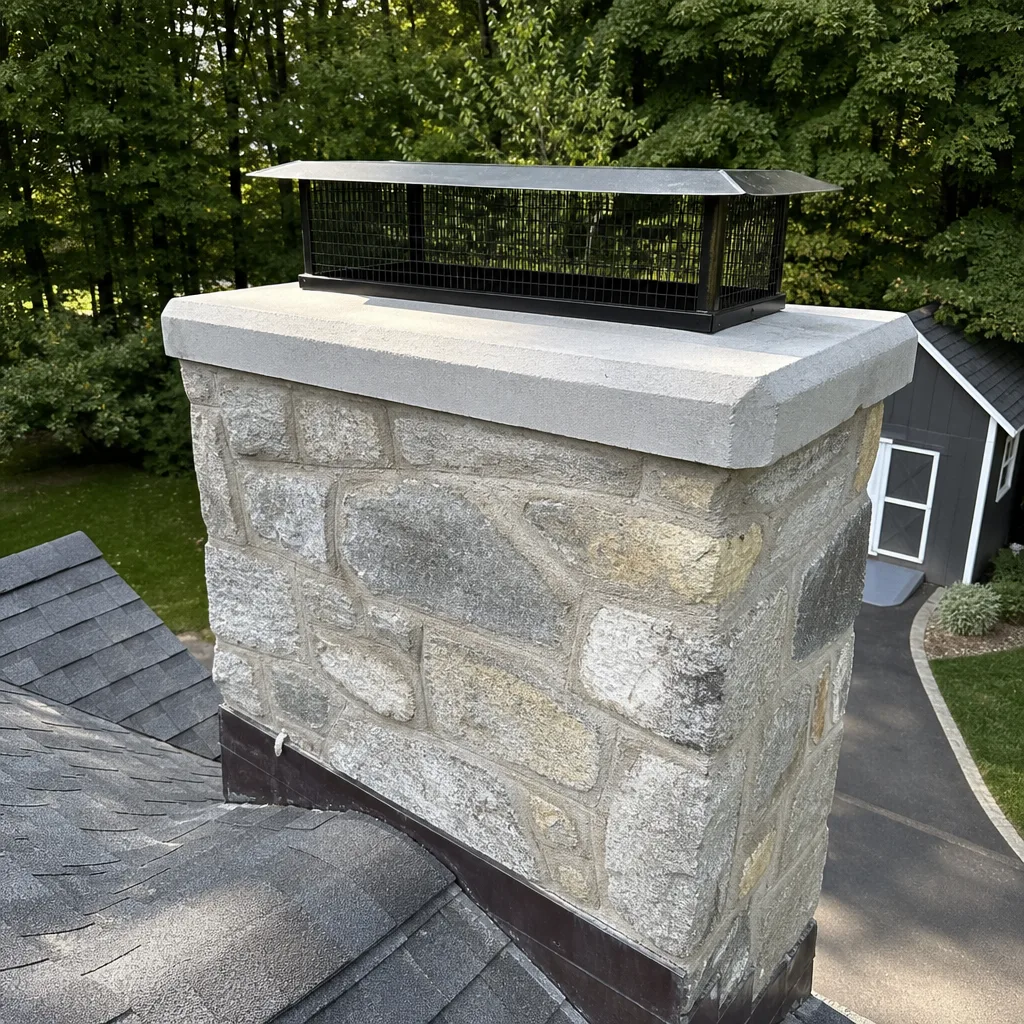 After
After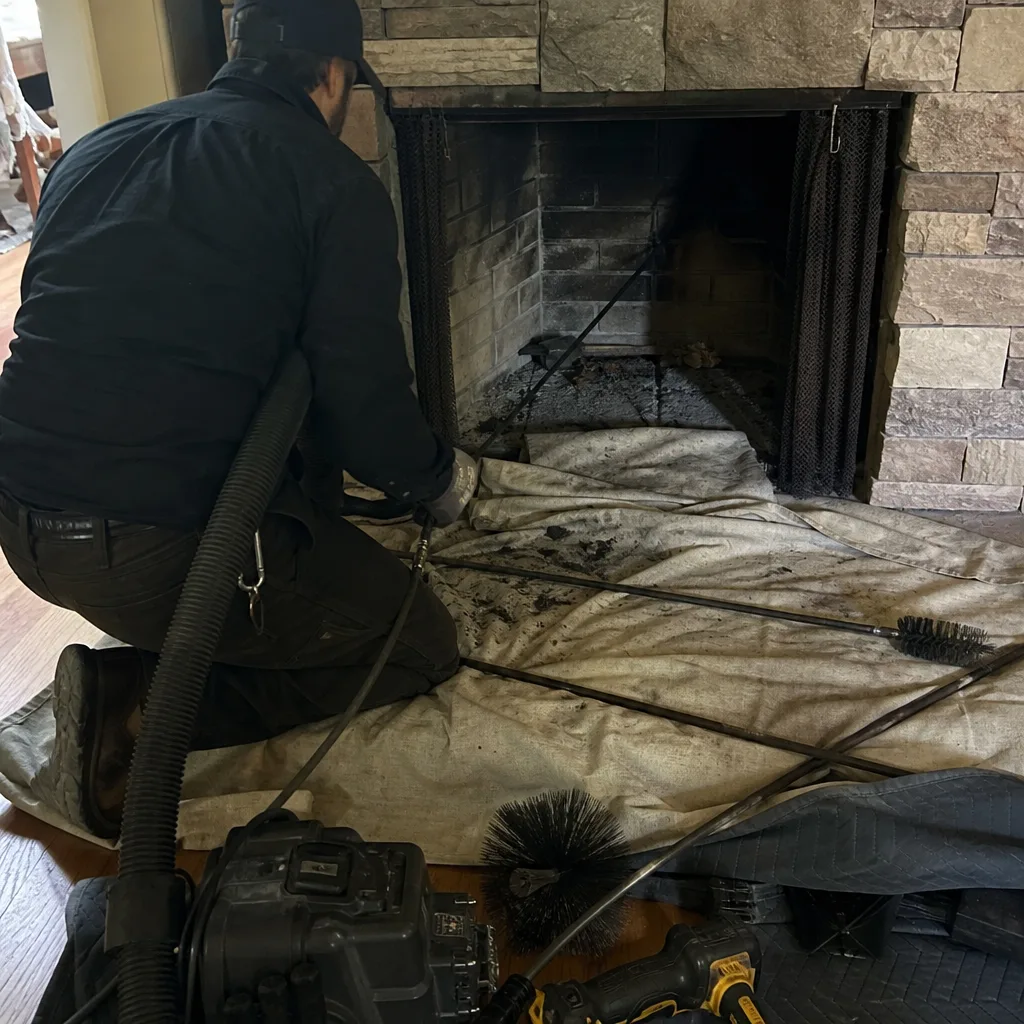 Before
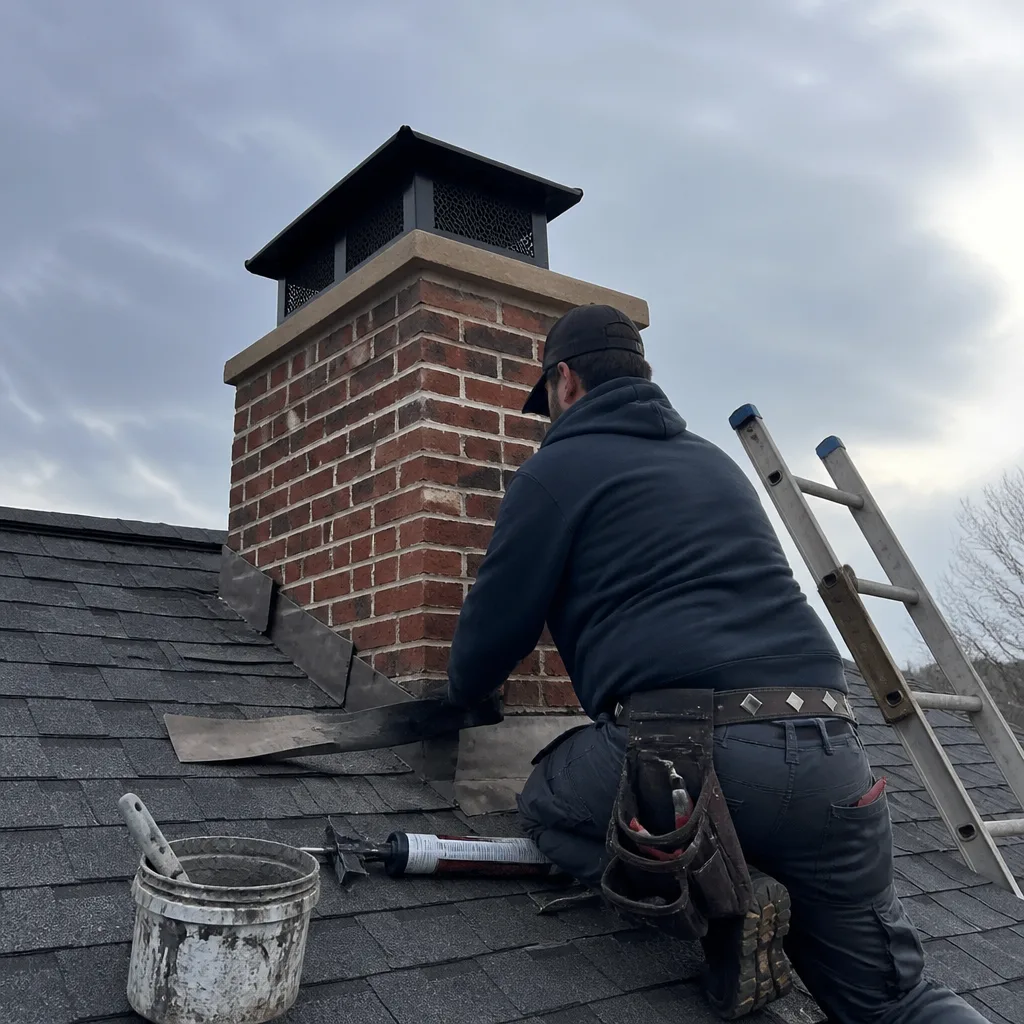 After
After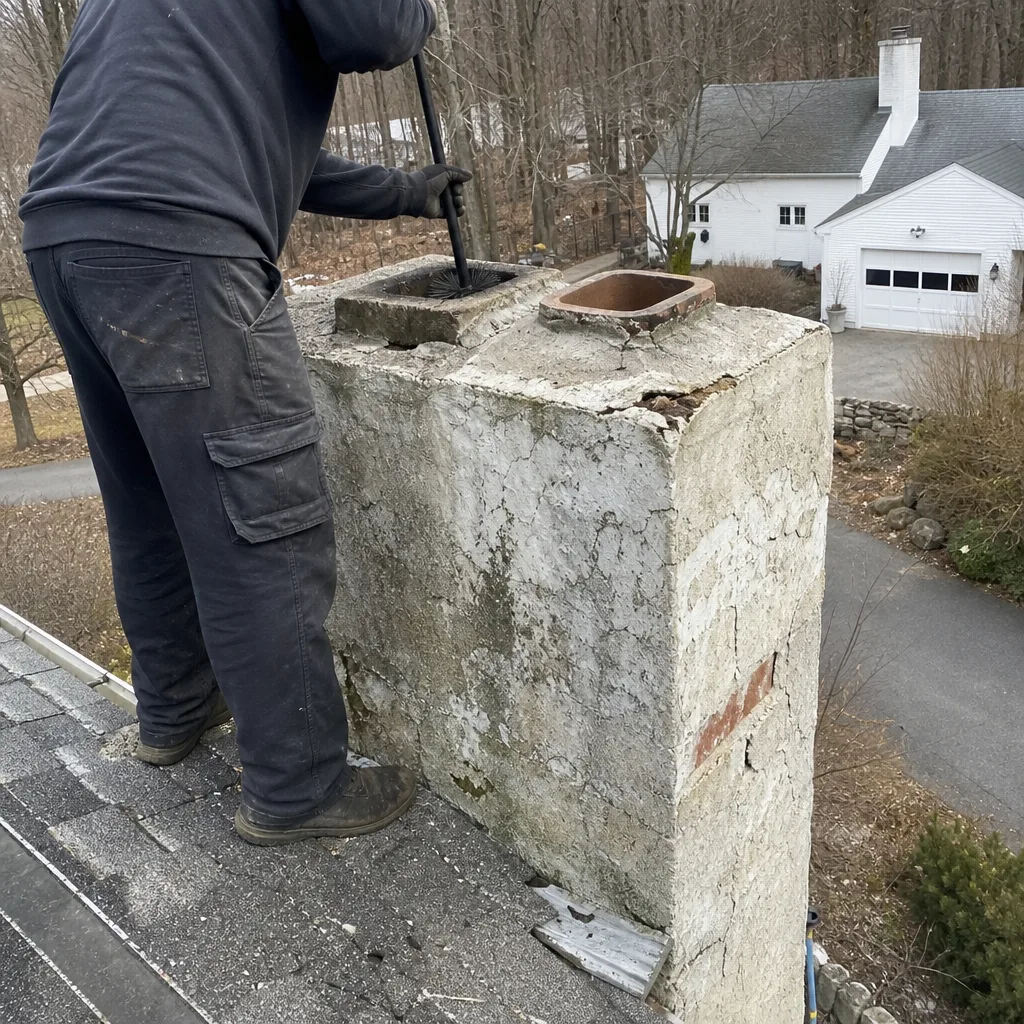 Before
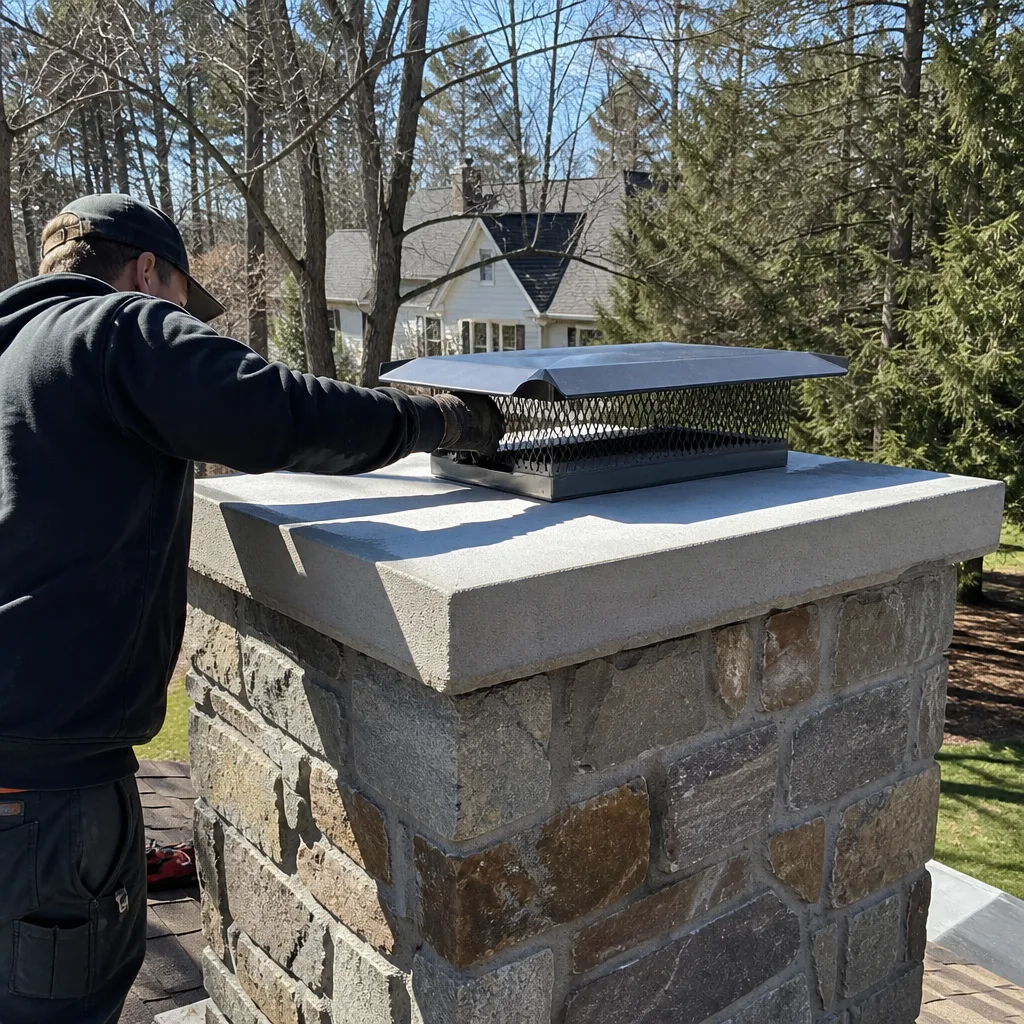 After
AfterFast, Reliable Chimney Cleaning & Sweep Across White Plains
A chimney cleaning in White Plains typically runs $189-$289 for a standard sweep on a single-flue home, and most jobs are completed in 60-90 minutes. That’s the number. Not “call for a quote.” Now here’s what matters more: a sweep that only brushes the flue and leaves without putting a camera down it misses exactly what older White Plains chimneys are hiding. We serve every neighborhood in the city, from Battle Hill to Highlands to the blocks off Mamaroneck Avenue, and every visit includes a Level 2 camera-scan inspection under Clause 4 of the Haven Standard. That’s been our default since 2009, not an add-on. Call (516) 399-5497 to book, and you’ll have a written price before anyone steps inside.
Why Level Two Chimney Greenwich Is White Plains’s Preferred Chimney Cleaning & Sweep Company
White Plains homeowners don’t call us because we’re friendly. They call because we show them what we found. Every Chimney Cleaning & Sweep visit includes a camera run down the flue with photos you keep, a written scope of work, and a written price before we touch anything. No one in this market made that the standard before Clause 4 of the Haven Standard required it in 2009, and it’s why our techs regularly get called in to second-opinion jobs after another sweep left the customer holding a quote for thousands of dollars with no photographic evidence to justify it.
Our crews know the housing stock. And because dispatch is coordinated from our New York City office with crews assigned to White Plains throughout the week, we’re not driving an hour to get to you. We see dozens of chimneys a year off Central Avenue, North Broadway, and Battle Avenue. What we find is consistent: clay-tile flues oversized for the gas appliances now venting into them, mortar crowns losing their battle with the freeze-thaw cycle, and liners that shouldn’t be there holding stories no one documented. Corrine Halstead, who leads our team, has built the company around one rule: if you can’t show the homeowner the problem, you don’t recommend the fix. That rule applies in White Plains Fireplace Services and everywhere else we work.
Our Chimney Cleaning & Sweep Services in White Plains
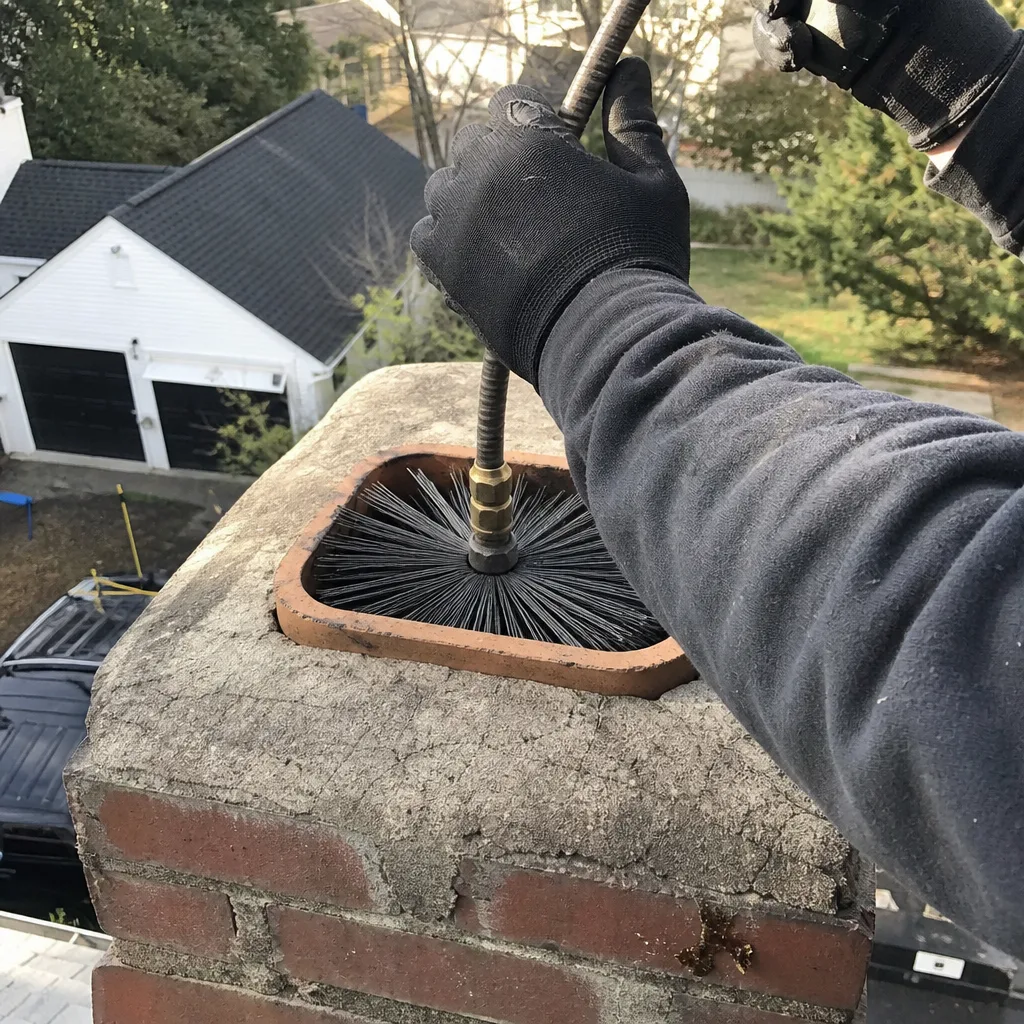
Four services cover most of what White Plains homes need. Each is quoted in writing before we start, and each includes the camera record.
Level 1 Inspection
This is the annual-sweep baseline: a visual check of the accessible portions of the chimney, the firebox, and the damper, plus the brushing that removes soot and light creosote. On a well-maintained fireplace in a single-family home off Gedney Farms or Rosedale, a Level 1 is often all the code requires. In White Plains, we’ll still run the camera up the flue during the sweep, because a 1935 chimney that looks fine from the firebox can be hiding a cracked tile fifteen feet up where no one has looked since the Eisenhower administration.
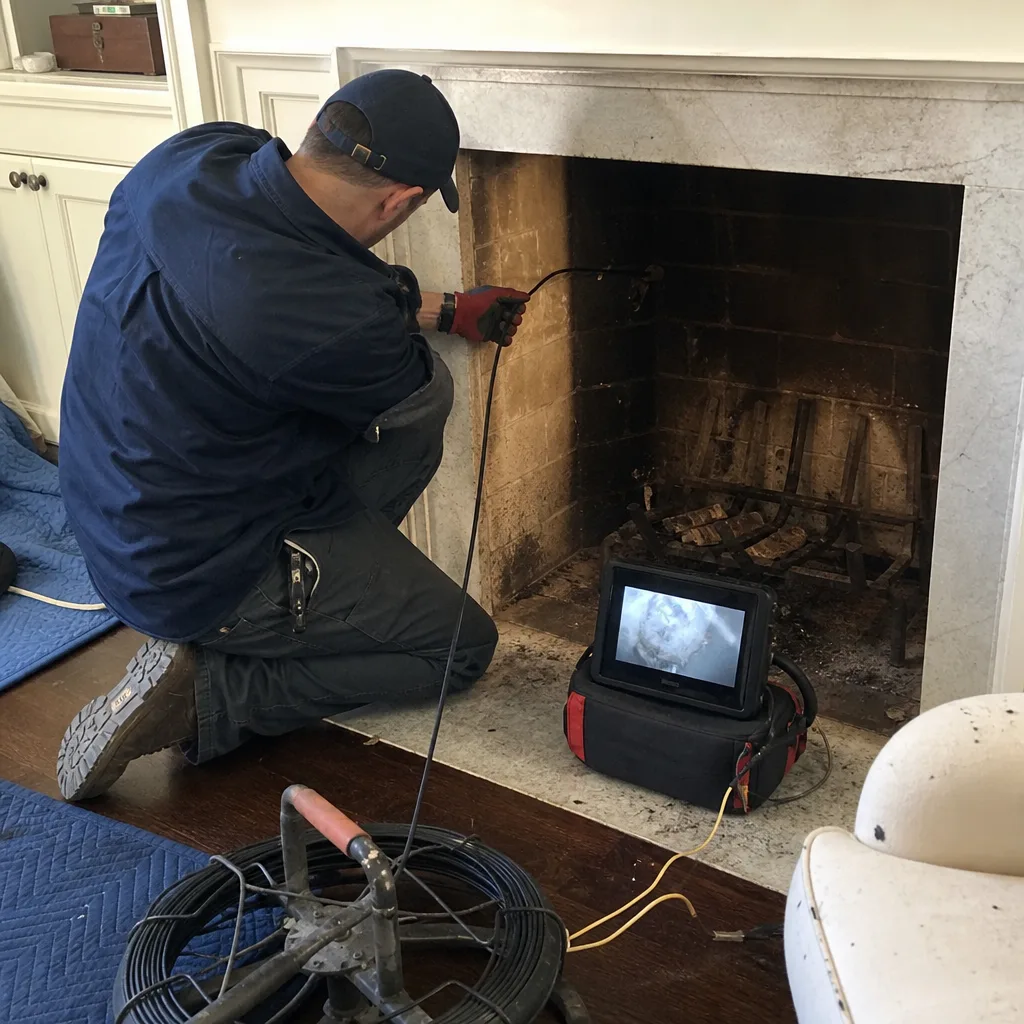
Level 2 Inspection
A Level 2 inspection is the real workhorse in White Plains. It’s required by NFPA 211 when a property is sold, when the fuel source changes, or after a fire or seismic event. Given the oil-to-gas conversion wave across Westchester over the past twenty-plus years, and given how many pre-war homes near Battle Hill and Highlands still had original oil-sized clay flues when Con Edison’s gas lines came through, point-of-sale Level 2 inspections are a near-daily job for us here. We camera the full flue, document every frame, and hand you a written record with photos. If there’s a violation, you’ll see it. If there isn’t, you’ll have the paper to prove it.
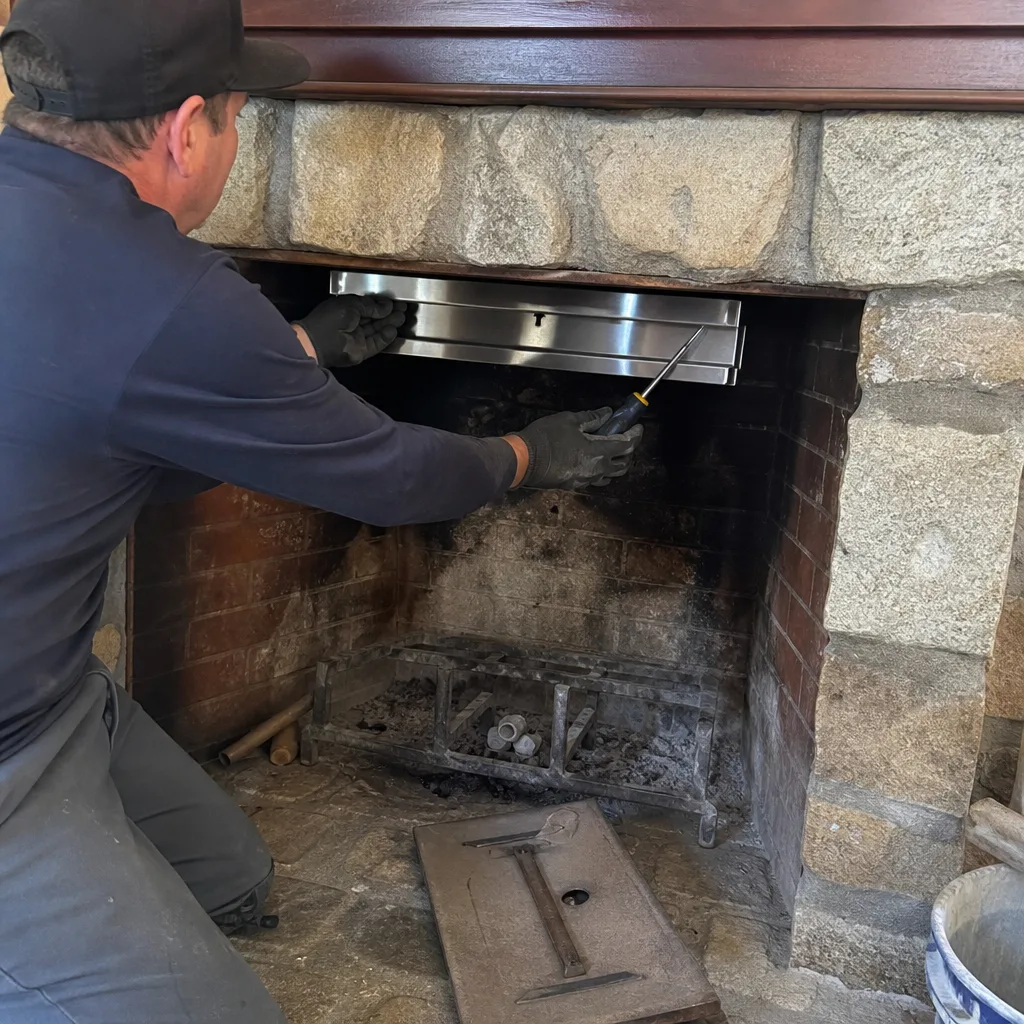
Creosote Removal
Creosote is the byproduct of wood combustion, and it builds in three stages. Stage 3, called glazed or third-degree creosote, is a hardened, shiny tar that can’t be brushed out by a standard sweep. It’s also the leading ignition source for chimney fires. White Plains pre-war chimneys are prone to it for a specific reason: a flue sized for a massive old oil burner has too much volume when a smaller wood stove or fireplace vents into it, so the smoke slows, cools, and condenses on the tile walls. We use mechanical removal tools on third-degree creosote and always follow with a camera check to confirm the flue came clean. If we can’t safely remove it without damaging the liner, we’ll tell you, in writing, before we go further.
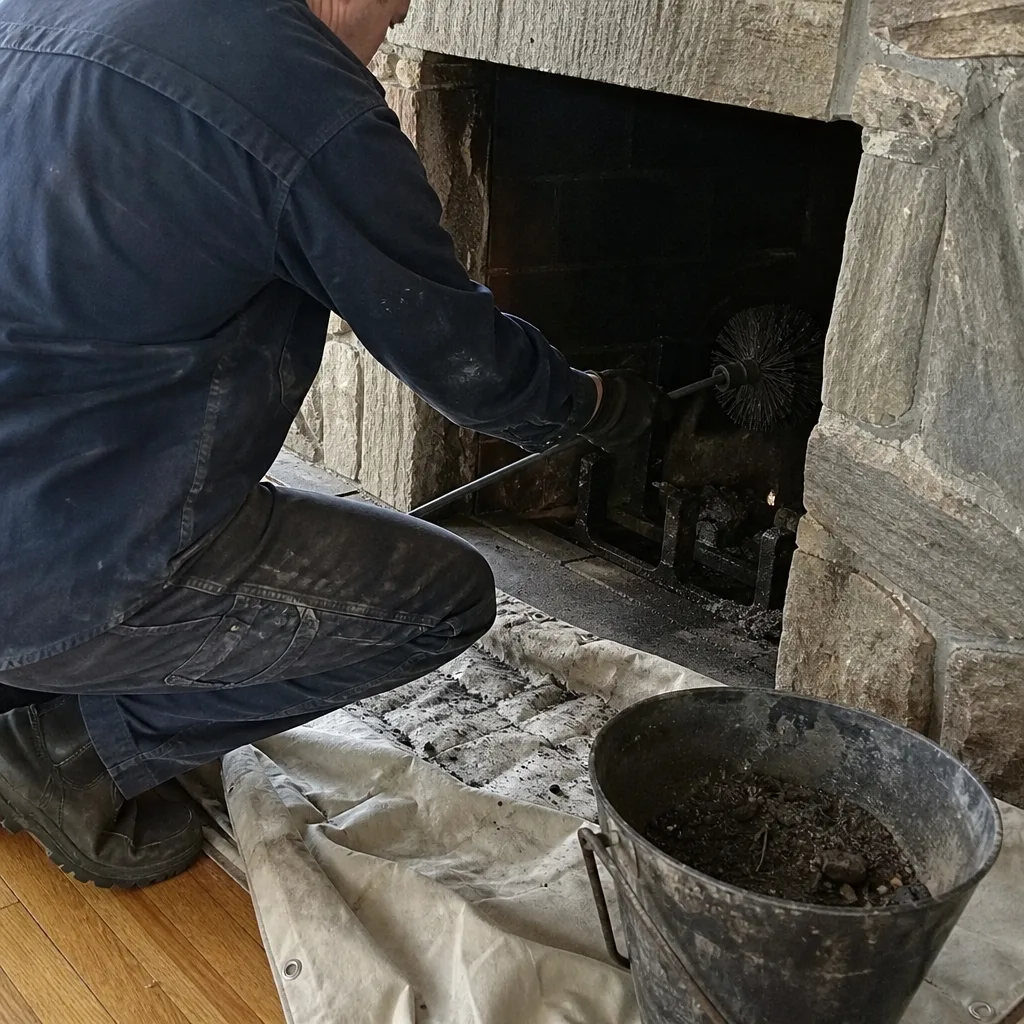
Soot Removal
Soot removal is a lighter job than creosote removal, but it still matters. An oil or gas conversion in a home near the Bronx River Parkway corridor can leave acidic sooty deposits from years of short-cycle condensation. Soot doesn’t threaten a flue the way third-degree creosote does, but it can mask underlying tile spalling and obstruct the smoke path. We clean it, camera the flue afterward, and document what the tile actually looks like underneath. You leave with photos.
What happens when you call
- 1
A real person answersNo phone trees - you reach a local pro.
- 2
You get an upfront price rangeHonest numbers before anyone is dispatched.
- 3
A background-checked tech heads outLicensed & insured, dispatched right away.
- 4
You approve before work beginsNothing starts until you say go.
BeforeAfterTrusted Brands We Service in White Plains
We work with materials from Famco, Copperfield, and HeatShield, and we keep a running stock of common components for the pre-war chimneys that dominate White Plains neighborhoods. That means a cracked flue tile found during a sweep doesn’t always become a two-week wait for parts. When a liner repair or resurfacing is warranted, we spec it with the same documentation standard we apply to every sweep: written scope, written price, and a photo record of the finished work.
Common Chimney Cleaning & Sweep Problems We See in White Plains Homes
- Oversized clay-tile flues on converted gas boilers. The 1920s-1950s brick homes near Battle Hill and along the Bronx River Parkway corridors were built with flues matched to oil burners. When Con Edison’s gas expansion pushed oil-to-gas conversions across White Plains, those flues became dramatically oversized for high-efficiency gas units, which run cooler and produce acidic condensate that eats the tile joints.
- Third-degree creosote in flues shared by gas and wood. A clay-tile flue that carries a gas boiler and a wood fireplace on the same run is against New York State and Westchester fire codes. We find them regularly in older two-family homes off Mamaroneck Avenue. The camera doesn’t just show it. It documents it for the point-of-sale inspection that’s coming.
- Spalling tile fragments in the cleanout. When a 1940s Highlands chimney gets a simple clean-and-cap job without a camera look, the tile damage is already underway. Weeks later the homeowner finds pieces of clay tile in the cleanout at the base of the flue. By then the spalling has usually reached the smoke chamber, and the job has changed from sweep to liner rebuild.
- Freeze-thaw damage on north-facing chimneys. White Plains sits in a valley ringed by hills, and the wind funneling through it hits north- and west-facing chimneys hard. Thirty to forty freeze-thaw events a year means water finds every crack in an old mortar crown, freezes, and wedges brick loose. The next sweep finds a deteriorated crown and moisture behind the brick face.
One case we remember clearly came off Mamaroneck Avenue. A 1930s brick two-family. The homeowner reported a sulfur smell near the boiler. Our crew ran a Level 2 inspection and the camera showed a clay-tile flue originally sized for an oil burner, now venting a high-efficiency gas unit. Acidic condensate had eaten the tile joints and left third-degree creosote glaze in the smoke chamber. We documented every frame for the homeowner, then scoped and cleaned the accessible firebox and damper before recommending a HeatShield resurfacing rather than a rip-out reline. That saved the original brickwork and brought the flue back to code for the next point-of-sale inspection. No scare tactic. Just the photos, the scope, and the price.
Pricing for Chimney Cleaning & Sweep in White Plains, NY
Here are the numbers for White Plains single-family homes. A standard chimney sweep with Level 1 inspection runs $189-$289 on a single flue with an accessible roof. Adding a Level 2 camera-scan inspection brings the total to $329-$469. Creosote removal for second- or third-degree buildup starts at $120-$250 above the sweep price, depending on what the camera shows. A two-flue home or a chimney serving both a boiler and a fireplace runs $289-$449 for the sweep and Level 2 combined. High-rise or co-op jobs with ganged flues are quoted per stack after an on-site look, and we still put the price in writing before any work starts. If you have a competitor’s written quote, bring it. We’ll give you a Free Second Opinion on what it actually covers.
We Also Serve Cities Near White Plains
Our crews cover White Plains and the surrounding Westchester towns, including Scarsdale, Port Chester, Harrison, and Rye. If you’re in any of those communities, the pricing structure and inspection standard in Chimney Cleaning & Sweep in White Plains applies to your job as well. Same written price rule, same camera record.
Serving White Plains, NY - Our Local Coverage Area
We’re based in the White Plains area and know this community well. Use the map below to see our service coverage - if you’re nearby, we can almost certainly help.
FAQs - Chimney Cleaning & Sweep in White Plains
Because the city’s housing stock is dominated by 1920s-1950s brick homes built around oil heat, and most of those homes converted to gas over the past two decades without relining the flue to match the new, cooler-burning appliance. A standard annual sweep brushes what it can reach. A Level 2 inspection cameras the full flue and documents whether the tile is spalling, whether the liner is sized right, and whether there’s a code issue that will surface at sale. In White Plains, with its active real-estate turnover as a transit-hub city, a Level 2 is often the only way to know before the buyer’s inspector does. Call (516) 399-5497 and we’ll scope it out with the camera before anything gets brushed.
No, and if that’s what your chimney has, it’s a code violation under New York State and Westchester fire codes. The flue was not designed to carry gas combustion byproducts and wood smoke through the same passage, and a standard cleaning won’t fix the underlying issue. What we can do is document the violation with the camera, clean what can safely be cleaned, and scope the relocation or relining work in writing. The homeowner sees everything in the photo record before deciding.
White Plains experiences thirty to forty freeze-thaw events a year, and in the valley wind funnel around the city, water gets forced into crown cracks and brick joints on north- and west-facing chimneys more aggressively than in flatter towns. That means spalling and crown deterioration progress faster here, and a chimney that was swept and documented as stable in October can show new water intrusion at the crown by March. We recommend an annual sweep with camera inspection in White Plains, not every other year, specifically because of the freeze-thaw cycle. If your chimney faces north or west, call (516) 399-5497 and we’ll put eyes on the crown before spring rain becomes next winter’s spalling.
Third-degree creosote, also called glazed creosote, is a hardened, tar-like deposit that forms when smoke cools too quickly and condenses on the flue walls. It’s common in White Plains because so many pre-war chimneys have oversized clay-tile flues originally sized for oil burners, and when a smaller fireplace or wood stove vents into that large flue, the smoke lingers long enough to deposit the glaze. A standard brush sweep cannot remove it. Mechanical removal with rotary tools is required, and even then, we camera the flue afterward to confirm the tile wasn’t damaged in the process. If your fireplace is in a 1920s-1950s home near Battle Hill or Highlands, assume a creosote check is part of the job. Call (516) 399-5497 for a written quote on creosote removal in White Plains.
Yes. Downtown White Plains high-rises and co-op conversions often have shared or ganged flue systems serving multiple units, and cleaning one unit’s run without understanding the stack configuration can push debris into a neighbor’s damper or fail to address a blockage further up the shared stack. These jobs require coordinated access and often board approval. We quote them per stack after an on-site look, always in writing, and we document everything with the camera before and after. If your building is off Mamaroneck Avenue or near the central business district, the flue is almost certainly shared. Call (516) 399-5497 and we’ll walk you through what the board needs to see before scheduling.
Get a Written Price for Your White Plains Chimney Cleaning
We don’t give quotes over the phone without seeing the chimney, and we don’t make you book first to find out the number. Call (516) 399-5497 and we’ll schedule a visit, put a camera down the flue, and hand you a written price for the cleaning before any work begins. That’s been the rule at Level Two Chimney Greenwich since 2009, and it applies to every chimney in White Plains. If you have a written estimate from another company, bring it. We’ll tell you what it actually covers and give you a Free Second Opinion. No pressure. Just the evidence.
Written by Corrine Halstead, Owner at Level Two Chimney Greenwich, serving White Plains under the Haven Standard since 2009.