
Level 1 sweep and inspection to the NFPA 211 annual standard - flue, crown, cap, and flashing checked and photographed
Chimney sweep logs do not sweep chimneys. They loosen some creosote - which then falls where a brush and vacuum still have to collect it.
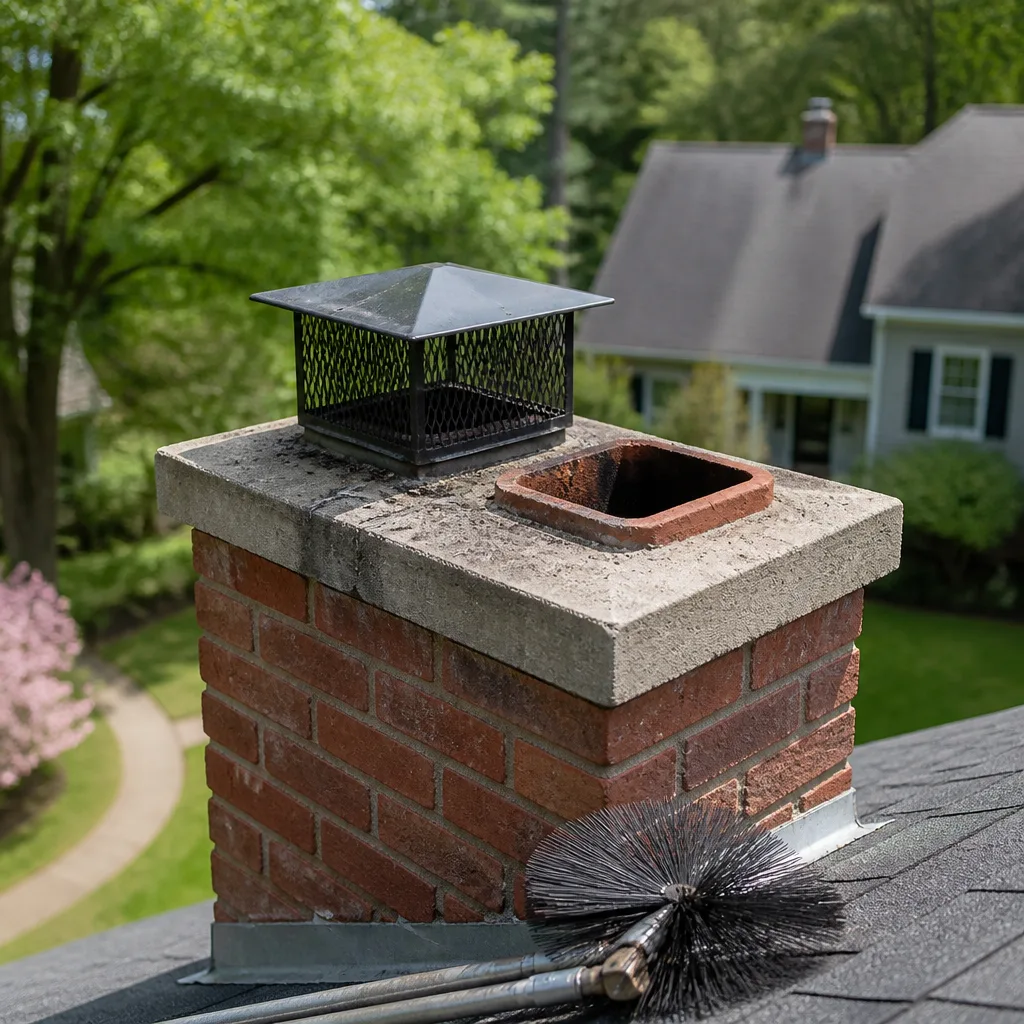
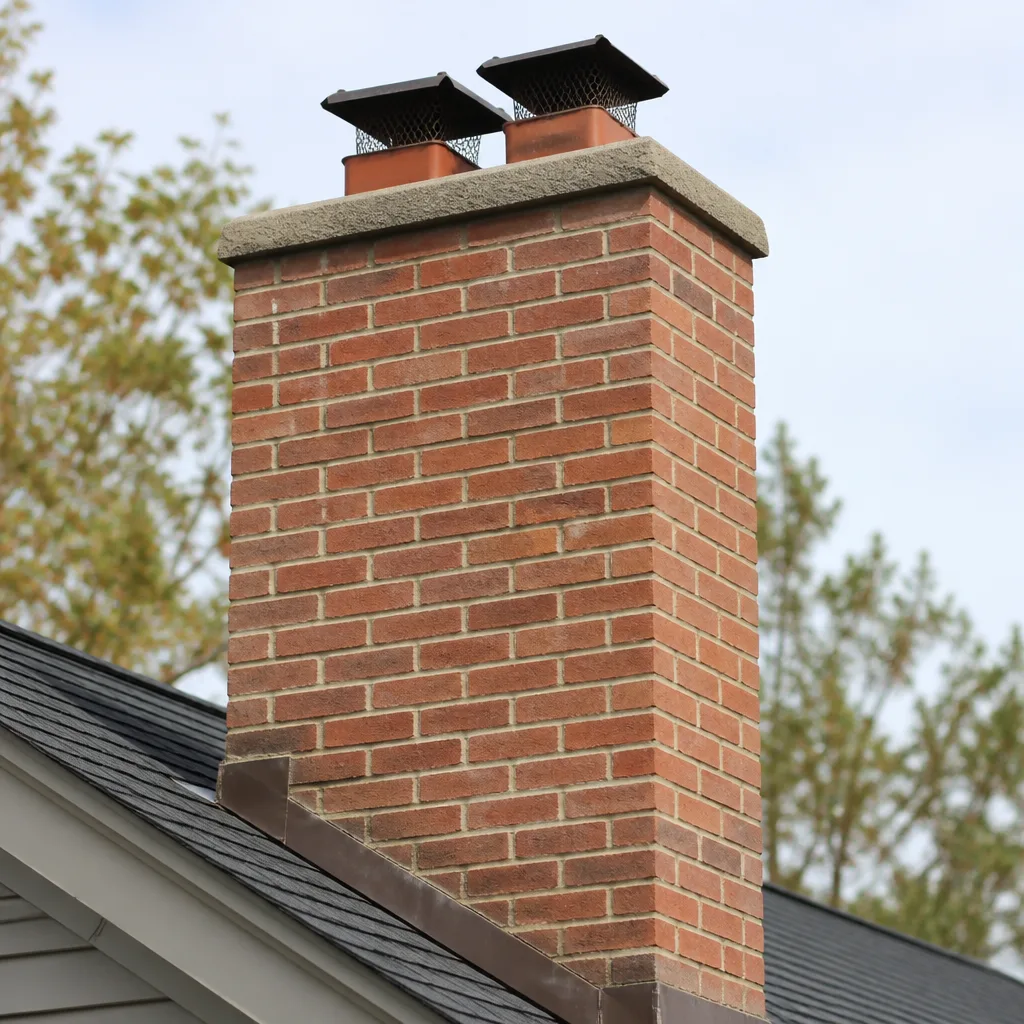
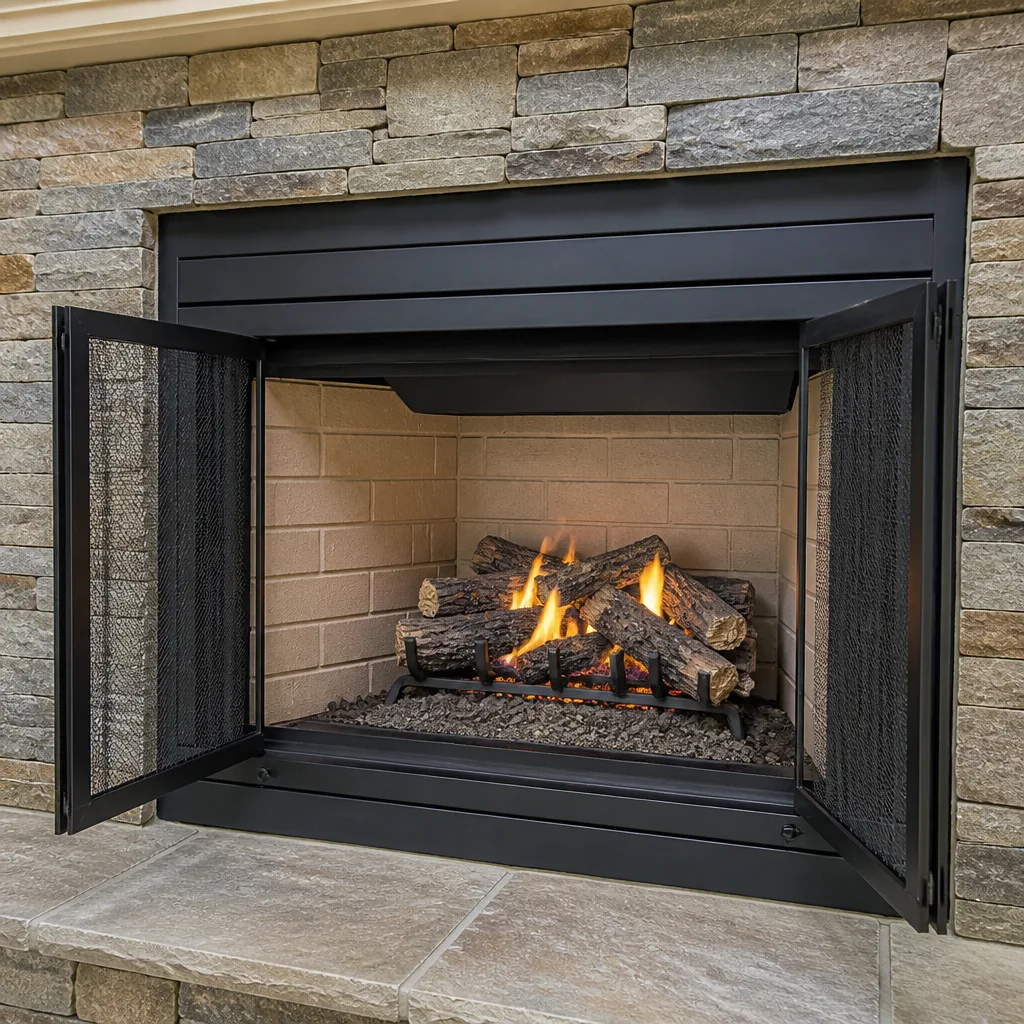
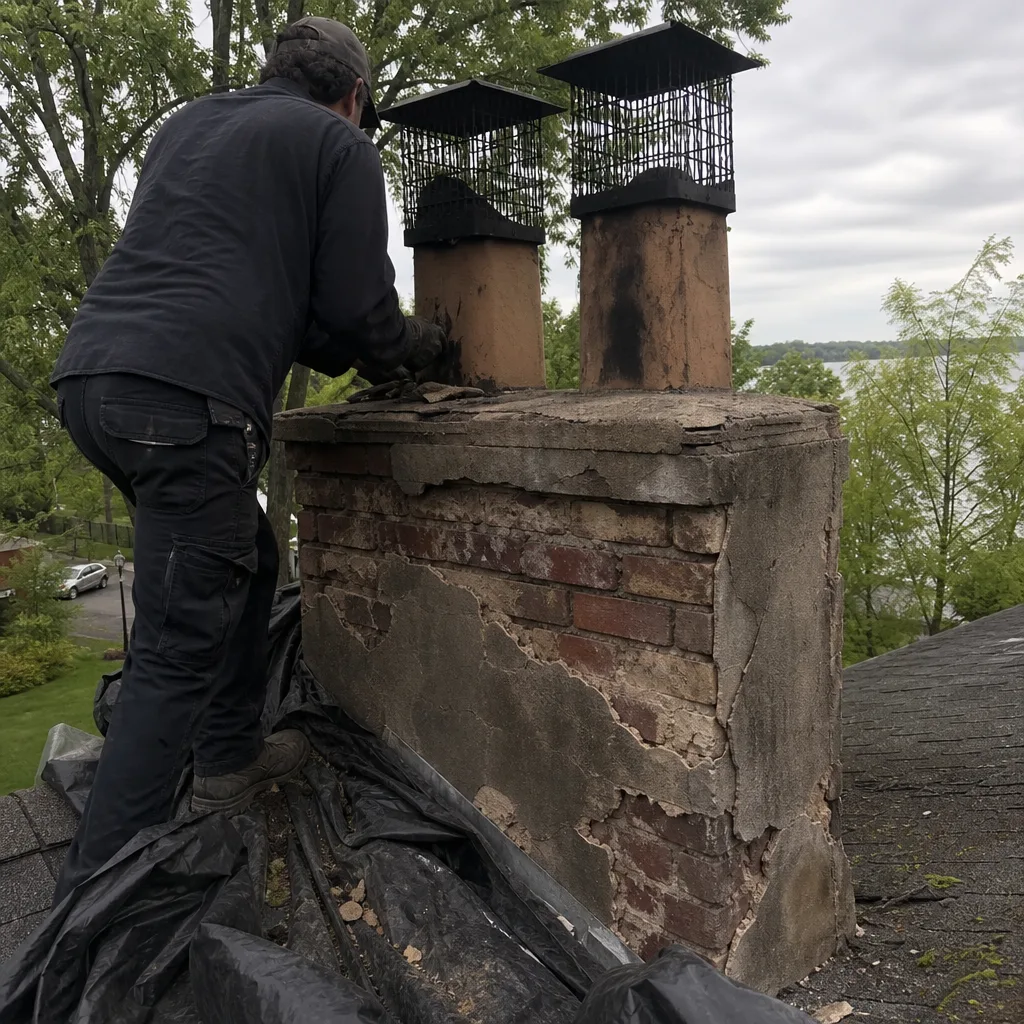 Before
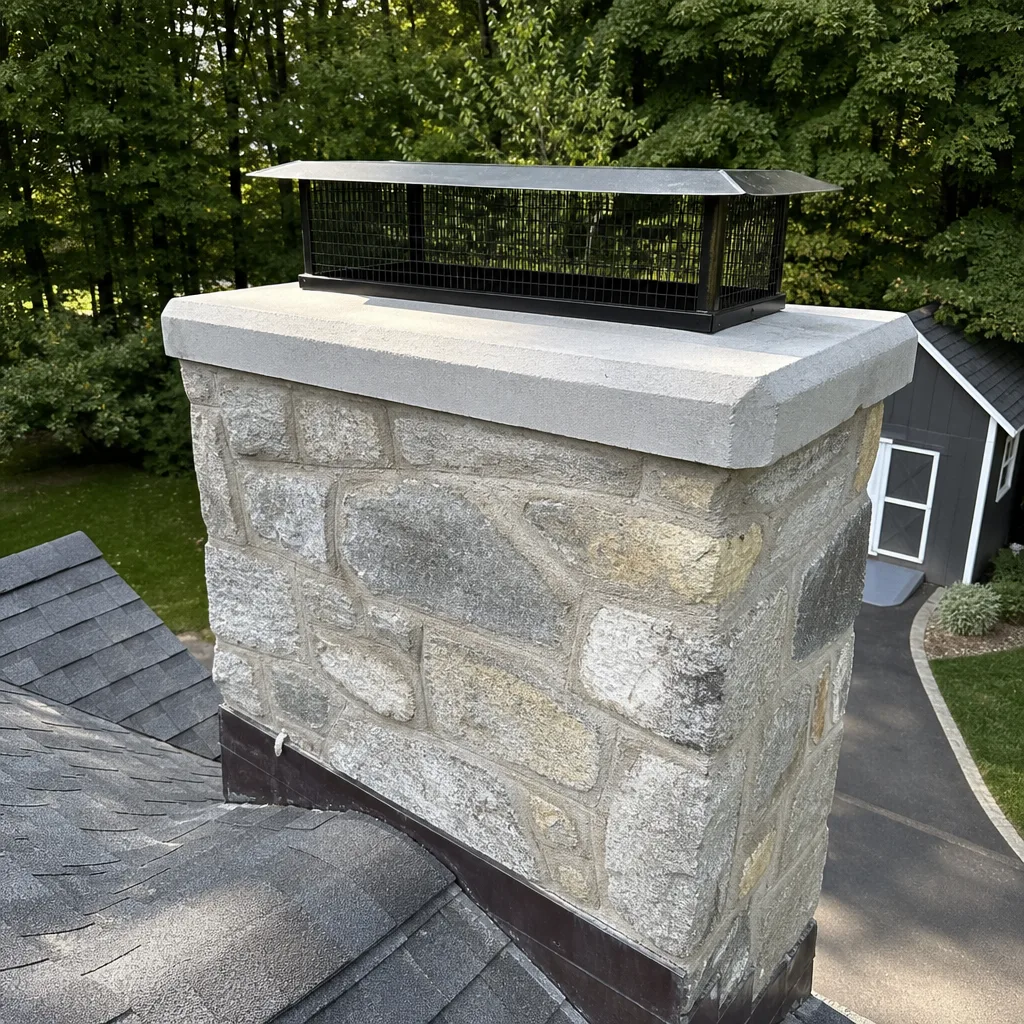 After
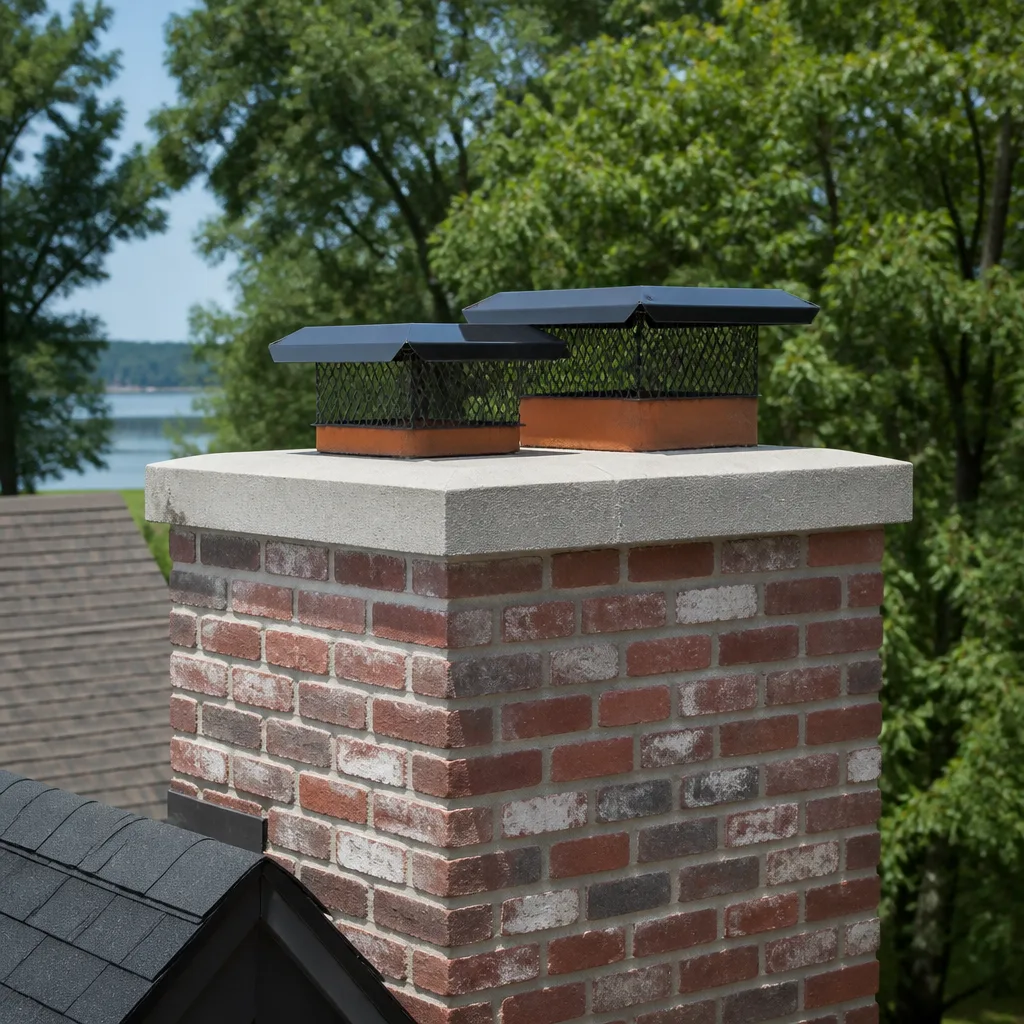
After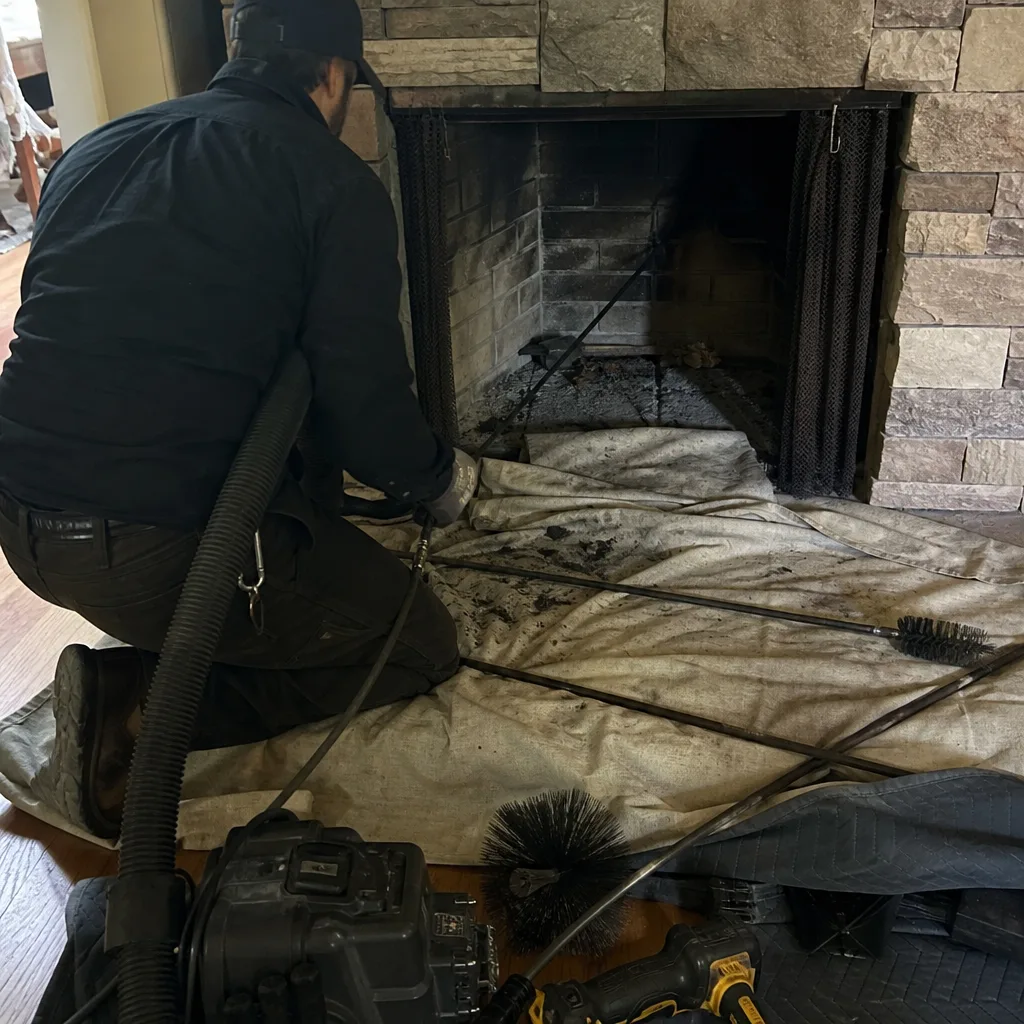 Before
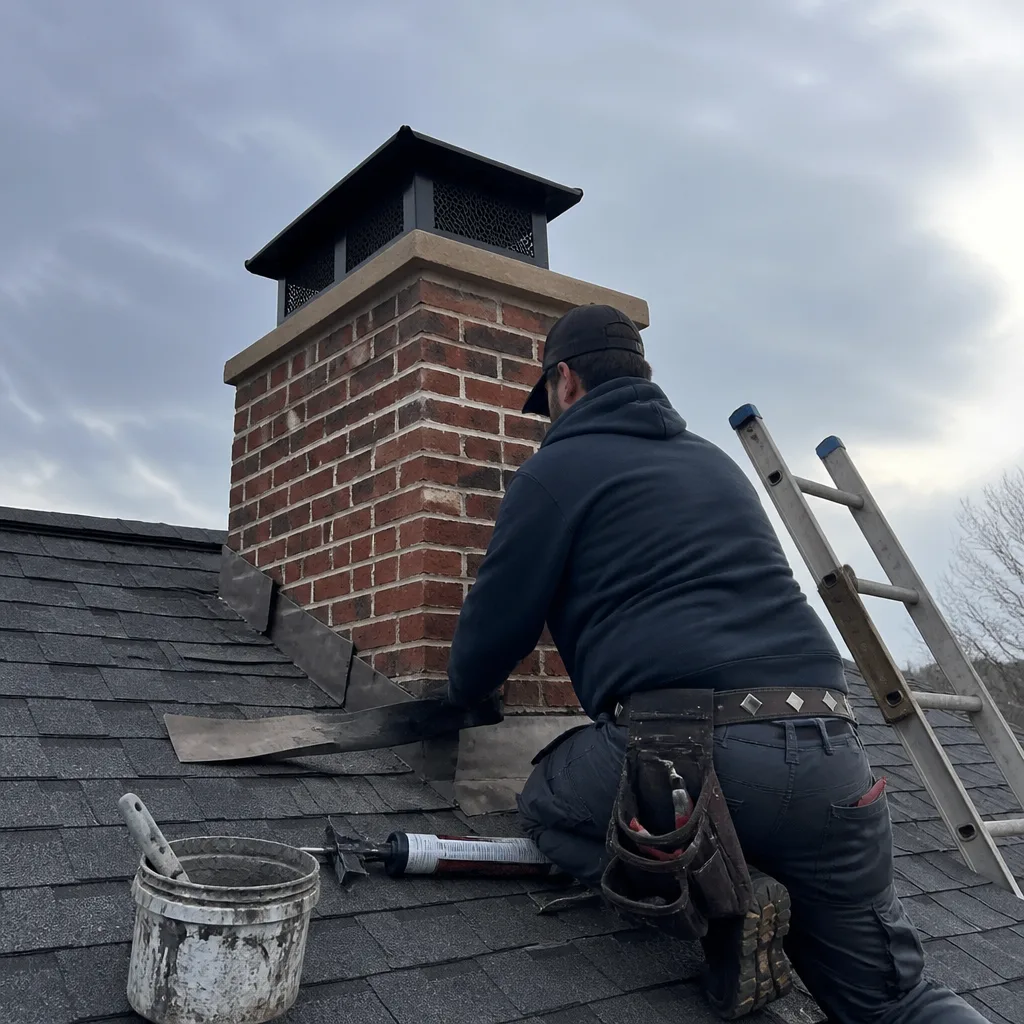 After
After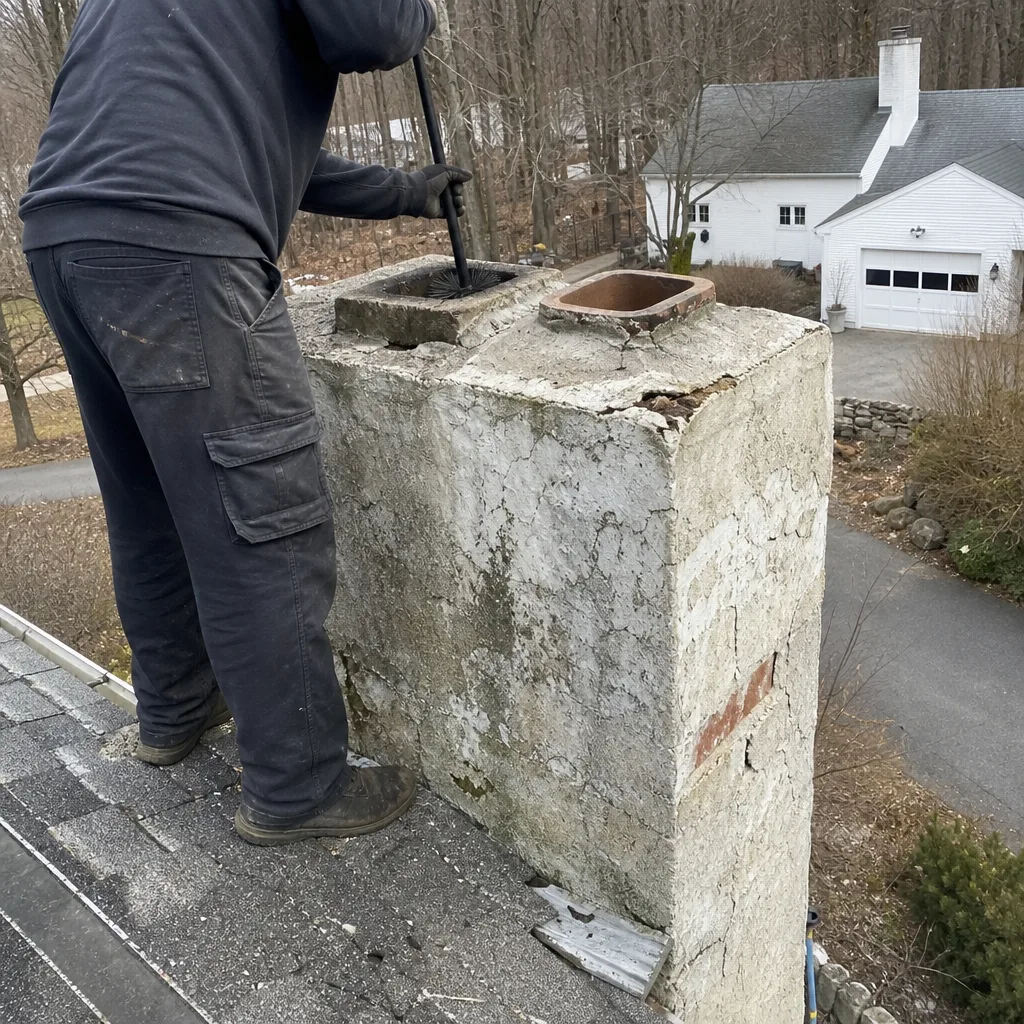 Before
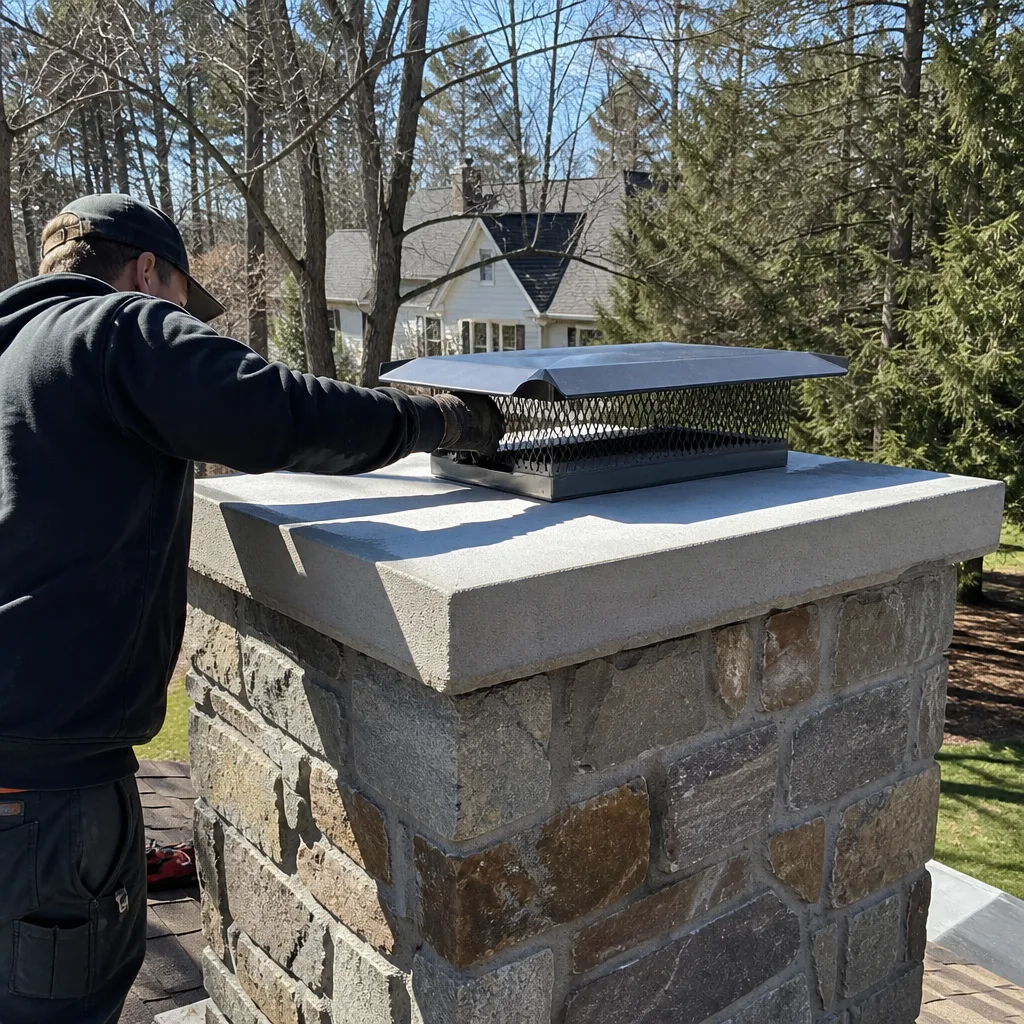 After
AfterHow Much Does Chimney Liner & Rebuild Cost in Greenwich?
Chimney liner installation in Greenwich, CT typically runs $2,400 to $6,800 depending on liner type, flue height, and whether the smoke chamber or crown needs work at the same time. A full chimney rebuild – tearing down and relaying the masonry above the roofline – adds $3,500 to $9,500 on top of our Chimney Liner & Rebuild services for most Greenwich homes. Both scopes include a written price before anyone picks up a tool, and both are covered by the 365-Day Done Right Promise.
If your inspector has flagged a cracked clay tile liner, a deteriorated stainless liner, or spalling brick above the firebox, this guide breaks down exactly what you’re looking at in dollar terms – and what actually drives that number up or down in Fairfield County’s market.
Chimney Liner & Rebuild Cost Breakdown (2026)
The table below reflects real job pricing for Greenwich, CT homes in 2026. Prices are for labor and materials combined. Permit fees, if required by the Town of Greenwich Building Department, are billed separately and typically run $75 to $250 for chimney work.
| Service | Typical Range (Greenwich, CT) | Notes |
|---|---|---|
| Flexible stainless steel liner (6″ single-flue, gas) | $2,400 – $3,400 | DuraFlex 316L or equivalent; most common gas-appliance upgrade |
| Flexible stainless steel liner (7″-8″ single-flue, wood) | $2,900 – $4,200 | Larger diameter required for open-burning fireplaces |
| HeatShield ceramic resurfacing (per linear foot) | $95 – $175/ft | Average Greenwich flue runs 20-30 ft; minor cracks, no liner insert needed |
| Cast-in-place liner system | $4,500 – $6,800 | Multi-sided or oval flues; full structural reline from firebox to cap |
| Liner removal (old clay tile or failed metal) | $350 – $900 | Billed separately; required before new liner in most cases |
| Partial chimney rebuild (above roofline, 1-3 ft) | $1,800 – $4,000 | Common on 1920s-1960s Greenwich Colonials with soft brick |
| Full chimney rebuild (above roofline, 4+ ft) | $4,500 – $9,500 | Tear-down, new core, new crown, new cap; price varies with height and brick access |
| Smoke chamber parging | $400 – $850 | Required if corbeled brick is exposed or smoke chamber is cracked |
| Crown repair or replacement | $350 – $950 | Often combined with liner work; new crown is standard on full rebuilds |
| Chimney cap installation | $175 – $550 | Gelco and Famco stainless caps; multi-flue caps at the higher end |
| Full liner + rebuild package (typical Greenwich scope) | $6,500 – $14,000 | When liner and masonry both need attention; one mobilization, written scope |
The most common job we see in Greenwich – a flexible stainless liner in a wood-burning fireplace on a two-story Colonial in Cos Cob or Riverside – lands between $3,200 and $4,500 all in. Homes in Backcountry Greenwich with taller chimneys and steeper pitches often run closer to the top of the range, both because of flue length and because safe roof access requires additional rigging.
If your chimney needs both a liner and masonry work, combining them into one visit cuts mobilization costs and usually saves $400 to $800 compared to scheduling them separately. Every scope at Level Two Chimney Greenwich is quoted in writing before work starts – Clause 1 of the Haven Standard – so there are no mid-job additions to the price.
What Affects Chimney Liner & Rebuild Pricing in Greenwich
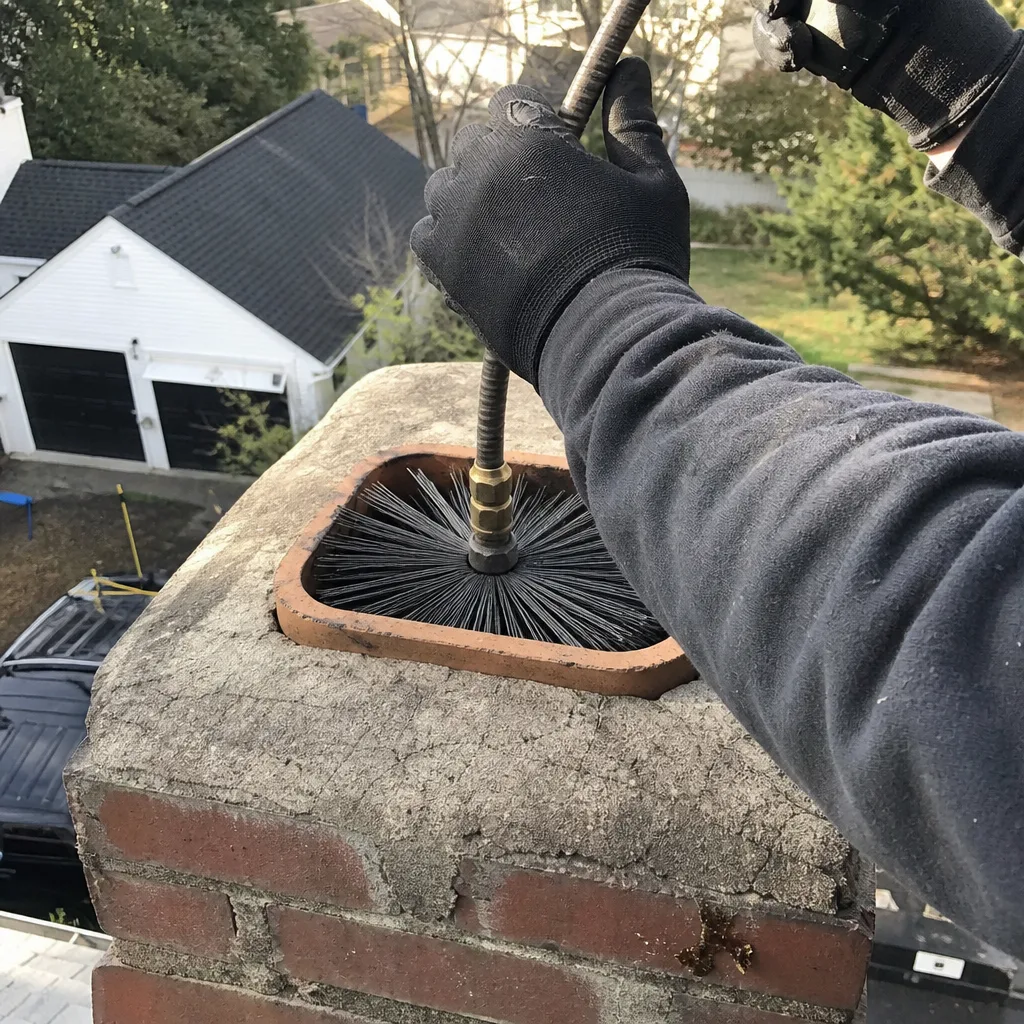
- Flue height and roof pitch: Greenwich has a lot of large homes with steep-pitched roofs and tall masonry chimneys – particularly in the Belle Haven, North Mianus, and Backcountry areas. A 30-foot flue costs more to line than a 20-foot flue in straightforward math, but the roof pitch also matters because it affects how long safe rigging takes. A technically simple job on a 12:12 pitch can add $300 to $700 in labor compared to the same job on a flatter-roofed ranch.
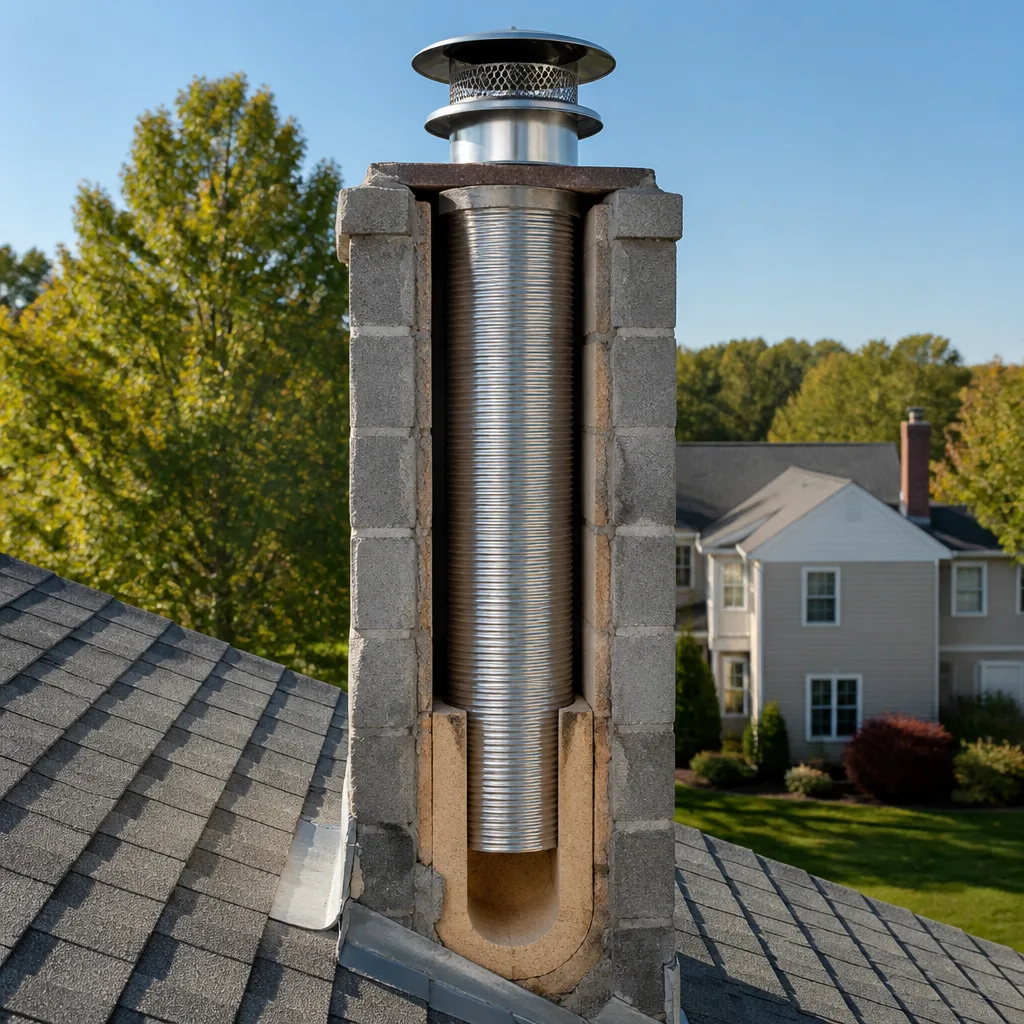
- Liner type selected: HeatShield ceramic resurfacing is the most affordable option when cracks are hairline and the original clay tile is structurally sound. A flexible DuraFlex stainless liner costs more upfront but is the right call when tile sections are missing or the flue has offset angles. Cast-in-place costs the most and is reserved for odd-shaped or structurally compromised flues. The camera scan tells us which is appropriate – and that determination is made before any price is quoted.
- Liner diameter and number of flues: Greenwich homes with gas inserts use a 5″ or 6″ liner. Open-burning fireplaces require 7″ or 8″ – sometimes larger on older fireboxes with oversized openings. Multi-flue chimneys (common in 1920s-1940s Greenwich homes that originally had coal furnaces and fireplaces sharing one chimney stack) require separate liner runs and are priced per flue.
- Extent of masonry deterioration: Spalling brick – where the face of the brick separates from freeze-thaw cycling, common in Greenwich given coastal winters with repeated frost-thaw swings – can range from a cosmetic issue to a structural one. If the mortar joints at the top two or three courses have eroded more than 3/8″, we recommend repointing before sealing. If the brick itself is failing through, a partial or full rebuild is the right scope, not a surface repair.
- Accessibility and staging: Jobs in Old Greenwich near the water sometimes involve longer staging setup because of narrow side yards or mature landscaping that limits equipment placement. Backcountry properties with circular driveways and long setbacks from the street aren’t typically an issue for access, but chimney height on those large homes often pushes flue length past 30 feet.
- Permit requirements: The Town of Greenwich Building Department requires a permit for full chimney rebuilds and, in most cases, for liner installation when connected to a heating appliance. We handle the permit application – the cost is passed through at actual cost, not marked up – and the permit status is documented in the job record under Haven Standard Clause 4.
- Combined scope vs. staged work: Doing liner work and masonry work on the same mobilization almost always reduces total cost because scaffolding or lift equipment is a fixed expense per visit. If your NFPA 211 Level 2 inspection shows both issues, we’ll show you the combined price and the staged price side by side in writing so you can decide with actual numbers in hand.
BeforeAfterHow to Save on Chimney Liner & Rebuild in Greenwich
A few things actually move the number in a useful direction. Most of them come down to timing and information, not negotiating.
Get a camera-scan inspection before agreeing to any scope. This sounds obvious, but a lot of Greenwich homeowners call us after another company quoted a full liner replacement based on a flashlight look from the firebox opening. When we run a Level 2 camera scan, we sometimes find that HeatShield resurfacing covers the damage at a fraction of the liner cost – and sometimes we find the situation is worse and the liner quote was actually low. Either way, you need the camera footage before the scope makes sense. Our inspection includes a documented photo record as standard practice under Haven Standard Clause 4, so you have the visual evidence whether you hire us or not.
Combine work when the inspection finds multiple issues. If your crown is cracked and your liner tiles are failing, doing both at once on one visit with one set of staging costs almost always beats two separate appointments. We’ll show you both line items and the combined total – in writing – before anything is scheduled.
Use our Free Second Opinion. If you’ve already received a written estimate from another contractor, bring it to us. We’ll review the scope against what the camera shows and tell you plainly whether the recommendation fits the damage. There’s no fee for this, and we don’t require you to book anything afterward. Materials for our jobs come through Haven’s buying network – suppliers including DuraFlex, HeatShield, Gelco, Olympia Chimney, Famco, and Copperfield – specifically so we’re not paying retail markup that gets passed to the customer.
Don’t delay a liner repair into a rebuild. A cracked clay tile liner that gets ignored through one or two more heating seasons often deteriorates from a resurfacing job into a full replacement job. In Greenwich, where winters cycle through freeze-thaw more than inland Connecticut, liner cracks tend to propagate faster than homeowners expect. The $1,800 job this year can easily become the $4,200 job next year.
Ask about permit handling upfront. Some contractors quote a price and then add permit fees later. We include the permit application in the process and pass through the actual Town of Greenwich fee – typically $75 to $250 – at cost. There’s no administrative markup on permit fees in our invoices.
For a written estimate on your specific chimney, call (516) 399-5497. Calls are answered by a live person 24 hours a day, 7 days a week – not a voicemail, not a web form. The estimate is free and the price is in writing before any work is scheduled.
Signs Your Greenwich Chimney Needs a Liner or Rebuild
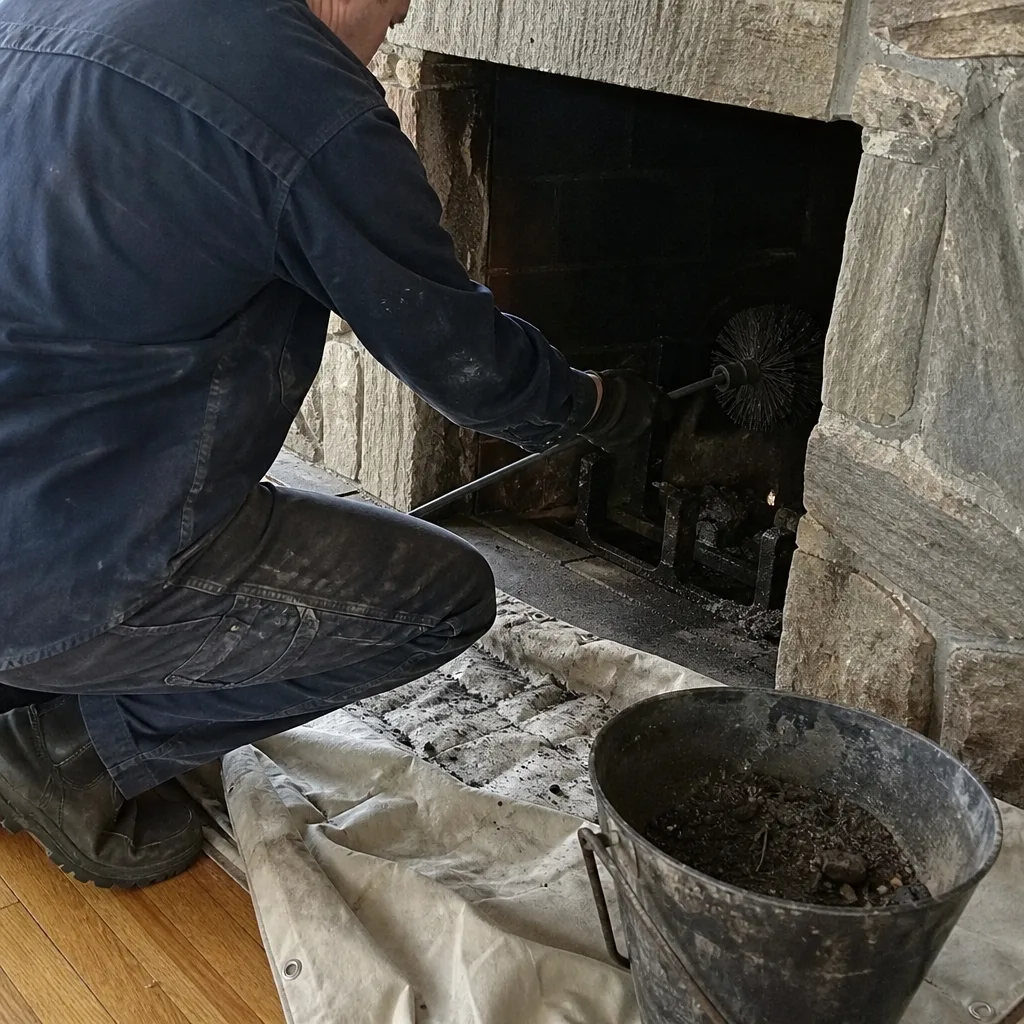
These aren’t things to diagnose from the living room – but knowing what the inspection is looking for helps you understand what you’re paying for.
A cracked or missing flue liner – the clay tile or metal channel that contains combustion gases inside the chimney – means combustion byproducts and heat can reach the surrounding masonry and framing. This is a fire and carbon monoxide risk, not a cosmetic one. In Greenwich, we regularly find failed clay tile liners in homes built between 1940 and 1975 where the original tile has been cycling through heating seasons for 50-plus years without inspection. The tiles develop horizontal cracks at the mortar joints, then sections shift or drop.
A chimney that smokes back into the house – draft problems, in trade terms – can sometimes be resolved by relining to correct the flue diameter. An oversized flue for the connected appliance creates a draft that won’t draw properly. We see this often in Greenwich when homeowners have converted an old coal-era furnace connection to a modern gas appliance without updating the liner diameter.
Spalling brick at the chimney top is the masonry surface flaking and separating, which is what happens when water penetrates the brick face, freezes, expands, and forces the face layer off. You’ll see brick chips on the roof or in the gutters. Greenwich’s coastal climate – salt air from Long Island Sound accelerates mortar joint erosion in particular – makes this a faster-progressing problem than it would be 30 miles inland.
White staining (efflorescence) on the brick exterior is a sign that water is moving through the masonry. By itself it’s not a structural problem, but it indicates the chimney is saturated more than it should be, which accelerates liner tile deterioration from the outside in.
A chimney crown that is cracked or missing entirely allows water to pour directly into the flue and onto the liner tiles. Crown failures are often the root cause of liner failures – fix the crown first, then assess what the liner needs.
A proper NFPA 211 Level 2 inspection with camera documentation is the only way to determine which of these is actually present and to what degree. A visual look from the fireplace opening or from the roof misses the middle 15 to 25 feet of the flue where most liner failures originate.
Greenwich-Specific Considerations for Liner & Rebuild Work
Greenwich isn’t a generic Connecticut market for chimney work. A few things make it distinct from a pricing and scope standpoint.
Homes in Riverside and Old Greenwich tend to be older Cape Cods and Colonials with chimneys that haven’t been touched since the original construction or since a wood-to-gas conversion in the 1980s. Those conversions were often done without relining to the correct diameter, which means the gas appliance has been running in an oversized, uninsulated clay tile flue for decades. That’s both a code issue and an efficiency issue, and it’s one of the most common liner replacement scenarios we see in that part of Greenwich.
Homes in Cos Cob and Pemberwick often have chimneys that were built with soft-fired brick that wasn’t meant to handle the kind of weather exposure Greenwich gets. Those chimneys tend to require more masonry work alongside liner work.
The larger homes in Backcountry Greenwich – North Street corridor, Stanwich Road, Lake Avenue – frequently have multiple fireplaces and chimneys, some of which haven’t been used in years. Dormant flues accumulate moisture and debris and sometimes host wildlife. Reopening a long-dormant flue for use almost always requires a Level 2 inspection and, frequently, a full liner job.
Greenwich also falls under Fairfield County building codes, and the Town of Greenwich Building Department is active about requiring permits for structural chimney work and liner installation connected to heating appliances. Working without a permit on a chimney in Greenwich can complicate a home sale – buyers’ attorneys and home inspectors in this market look for permit records, and an unpermitted chimney rebuild or liner job can become a renegotiation point. We handle permitting as part of the job scope.
For Chimney Liner & Rebuild in Greenwich, see our full service page for scope details, materials, and the Haven Standard documentation that comes with every job.
What You Get With Every Level Two Chimney Job in Greenwich
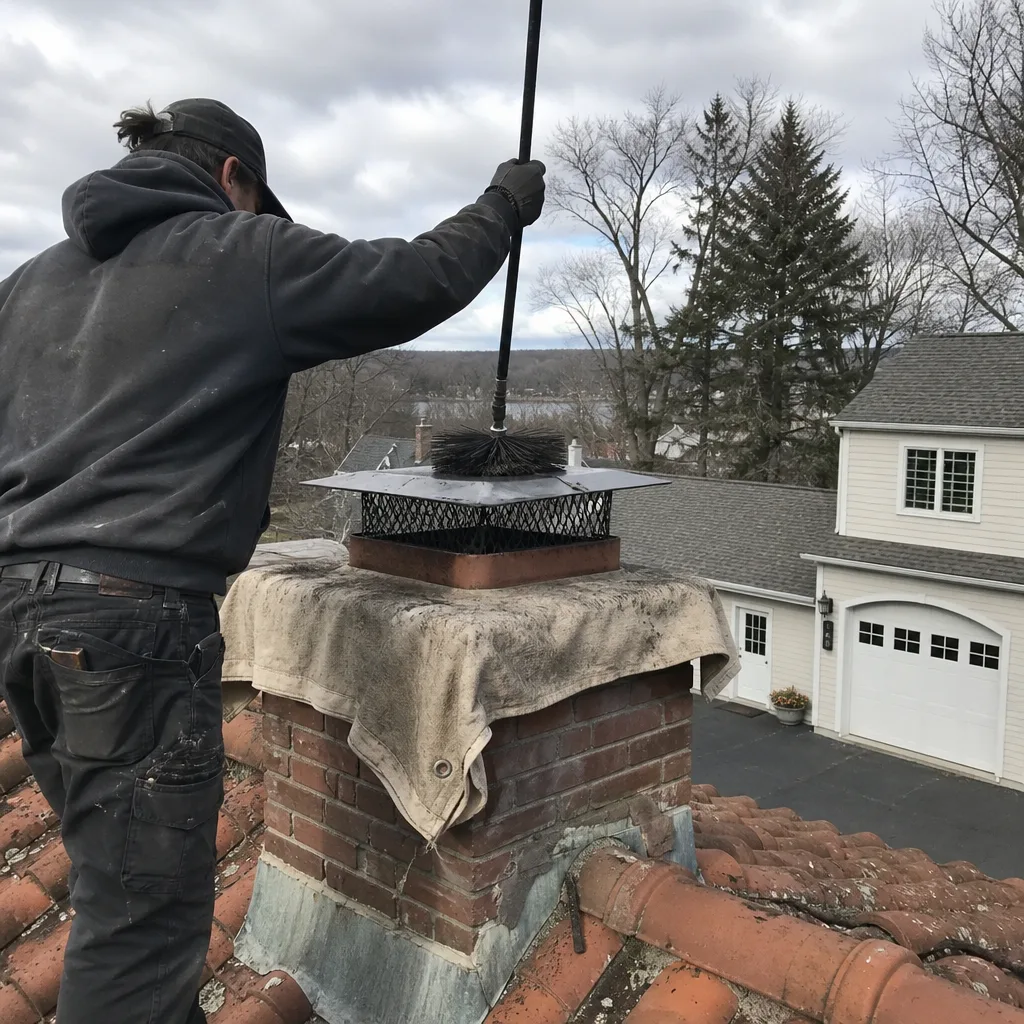
The price is only part of the story. What comes with it matters, especially when you’re spending several thousand dollars on work inside a wall you can’t see.
- Written price before work starts – not after the tech is in your home, not after the liner is halfway down the flue. Haven Standard Clause 1 requires a written scope, written price, and written warranty before any work is authorized.
- NFPA 211 Level 2 camera-scan inspection with documented photo record – you see what we see, frame by frame. This has been the default on every Level Two visit since 2009, long before insurers started requiring it. It’s Haven Standard Clause 4.
- 365-Day Done Right Promise – if the work isn’t right within a year, we make it right. This is in writing on every job.
- Background-checked, uniformed technicians – you’ll know the name of the tech assigned to your job and get a text when they’re on the way.
- Live phone support, 24 hours a day, 7 days a week – if you have a question after the job, a person answers.
- Free Second Opinion – if you have a competitor’s written estimate, bring it to us. We’ll tell you whether the scope matches the damage the camera finds, at no charge.
More than 38,000 chimney inspections and cleanings since 2009, every one with a written price before work started and a documented record on completion. That record is yours – the photo archive, the inspection findings, the warranty – whether you’re filing an insurance claim, listing the home, or just keeping track of what’s been done.
The Level Two home page has a full overview of how our inspection and documentation process works if you want the background before calling.
FAQs – Chimney Liner & Rebuild Cost in Greenwich, CT
How much does chimney liner installation cost in Greenwich, CT in 2026?
A flexible stainless steel liner in Greenwich typically costs $2,400 to $4,200 for a single-flue wood or gas fireplace, installed. Cast-in-place liner systems for irregular flues run $4,500 to $6,800. HeatShield ceramic resurfacing, when the tile is cracked but not collapsed, runs $95 to $175 per linear foot – which for a typical Greenwich flue of 20 to 28 feet comes to roughly $1,900 to $4,900. The right liner type depends entirely on what the Level 2 camera scan shows. Call (516) 399-5497 for a written estimate – it’s free and there’s no obligation.
How much does a chimney rebuild cost in Greenwich, CT?
A partial chimney rebuild above the roofline – typically the top one to three feet where freeze-thaw damage is worst – runs $1,800 to $4,000 in Greenwich. A full rebuild from the roofline up, with a new crown and cap, runs $4,500 to $9,500 depending on chimney height, roof pitch, and brick type. The taller chimneys common in Backcountry Greenwich estates tend to come in at the higher end of that range. A written price is provided before demolition starts. Call (516) 399-5497 to schedule an inspection and get a number in writing.
Is it cheaper to reline or rebuild a chimney in Greenwich?
Relining is almost always cheaper than rebuilding. A flexible liner installation typically costs $2,400 to $4,200, while a full masonry rebuild runs $4,500 to $9,500 – and you often need a liner on top of the rebuild anyway, so the costs can stack. The question isn’t which is cheaper in the abstract; it’s which the chimney actually needs. A camera scan shows whether the masonry structure is sound (in which case relining solves it) or compromised (in which case rebuilding the masonry first is necessary before any liner can be installed safely). We won’t recommend a rebuild when a liner resolves the problem, and we won’t recommend a liner in a structurally failing chimney. The camera footage and written scope explain the reasoning before you’re asked to decide anything.
Does Greenwich, CT require a permit for chimney liner installation?
Yes, in most cases. The Town of Greenwich Building Department requires a permit for liner installation when the flue is connected to a heating appliance (gas furnace, gas fireplace insert, oil boiler), and for any structural chimney rebuild. Permit fees for chimney work in Greenwich typically run $75 to $250. Level Two Chimney Greenwich handles the permit application as part of the job scope and passes the fee through at actual cost – no markup. The permit record is documented in the job file under Haven Standard Clause 4, which matters if you sell the home and buyers’ counsel asks for permits.
Can I use my fireplace if the liner is cracked?
No – and this is a hard safety line, not a soft recommendation. A cracked flue liner means combustion gases, sparks, and heat can escape into the masonry and surrounding framing instead of exhausting above the roofline. The National Fire Protection Association (NFPA 211) standard is clear that a compromised liner should be repaired or replaced before the appliance is operated. This is one area where we’d rather be direct about the risk than soften it: using a fireplace with a failed liner is a documented cause of house fires and carbon monoxide events. The liner repair job is far less expensive and disruptive than either outcome. If you’re unsure what your liner’s condition is, call (516) 399-5497 and we’ll schedule a Level 2 camera scan – you’ll have the footage and a written finding before any recommendation is made.
How long does chimney liner installation take in Greenwich?
A standard flexible stainless liner installation – single flue, no major complications – takes 4 to 7 hours for a typical Greenwich home. Cast-in-place liner systems take longer, usually 1 to 2 days depending on flue length and curing requirements. A combined liner and masonry scope (liner plus partial rebuild plus crown replacement) typically runs 1 to 3 days. The written scope we provide before work starts includes a time estimate so you know what to expect for scheduling purposes.
Written by Corrine Halstead, Owner at Level Two Chimney Greenwich, serving Greenwich, CT since 2009.
Pricing reflects the Greenwich, CT market as of 2026. Ranges are based on jobs completed in Greenwich and surrounding Fairfield County communities. Individual quotes depend on flue dimensions, liner type, roof access, and permit requirements specific to your property. Level Two Chimney Greenwich offers free estimates – call (516) 399-5497 for a written price before any work is scheduled.
What Our Customers Say
"Found a bird nest and a blocked flue we had no idea about. Photographed everything, cleared it, and explained what the smell had been."
- Curtis V."We were buying the house and needed a real inspection. The report had photographs, the standard it was done to, and a clear repair figure. The seller paid for the repair."
- Lorna D."They ran a camera down the flue and showed me the cracked tiles on a screen. The previous company had swept it twice and never mentioned it."
- Gregory F.