
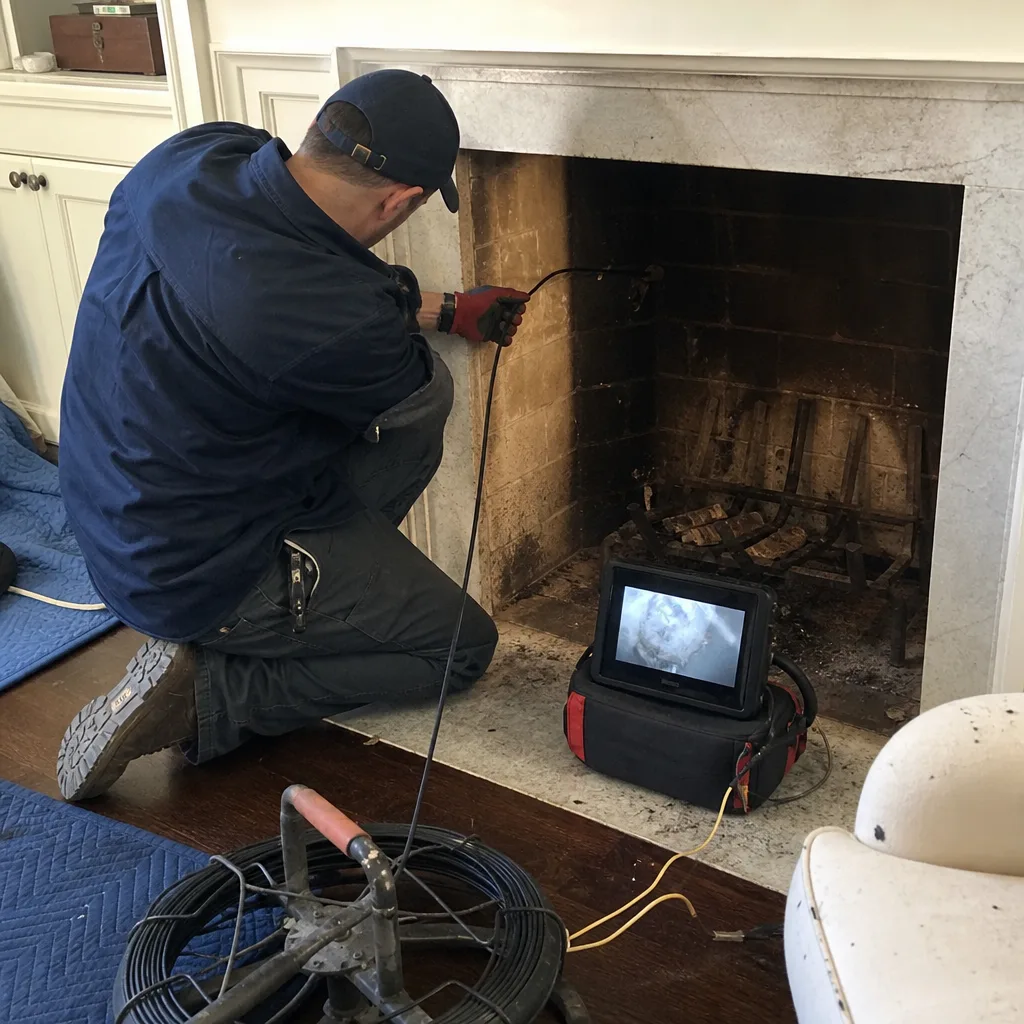
Level 1 sweep and inspection to the NFPA 211 annual standard - flue, crown, cap, and flashing checked and photographed
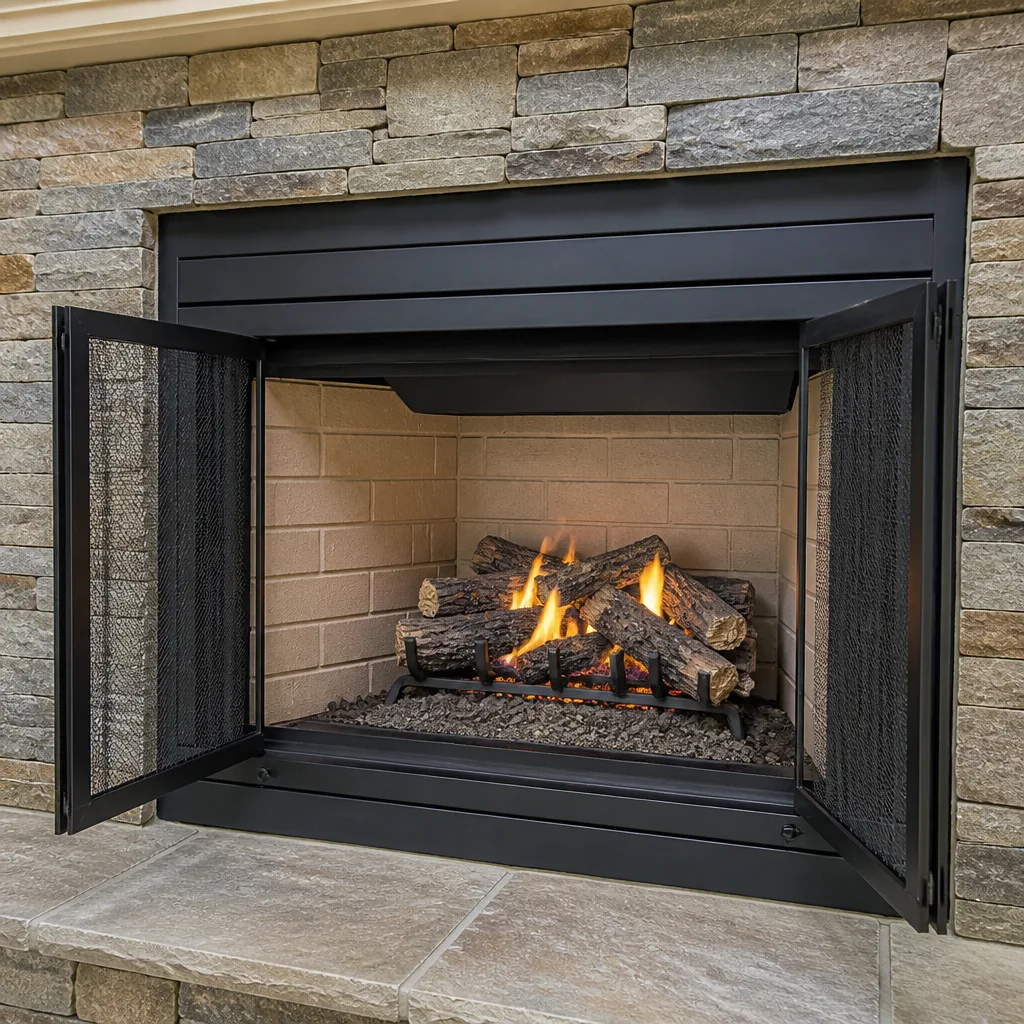
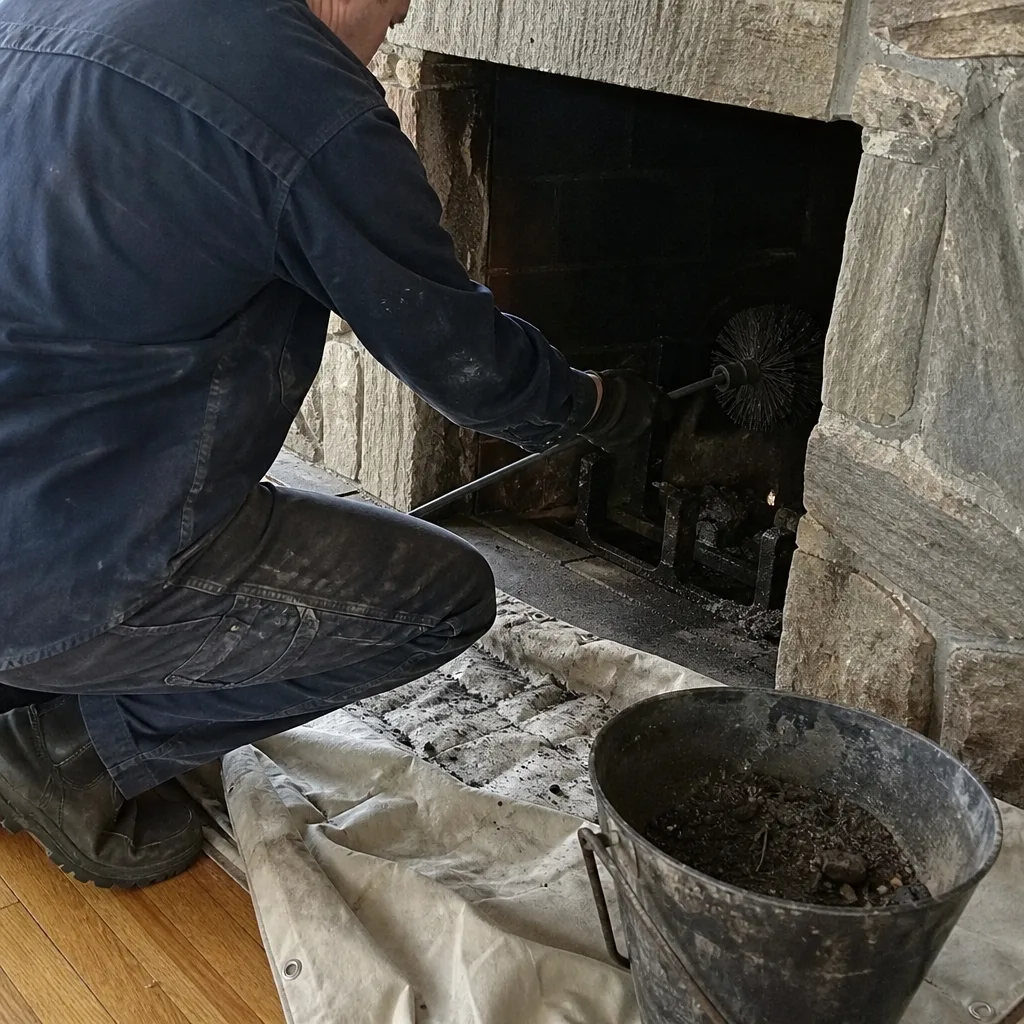
Chimney sweep logs do not sweep chimneys. They loosen some creosote - which then falls where a brush and vacuum still have to collect it.
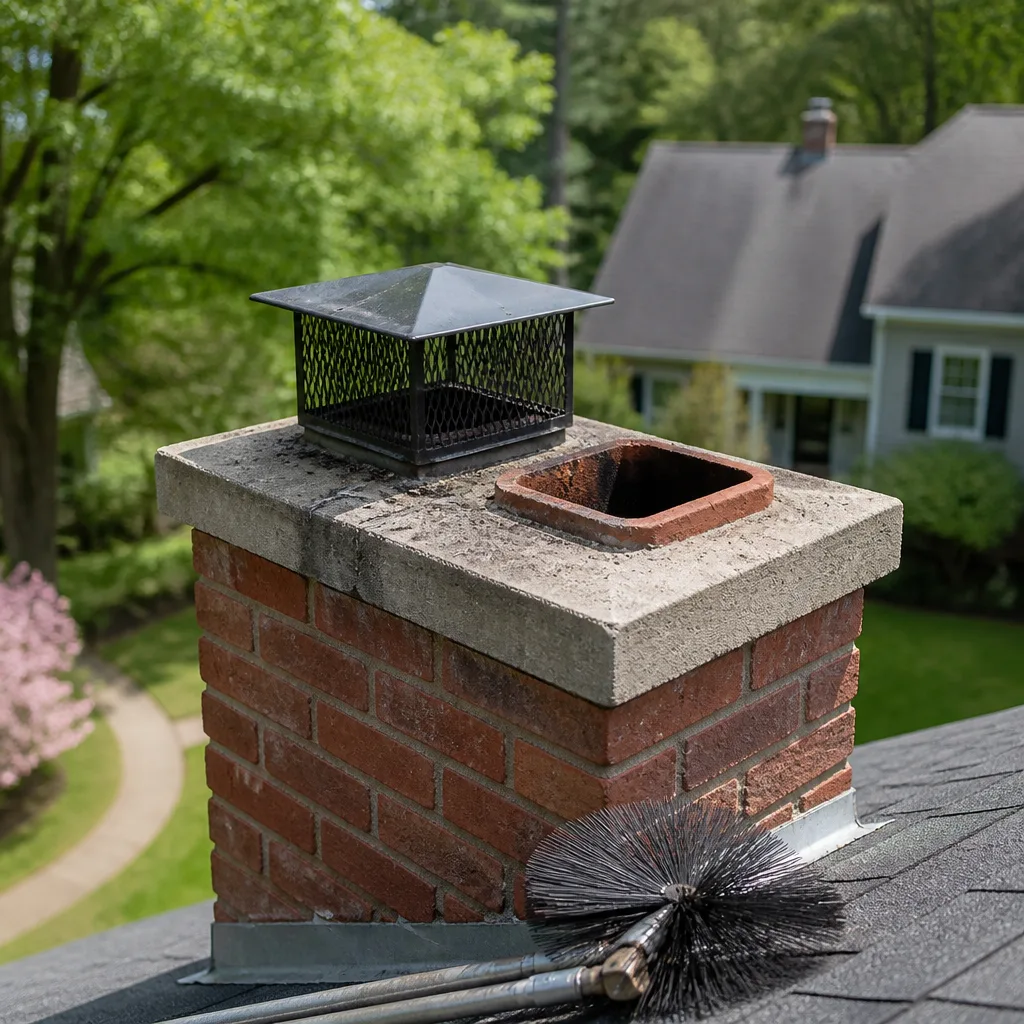
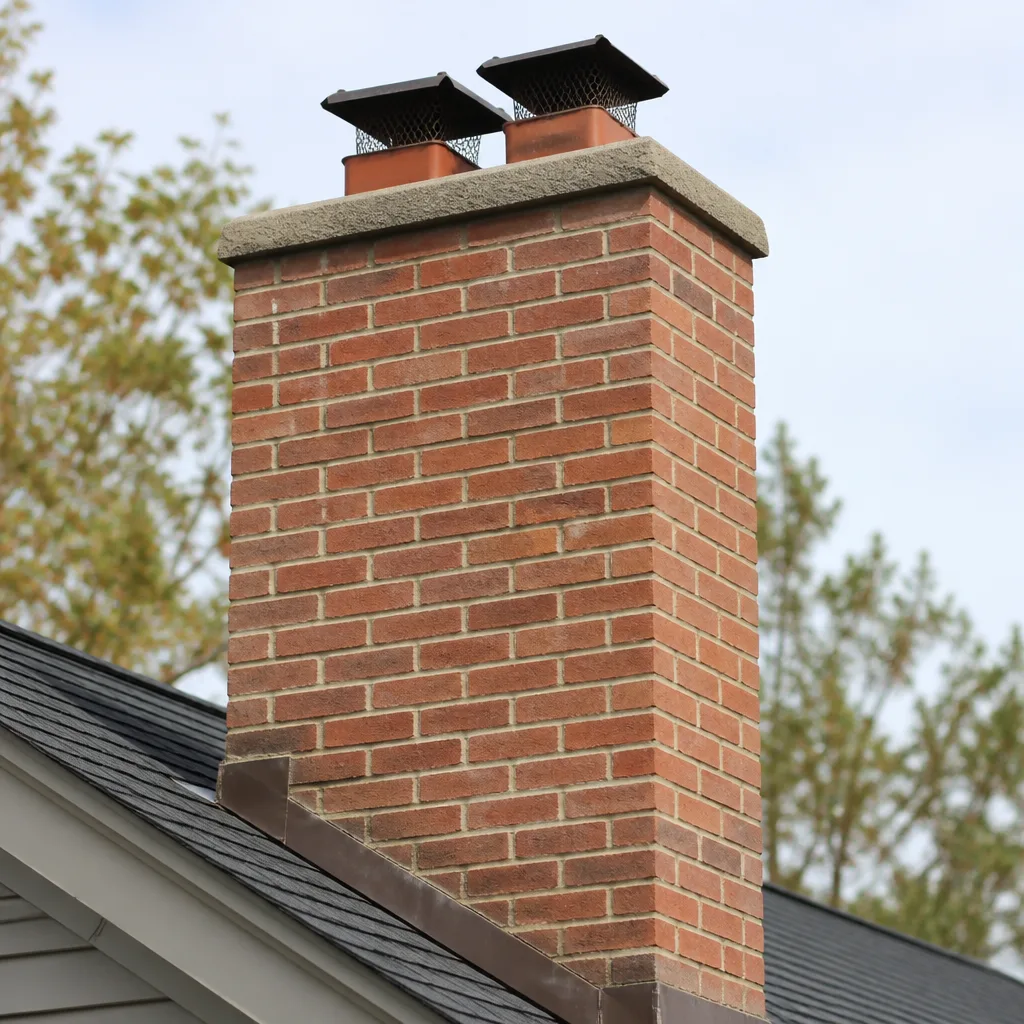
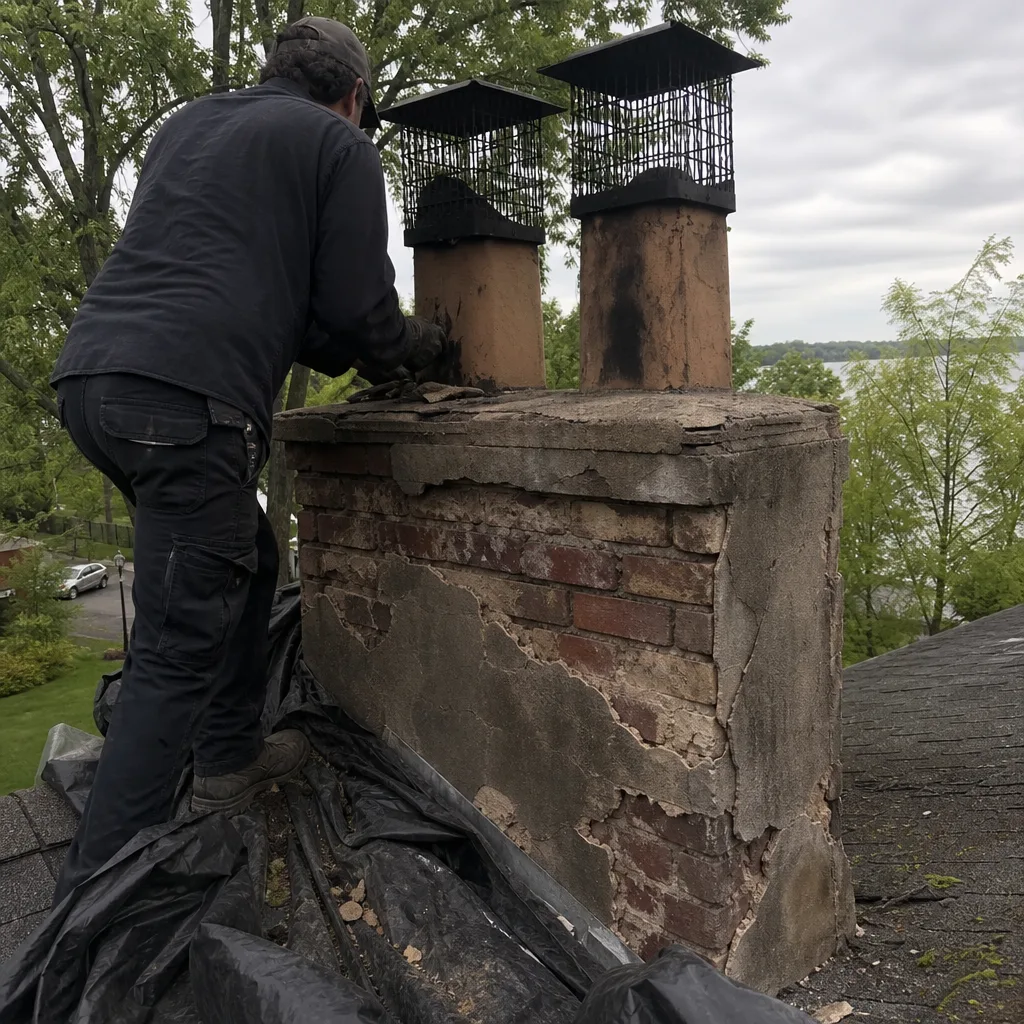 Before
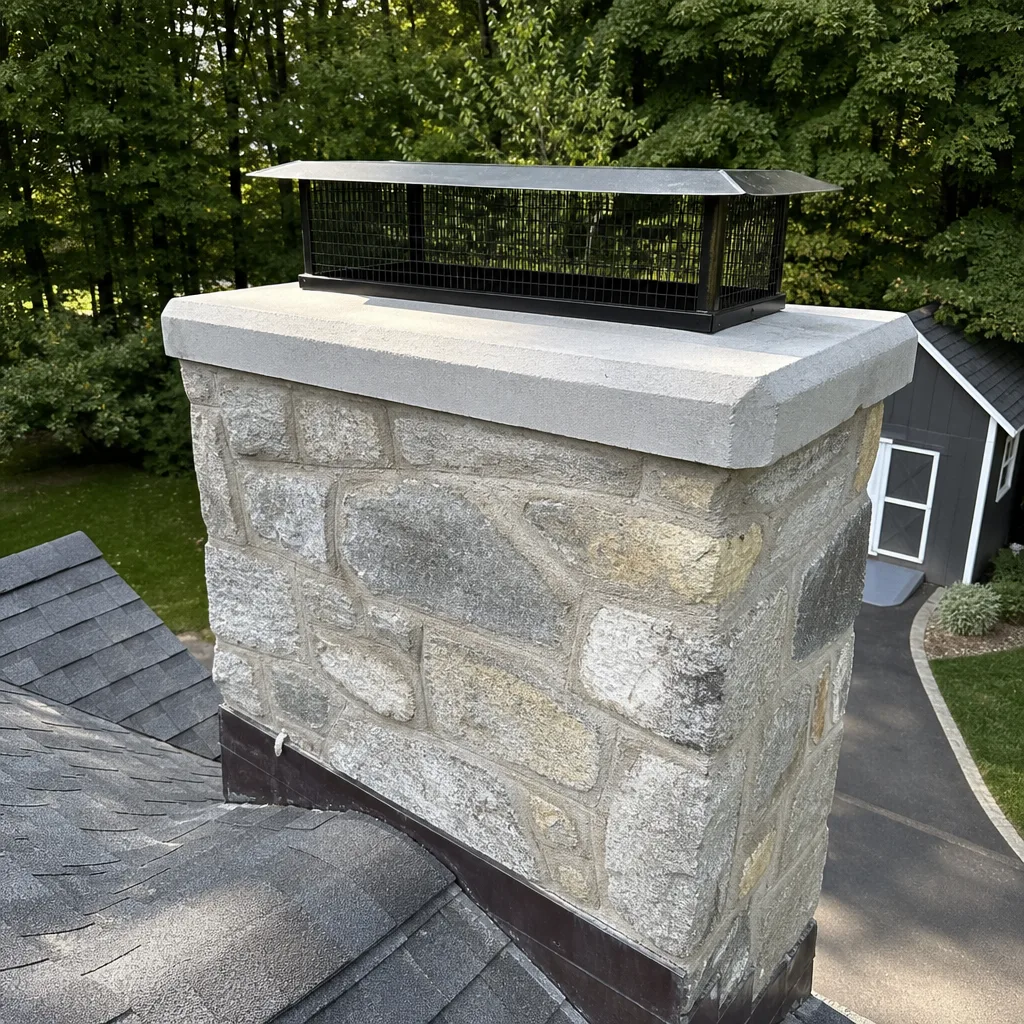 After
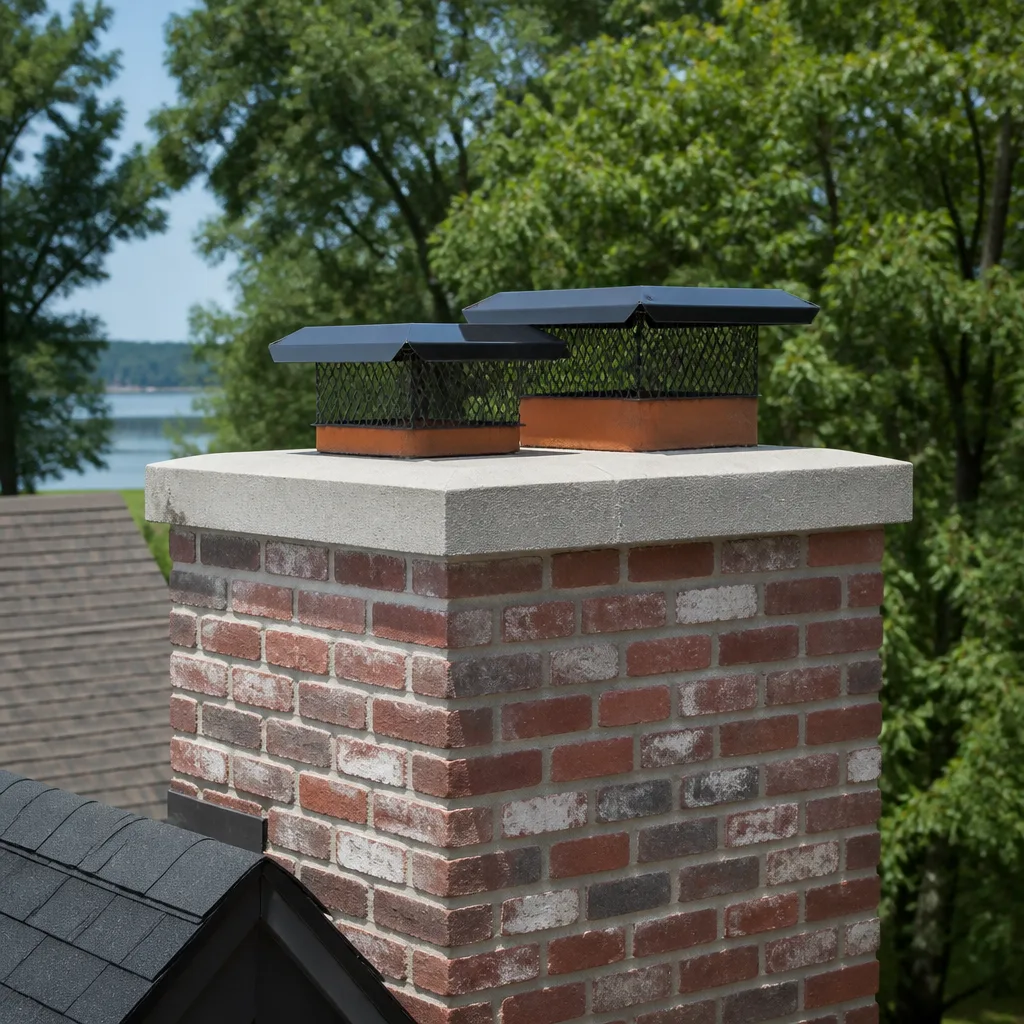
After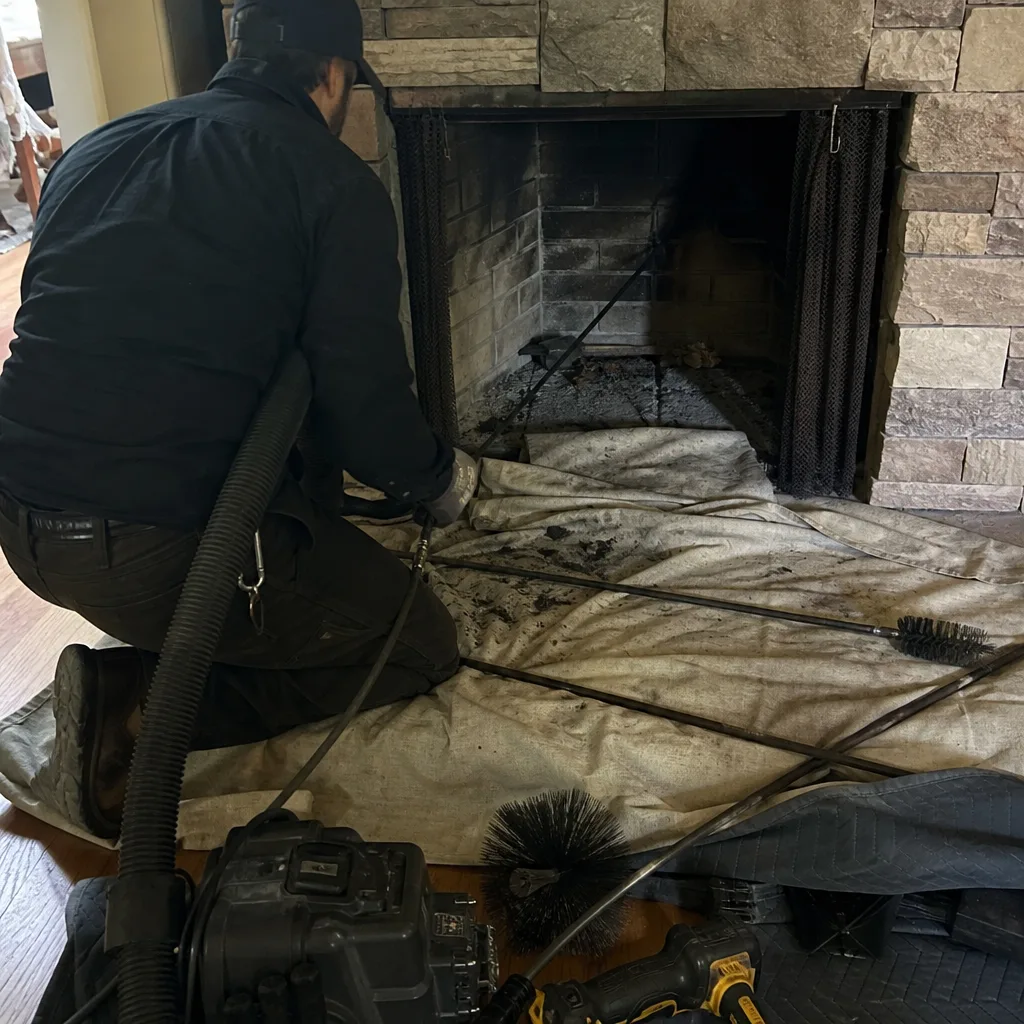 Before
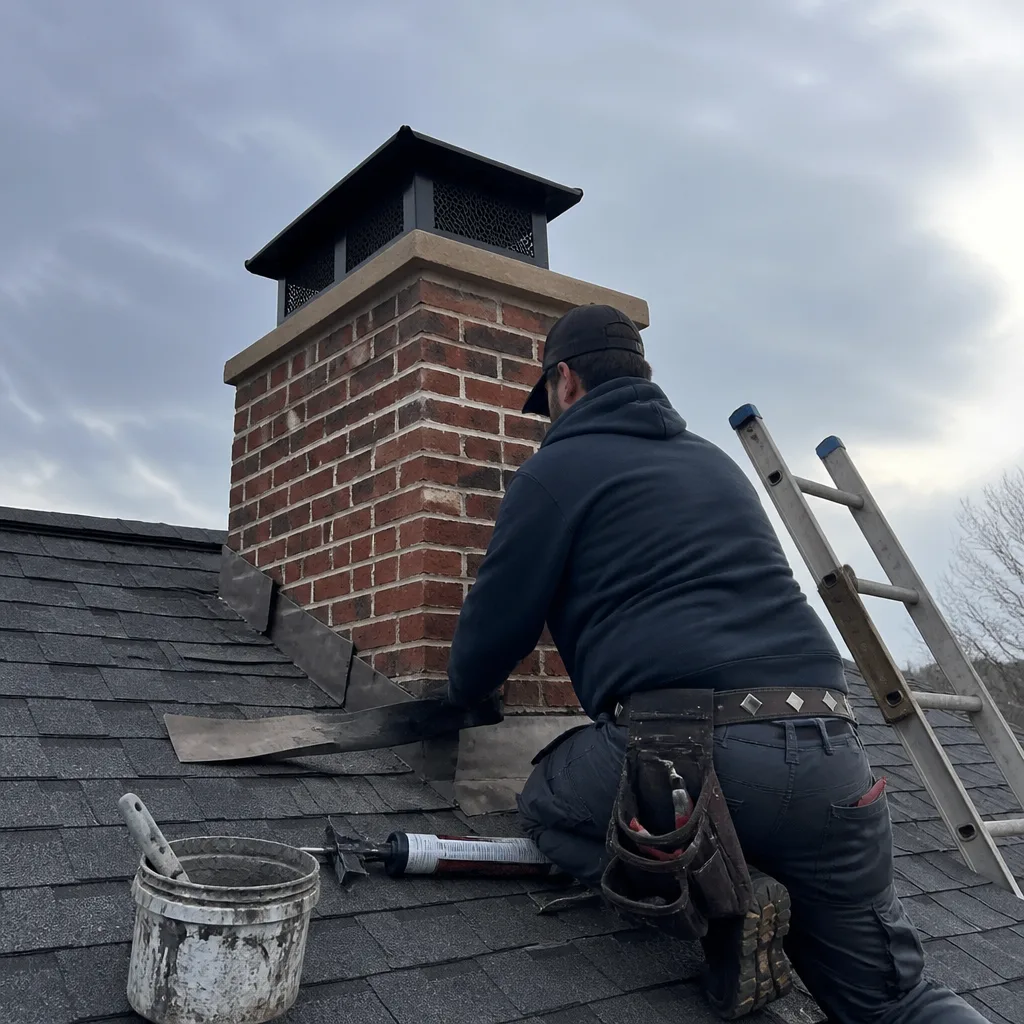 After
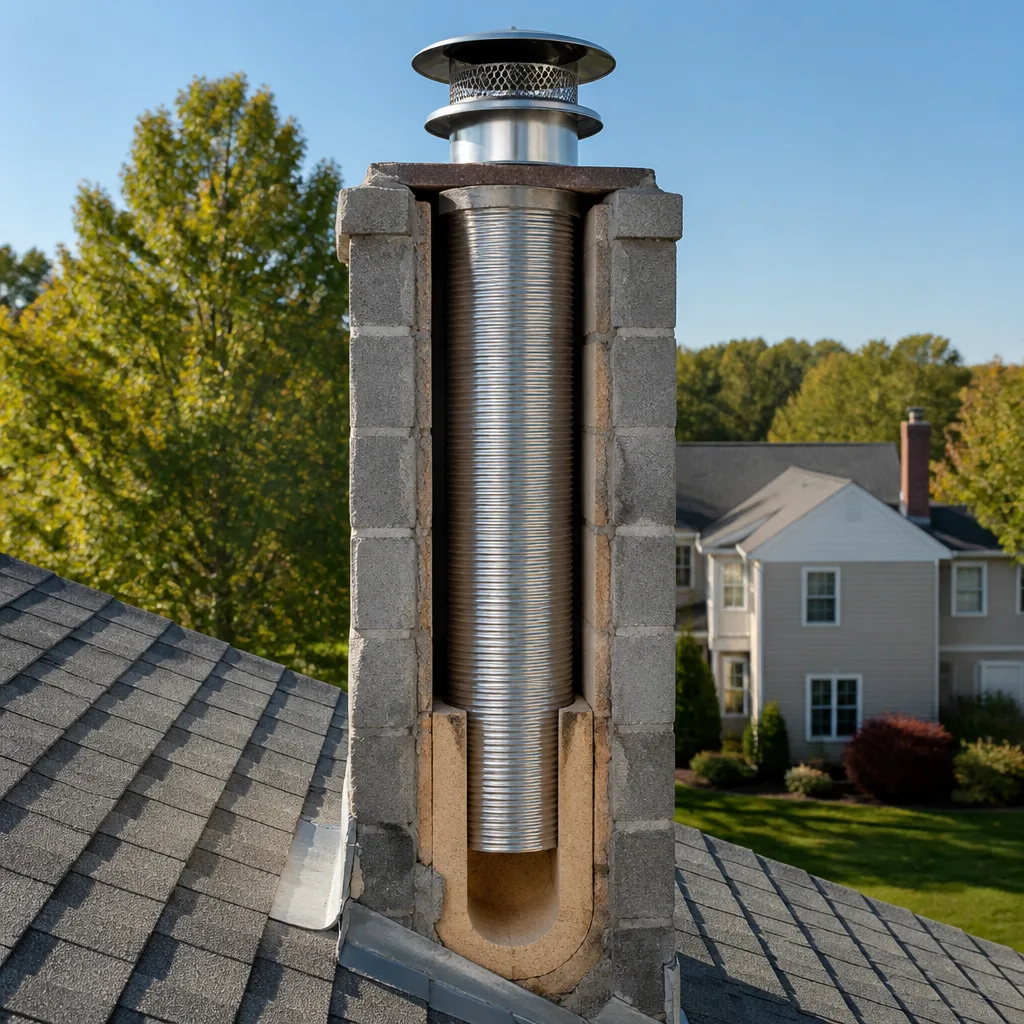
After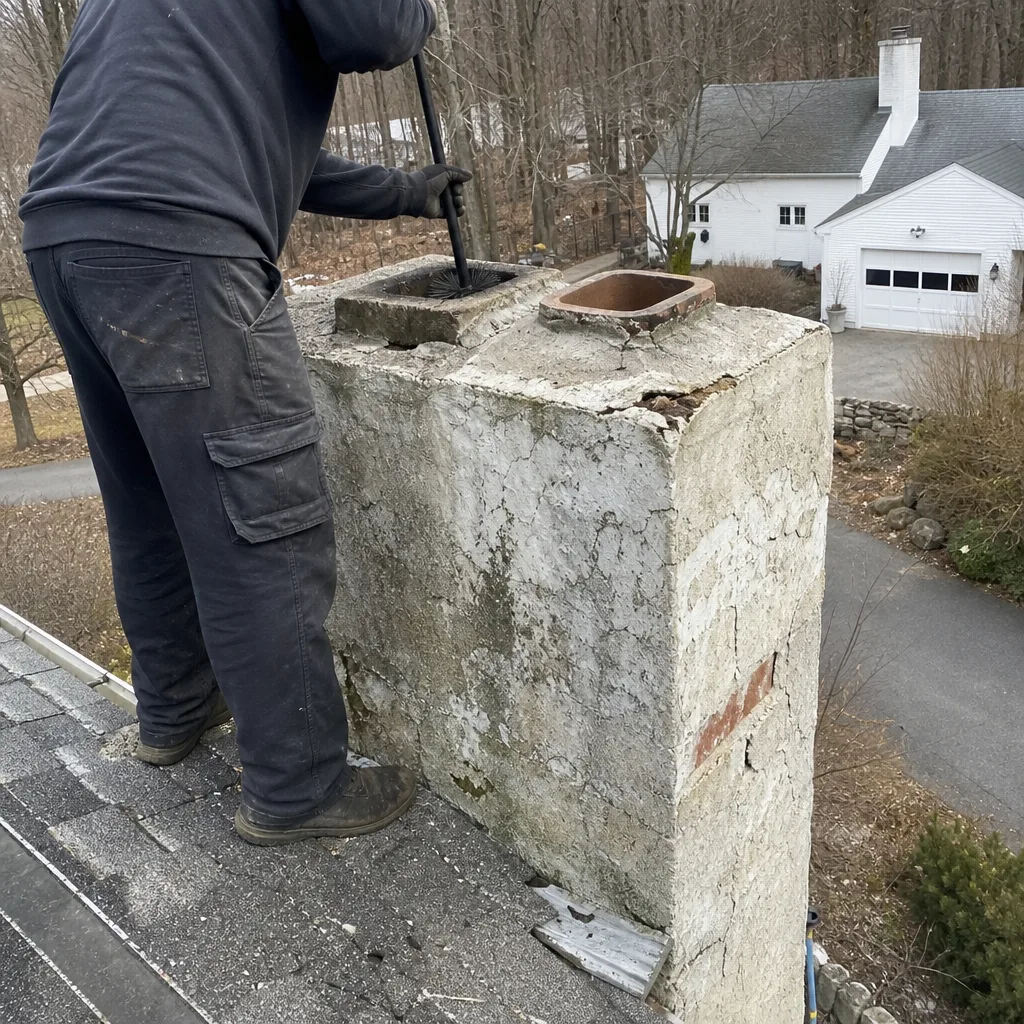 Before
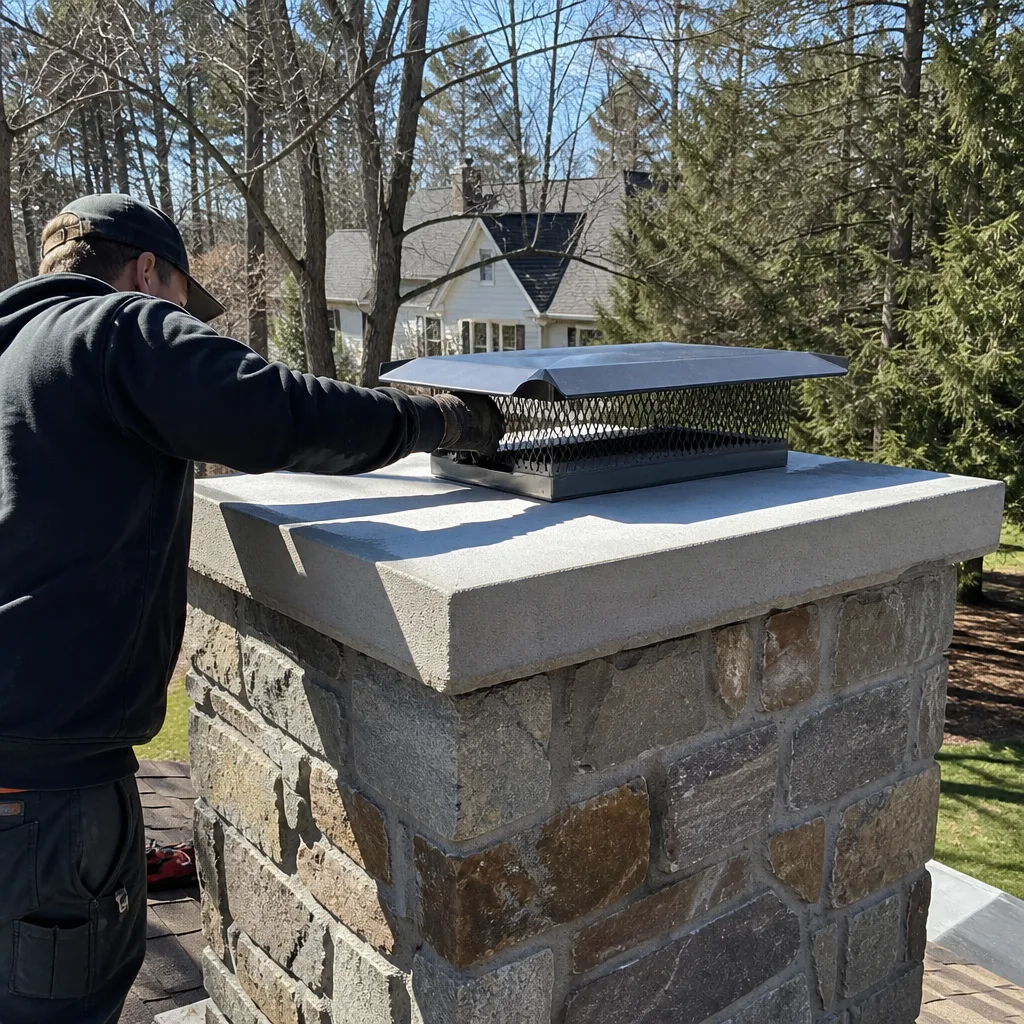 After
AfterFast, Reliable Chimney Repair Across Greenwich
Chimney repair in Greenwich, CT typically runs $450 to $2,800 depending on what’s actually wrong: a simple mortar repointing job sits at the low end, while a partial chimney rebuild with flashing replacement on an estate property climbs higher. Most repair work in Greenwich takes one to two days on site once we’ve completed the camera inspection, and we schedule within a week in most seasons. If you’re seeing spalling brick, water staining near the ceiling, or mortar dust on the hearth, call (516) 399-5497 and we’ll tell you what a repair in your specific neighborhood should cost before anyone sets foot in your home.
We know Greenwich chimneys the way only a company that has crawled through hundreds of them can. The backcountry estates north of the Merritt are a different animal from the coastal colonials in Old Greenwich. The failure modes differ. The repair sequencing differs. And the diagnostic work that has to happen before anyone touches a tuckpointing trowel differs too. If you own a pre-war home between Round Hill Road and North Street with multiple flues in one stack, you need a repair company that understands what a century of settling does to flue-to-flue separation. That’s us.
Why Level Two Chimney Greenwich Is Greenwich’s Preferred Chimney Repair Company
Our Chimney Repair team has worked on more than 38,000 chimneys since 2009, and a disproportionate share of the complicated ones are in Greenwich. The reason is structural: Greenwich’s housing stock includes some of the oldest, largest, and most heavily modified masonry in Fairfield County. Corrine Halstead, who leads our Greenwich operations, regularly reviews inspection footage from multi-flue estate stacks where the diagnostic question isn’t “what’s wrong” but “which of the four flues is compromised and which ones are still safe.” That’s a different skill set than swapping a chimney cap on a 1990s colonial.
Every job gets a written price, a written scope, and a written warranty before work begins. That’s Haven Standard Clause 1, and we’ve operated under it since 2009. Clause 4 requires a documented photo record on every visit, which means you walk away with video and stills from the camera scan, not a verbal summary you have to take on faith. If a competitor has given you a written estimate, bring it to us for a free second opinion. We’d rather earn the work by showing you what we found.
We answer the phone around the clock with a live person, not a voicemail tree. When a technician is dispatched to Greenwich, you get their name, a text when they’re on the way, and the license information is on file and verifiable. Background-checked, uniformed crews, no subcontracted surprises.
Our Chimney Repair Services in Greenwich
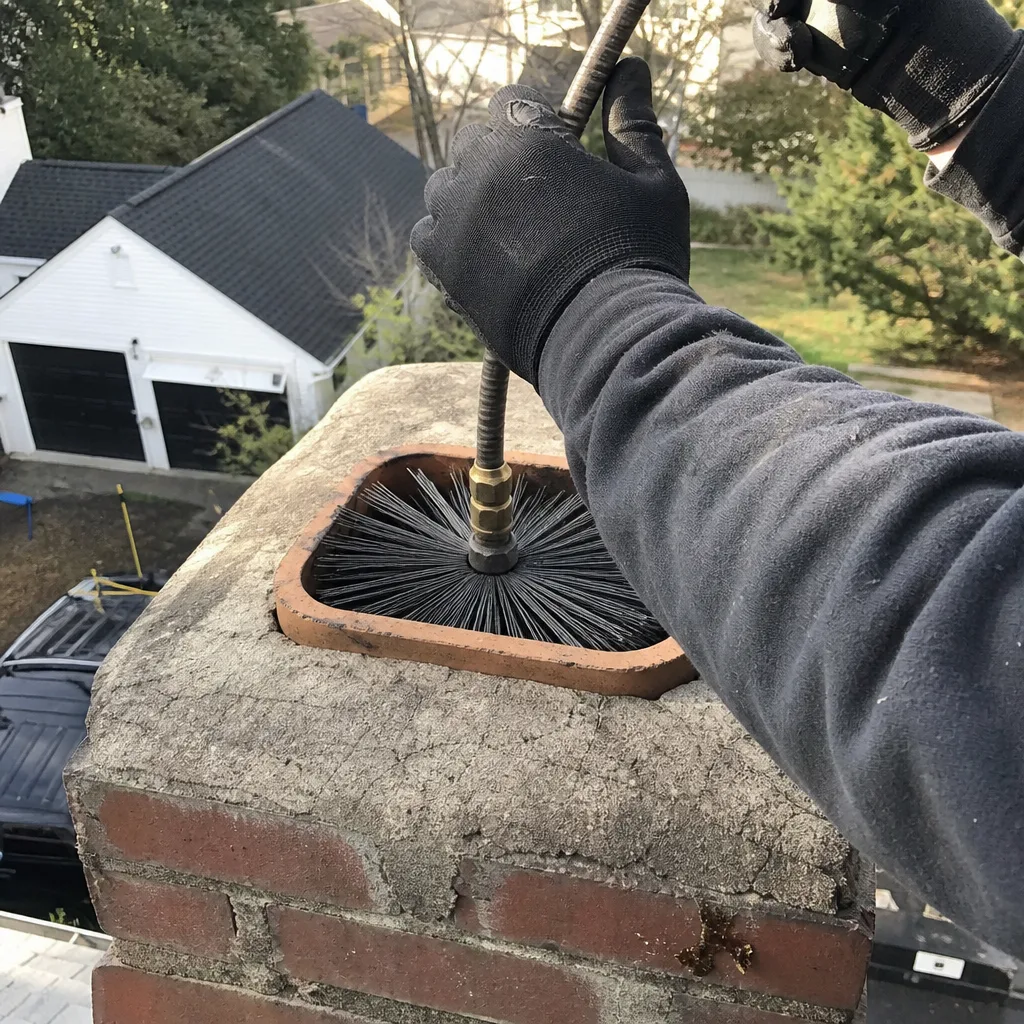
Mortar Repointing
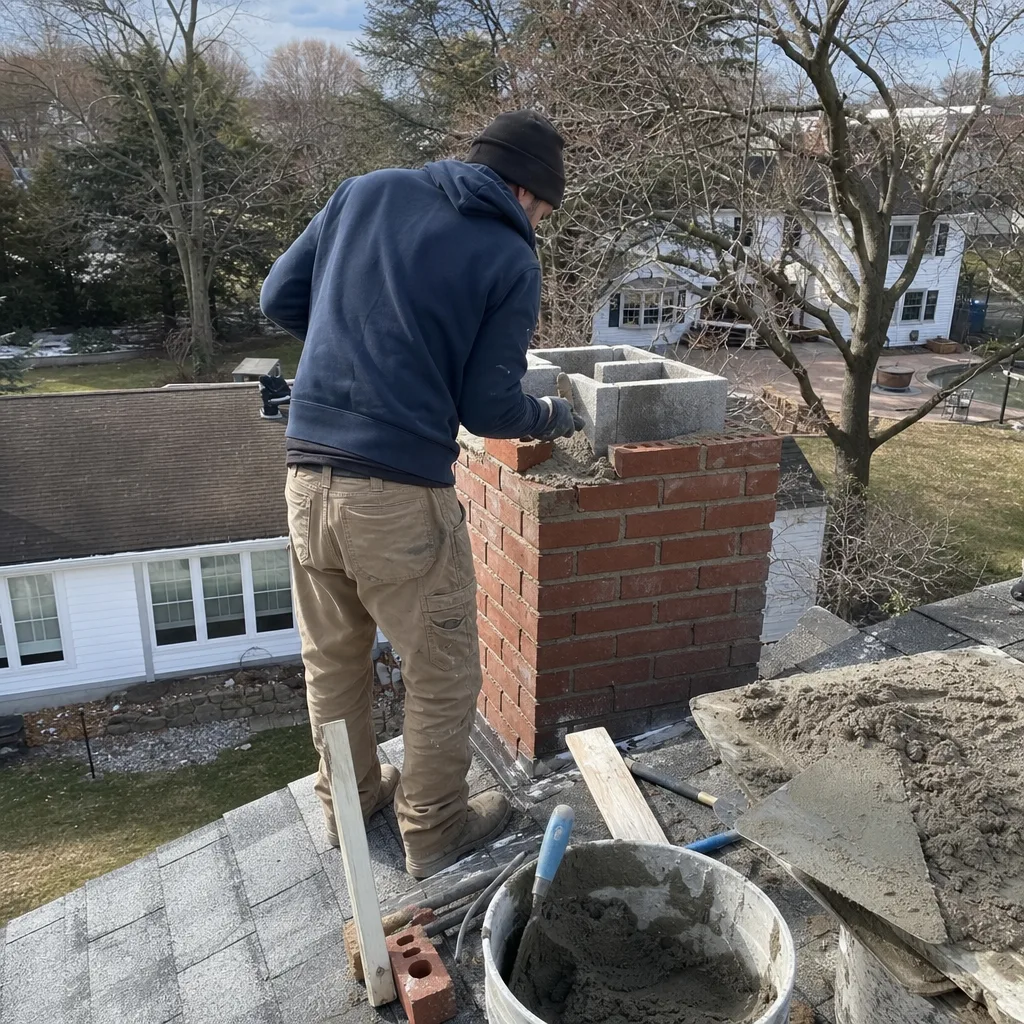
Repointing in Greenwich starts around $450 for a partial chimney and runs up to $1,800 for a full-height repoint on a three-story coastal home. The salt-laden air off Long Island Sound eats into lime-based mortar faster than inland towns see. In Old Greenwich and Riverside, we commonly find joints eroded a quarter-inch deep or more within a decade of the last repoint. We cut out the failed mortar to a depth of at least three-quarters of an inch, match the existing mortar’s color and compressive strength, and repack the joints so water stays out.
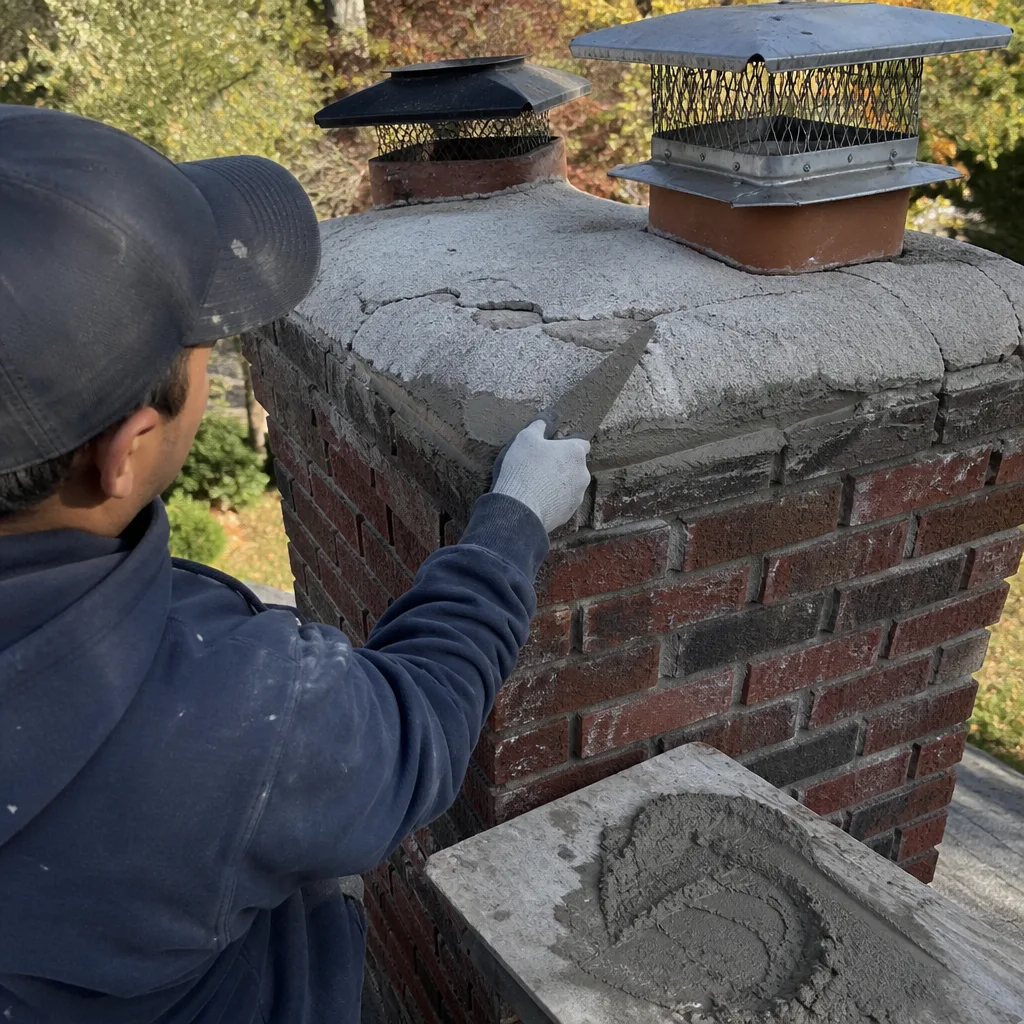
Spalling Brick Repair
Spalling happens when water gets into the brick face and freezes. Greenwich gets just enough freeze-thaw cycling each winter to make this common, especially on north-facing chimney faces that never dry out. A typical spalling brick repair in Greenwich runs $600 to $1,400, depending on how many bricks need replacement and whether we need to match a historic brick size, which on pre-WWII homes is usually larger than modern modular brick. We source matched brick and do repairs that don’t read as patches.
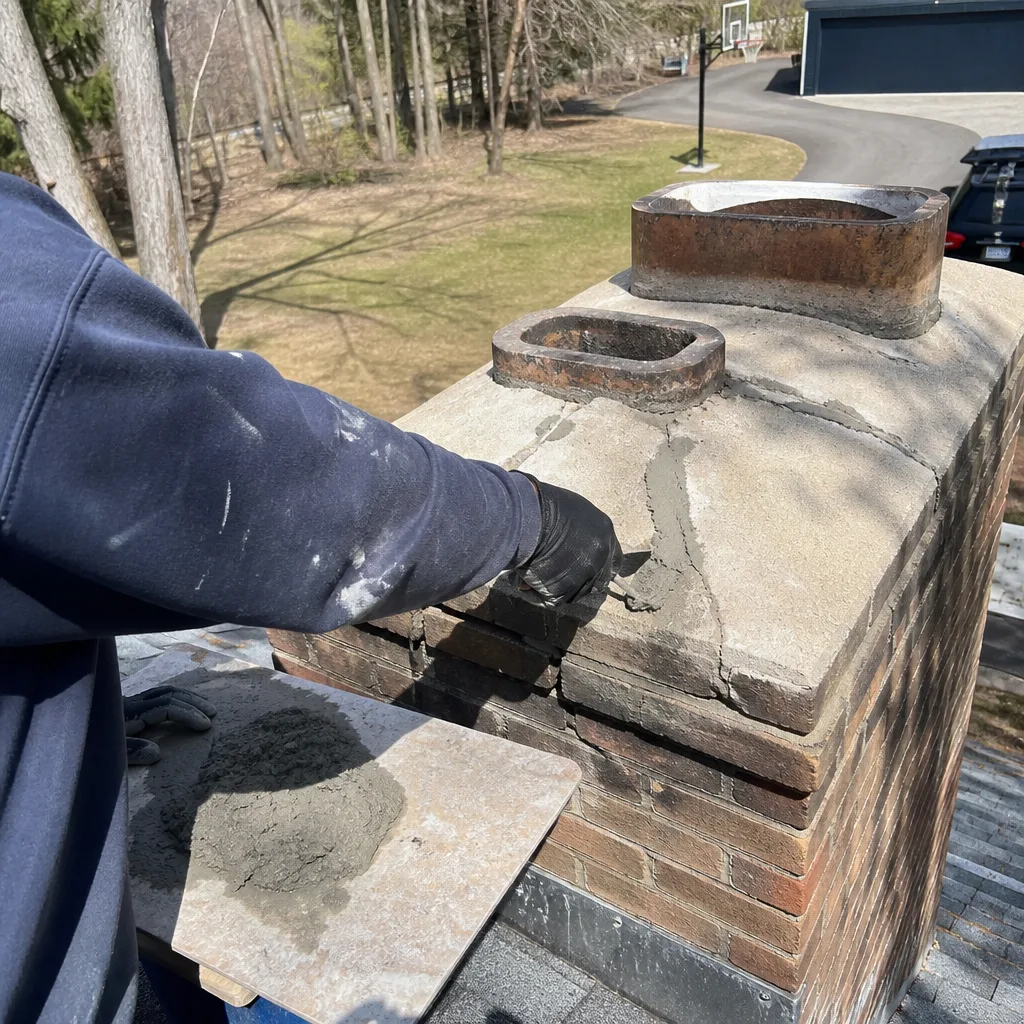
Chimney Waterproofing
Chimney waterproofing for a standard single-flue Greenwich chimney costs $350 to $650. For an estate stack with four or more flues, expect $900 to $1,500. We use vapor-permeable sealants that let moisture out while keeping rain and salt spray from getting in, specifically chosen because Greenwich’s coastal exposure means trapped moisture is as dangerous as penetrating moisture. Waterproofing alone won’t fix cracked crowns or failed flashing, so we’ll tell you plainly if waterproofing is premature until other work is done.
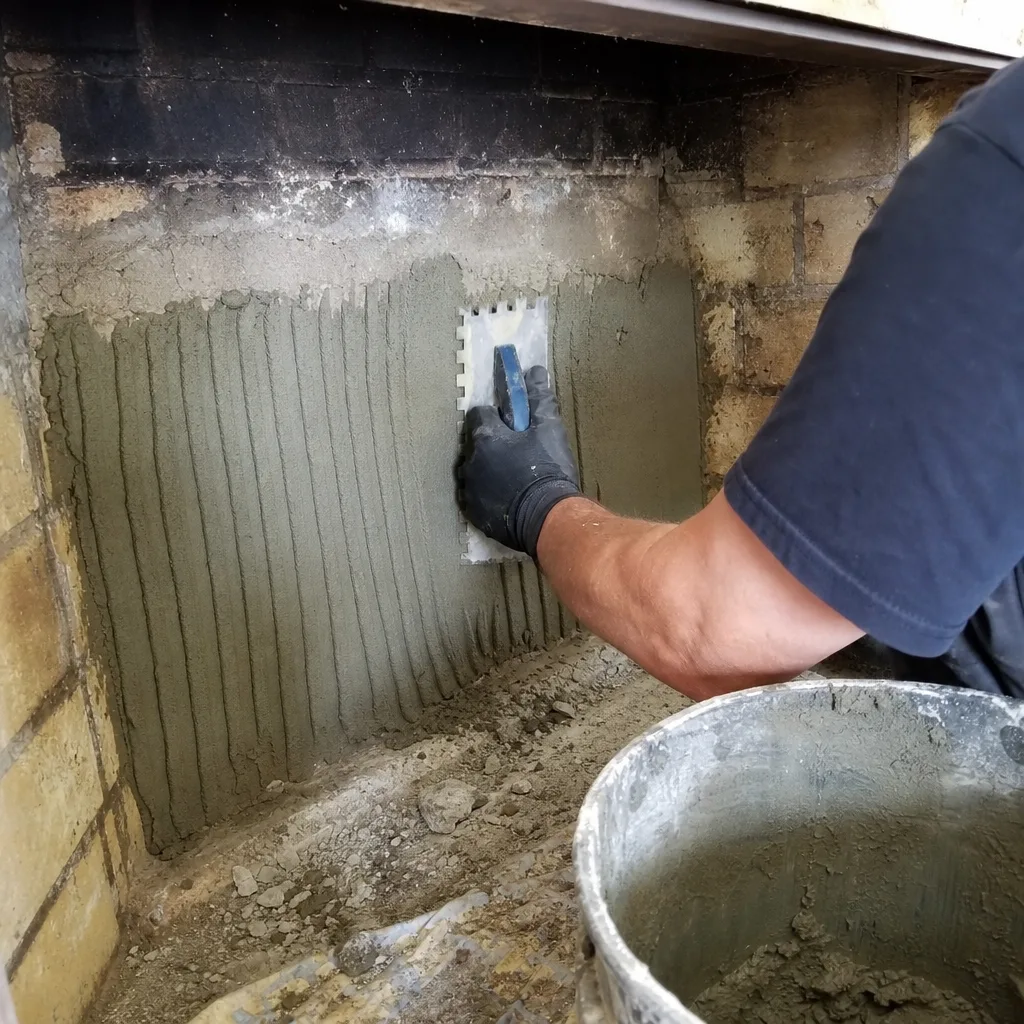
Flashing Repair
Flashing repair in Greenwich runs $500 to $1,600 depending on whether the flashing is step flashing, counter flashing, or a full replacement at the roofline. Riverside and Cos Cob homes with complex roof-to-chimney transitions often need custom-bent copper flashing, which costs more but outlasts aluminum by decades in salt air. A leaking chimney is usually a flashing problem, not a brick problem. We find out by camera before we quote you a dollar figure.
What happens when you call
- 1
A real person answersNo phone trees - you reach a local pro.
- 2
You get an upfront price rangeHonest numbers before anyone is dispatched.
- 3
A background-checked tech heads outLicensed & insured, dispatched right away.
- 4
You approve before work beginsNothing starts until you say go.
BeforeAfterTrusted Brands We Service in Greenwich
Greenwich chimneys don’t get generic parts. We stock and install DuraFlex stainless steel liners, Copperfield flashing and caps, and Famco components, procured through Haven’s buying network so the pricing stays honest. If you’re replacing a clay tile liner on a 1920s estate stack, a rigid stainless liner from DuraFlex is the standard we recommend. If you need a custom copper chimney cap fabricated for an oversized flue opening in a backcountry manor, we order it and have it built to spec, not bought off a shelf and made to “kind of” fit. Greenwich homes deserve better than that, and we won’t install anything less.
Common Chimney Repair Problems We See in Greenwich Homes
- Cross-contamination in multi-flue stacks: On Round Hill Road and North Street estates, we see oversized stacks with four, five, even six flues sharing one masonry structure. A century of settling cracks the terra cotta liners, and one flue sometimes has no flue liner at all. If a gas log insert vents into a compromised flue adjacent to a wood-burning flue, exhaust migrates sideways. Before we touch any single flue in a shared stack, we scope every one of them. That’s not upselling. That’s the only way to know which flues are safe.
- Salt-driven spalling near the Sound: Old Greenwich and Riverside chimneys face year-round salt-laden air. Brick faces absorb chlorides, freeze-thaw cycles do the rest, and spalling starts within 15 to 20 years on exposed faces. We see it on homes that have never had a chimney fire, never had a leak - the salt does it alone. Repointing and selective brick replacement are the fix; waterproofing slows the recurrence.
- Mixed-fuel configurations from piecemeal renovations: Greenwich homeowners love gas log inserts in original wood-burning fireboxes. What we find is that the flue was never resized for gas, or remains unlined, or was abandoned improperly when a previous owner switched fuels. Intermittent low-temperature gas fires produce Stage 1 creosote surprisingly fast, and in a flue that never gets hot, that creosote accumulates instead of burning off. These chimneys need a Level 2 camera scan before any cleaning or repair, and often a liner install before they’re safe to use again.
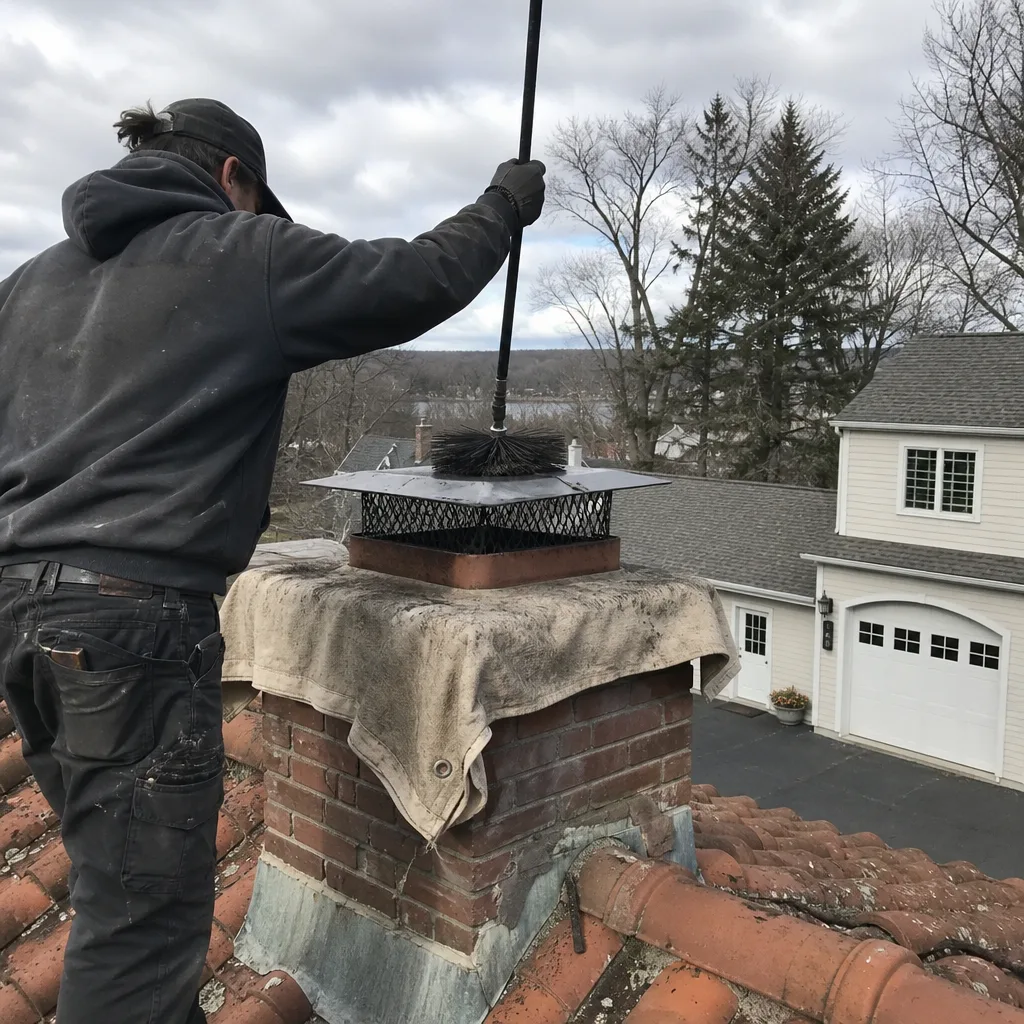
- Crown failure on pre-war construction: Pre-WWII Greenwich chimneys often have crowns that were originally built from the same mortar as the brick body, not a proper poured concrete crown with a drip edge. Mortar crowns crack within decades. Water gets in, runs down the inside of the chimney, and destroys flue liners. A cracked crown on a 1920s estate stack is rarely visible from the ground, which is why we find it on camera after a homeowner has already spent money on a cleaning that didn’t solve the real problem.
Pricing for Chimney Repair in Greenwich, CT
Here’s what Greenwich homeowners should expect to pay for common repairs:
- Mortar repointing: $450 to $1,800
- Spalling brick repair: $600 to $1,400
- Chimney waterproofing: $350 to $1,500 (single flue vs. estate stack)
- Flashing repair: $500 to $1,600
- Chimney rebuilding (partial or full): $1,500 to $8,000+, depending on height, access, and brick matching
- Tuckpointing (full chimney): $900 to $2,400
What pushes cost in Greenwich: roof access on steep pitches, scaffolding on three-story homes, historic brick matching, and multi-flue diagnostic work. We quote a written price before any work begins, and that price doesn’t change unless we find something structural we couldn’t see on the initial camera pass. If we do find something else, we show you the footage and you decide. Call (516) 399-5497 and we’ll put a written estimate in your hands, free.
We Also Serve Cities Near Greenwich
Our Greenwich crews work throughout southern Fairfield County. If your home is in Cos Cob, Riverside, or Old Greenwich, you’re within our core service zone and we can typically schedule within a week. Stamford homeowners, particularly those in the older neighborhoods near the Greenwich border, are also within reach. Same written pricing, same camera-scan standard, same 365-Day Done Right Promise on every job.
Serving Greenwich, CT - Our Local Coverage Area
We’re based in the Greenwich area and know this community well. Use the map below to see our service coverage - if you’re nearby, we can almost certainly help.
FAQs - Chimney Repair in Greenwich
Because the oversized chimney stacks built in the 1920s and 1930s often house four or more flues sharing one masonry structure, and after a century of settling, the flue-to-flue separation frequently fails. When clay tile liners crack, adjacent flues can cross-contaminate, meaning exhaust from a gas log insert can migrate into a wood-burning flue. You can’t safely repair one flue until you know what’s happening in all of them. A Level 2 camera inspection is the only way to verify that, and it’s Clause 4 of the Haven Standard, not an add-on. Call (516) 399-5497 to schedule an inspection before any repair work.
Homes within a few blocks of the Sound get year-round salt-laden air that accelerates chloride penetration into mortar joints and brick faces. Combined with Greenwich’s freeze-thaw cycles in winter, this causes spalling and joint erosion measurably faster than inland Fairfield County. A chimney that would last 30 years between repointing jobs inland might need attention at year 15 in Riverside. Repointing with the right mortar and applying a vapor-permeable waterproofing is the standard defense.
Sometimes yes, but not without a camera scan first. Original fireboxes in pre-war Greenwich homes were built for wood, and their flues may be unlined, cracked, or improperly sized for gas exhaust. A gas log insert changes the flue temperature profile, which affects draft and creosote behavior. We’ve assessed estate homes where a gas insert was venting into an adjacent flue that served a drawing room upstairs. That’s exactly what our camera-scan inspection is designed to catch before anything gets installed. We’ll show you the footage and recommend either a liner or a correction before you commit.
Most pre-war Greenwich chimneys were built with crowns made from the same mortar as the brick body rather than a poured concrete cap with a drip edge. Mortar crowns crack within a couple of decades, water enters, and the flue liners below degrade. On multi-flue estate stacks, a cracked crown is especially damaging because it lets water into the entire structural mass, affecting every flue. The repair is a properly poured crown with an overhang and drip edge, and it’s one of the highest-return repairs you can make on an older Greenwich chimney.
Annually for any flue in active use, and at least every two years for flues that are dormant. A Greenwich estate with five or six fireplaces means five or six individual flues, and each one gets its own camera pass under our Standard. Dormant flues still see water entry, animal nesting, and liner degradation, and they sit directly adjacent to flues you are using. A compromised dormant flue can cross-contaminate an active one. The cost of an annual multi-flue inspection is far less than a partial chimney rebuild, and it gives you a documented record season over season. Call (516) 399-5497 for a written quote on whole-house flue inspection.
Written by Corrine Halstead, Owner at Level Two Chimney Greenwich, serving Greenwich since 2009.