
Last updated September 20, 2026
Level 1 sweep and inspection to the NFPA 211 annual standard - flue, crown, cap, and flashing checked and photographed
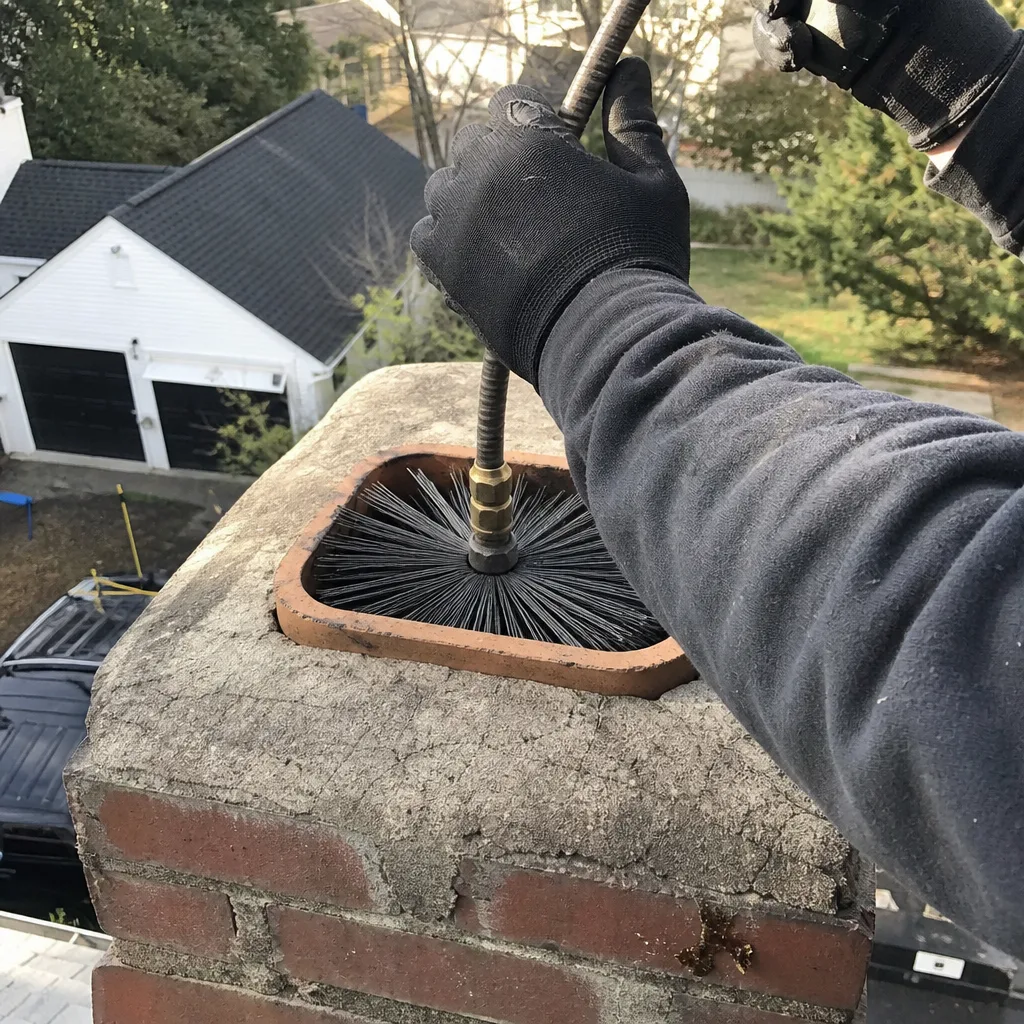
Chimney sweep logs do not sweep chimneys. They loosen some creosote - which then falls where a brush and vacuum still have to collect it.
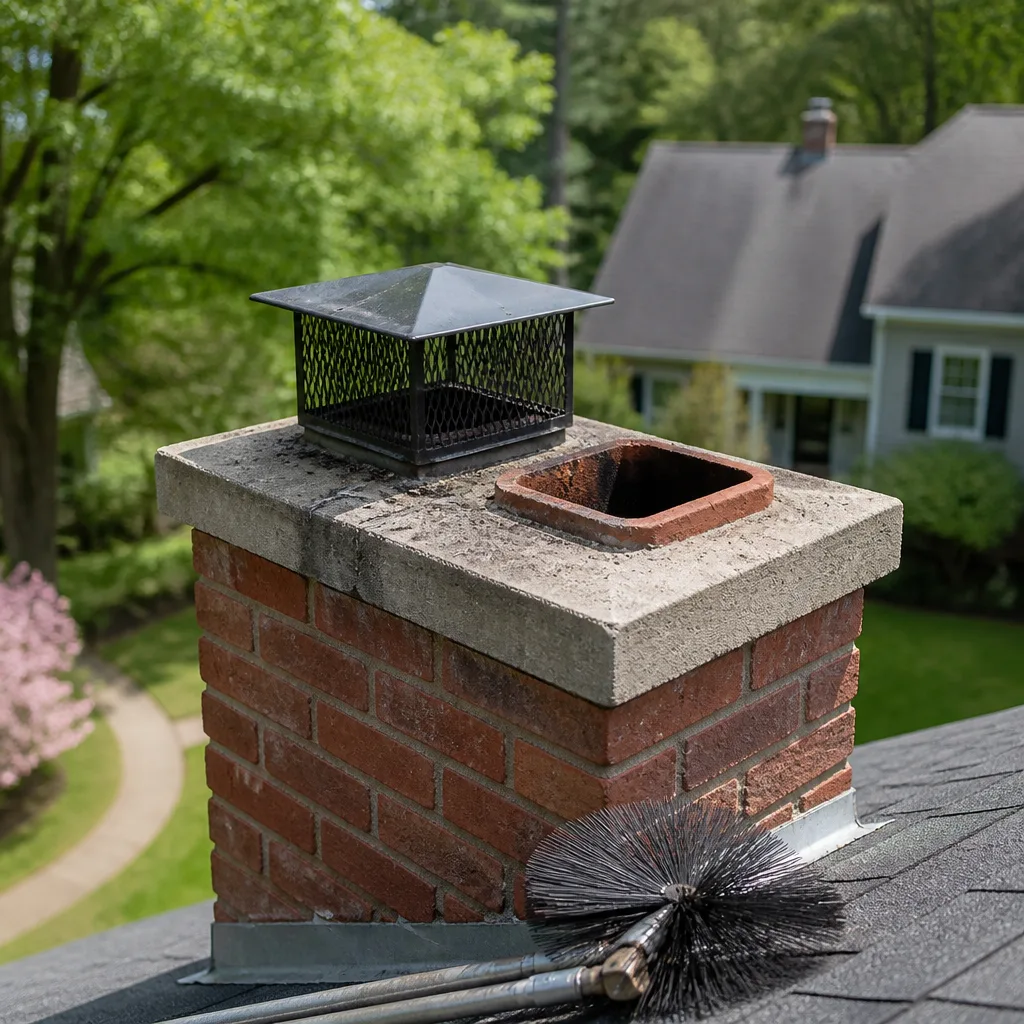
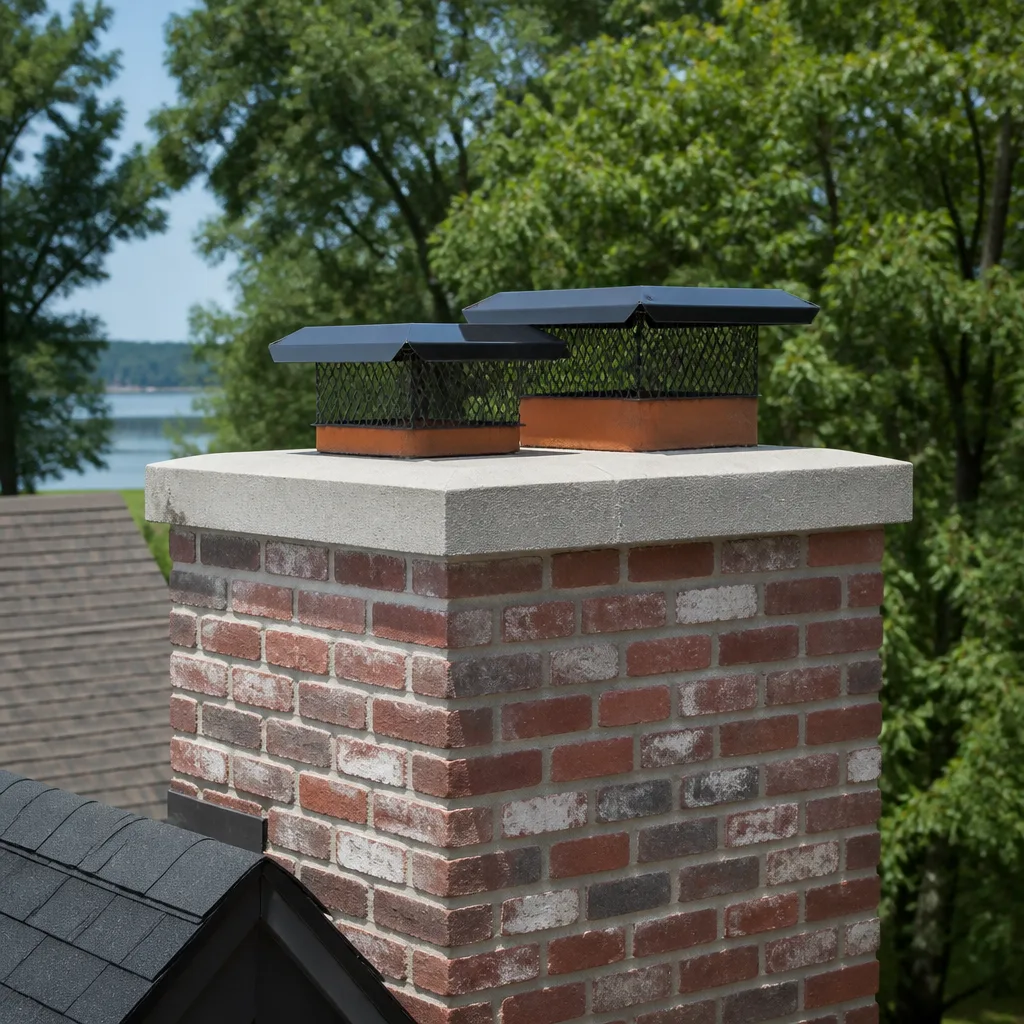
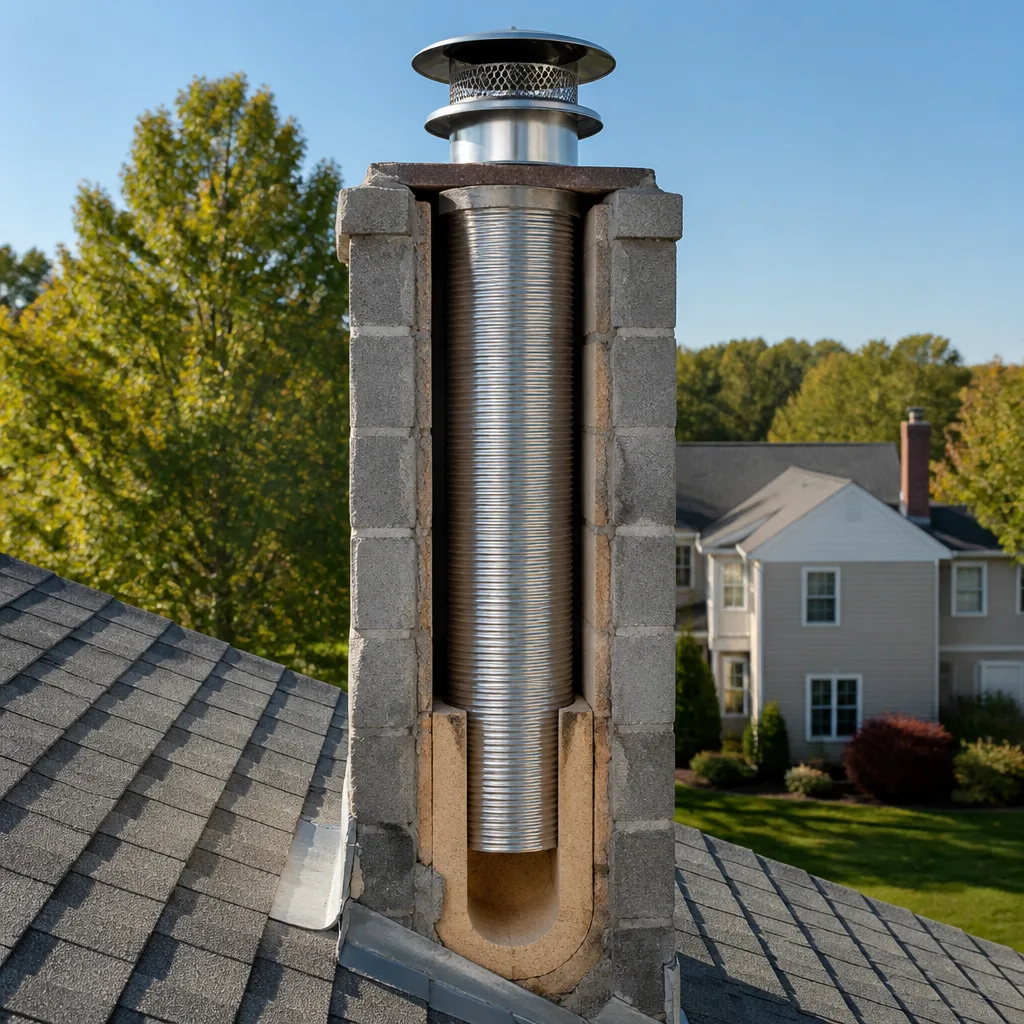
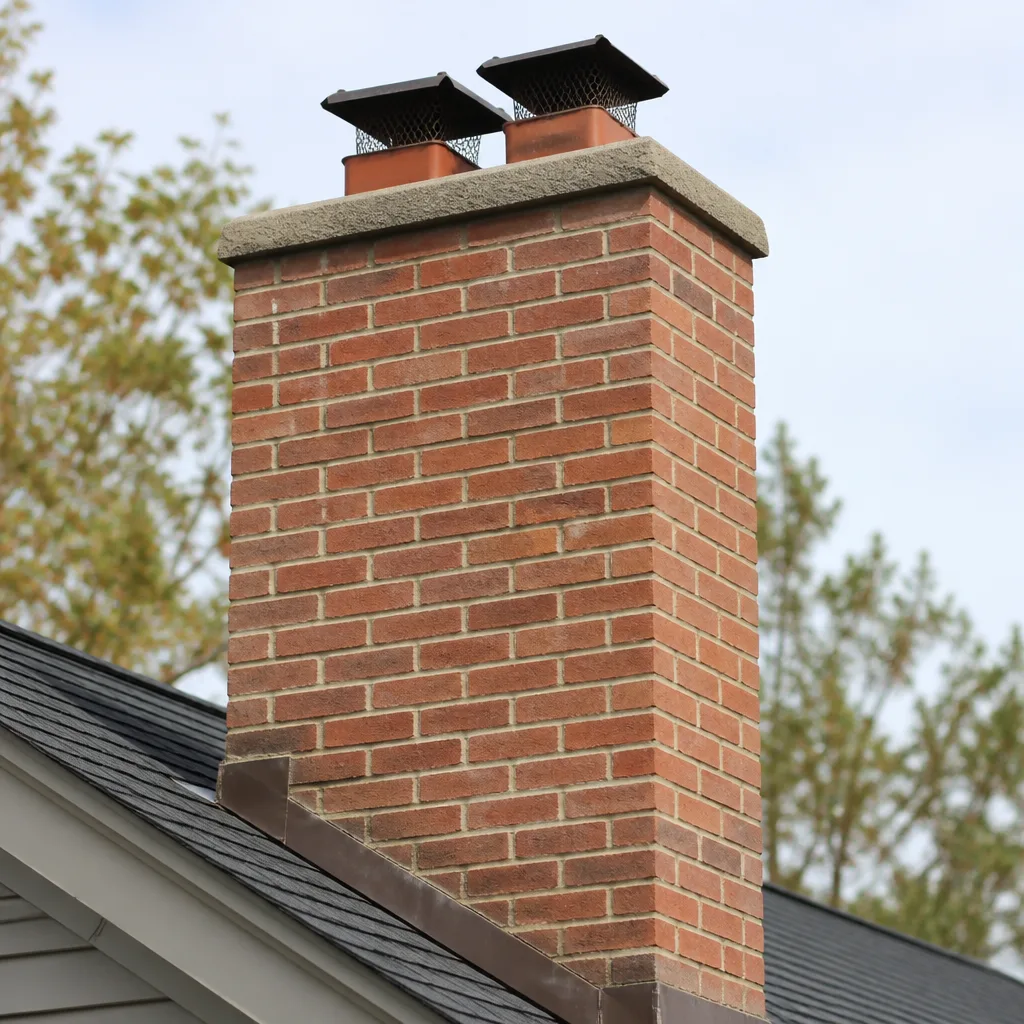
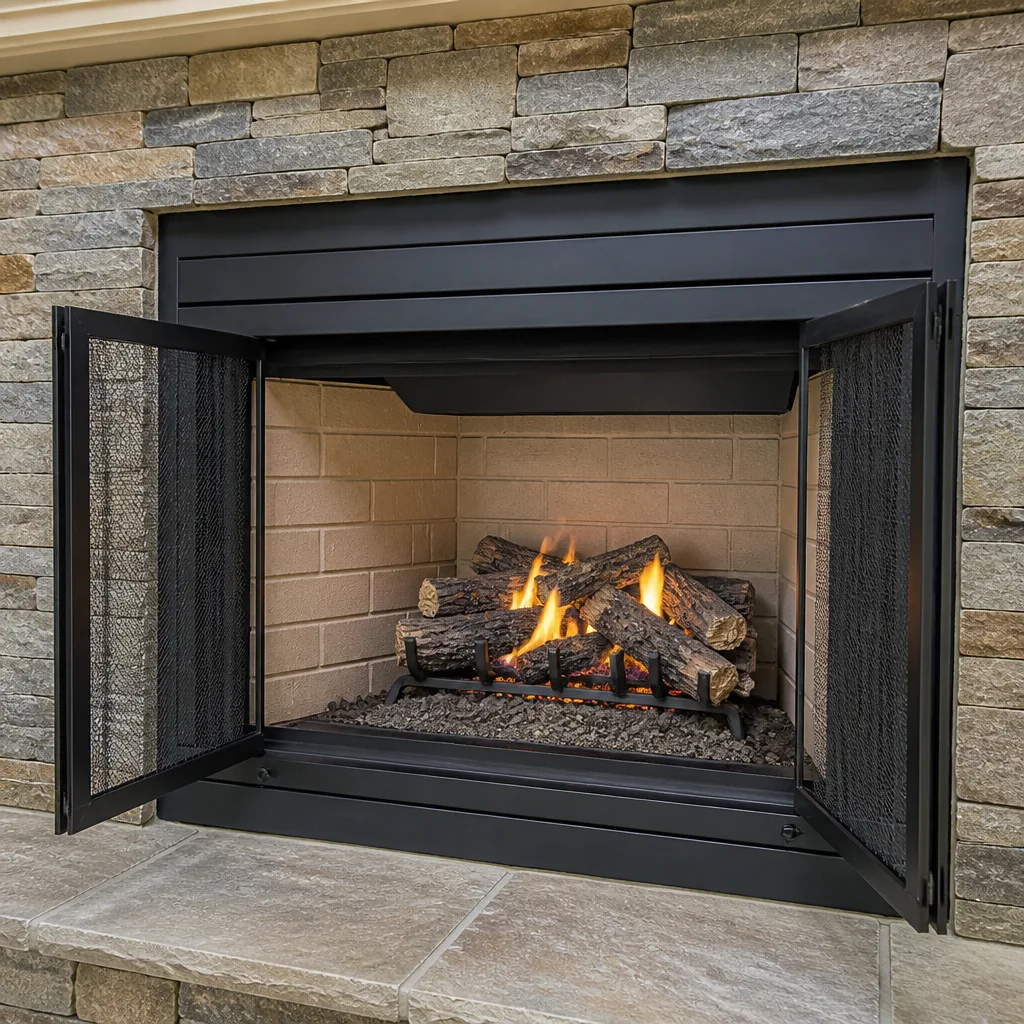
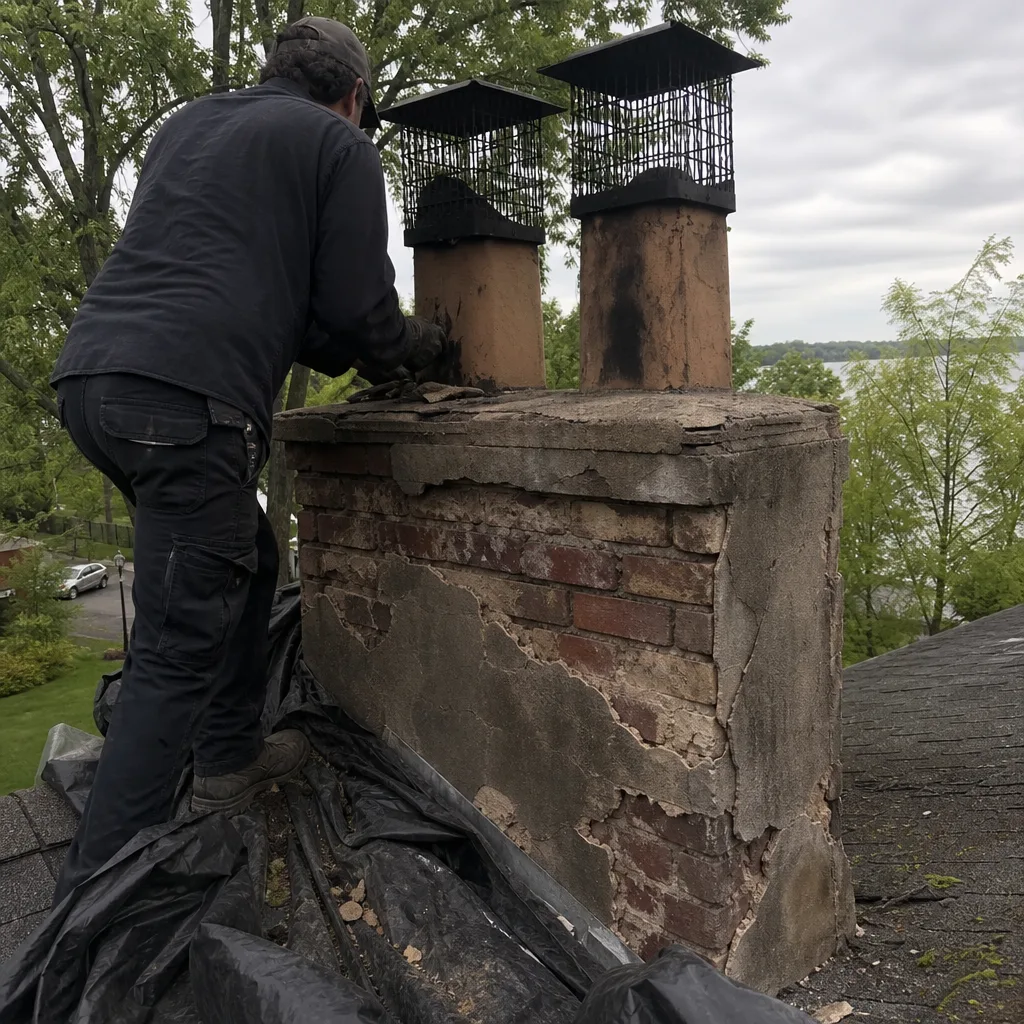 Before
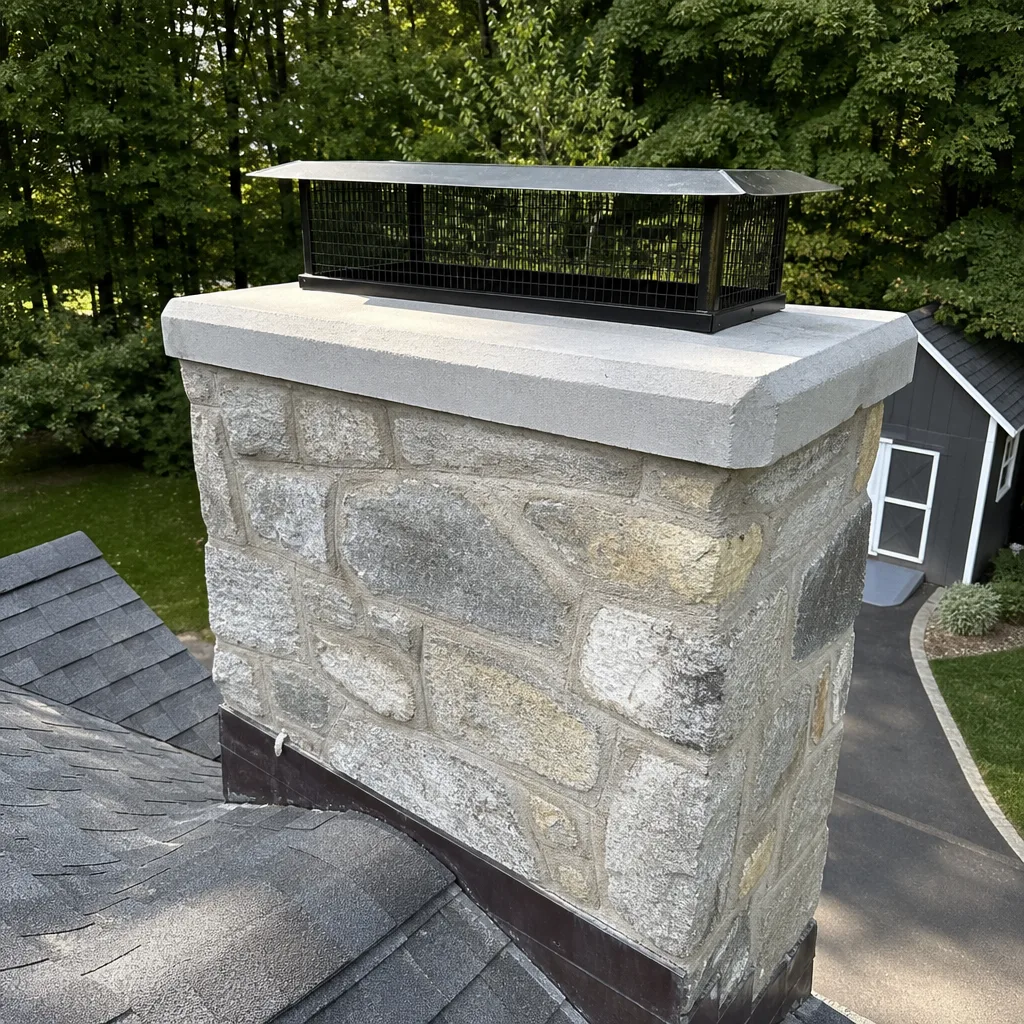 After
After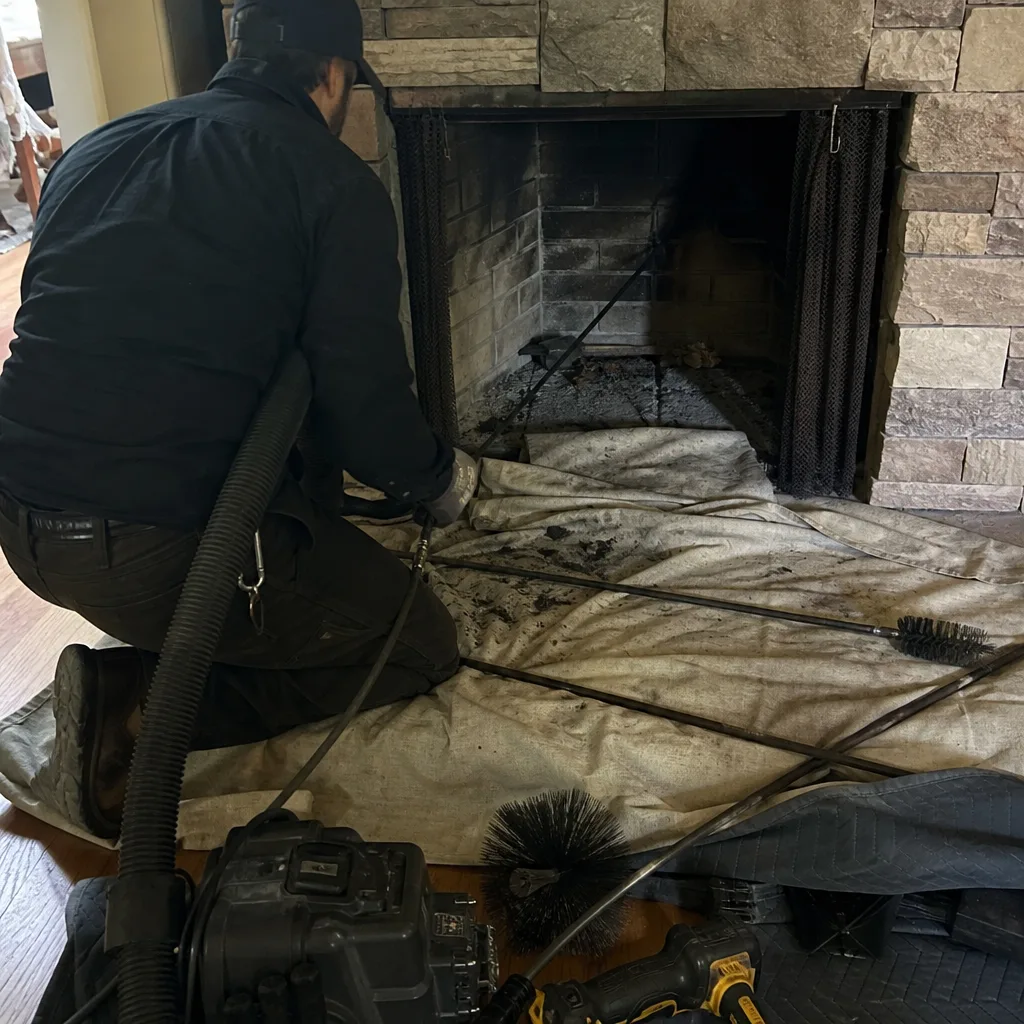 Before
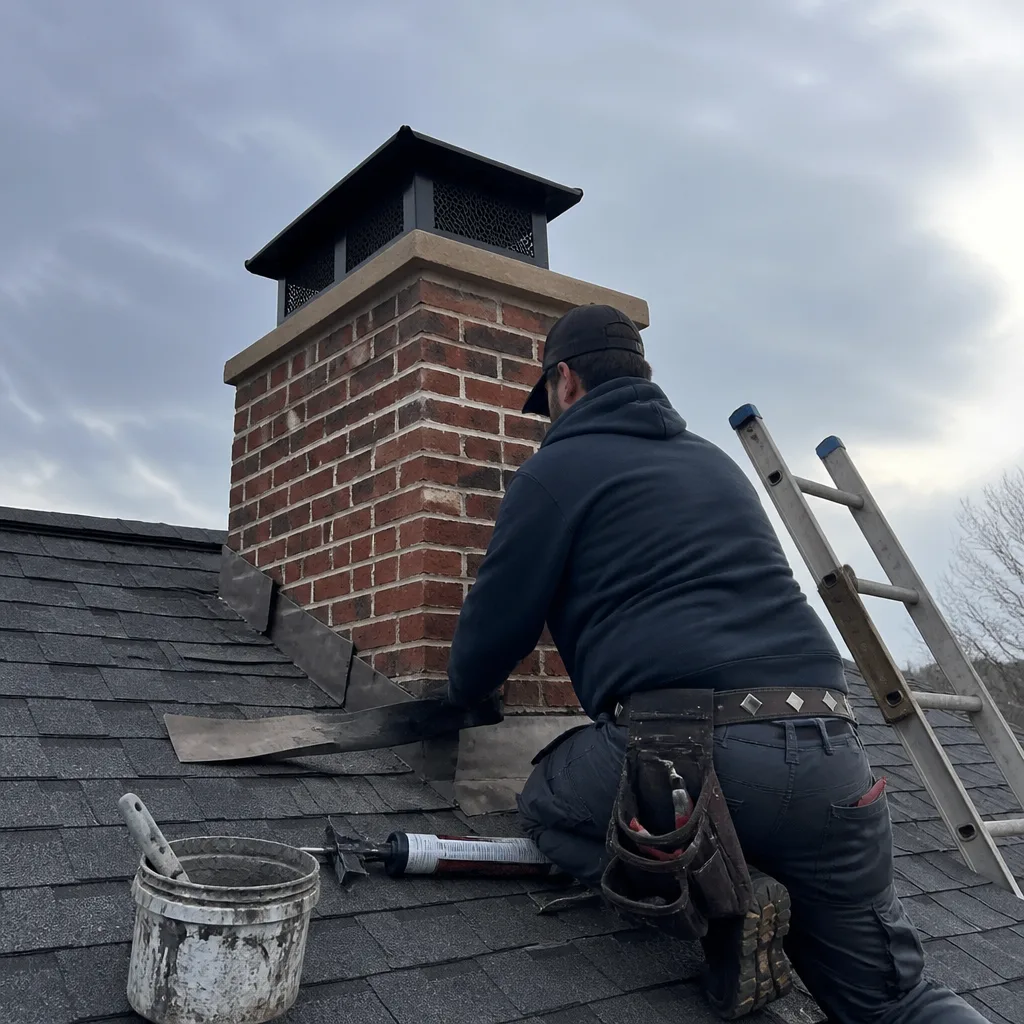 After
After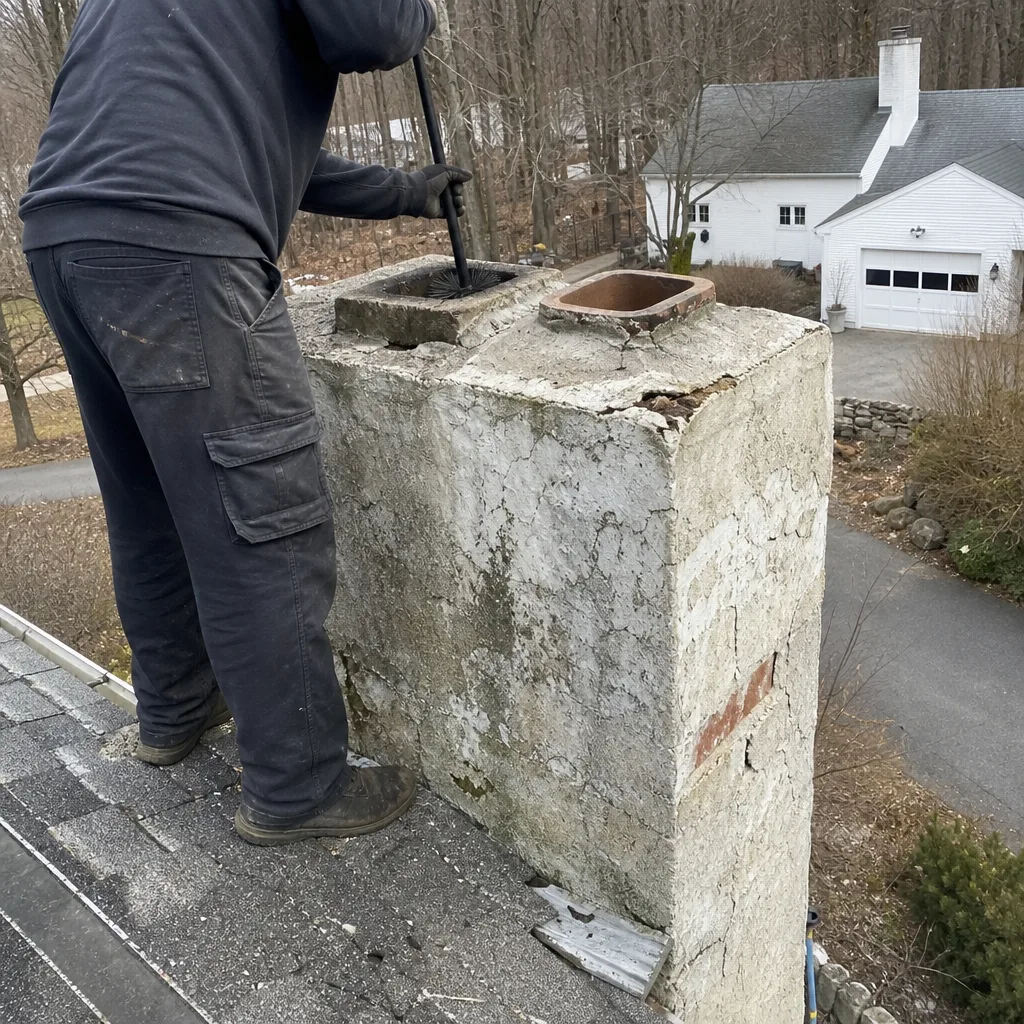 Before
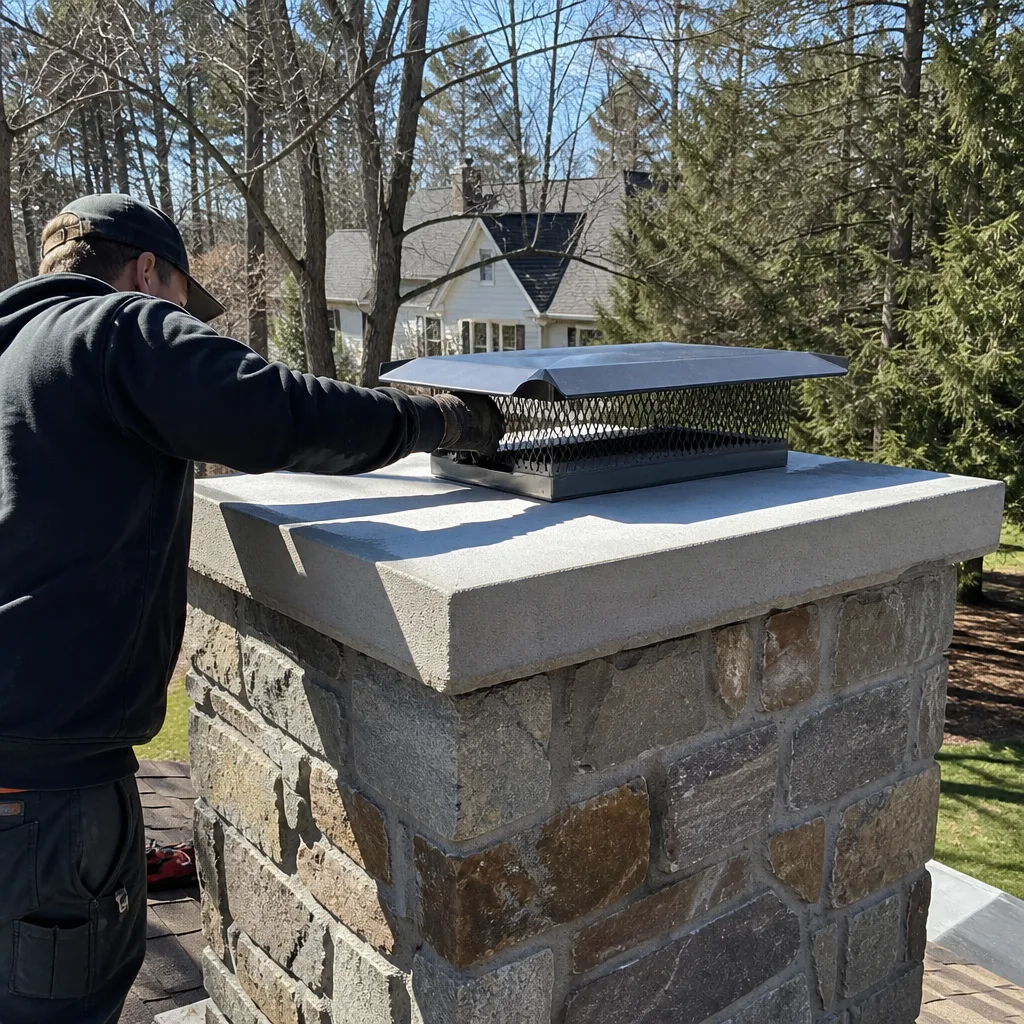 After
AfterChimney Cleaning Permits, Codes & Inspections in CT: What You Need to Know
In Connecticut, a chimney relining done without a permit is not just a code violation. It can surface during a title search, stall a home sale in Greenwich’s competitive market, and require demolition of the completed work. Most homeowners hear that chimney cleaning needs no permit, and for the sweeping itself that’s true. But the line between exempt maintenance and permit-required alteration sits closer than most people think. This guide draws that line precisely, explains what Greenwich’s building department actually requires, and shows how the right documentation protects your home sale, your insurance claim, and your family.
Quick Answer
Chimney sweeping and visual inspection require no permit anywhere in Connecticut. But relining a flue, replacing a damper, installing an insert, or rebuilding any structural portion of the chimney is an alteration under CT State Building Code Section R1003 and requires a building permit in Greenwich. The permit protects you at resale and in an insurance claim, and the inspection that closes it should include NFPA 211 Level 2 camera documentation.
Table of Contents
- The Permit Line: Maintenance vs. Alteration Under CT Code
- Greenwich Building Department: The Permit Process Step by Step
- NFPA 211 Level 2: What It Is and Why Both Insurers and Building Officials Accept It
- Previous Owner’s Unpermitted Work: What Appears on Title and Who Pays
- The Insurance Angle: How Unpermitted Work Affects Chimney Fire Claims
- What Permits and Inspections Actually Cost in Greenwich
- What a Greenwich Chimney Inspector Checks: The Full List
- Documentation That Saves You: What to Keep After Any Chimney Work
BeforeAfterThe Permit Line: Maintenance vs. Alteration Under CT Code
The Connecticut State Building Code, which adopts the International Residential Code with state amendments, draws a practical line on chimney work. Section R1003 governs masonry chimneys, and it distinguishes between routine maintenance and alterations that change the structure, the flue pathway, or the appliance venting. Sweeping, creosote removal, smoke chamber parging touch-up, and Level 1 or Level 2 inspections are maintenance; see our Complete Guide to Chimney Cleaning in Greenwich for details. They do not require a permit in any Connecticut municipality, including Greenwich.
Here is where it shifts. A permit is required when any of the following occurs:
- A flue liner is installed, relined, or partially replaced. This applies whether the liner is stainless, cast-in-place, or clay tile reset.
- A damper is replaced with a different type, such as a top-sealing damper replacing a throat damper, because the venting dynamics change.
- A fireplace insert or stove is installed, even if a chimney already exists. The appliance changes the clearances and draft requirements.
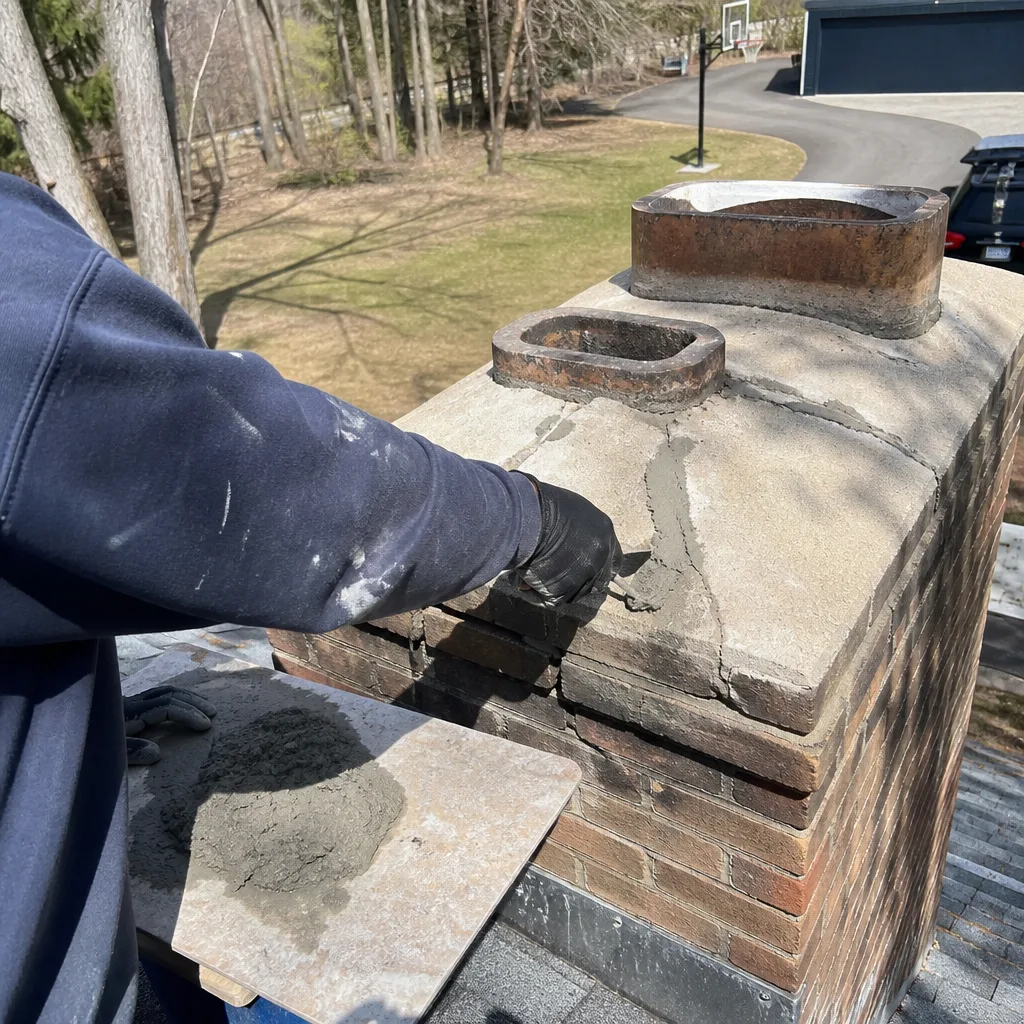
- The crown is rebuilt, not just sealed. Sealing a crown is maintenance. Demolishing and repouring it is alteration.
- Any masonry repair that exceeds 25 square feet of surface area, which triggers the code’s threshold for structural repair.
- A cricket is added where one did not exist. This is a structural change to roof geometry.
In Greenwich specifically, we see this confusion most often with relining. Homeowners schedule a sweep-our Chimney Cleaning & Sweep Maintenance Checklist for Greenwich Homeowners can help you prepare-the camera shows a cracked clay liner, and the contractor offers to reline it the same week. If that contractor does the relining without pulling a permit, the homeowner now owns an unpermitted alteration. When they sell in five years, the title search flags it. We have fielded calls from Greenwich homeowners who bought in 2018 or 2020, went to refinance in 2024, and discovered the previous owner’s liner job had no permit record. It is an expensive conversation that a $200 permit could have avoided.
Greenwich Building Department: The Permit Process Step by Step
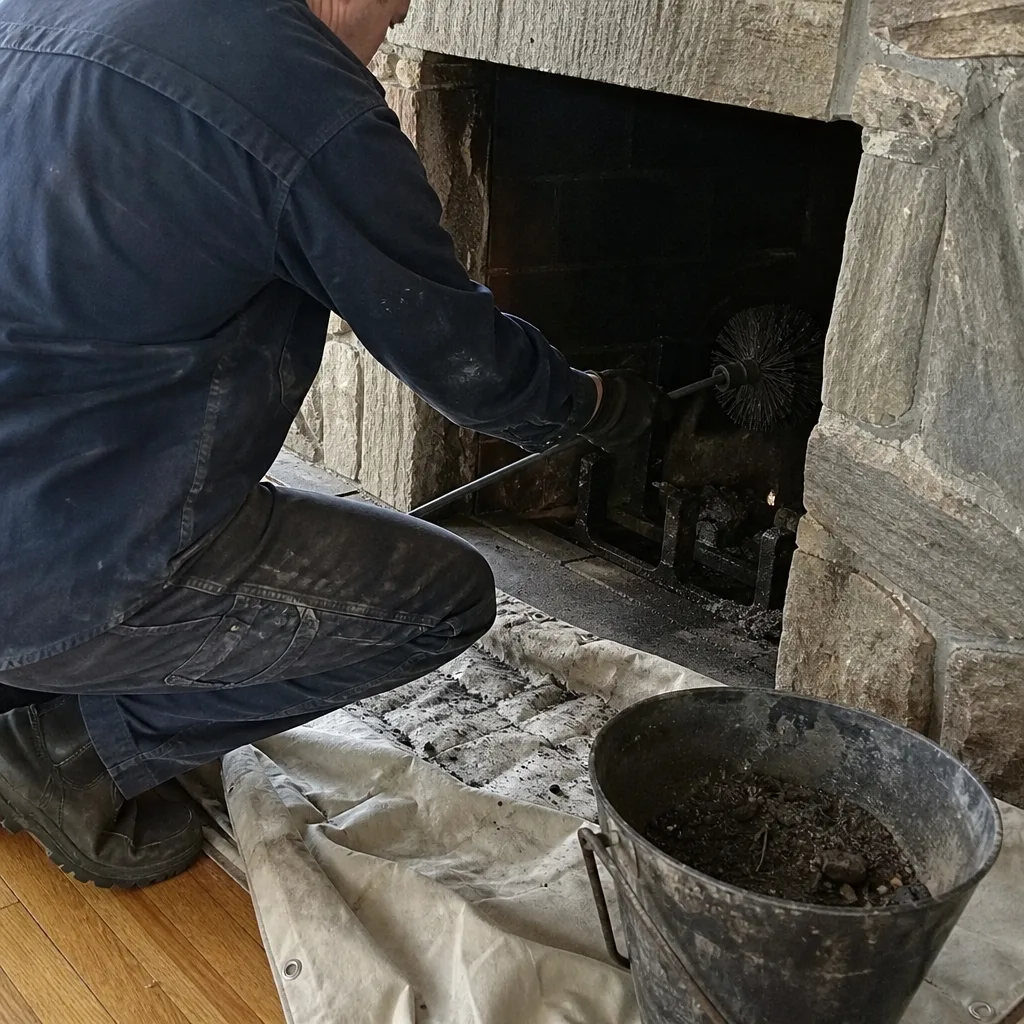
Greenwich operates its own building department, separate from the state, and it processes chimney permits through the Building Inspection Division at Town Hall on Field Point Road. The process is not complicated, but it has specific timing and sequencing. Here is the sequence we walk customers through:
- Pull the permit before work starts. The contractor or homeowner files a permit application describing the scope: relining, damper replacement, insert installation, or structural rebuild. The fee is based on the valuation of the work.
- Schedule the rough inspection. For relining, the inspector visits after the old liner is removed or the flue is prepped, but before the new liner is enclosed. They check the flue dimensions, the connection at the smoke chamber, and clearance to combustibles.
- Complete the work. The liner goes in, the crown is poured, the cap is set, and appliance connections are made.
- Schedule the final inspection. The inspector returns to verify the work matches the permit, the flue passes visual inspection, and any required draft test or clearance verification is documented.
- Keep the signed permit card. Greenwich issues a final approval that stays on file with the building department. This is the record that protects you at resale.
Typical timeline from filing to final approval: one to three weeks. The inspectors in Greenwich are thorough but reasonable, and they expect the contractor to have the NFPA 211 Level 2 camera report available at the rough inspection. That report shows the flue condition before work, which tells the inspector whether the proposed scope actually matches what the chimney needs.
One detail that catches Greenwich homeowners off guard: the permit must list the actual contractor performing the work. If the homeowner pulls the permit but hires an unlicensed crew to do the relining, the inspector can flag the discrepancy and hold the permit open. Connecticut requires home improvement contractors to be registered with the Department of Consumer Protection, and Greenwich inspectors check registration on jobs they inspect.
NFPA 211 Level 2: What It Is and Why Both Insurers and Building Officials Accept It
NFPA 211 is the National Fire Protection Association standard for chimneys, fireplaces, vents, and solid fuel burning appliances. A Level 2 inspection under that standard includes everything in a Level 1 (the accessible portions of the chimney exterior and interior, plus basic appliance connections) and adds a video scan of the entire flue interior, plus inspection of the attic, crawlspace, and other accessible areas around the chimney chase.
The camera is the critical part. A Level 2 inspection produces a documented video record of the flue interior: cracks, spalling, missing mortar joints, creosote classification, and any obstruction. That record matters in three ways in Connecticut:
- For the building official: When a Greenwich inspector approves a relining permit, the Level 2 report shows the flue condition before work. It justifies the scope. Without it, the official is approving work on faith.
- For the insurer: Insurance carriers accept NFPA 211 Level 2 documentation as evidence that the chimney was properly inspected and maintained before a loss. When a claim is filed, the carrier asks what was known about the chimney.
- For the real estate transaction: The Connecticut residential property condition disclosure form asks sellers about known chimney or fireplace problems. A Level 2 report provides a dated record that either clears the chimney or documents exactly what was found and what was done.
Level Two Chimney Greenwich has performed camera-scan Level 2 inspections as the default since 2009, and every visit produces a documented photo record. That practice is Clause 4 of the Haven Standard: a photo record on every job, whether it is a cleaning, a repair, or a full inspection. In Greenwich real estate transactions, we regularly provide those records to both the buyer’s attorney and the building department when chimney work is part of a sale contingency.
Previous Owner’s Unpermitted Work: What Appears on Title and Who Pays
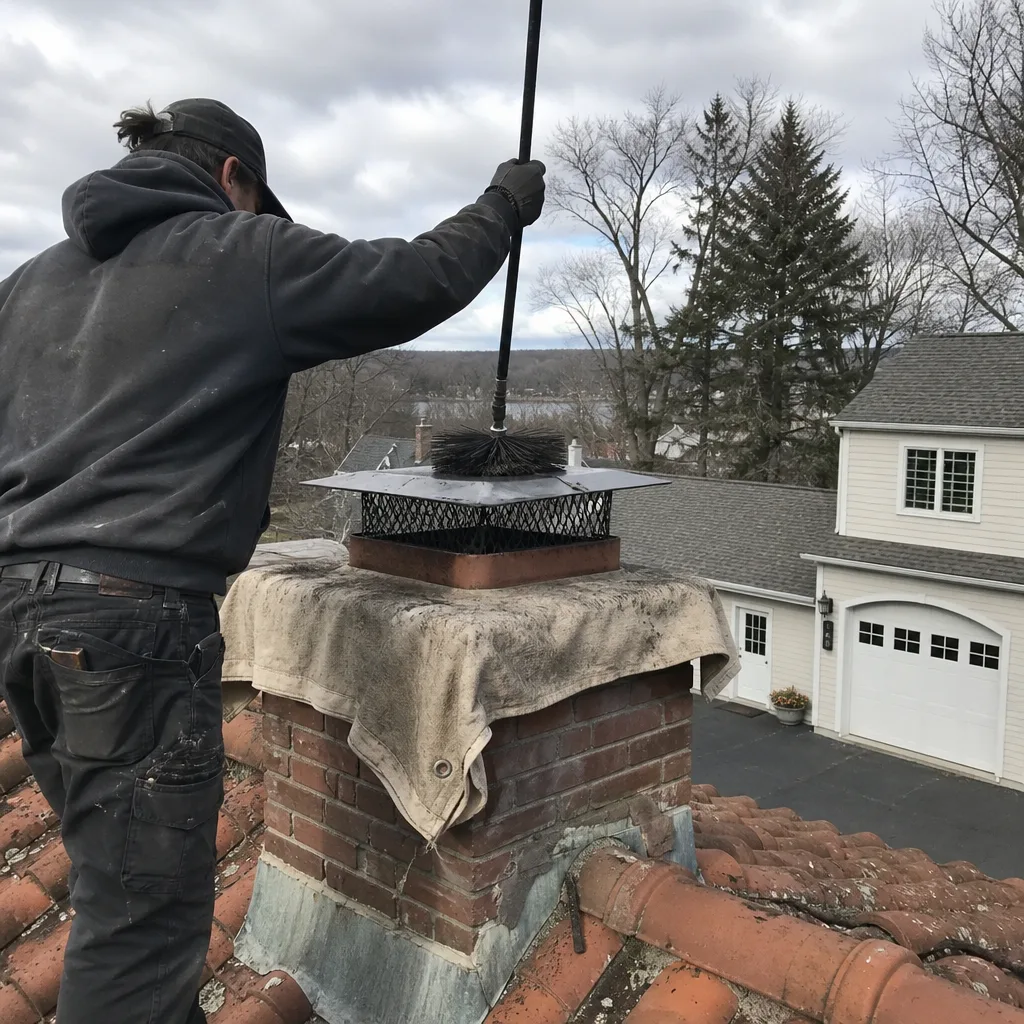
When a Greenwich homeowner applies for a building permit, the department checks its records for prior permits at the property address. If a chimney liner, insert, or rebuild appears in a listing photo, on a home inspection report, or in a seller’s disclosure but no permit exists, the title search will likely flag it. Title insurance companies in Connecticut have become aggressive about this since 2021, and Greenwich’s resale market has felt it most sharply in neighborhoods like Cos Cob, Riverside, and Old Greenwich where homes trade quickly.
Who pays to fix it depends on when it is discovered:
- Before closing: The seller typically pays. The buyer’s attorney makes the unpermitted work a contingency. Either the seller obtains a retroactive permit and inspection, or the seller credits the buyer the cost of remediation.
- After closing, discovered during refinance: The current owner pays. The title insurance policy may not cover unpermitted work that predates the policy if the seller did not disclose it and the buyer’s inspection could have found it.
- After closing, discovered after a fire or other loss: The current owner pays, and the insurance carrier may dispute the structural portion of the claim.
Remediation usually means pulling a permit after work is complete, which Greenwich handles as an “as-built” review. The building department sends an inspector, who may require exposing portions of the flue or opening the chase to verify the work. If the work is defective, it must be demolished and redone. We have seen unpermitted liners in Greenwich homes where the liner was the wrong diameter, the insulation was missing, and the crown was never sealed. The homeowner paid twice: once for the original unpermitted work, once for the permitted redo.
The documentation that helps resolve unpermitted work on a title report includes the original scope of work, any receipts or invoices, photographs from the installation if they exist, and a current NFPA 211 Level 2 camera report showing the flue condition. A clean camera record often convinces the building official to approve an as-built permit without opening the chase.
The Insurance Angle: How Unpermitted Work Affects Chimney Fire Claims
When a chimney fire occurs, the insurance adjuster’s first question is not about the fire itself. It is about the chimney’s history. The carrier requests the property’s permit history from the Greenwich building department. If the chimney was relined, rebuilt, or altered and no permit exists, the carrier has a documented basis to reduce or deny the structural portion of the claim.
Here is how that plays out in a typical Connecticut claim:
- The fire department responds and files a report identifying the chimney as the origin.
- The adjuster reviews the property record. No chimney alteration permits appear.
- The adjuster schedules an inspection with a fire investigator or licensed chimney professional.
- The investigator finds evidence of unpermitted work: a liner installation with no permit, an insert installed without clearance verification, a damper that was modified.
- The carrier denies or reduces the structural claim, arguing that the unpermitted alteration caused or contributed to the fire, and that the hazard was created by the homeowner or a previous owner without code compliance.
The denial is not automatic, but it is common enough that Connecticut insurance defense attorneys treat unpermitted chimney work as a standard exclusion tool. What protects the homeowner is the opposite record: a permit on file, a final inspection approval, and a Level 2 camera report dated before the loss showing the flue was clean and the liner intact.
The practical takeaway for Greenwich homeowners: the $150 to $400 a chimney permit costs is the cheapest insurance you will ever buy on your house. It converts a potential claim denial into a covered loss.
What Permits and Inspections Actually Cost in Greenwich
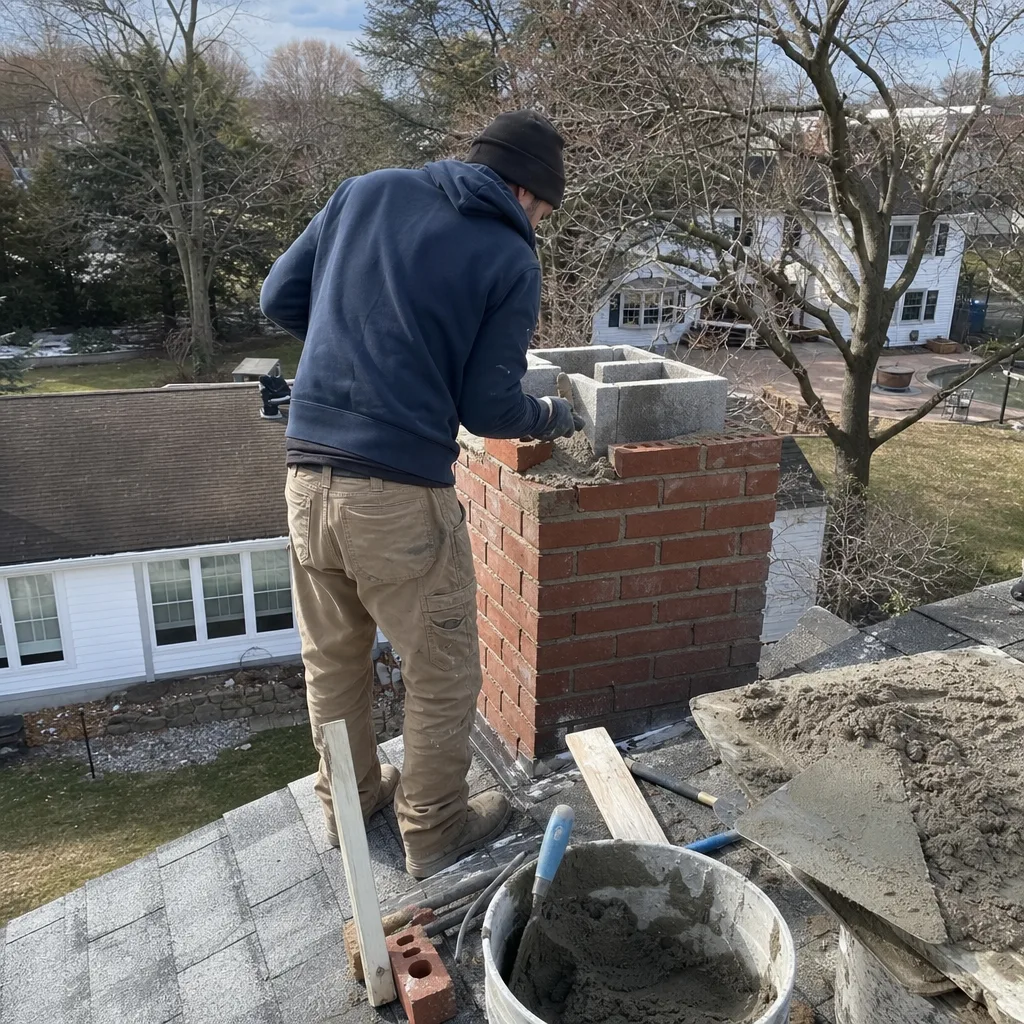
Greenwich permit fees for chimney work are calculated from the project valuation. Here is what we see as of 2025:
| Work Type | Typical Permit Fee Range | Typical Inspection Count |
|---|---|---|
| Chimney relining (stainless or cast-in-place) | $150 - $400 | 2 (rough and final) |
| Fireplace insert or stove installation | $120 - $350 | 2 |
| Chimney rebuild (full or partial) | $200 - $600 | 2-3 |
| Crown replacement alone | $100 - $250 | 1 |
| Damper replacement (type change) | $80 - $150 | 1 |
These are Greenwich-specific ranges based on the town’s current fee schedule. They do not include the contractor’s labor or materials. They also do not include the cost of the NFPA 211 Level 2 camera inspection, which typically runs $150 to $350 as a standalone service but is included in Level Two Chimney Greenwich’s visit as standard practice.
No permit is required, and no fee applies, for chimney sweeping, creosote removal, Level 1 inspections, Level 2 camera inspections performed for informational or real estate purposes, or crown sealing that does not change the structure. The line is whether you are maintaining what exists or changing what exists.
What a Greenwich Chimney Inspector Checks: The Full List
When the Greenwich building inspector arrives for a chimney permit inspection, they work from the code, not from the contractor’s opinion. Here is what they check, in order of how often we see them flag items:
- Flue size relative to the appliance. The flue must match the appliance’s required diameter. An oversized flue cools the exhaust and increases creosote accumulation. An undersized flue restricts draft and forces smoke into the room.
- Clearance to combustibles. The inspector measures from the exterior of the masonry or the chase to any wood framing, insulation, or other combustible material. The minimum is typically 1 inch for exterior masonry chimneys and 2 inches for interior chimneys, but the appliance and liner type can push this higher.
- Liner material and connection. The liner must be listed for the fuel type, connected at the smoke chamber without gaps, and extend to the flue termination at the top of the chimney.
- Crown overhang and slope. The crown should extend at least 2 inches beyond the chimney face and slope away from the flue. We see many Greenwich crowns that are flush, which lets water run down the brick face and accelerates spalling.
- Chimney cap presence and mesh condition. A cap without a spark arrestor mesh is an ignition risk in Greenwich’s wooded neighborhoods, especially along Lake Avenue and in the backcountry.
- Damper operation and seal. If the damper is replaced, the inspector verifies it opens and closes fully and seats correctly.
- Hearth extension dimensions. For fireplaces, the inspector measures the hearth extension. The requirement depends on the firebox opening size and whether the appliance is listed.
Inspectors in Greenwich are particularly alert to flue sizing mismatches, because so many older homes built between 1900 and 1960 have clay liners sized for coal fireplaces that are now being asked to vent wood stoves or inserts.
Documentation That Saves You: What to Keep After Any Chimney Work
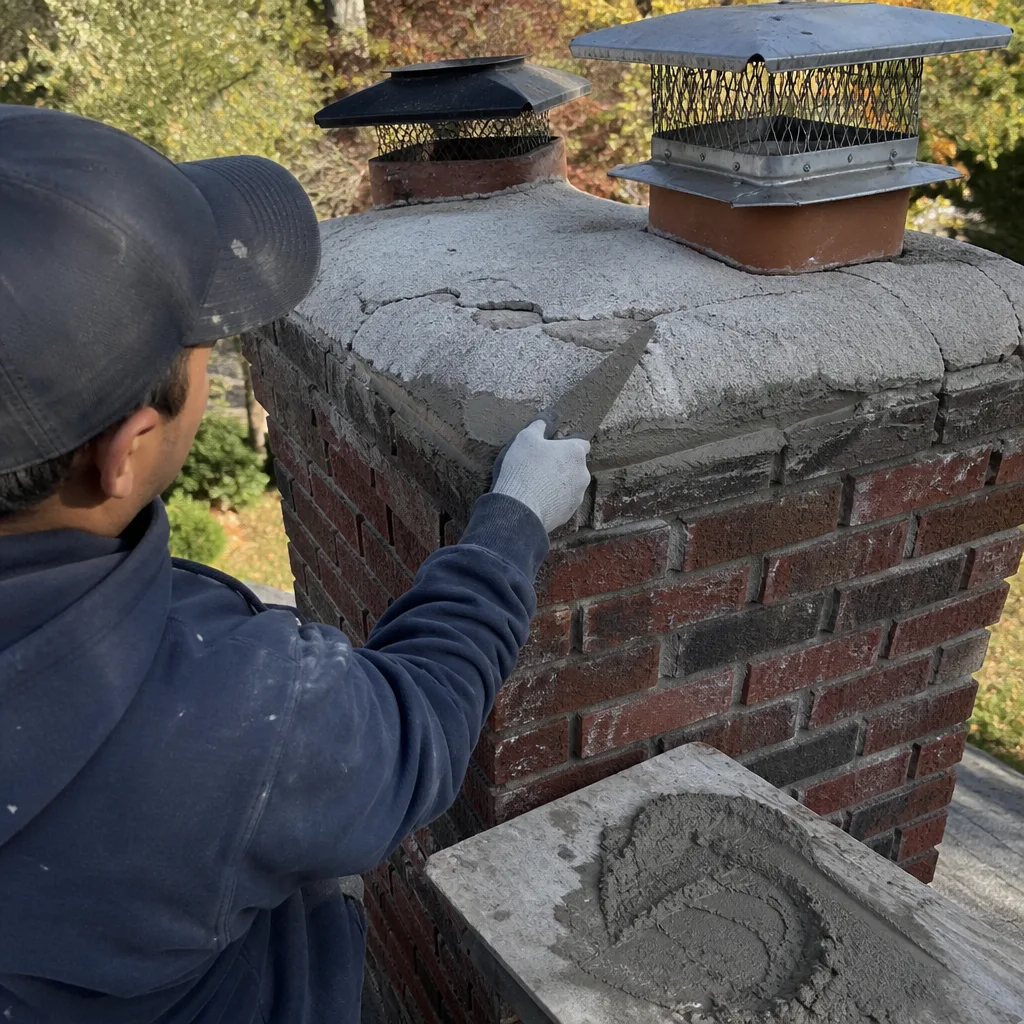
The documentation you keep after chimney work is worth more than the work itself in a resale or a claim. This is what we tell every Greenwich homeowner to file away:
- The signed permit card and final inspection approval from the Greenwich Building Department. This is the single most valuable document in a title dispute or insurance review.
- The NFPA 211 Level 2 camera report, including the video file or stills showing the flue before and after the work. This is your evidence of condition.
- The written scope of work and the written price. Half of the disputes we see arise because the homeowner and contractor disagreed about what was promised. A written scope eliminates that.
- The written warranty for the liner or components. Stainless liners from manufacturers like DuraFlex carry lifetime warranties when installed per listing. Cast-in-place liners from Gelco or HeatShield carry their own manufacturer terms. If the installer refuses to provide written warranty terms, that is a red flag.
- The installation checklist from the appliance manufacturer if an insert or stove was installed. This is the document the insurance carrier asks for after a fire.
This documentation standard is what Clause 1 of the Haven Standard (H.A.V.E.N. “Have it in writing”) requires from us on every job: a written price, written scope, and written warranty delivered before work starts, not after the technician is already in your home. If a contractor cannot produce these three documents before starting, the work should not start.
Common Mistakes to Avoid
- Assuming a sweep covers a relining permit. The sweep company can clean and inspect without a permit, but the moment they propose installing a liner, the permit obligation kicks in. Get the permit number before the liner goes in.
- Letting the contractor pull the permit in their name and then disappearing. If the contractor abandons the job before final inspection, the permit stays open, and the homeowner cannot close it without hiring someone else to finish and re-inspect. Get the contractor’s Greenwich registration and Connecticut HIC license before work starts, and confirm the permit is in progress with the building department.
- Accepting a verbal “it’s all set, no permit needed” from a contractor. In Greenwich, the building department answers permit questions by phone. A two-minute call confirms whether the work needs a permit.
- Skipping the camera scan because the sweep “looked fine.” A visual Level 1 inspection cannot see the middle third of the flue, which is where liners fail first. We have scanned flues in Old Greenwich homes that looked clean from the top and bottom and found a 6-foot vertical crack in the middle.
- Filing the permit as an owner-builder and then hiring a crew that is not on the permit. Greenwich inspectors cross-check the contractor registration against the permit. A mismatch stalls the inspection and can void the final approval.
- Losing the signed final inspection card. Without it, the permit exists on file but the homeowner cannot prove final approval to a buyer’s attorney or an insurance adjuster. Take a photo of it and store it with your closing documents.
- Doing a “patch” relining job without a permit because it is cheaper. The discount evaporates the first time you refinance or sell. We see it in Greenwich constantly, and it is the most expensive money a homeowner ever saves.
When to Call a Professional
The moment the work moves from maintenance to alteration, call someone who has navigated the Greenwich permit process before. That means relining, insert installation, damper type changes, crown rebuilds, and any masonry repair beyond surface sealing. It also means any situation where a title report, an insurance carrier, or a buyer’s attorney is asking for chimney documentation, because the wrong answer is expensive. If you are buying a Greenwich home and the inspection mentions chimney problems, schedule a Level 2 camera inspection before closing, not after. For more guides & resources, visit our blog. Level Two Chimney Greenwich offers free estimates in Greenwich, and every job includes the camera record, the written price, and the written warranty before work begins. Call (516) 399-5497.
Frequently Asked Questions
No permit is required for chimney sweeping, creosote removal, or any Level 1 or Level 2 inspection in Connecticut, including Greenwich. Cleaning is considered routine maintenance under the state building code. The permit obligation begins when the work changes the flue structure, installs an appliance, or alters the venting system.
In Greenwich, a permit is required for flue liner installation or relining, damper replacement with a different damper type, fireplace insert or stove installation, crown rebuilding (not sealing), masonry repair over 25 square feet, and any cricket addition. A flat-price sweep agreement and camera inspection remain permit-exempt.
Most chimney alteration permits in Greenwich are issued within one to three weeks, including rough and final inspections. The timeline depends on contractor responsiveness and the building department’s current backlog. Scheduling the rough inspection immediately after the old liner is removed keeps the process moving.
If unpermitted chimney work appears on a title report before closing, the seller typically remediates it or credits the buyer. If it is discovered after closing, the current owner pays. Remediation usually means an as-built permit review, which may require exposing portions of the flue to verify the work. If the work is defective, it must be redone with a permit.
Insurance carriers routinely request permit history after a chimney fire. If an unpermitted liner installation, insert installation, or structural alteration is found, the carrier may reduce or deny the structural portion of the claim. A permitted job with final inspection approval and a Level 2 camera report dated before the loss is the best defense.
A chimney relining permit in Greenwich typically costs between $150 and $400, depending on the declared project valuation. The fee covers the application and the rough and final inspections. That is a fraction of what an unpermitted relining costs to remediate at resale or after a claim.
Keep the signed permit card and final inspection approval, the NFPA 211 Level 2 camera report, the written scope and price, the written manufacturer warranty, and any appliance installation checklist. These documents are the difference between a clean resale and a title dispute, and between a covered claim and a denied one.
The Bottom Line
Connecticut draws a clean line: sweeping and inspection are maintenance and need no permit, while relining, insert installation, damper type changes, and structural rebuilds are alterations that require one. The permit costs a few hundred dollars in Greenwich and protects you from title problems, insurance denials, and double-paying for work that must be redone. Keep the documentation. Demand the camera record. Get everything in writing before work starts. If you face any situation in this guide, Level Two Chimney Greenwich can inspect, document, and resolve it; call (516) 399-5497 for a written estimate and a camera-scan inspection.
Written by Corrine Halstead, Owner at Level Two Chimney Greenwich, serving Greenwich since 2009.