
Last updated September 20, 2026
Level 1 sweep and inspection to the NFPA 211 annual standard - flue, crown, cap, and flashing checked and photographed
Chimney sweep logs do not sweep chimneys. They loosen some creosote - which then falls where a brush and vacuum still have to collect it.
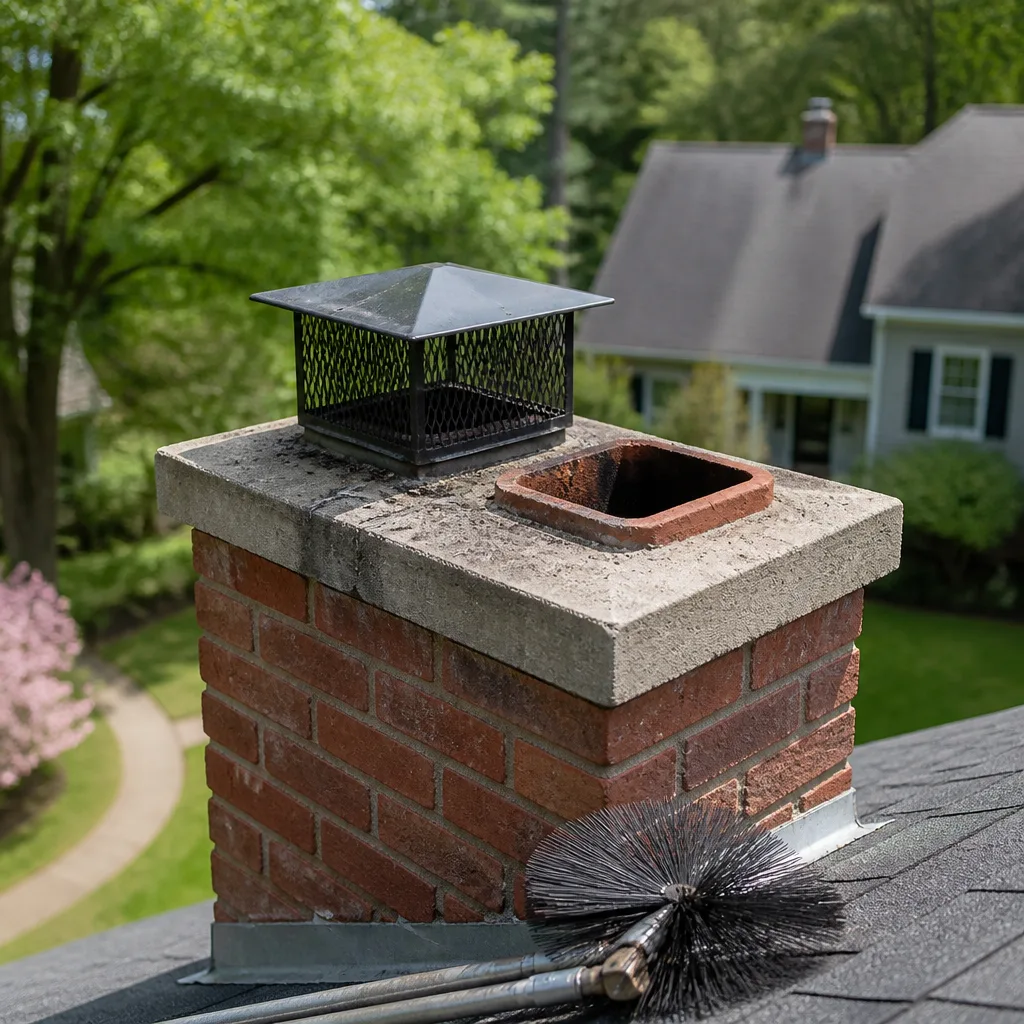
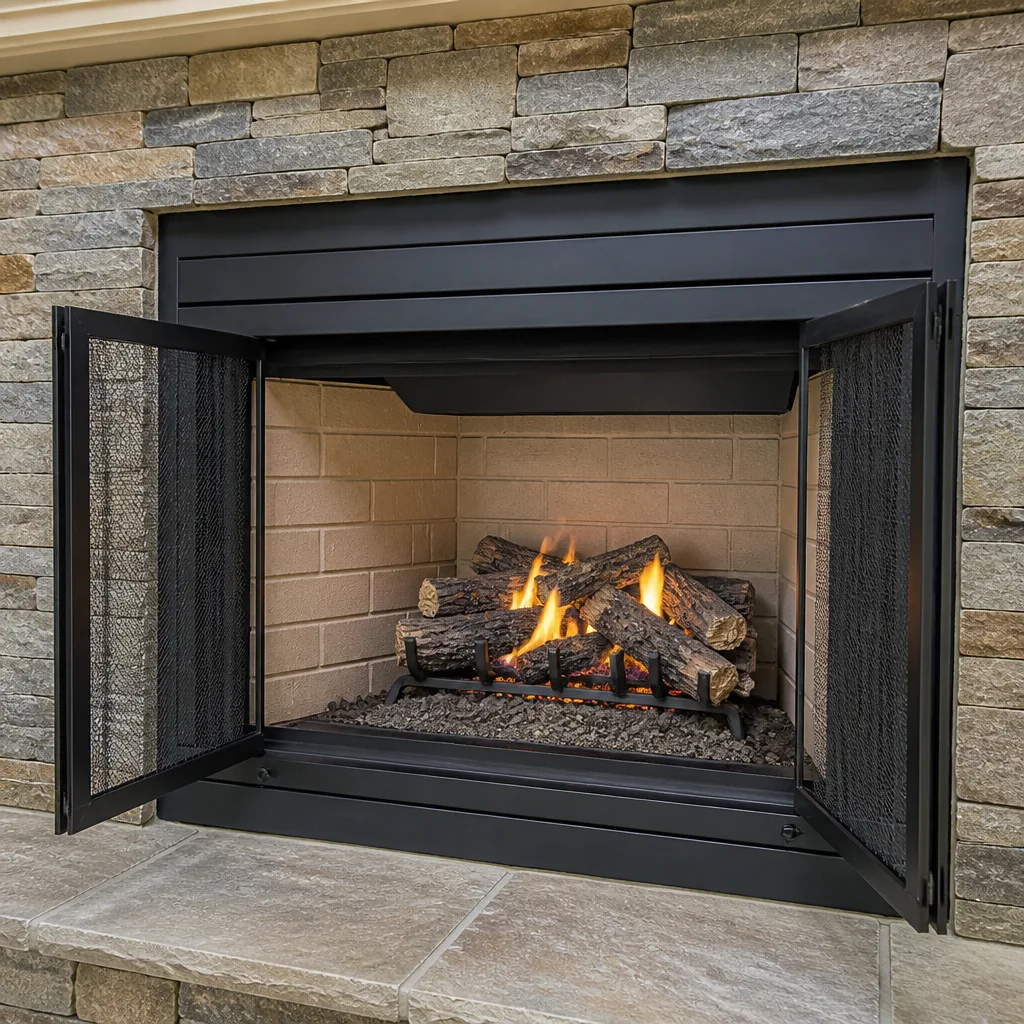
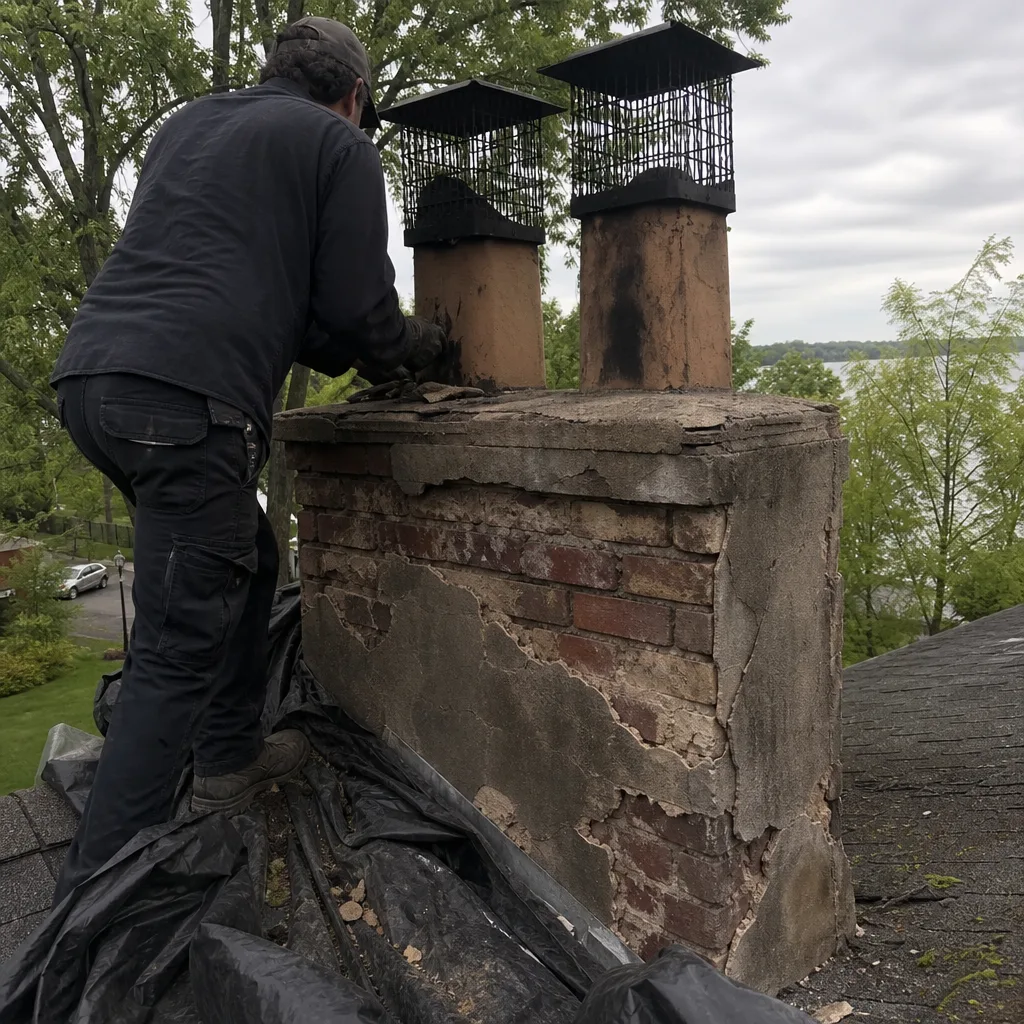 Before
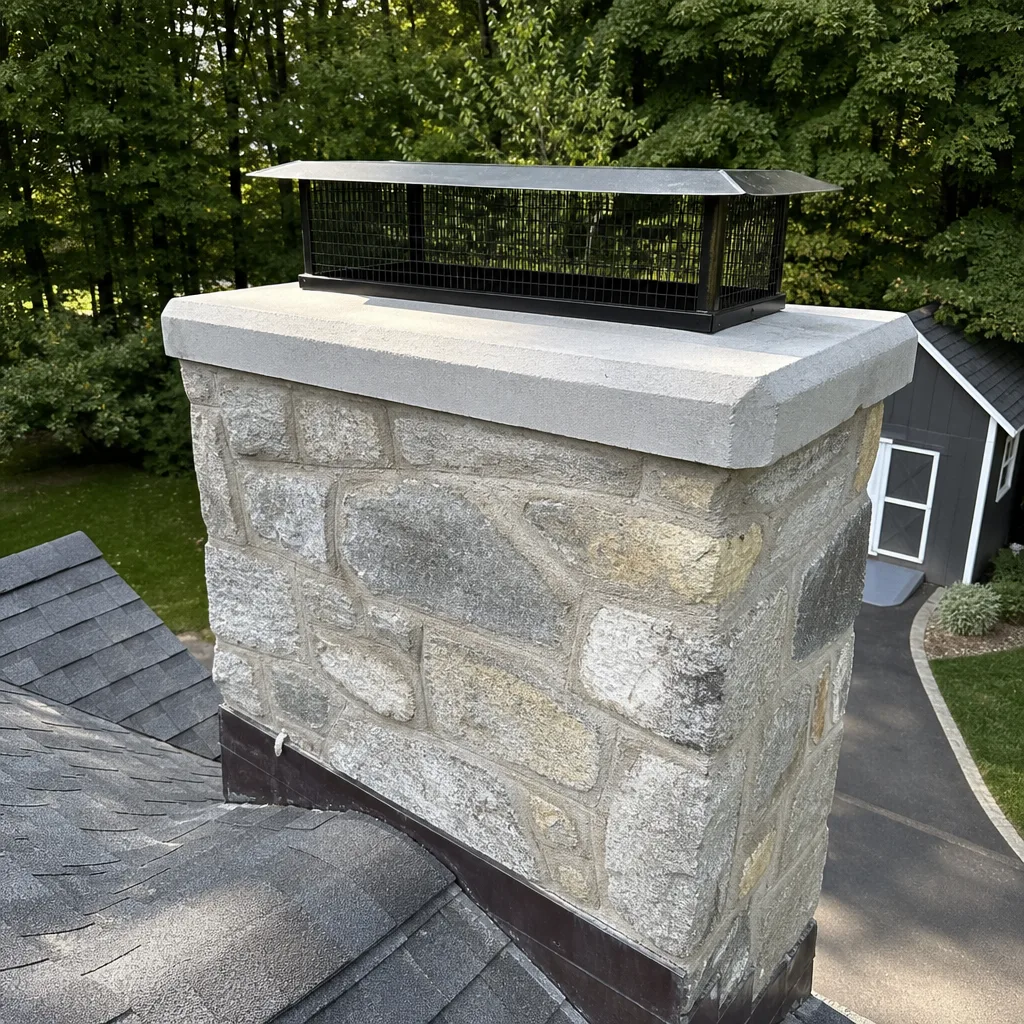 After
After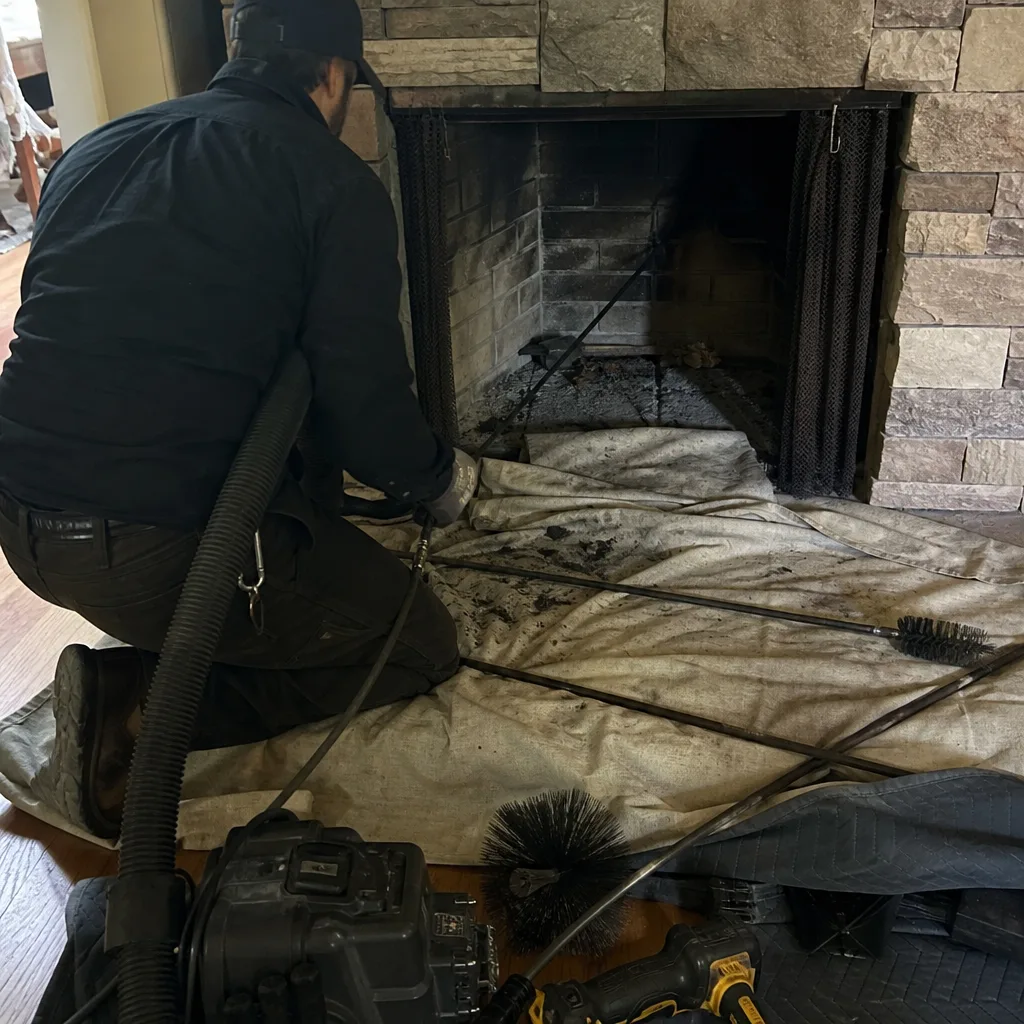 Before
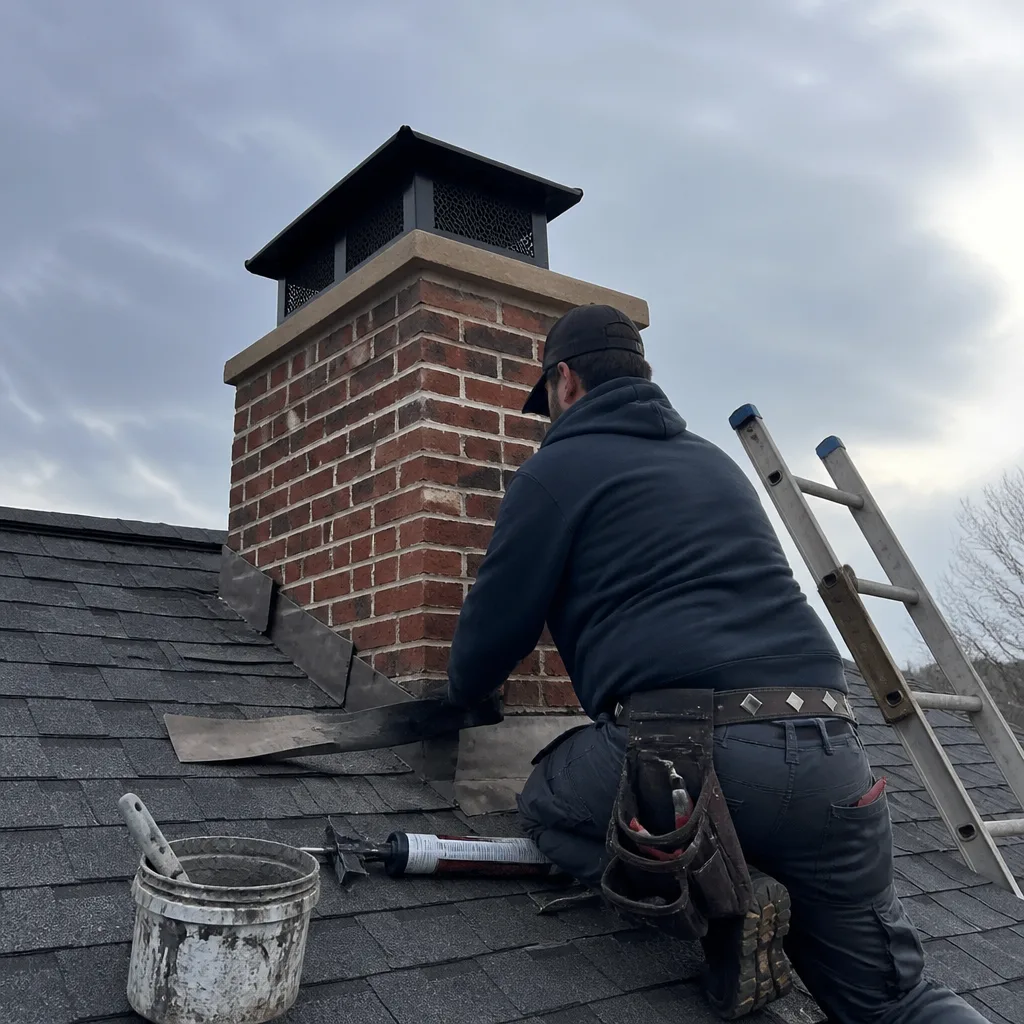 After
After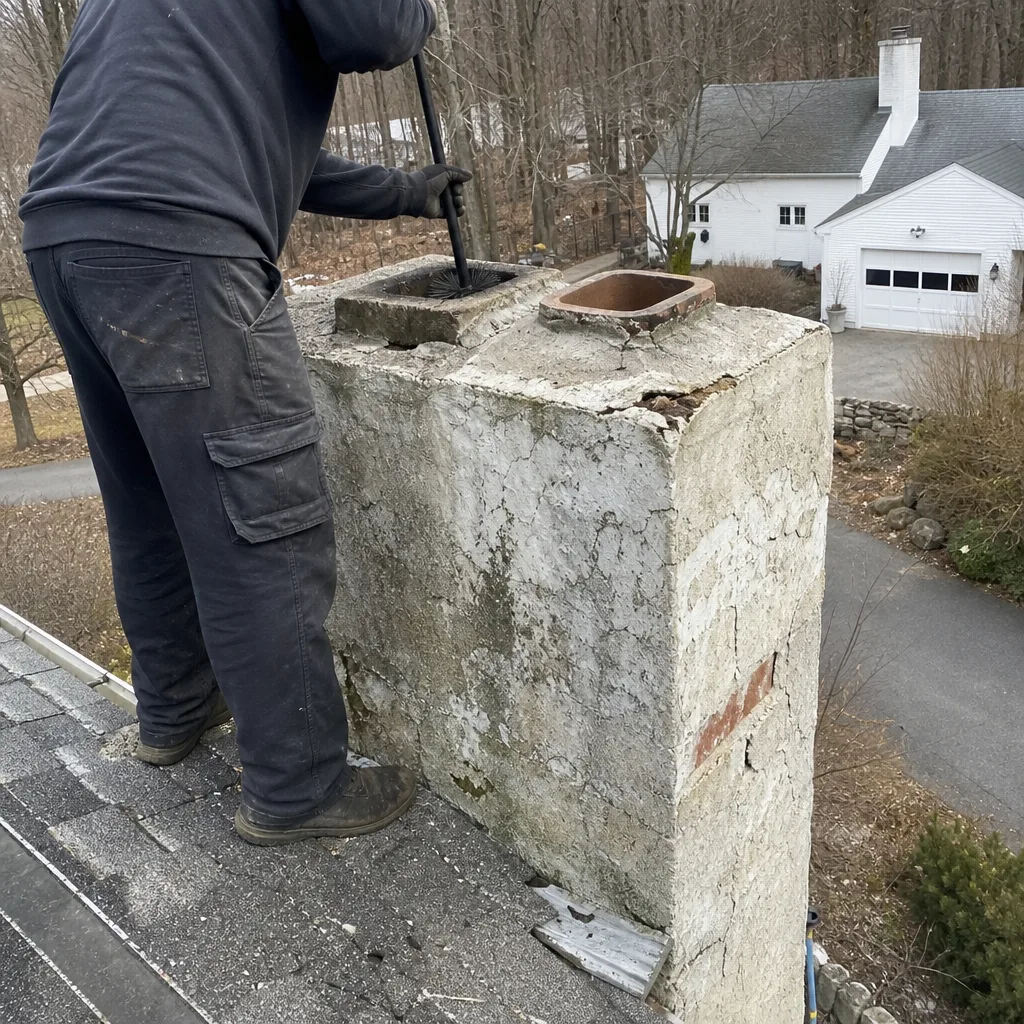 Before
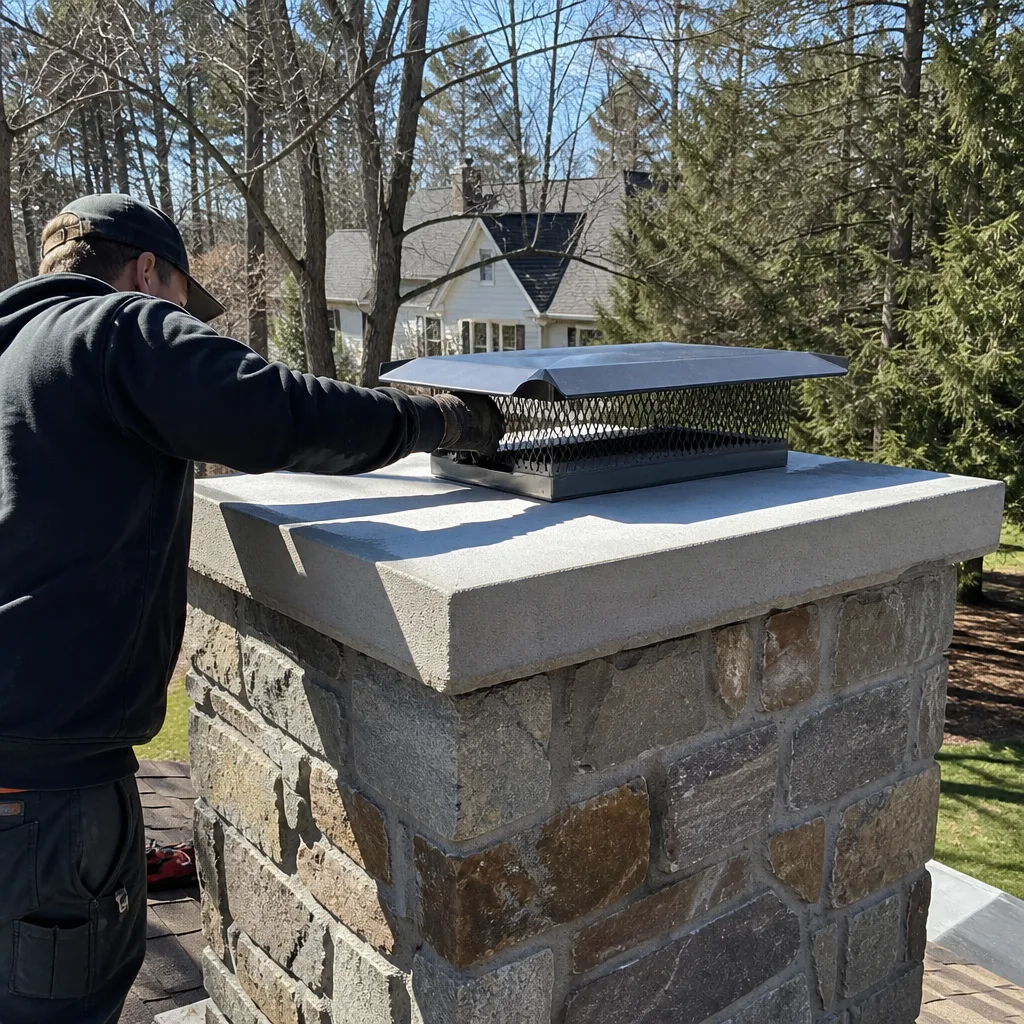 After
AfterSeasonal Chimney Cleaning Care for Greenwich: Year-Round Homeowner’s Guide
Most Greenwich homeowners schedule a chimney sweep the way they schedule a physical: once a year, same time, same routine. But chimneys don’t fail on a calendar. A flue that handled December fires without complaint can be quietly accumulating damage in March, when Long Island Sound moisture and freeze-thaw cycles work into hairline cracks that were invisible in October. This guide covers what actually happens to a Greenwich chimney across all four seasons, what to watch for in each, and how to structure service so one thorough visit catches what four separate ones would miss.
Quick Answer
Seasonal chimney care in Greenwich means scheduling one comprehensive camera-scan inspection and cleaning before first burn (September through mid-October), monitoring creosote buildup through heavy-use winter months, and using spring and summer to address moisture intrusion, crown damage, and cap sealant failure before they become liner problems. Annual service is a billing convention; the actual maintenance standard is driven by Greenwich’s coastal climate, which stresses chimney masonry year-round.
Table of Contents
- Fall (September-October): The Pre-Burn Camera Scan
- Winter (December-February): Mid-Season Creosote Triggers
- Spring (March-May): The Freeze-Thaw Inspection Window
- Summer (June-August): Moisture Intrusion and Off-Season Damage
- How to Structure a Single Annual Visit Around All Four Seasons
- Common Mistakes to Avoid
- When to Call a Professional
- Frequently Asked Questions
BeforeAfterFall (September-October): The Pre-Burn Camera Scan
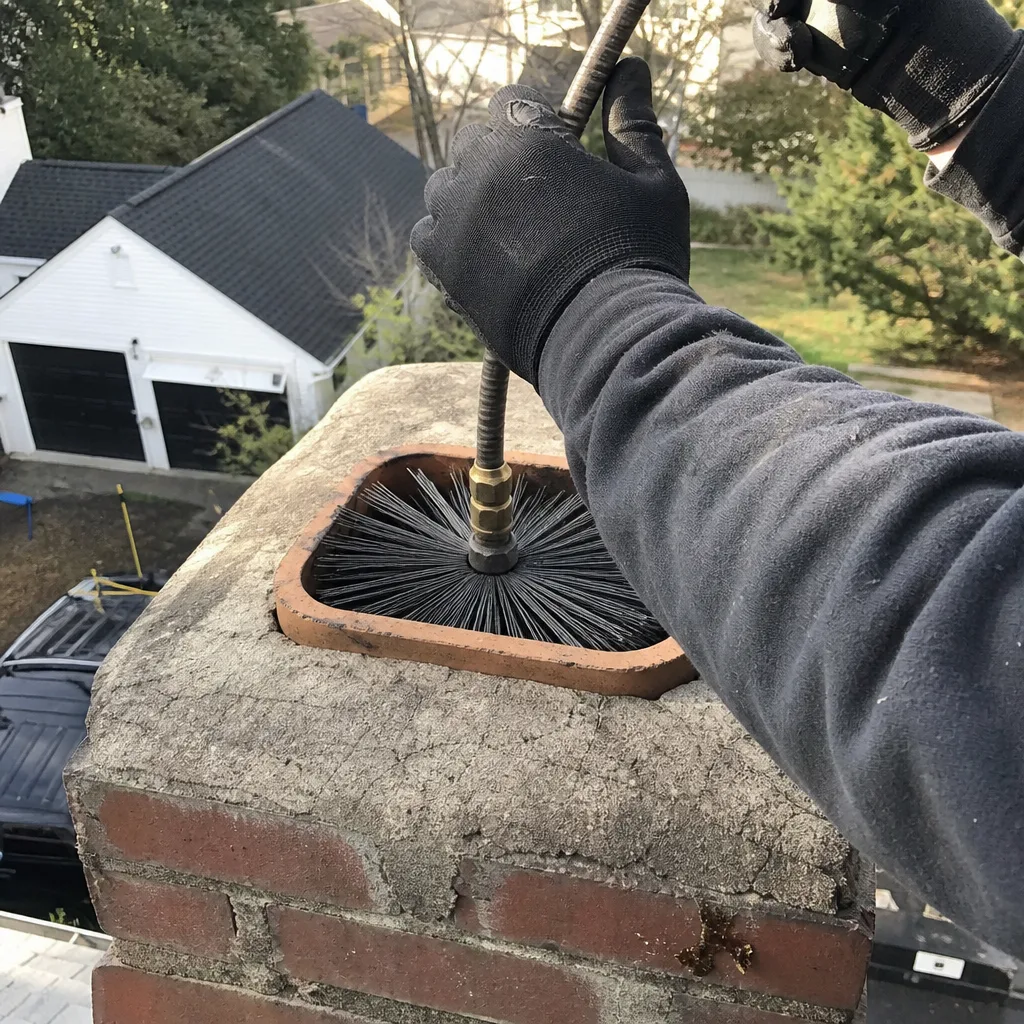
Chimney cleaning in Greenwich before the first fire matters more than cleaning after the last one, and here’s why: a humid summer does most of its damage invisibly. Warm, moisture-heavy air from the Sound settles into flue liner cracks and mortar joints from June through August. When you fire the stove or fireplace in October, that residual moisture doesn’t evaporate harmlessly; it gets driven deeper into the masonry by heat, which accelerates spalling, the flaking and crumbling of brick faces caused by trapped water expanding under temperature change. A pre-burn camera scan catches this before combustion stress compounds it.
Here’s what a proper pre-season inspection in Greenwich should cover:
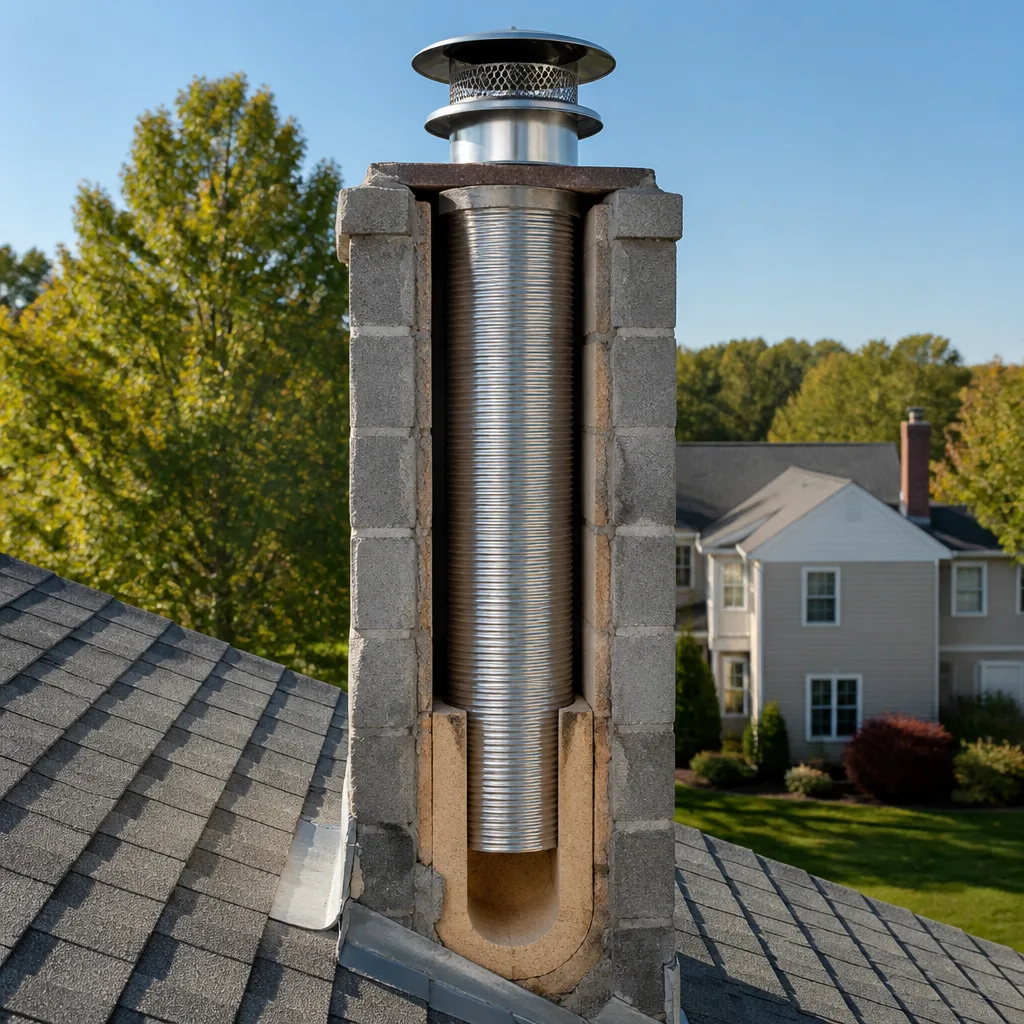
- Flue liner condition on camera – clay tile liners hairline-crack when moisture expands, and those cracks are invisible from the top or bottom without a camera. Stainless steel liners from brands like DuraFlex hold up better, but their seams and connections still need documentation.
- Creosote class assessment – after a humid summer, even a clean flue can show Stage I or Stage II creosote from residual deposits that absorbed moisture. The creosote class determines whether a cleaning is needed before the first fire or can wait.
- Crown mortar and cap sealant – summer UV and salt air degrade crown sealant faster in Greenwich than inland. We regularly see crown erosion on homes between Old Greenwich and Cos Cob that were intact the previous March.
- Smoke chamber and damper operation – a damper that swelled or rusted over summer needs adjustment before the first burn, not after smoke starts backing into the living room.
The National Fire Protection Association standard, NFPA 211, calls for a Level 2 inspection whenever the chimney changes hands or when a change in fuel or performance occurs. But in practice, for a Greenwich homeowner who uses their fireplace regularly, an annual Level 2 camera scan is the baseline, not the exception. That means the sweep company should hand you photo documentation, not a verbal summary. At Level Two Chimney Greenwich, a camera record has been standard on every visit since 2009, when we made documentation the default years before insurers or regulators required it. That practice is now Clause 4 of the Haven Standard: a documented photo record on every job, no exceptions.
Winter (December-February): Mid-Season Creosote Triggers
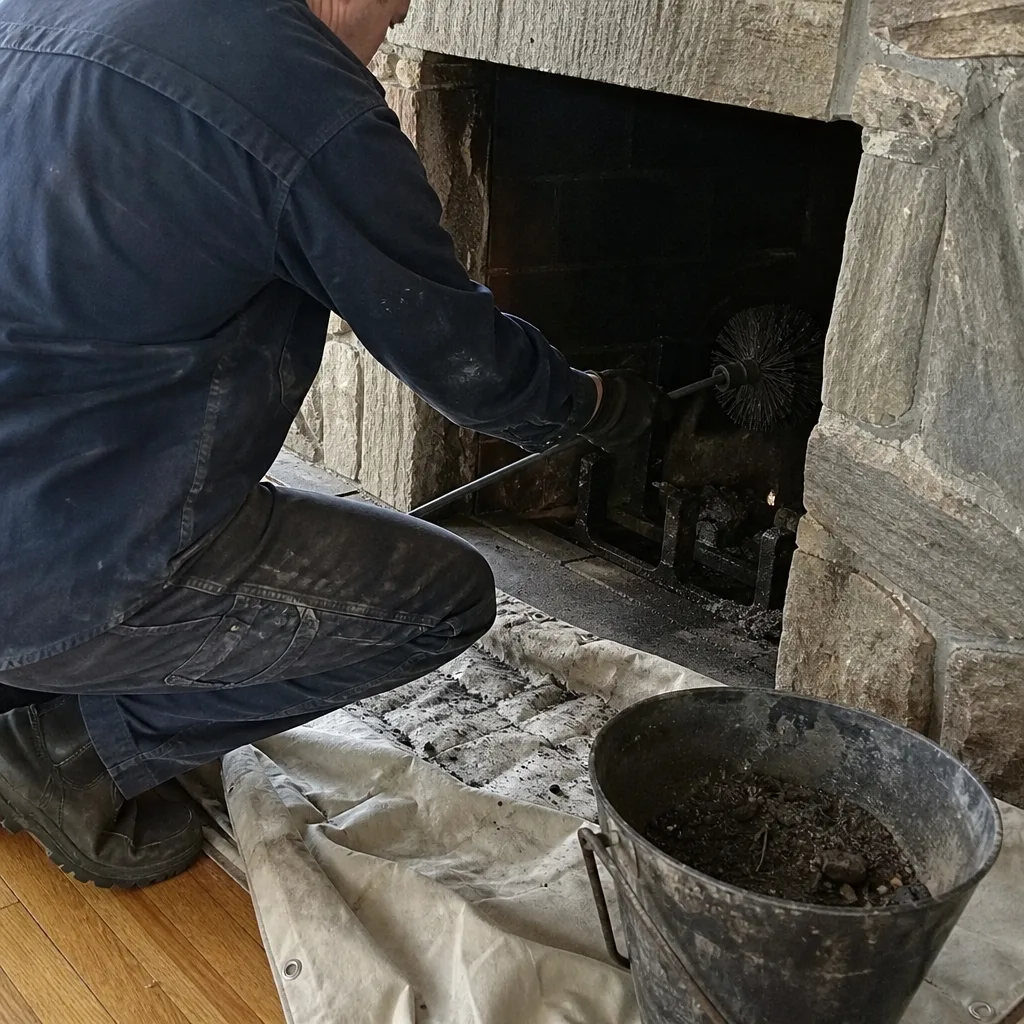
Most Greenwich homeowners won’t need a second chimney cleaning mid-winter, but a meaningful minority will. The variable is burn rate and wood quality. A household burning two to three cords of seasoned hardwood from October through February, especially with a wood stove or an older fireplace insert, can accumulate creosote at a rate that warrants a re-check before March. Here’s the accumulation rule we use: if you’ve burned more than one full cord since your fall cleaning, schedule a mid-season camera look in late December or January. If the flue shows Stage II creosote, a second cleaning is cheaper and safer than letting it build to Stage III, which is the hard, glazed, highly combustible form that resists brushing and requires more aggressive removal.
Mid-season warning signs that should trigger a call, regardless of burn volume:
- Smoke lingering in the firebox or spilling into the room when the fire is lit
- A sharp, campfire-like odor in the house even when the fireplace is cold
- Reduced draft, which is a feeling of the fire not drawing like it did in November
- Soot falling into the firebox during or after burns
None of these mean the flue is about to catch fire, but they do mean the flue is telling you it’s throttled. A chimney fire doesn’t announce itself the way a house fire does; it often sounds like a freight train or a low rumble, and it can crack a liner at temperatures above 2,000 degrees Fahrenheit. That’s why the mid-season check is about creosote class, not about convenience. In Greenwich neighborhoods like Riverside and Byram, where wood stoves and older masonry fireplaces are common in pre-1970 housing stock, we’ve seen mid-season creosote accumulation reach Stage III in homes that had a clean fall scan simply because the owners burned green or semi-seasoned wood through November.
Spring (March-May): The Freeze-Thaw Inspection Window
Spring is the most consequential inspection window in Greenwich and the one most homeowners skip. Here’s the physics: Greenwich sits at a coastal elevation where nighttime temperatures dip below freezing consistently from January through March. Moisture that entered masonry in the fall expands when it freezes, then contracts when it thaws. Each freeze-thaw cycle widens microscopic cracks in crown mortar and cap sealant. By April, damage that was latent in October becomes visible: spalled brick faces, hairline crown fractures, cap sealant pulling away from the flue tile. This is why our Chimney Cleaning & Sweep in Greenwich service always includes a crown and cap assessment, not just a flue brushing.
What a spring inspection should document:
- Crown mortar cracks – photographed close-up. A crack wider than 1/16 inch is a moisture entry point.
- Cap sealant recession – sealant pulling away from the flue tile or cap edges. This is the most common spring finding in Greenwich and the most frequently deferred, which is a mistake: a sealant failure left through summer becomes a liner problem by fall.
- Flue liner moisture staining – camera footage will show water streaks or staining that indicate moisture has reached the flue interior. This is the early warning of liner failure, not an indication that failure has already occurred.
- Flashing check at the roof line – this is often a roofing issue, but it is the chimney’s problem when it leaks. We document what we see and tell you plainly when the fix belongs to a roofer.
One point worth stating directly: freeze-thaw damage at Greenwich’s coastal elevation is not hypothetical. Salt-laden air from Long Island Sound accelerates mortar degradation compared to, say, inland Fairfield County towns ten miles north. The same crown that looks fine in Danbury can show visible sealant failure in Greenwich. If you only schedule one chimney visit per year and you schedule it in spring rather than fall, you’ll catch more damage, but you’ll do so right as the weather is warming and before any of it matters for safety. The downside is you’ll go into the next burn season without a fresh cleaning. Which is why the single-visit structure in this guide is designed to cover both.
Summer (June-August): Moisture Intrusion and Off-Season Damage
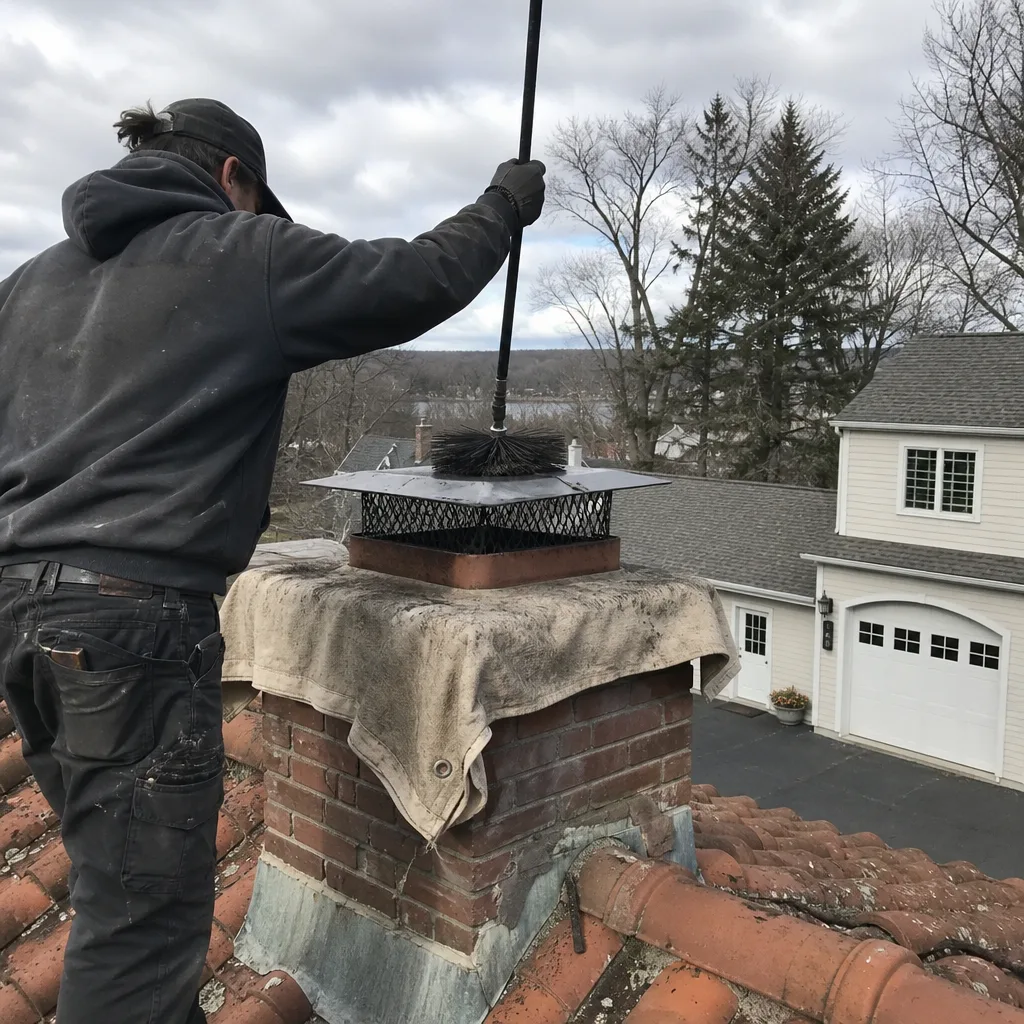
Summer is when Greenwich chimneys quietly take on water. Rain blows sideways off the Sound, humidity stays high, and the masonry sits dormant, giving moisture weeks to penetrate wherever an opening exists: a cracked crown, a failing cap, deteriorated flashing, or a missing cap screen. The leading indicators of off-season moisture intrusion are efflorescence (white powdery mineral deposits on the exterior brick face), interior staining near the fireplace, and a musty odor from the firebox after a rain. None of these mean the chimney is unsafe to use; all of them mean moisture is entering, and moisture that enters in July will be driven deeper by October’s first fire.
What to look for in summer, and what it means:
- Efflorescence on exterior brick – this is mineral salt left behind by evaporating water. It indicates moisture has been absorbed into the masonry and is now exiting. The source could be a hairline crack in the crown or a gap between the cap and flue tile. In our experience across Greenwich, including Glenville and Pemberwick, efflorescence is the single most under-reported chimney issue because it is purely cosmetic until the season changes.
- Rust on the damper or firebox hardware – rust means water has reached the interior. In a masonry chimney with a clay tile liner, that water has already passed through a compromised section of the flue.
- A drafty fireplace in warm weather – a reverse draft in summer, where warm air flows down the chimney into the house, is normal to a degree, but if it brings a damp, earthy odor, moisture is pooling somewhere in the flue or smoke chamber.
- Missing or damaged cap mesh – a cap screen keeps animals, debris, and wind-driven rain out. A torn screen invites all three. We see more animal intrusion in Greenwich in summer than any other season, and a squirrel nest in a flue is a fire hazard, a blockage, and an odor source all at once.
The fix for summer moisture is rarely urgent, but it is always cheaper in August than it will be in November. A crown sealant repair or cap replacement done in August costs the same as it does in October, but the damage it prevents, a cracked liner that needs relining, is a four-figure repair. Materials matter here. We use Gelco and Olympia Chimney cap and crown products because they hold up to coastal salt air better than off-the-shelf alternatives, and we source them through Haven’s buying network specifically to keep customer prices honest. When you see efflorescence or rust in the summer, the right move is a camera-scan inspection to pinpoint the entry point, not a deferral until the sweep season starts.
How to Structure a Single Annual Visit Around All Four Seasons
Most Greenwich homeowners don’t need four chimney visits a year. They need one visit, done properly, with documentation that covers all four seasonal stress points. Here is how we structure that visit, and how you should evaluate any sweep company’s offering against it.
- Pre-season cleaning and camera scan (September-October). This is the anchor visit. It includes chimney sweeping to remove creosote, a camera-scan inspection of the flue liner, a crown and cap assessment, and a damper operation check. You get a written price before we start, and a documented photo record when we’re done. The photo record is the part that matters most in spring.
- Winter monitoring plan. If your household burns more than one cord of wood through the winter, we note that during the fall visit and give you a creosote accumulation threshold to watch for. You don’t schedule a second visit; you know what would trigger one. This is the difference between a maintenance plan and a recurring billing cadence.
- Spring verification against the fall photo record. This is the step most homeowners miss entirely. If you have the fall camera footage, a spring re-scan can be compared against it, frame by frame. New hairline cracks or sealant recession become immediately visible. Without the fall baseline, spring damage is much harder to distinguish from pre-existing condition. Our Chimney Repair in Greenwich page covers what repair options look like when spring does turn up new damage.
- Summer moisture check. If the spring scan showed efflorescence or cap sealant deterioration, summer is the time to address it, not the time to wait for the fall rush. A cap replacement or crown reseal done by August means your October fire starts with a dry flue.
This structure, one anchor visit plus three documented checkpoints, is what the Haven Standard was built around. Clause 1 requires a written price, written scope, and written warranty delivered before anyone starts any work. Clause 4 requires a photo record on every job. Together they mean the homeowner walks away from every visit holding evidence, not a verbal summary. That evidence is what makes seasonal tracking possible. Without it, you are relying on memory and the sweep company’s good intentions.
Common Mistakes to Avoid
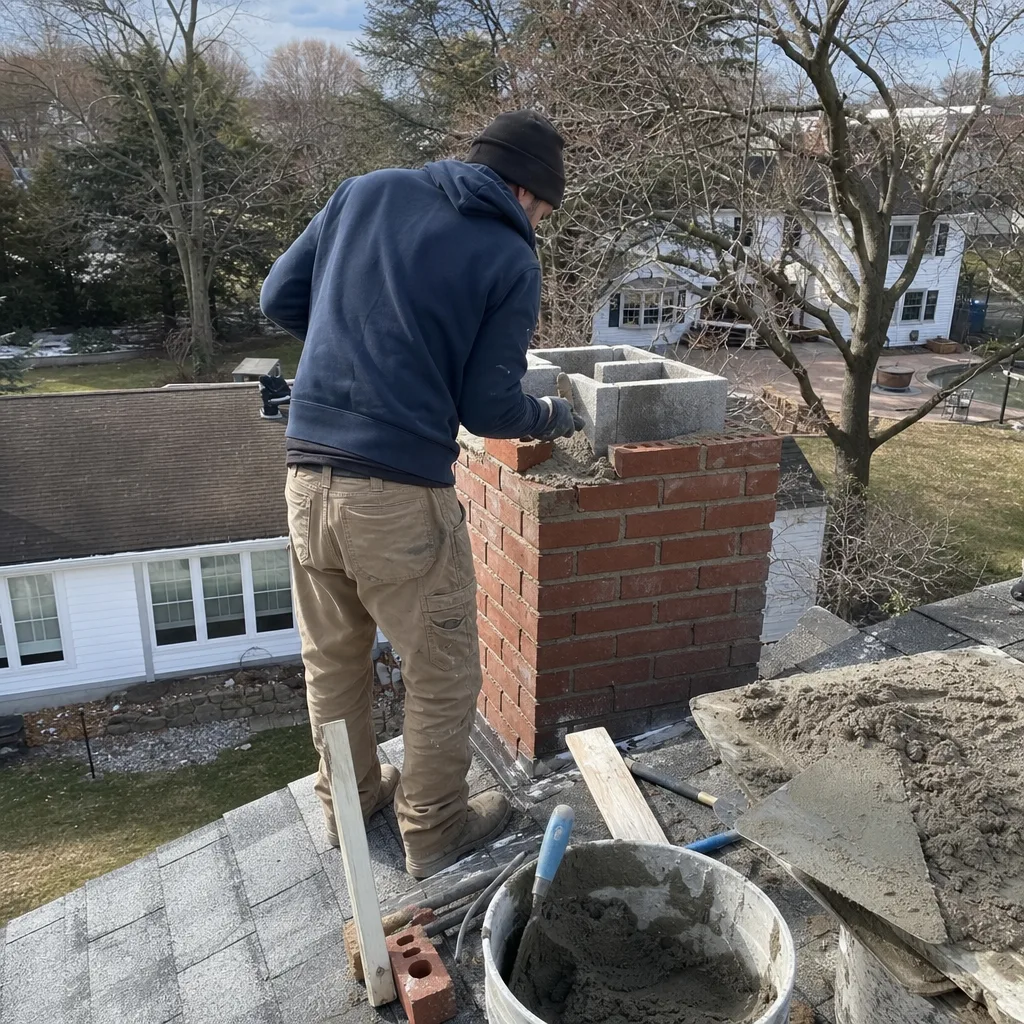
- Scheduling the fall sweep in November. Greenwich chimney companies book solid through October. By November, the early-season window is gone, and if a cleaning turns up a liner problem, you spend the holidays without the fireplace. Book by Labor Day.
- Treating efflorescence as a cosmetic issue. White mineral deposits on the exterior chimney mean water is moving through the masonry. Ignored through summer, that same water becomes a liner crack by March.
- Burning unseasoned wood. Wood that has not dried for at least six months creates heavy, sticky creosote that accumulates fast. In Greenwich, where humidity slows drying, stacked firewood needs to be covered and elevated off the ground or it will never properly season.
- Deferring crown and cap repairs. A $300 sealant job deferred becomes a $4,000 liner replacement. The math never works in the homeowner’s favor.
- Accepting a verbal inspection. If a sweep company tells you the flue is fine but cannot show you photos, you have not had an inspection. You’ve had an opinion. A camera-scan record is the difference between evidence and reassurance.
- Cleaning the chimney after the last fire instead of before the first. Cleaning in March removes creosote that already sat in the flue all winter. Cleaning in September removes creosote that has been absorbing summer moisture and is about to be heated again. One of these is safer than the other, and it’s not the March one.
- Ignoring the mid-winter odor signal. A creosote smell in the house during winter means the flue is not drafting properly. That is a functional problem, not just a nuisance. It gets worse, not better, as creosote accumulates.
When to Call a Professional
Call a professional chimney company in Greenwich when you see any of the following: visible efflorescence on exterior brick, a damper that sticks or won’t fully open, smoke entering the room during a fire, a persistent chimney odor when the fireplace is cold, or a camera scan that shows Stage II or Stage III creosote. Also call if you’ve owned the home for more than a year and have never had a camera-scan inspection performed: a home purchase inspection is not the same as a Level 2 chimney scan, and most Greenwich home inspectors note the chimney as a separate specialist item. Level Two Chimney Greenwich offers a written price before any work starts, a documented photo record when the work is done, and a 365-Day Done Right Promise on every job. The full team page and service details are on our Level Two Chimney Greenwich home page. If a previous company gave you a written estimate, bring it in for a Free Second Opinion. Calls are answered by a live person 24/7, and free estimates are available in Greenwich: call (516) 399-5497.
Frequently Asked Questions
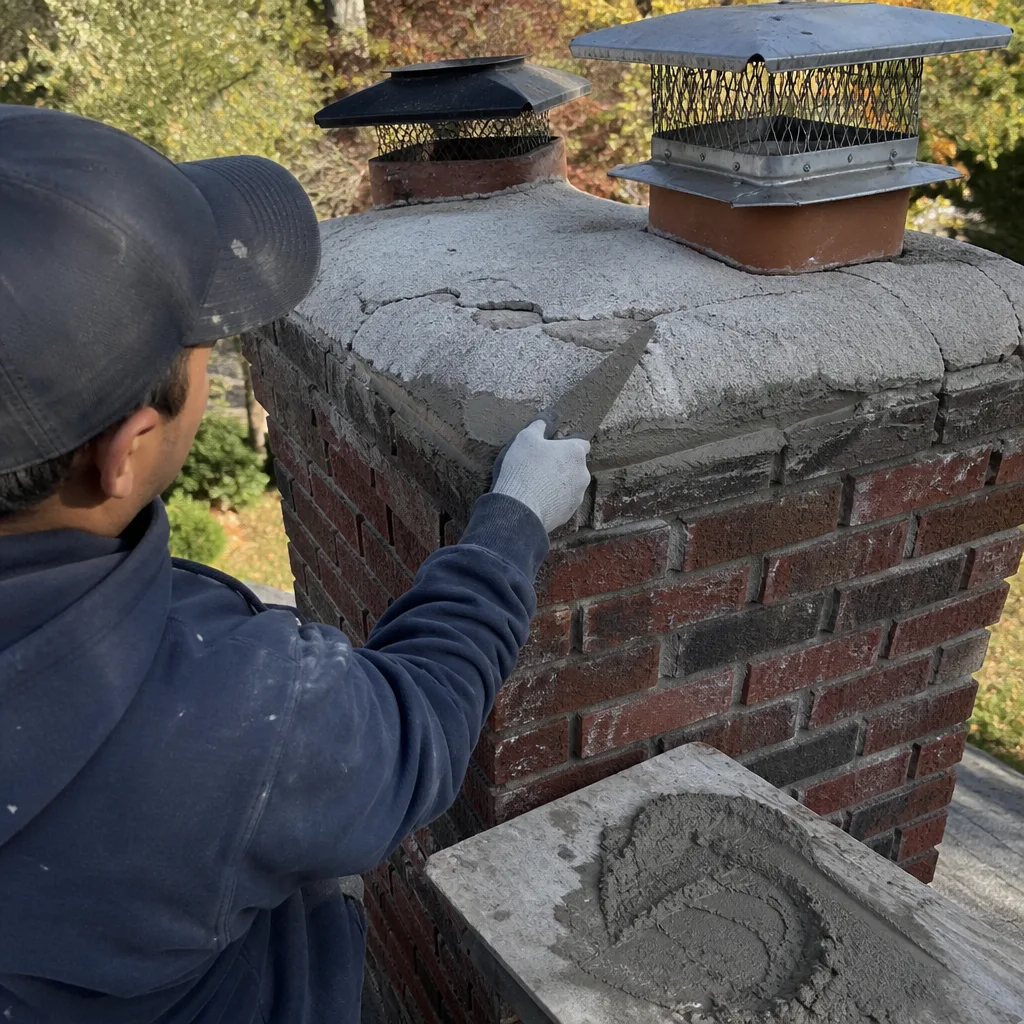
A standard chimney cleaning and sweep in Greenwich typically runs between $175 and $300 for a single flue with no significant creosote buildup, while a Level 2 camera-scan inspection runs between $150 and $250 when performed as part of the same visit. For a detailed breakdown, see our Chimney Cleaning Cost Breakdown: The Greenwich Homeowner’s Reference for 2026. At Level Two Chimney Greenwich, the written price is delivered before any work starts, and the photo record is included as standard under Haven Standard Clause 4. For an exact quote on your chimney, call (516) 399-5497.
The National Fire Protection Association recommends a chimney inspection at least once a year and cleaning when creosote reaches 1/8 inch of buildup. For Greenwich homeowners burning one to two cords per season, that typically means one cleaning in the early fall, with a mid-winter re-check if burn volume is high or the wood is not fully seasoned. The answer depends on burn rate, not on a fixed calendar date.
Not necessarily. Hairline cracks in a clay tile liner may be repairable with a resurfacing product like HeatShield, which seals and restores the flue interior without a full liner replacement. The determining factors are the number and depth of the cracks, whether moisture has reached the exterior masonry, and the flue’s diameter relative to the appliance it serves. A camera scan with photo documentation is what tells you which option applies.
A proper NFPA 211 Level 2 camera scan shows you the interior condition of your flue liner from top to bottom, the condition of the smoke chamber, any creosote class level, and any moisture staining or animal intrusion. At Level Two Chimney Greenwich, you receive a documented photo record of that scan on every visit, not just a verbal summary. That record is the baseline against which future seasons are compared.
Greenwich sits close enough to Long Island Sound that its chimneys absorb salt-laden moisture cycles year-round. Salt accelerates mortar and sealant degradation, and the town’s coastal elevation means freeze-thaw cycles in winter and spring are more frequent and more damaging than in inland Fairfield County towns. This is why spring freeze-thaw inspection and summer moisture checks are more consequential in Greenwich than they would be ten miles north.
No. Connecticut does not require chimney sweeps to provide written estimates before work begins. That is why the written price before work starts is a differentiator, not an expectation. Under Haven Standard Clause 1, a written price, written scope, and written warranty are delivered before anyone begins work at your Greenwich home. If a company won’t put it in writing, that is a decision you should weigh carefully.
For fireplace-specific seasonal questions, including gas log service and fireplace insert maintenance schedules, see our Fireplace Services in Greenwich page.
The Bottom Line
Greenwich chimneys fail on a seasonal schedule driven by coastal moisture, freeze-thaw cycling, and burn rate, not on an annual billing calendar. The most consequential maintenance decisions happen in spring, when freeze-thaw damage becomes visible, and in summer, when moisture intrusion starts, yet most homeowners only engage with their chimney in fall. One comprehensive camera-scan visit in September, paired with documented photo records and a clear mid-season creosote threshold, covers all four seasonal stress points without four separate appointments. If your current chimney company can’t show you what they found, they didn’t find it. Get the evidence. Get it in writing. Get it on camera.
Written by Corrine Halstead, Owner at Level Two Chimney Greenwich, serving Greenwich since 2009.